WORDS BY SKA HEAD
There was a time when everything in my life was about punk rock music, largely due to the fact that it always seemed to be the soundtrack to the numerous surf and skate films I devoured as a grommet (surf kid).
My introduction to Californian surf and skate punk rock led me to discover another genre called “ska”. At the very impressionable age of 15, I was duped by the two other “punks” I knew at school into believing that “ska” was a bastardised hybrid of punk and reggae. Played predominately by bands such as Less Than Jake and Reel Big Fish. After further investigation I discovered that “ska” was paramount in helping conceive a lot of popular Jamaican music as well as being the predecessor to reggae and dub.
I started to enjoy “ska” and the more I got into the genre, the less I liked the American ska-punk variety. I liked the ska from Jamaica, and if it wasn’t from Jamaica it had to at least sound as if it was inspired by the island nation.
One faithful day in the music store (somewhere in the late 90’s when people still bought CDs), I surreptitiously stumbled upon an album originally pressed in 1979 by a band called The Specials. I had heard of this band before, and soon after reading the liner notes in the album after purchasing it, I discovered that none other than Elvis Costello (songwriting 70’s icon) had produced this fantastic piece of music.
I’d later learn as my opinion of ska/reggae and dub became more informed, that this album marked a turning point not just for British music but also for racial unity in the UK as well.
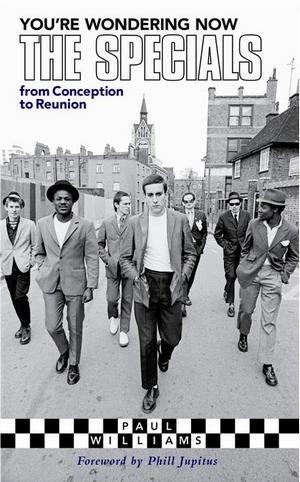
The Specials were part of a movement that they had a huge role in creating – that movement was called 2Tone. With the introduction of this new musical revolution came a record label with the same name.
“2-Tone was conceived and aesthetically overseen by The Specials’ Jerry Dammers, and launched from Coventry. They released records by Madness, Specials, The Beat, The Selecter, ska veteran Rico, and later, the punk-funk of The Higsons. The bands featured black and white members on an even footing, which was still pretty unusual. They recycled Sixties Ska, injecting its tight-or-nowhere riddims with punk’s ragged energy and witty, direct socio-political lyrics that pulled no punches in stories about unfortunate characters that were half familiar and wholly believable”.-David Laurie July 18, 2016 (https://sabotagetimes.com/music/how-ska-2tone-woke-up-the-country)
So when I recently revisited the debut Specials album (circa 2018), after all those years, I couldn’t help but still hear the relevance behind some of the words, the relevance that could easily be imparted into a South African context some 40 years later. With lyrics addressing certain social dilemmas of the time.
Punks’ Racist underbelly in 70’s England:
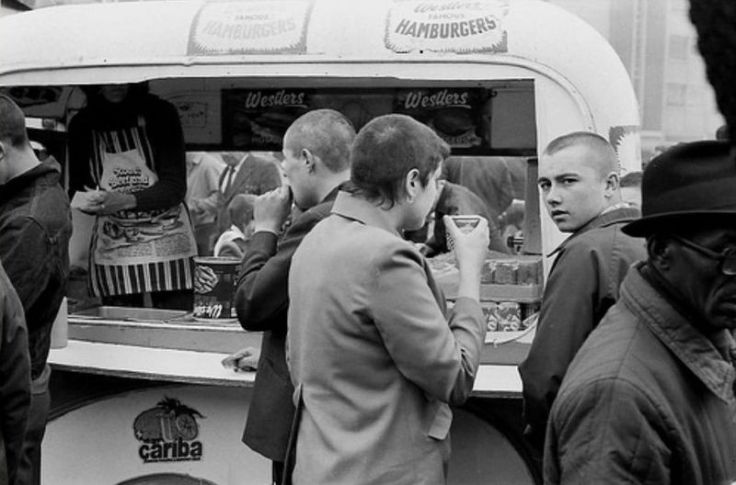
Research soon became vital to my existence so I delved, deeper than ever before into my obsession with “punk” and its various ideologies and movements. Often my readings led me to the blatant racist activities and ideals of some of the punk related sub-genres which were prevalent during 1970’s England.The word ‘skinhead’ started getting thrown around, and an organisation called The National Front was introduced into my vocabulary for the first time.
“Skinhead culture faded in the early ‘70s, but revived as a response to the commercialization of punk at the end of the decade. At the same time, many skinheads became involved in far-right and racist politics.Some factions of skinheads had previously been known to attack immigrants and gay people in addition to their usual brawling; now many were openly sporting swastikas and giving Nazi salutes. By the mid-1980s, the term “skinhead” had become synonymous with neo-Nazism, fascism and xenophobia”. -Alex Q. Arbuckle (https://mashable.com/2016/03/29/british-skinheads/#0FqepdiiMgqC)
Although skinhead culture wasn’t all about racism and white power, it seemed a lot of the rhetoric being thrown around just before the late 70’s was violently bigoted. And sadly there was a cloud of racism hanging over the British underground musical subcultures.
Bands such as The Specials were hell bent on changing this ugly part of the UK underground around the late ’70s. White working-class youth found themselves sharing space with Jamaican immigrants. Clashes started to happen, but with these clashes came the birth of something new, interesting and inclusive for British culture.
“Whilst some of the acts may not even have recognised it as such, having black and white musicians on the same stage was a political act in itself in the late 70’s. The decade had seen the growth of the British Movement (BM) and the National Front (NF) not just as political forces electorally but with boots on the ground as violence and extremism made its way onto the streets. The BM standing on an explicitly Nazi manifesto and including images of Adolf Hitler on their election material managed to secure over 300 votes in the Birmingham Ladywood By-election in 1969. Meanwhile rival far-right organisation the NF polled just under 200,000 votes in the 1979 General Election. Many of the early 2-Tone gigs were marred by fights and violence as far-right skinheads fought with black youth and anti-Nazis. Young people wearing the clothes, buying the records and associating with the 2-Tone scene were making a political statement against racism and for multiculturalism. The courage this took in many parts of British cities should not be underestimated. To underline this point, guitarist Lynval Golding was attacked simply for walking down the street in London with two white girls and had ended up hospitalised with 29 stitches in the head and neck”. -Graeme McIver (http://www.thepointhowever.org/index.php/culture/226-the-dawning-of-a-new-era-a-brief-history-of-2-tone-and-the-specials)
South Africa in the 80’s:
While The Specials started becoming a pop sensation in England, Europe and the world, South Africa was experiencing the dying days of Apartheid and the situation was reaching boiling point. Violence was rampant all over the country, and the rest of the world was starting to take notice of how bad the situation was becoming in South Africa.
“There was little change in the situation from the late 1970s to the early 1980s in South Africa. After the crisis of the early and mid-70s, the government’s ‘total onslaught’ had managed to suppress much unrest and had it under some measure of control. With leaders from the 1976 uprising either imprisoned or exiled, the liberation struggle did not move forward much. It was in this climate that anti-apartheid organizations in the country realized that they needed flexible structures and leadership to survive in the future, as well as have a mass movement focus. This would facilitate the continuation of resistance even when the government imprisoned major leaders. The obvious importance of unity was also acted on”. –https://www.sahistory.org.za/article/apartheid-early-1980s
How The Specials played a part in the anti-apartheid movement:
Finally, the world was becoming aware of the horrors of apartheid, sanctions started to be imposed, and people of notoriety were speaking up globally against the situation in South Africa. It was becoming widely unanimous that apartheid wasn’t good for humanity, and wasn’t good for the future of South Africa or the world.
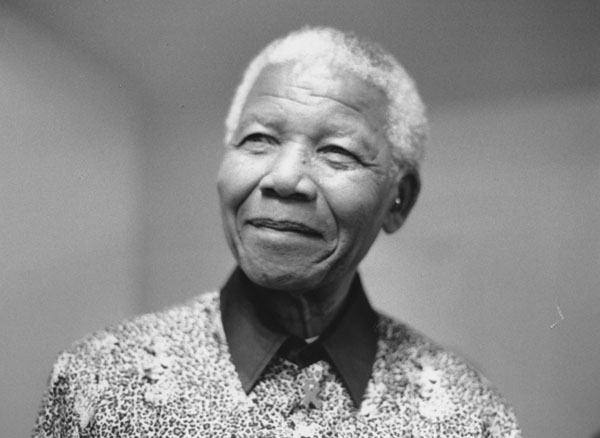
In the year 1984, The Specials released a track to stand in solidarity with the ANC (African National Congress) and it was their way of showing their disdain for the unjust system in South Africa. The song was regarded to be a catalyst and a contributing message to enable the end of this plague that kept a country hostage for several decades. The song was simply titled “Free Nelson Mandela” and the lyrics were presented in a simple and understandable way to get the message across loud and clear.
Free Nelson Mandela – The Specials AKA (1984):
Free, free, free, free, free
Nelson Mandela
Free Nelson Mandela
Twenty-one years in captivity
Shoes too small to fit his feet
His body abused but his mind is still free
Are you so blind that you cannot see?
I said free Nelson Mandela
I’m begging you, free Nelson Mandela
Pleaded the causes at the ANC
Only one there in a large army
Are you so blind that you cannot see?
Are you so deaf that you cannot hear his plea?
Free Nelson Mandela
I’m begging you, free Nelson Mandela
Twenty-one years in captivity
Are you so blind that you cannot see?
Are you so deaf that you cannot hear?
Are you so dumb that you cannot speak?
I said free Nelson Mandela
I’m begging you, free Nelson Mandela
Free Nelson Mandela
Although it was just one song, amongst a myriad of world-wide protests against the oppressive regime, it seemed to become somewhat of an anthem for the anti-apartheid movement globally, and this was also heightened by the fact that the song became a top ten hit.
CNN would later reflect on this jivy pop-ska anthem which saw the band take on a more South African groove in the arrangements and composition. It could even possibly be compared to similar South African bands during this period, maybe this statement will be met with contention, but Mango Groove comes to mind. Especially with the layered and harmonious back up chant of “free, free, Nelson Mandela”.
“The anti-apartheid message was serious and heartfelt but the song that alerted many around the world to the injustices of the South African regime could not have been more upbeat. “Free Nelson Mandela” was a Top 10 hit in the United Kingdom for The Special AKA in 1984, and it instantly became the unofficial anthem and slogan for the international anti-apartheid movement”. – Peter Wilkinson 2013 (http://edition.cnn.com/2013/12/06/showbiz/south-africa-mandela-protest-song/index.html)
One of the founding members of The Specials was made aware of the wrongs that was happening in South Africa in 1983 after he attended an anti-apartheid concert. The keyboardist and songwriter had never even heard of the man before this period.
“The composer of “Free Nelson Mandela,” Jerry Dammers — the founder of the multiracial English ska-punk band The Specials, later renamed The Special AKA — admits he knew little about Mandela before he attended an anti-apartheid concert in London in 1983, which gave him the idea for the song”. — Peter Wilkinson 2013
(http://edition.cnn.com/2013/12/06/showbiz/south-africa-mandela-protest-song/index.html)
The Specials in 2019 and the release of their new album Encore:
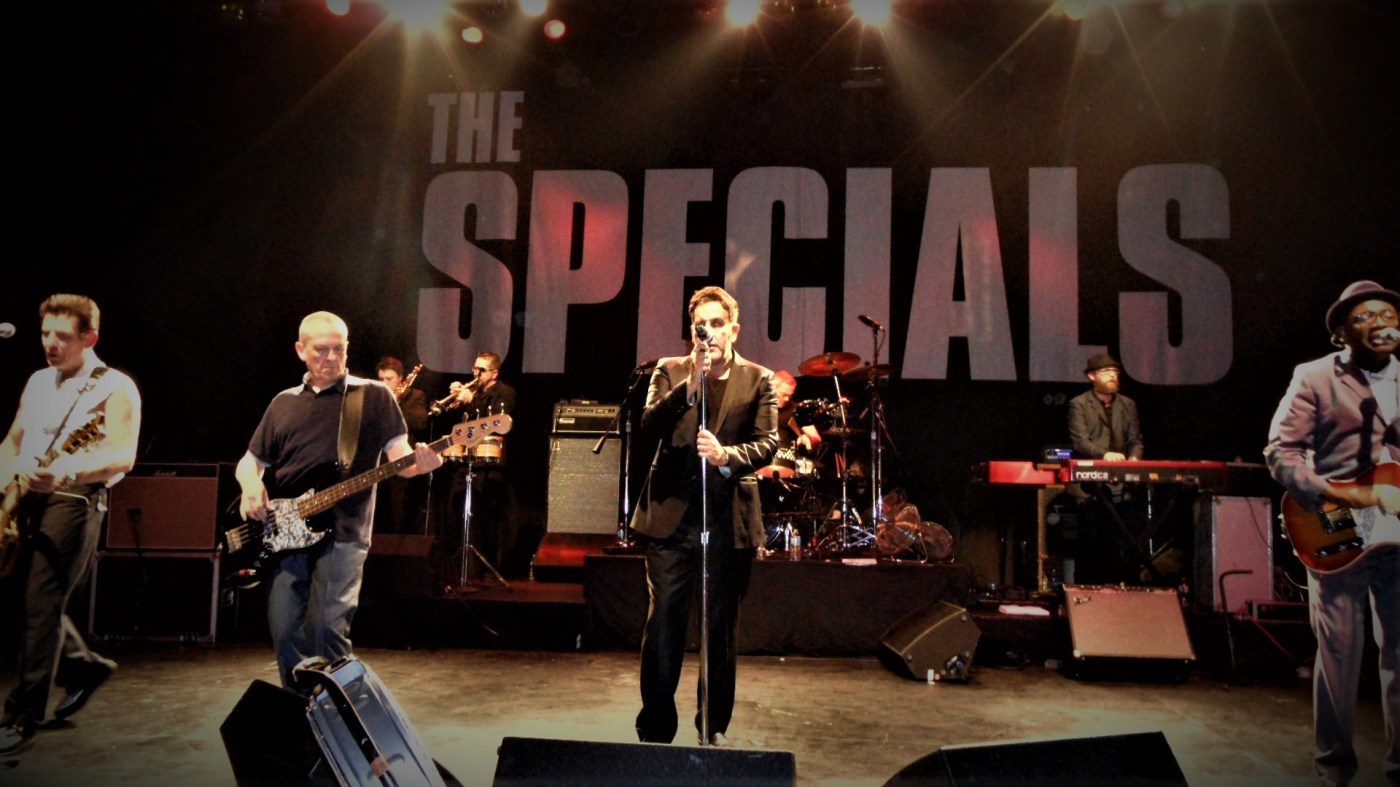
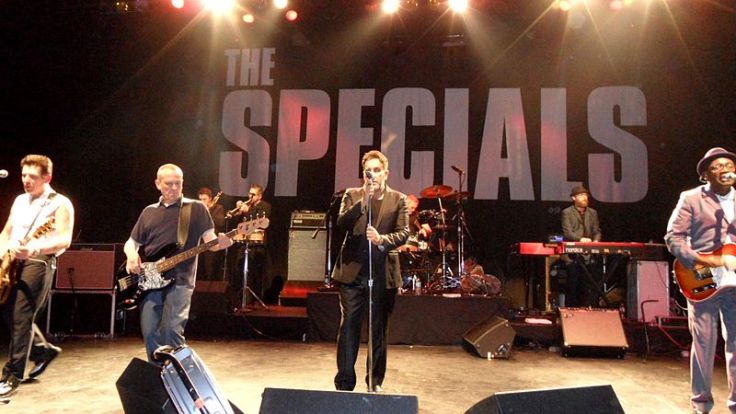
A few weeks or so ago, an image on my Twitter feed popped up : “New The Specials Album out tomorrow”. It goes without saying that I was excited, it’s incredible to see a band still putting out music almost 40 years after they started, and their sound and message is still relevant. I quickly searched YouTube to see if I could find a song and I was pleasantly surprised by the first single “Vote For Me”, which is a politically charged ska-anthem which music journalists and fans say, is in a similar vein to their 1981 hauntingly sublime hit – Ghost Town.
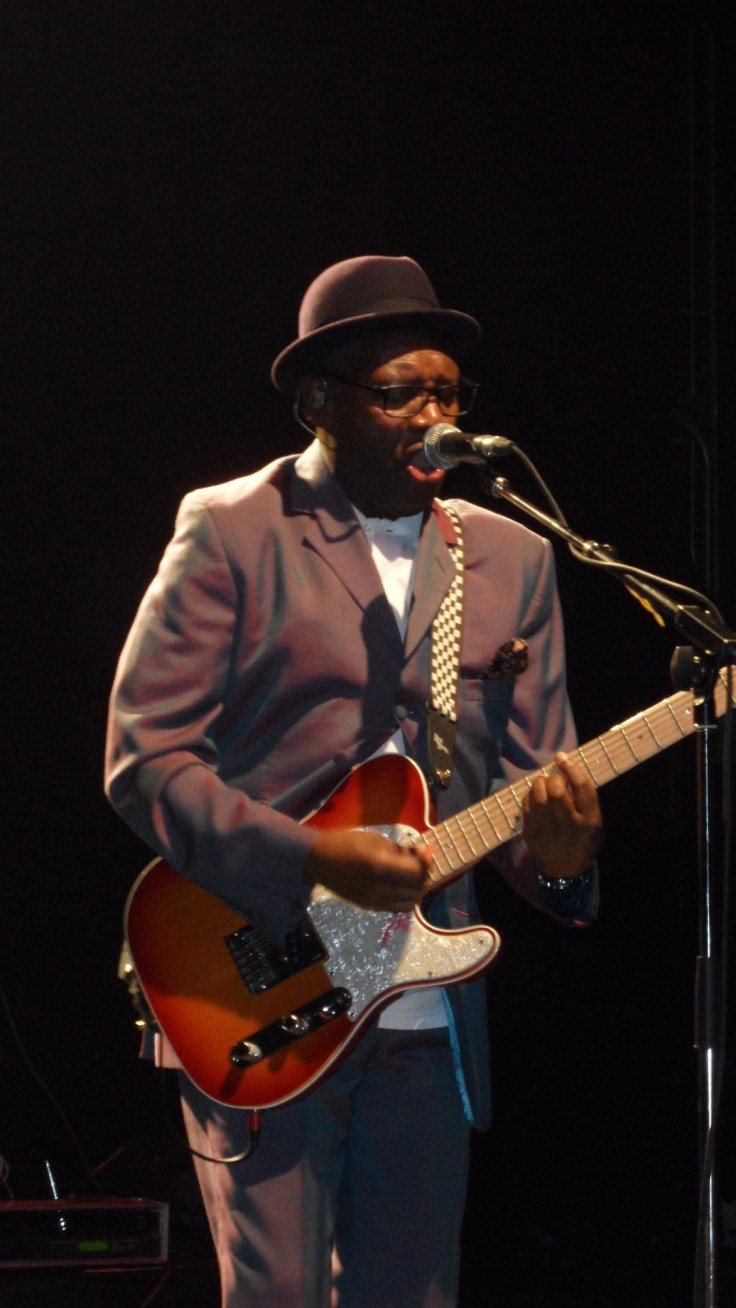
The song Ghost Town would later be praised for its accuracy in documenting the devastation and desolation of Margaret Thatcher era Britain, as reported by the BBC.
“Few songs evoke their era like the Specials’ classic Ghost Town, a depiction of social breakdown that provided the soundtrack to an explosion of civil unrest. Released on 20 June 1981 against a backdrop of rising unemployment, its blend of melancholy, unease and menace took on an entirely new meaning when Britain’s streets erupted into rioting almost three weeks later – the day before Ghost Town reached number one in the charts”. -Jon Kelly (2001) –https://www.bbc.com/news/magazine-13780074
In Vote For Me, the message of protest music that has spanned decades remains true, that politicians do not have our best interest at heart, with lyrics that could very well be a call to arms, in a similar vein to “Free Nelson Mandela”. Yet this time around it seems the message is personal and a lot closer to home.
You’re all so drunk on money and power
Inside your Ivory tower
Teaching us not to be smart
Making laws that serve to protect you
But we will never forget that
You tore our families apart
Except taken from Vote For Me – The Specials – Encore 2019
A new kind of activism with “10 Commandments” the second single on Encore:
Essentially, The Specials started out as a band who paid homage to a lot of Jamaican music during the 1960’s. Their debut album was littered with popular Jamaican classics, with a new edgy Coventry punk rock undercurrent. Its what gave the band it’s power.
However, in any culture it’s necessary to take a conscious look at the past and readjust things to suit a contemporary message, yet also make right some of the wrongs of the reggae subculture. Bob Marley preached love and unity, yet it’s hard to ignore the ugly sides of Jamaican and reggae music. It can often be soaked in patriarchy, misogyny and homophobia. Some of the biggest names in reggae have openly spread a violent homophobic message including reggae or dancehall public property such as Buju Banton or Sizzla.
“Jamaica has a bad reputation for anti-gay prejudice. This small island in the Caribbean has become notorious not only for its anti-gay laws, political rhetoric and murders, but also for its broad societal acceptance of severe sexual prejudice and openly hostile music.” -theguardian.com/commentisfree/2014/jun/06/jamaica-music-anti-gay-dancehall-homophobia
One of the genres’ most liked and respected artists is Prince Buster. But on a track from 1967 titled “The 10 commandments of man”, it’s clear after listening to the song that its soaked in sexist undercurrents. Even though you can hear the tone is light and the artist in question is using humour, it’s still cluttered with problematic or even violent themes, especially in the current political climate of the “me too” movement.
The Specials decided to do a remix of this classic yet controversial ska-tune, yet this time collaborating with 21 year activist Saffiyah Khan. Khan rose to prominence a few years ago, after a photograph of her bravely facing an English Defence League activist at a protest outside a Birmingham Library went viral.
“Horace Panter, bass player and founding member of The Specials, happily admits the Prince was a big influence on why he started things in the first place.”The band had done a cover of Enjoy Yourself and sampled Al Capone on Gangsters,” he remembers.”But Ten Commandments has not travelled very well, and from listening to it again it felt important to do a contemporary version.”The problem is our attempts ended up sounding like comedy versions of the song.”It led to the idea of turning it “completely on its head” by getting a woman to do the vocals – and getting Khan onboard injected real excitement”.- David Schaffer 8 February 2019
When the song was released as a lyric video on Youtube, the comments section erupted Many were praising the band for the message, yet some where utterly horrified.
“Great music! Lyrics are expressed as forcefully as Prince Buster did over 50 years ago…updated – Told by a woman with an ego-driven message too…she put PB’s version up for a great challenge…I think this Specials version is going to be remembered for decades” -KTWOA
“Shockingly bad… Disrespectful to Prince Buster r.i.p” -CAZCOUNTRY70
“Specials cashing in on neo liberalism…not edgy in the slightest just more of the same ….disappointed fan” -Dc Marvel
“The specials have really gone down hill, to have this wannabe feminist far left nobody singing for them is pathetic. The original Prince buster would turn in his grave if he heard this shit.” -snodds88
“Men offended in the comment section are either heteronormed straight white men born in a first world country within a privileged middle class family… or they’re completely blind”. -Maria Paula CB
True protest music creates contention and debate, and that’s exactly what 10 Commandments does. The fact that they allowed Khan complete creative control with the words is testament that The Specials are a band willing to bring new life to old traditions, in order to change perceptions and do something original.
Their multi-cultural message was met with equal contention and violence from white power groups like the National Front at some of the 2 Tone concerts of 1970’s Coventry. Now they are creating a stir on the Internet. Showing that even though the band is roughly 40 years old, they are still contemporary or even post-modern in their focused intent on sparking debate and conversation.
I’ll let you decide what you feel about both versions with the lyrics presented below:
The Ten Commandments of Man – Prince Buster – 1967:
The Ten Commandments from man given to woman
Through the inspiration of I, Prince Buster
One, thou shall have no other man but me
Two, thou shall not encourage no man to make love to you
Neither kiss nor caress you
For I am your man, a very jealous man
And is ready to lay low any other man that may intrude in our love
Three, remember to kiss and caress me
Honor and obey me, in my every whim and fancy
Seven days a week and twice on Sundays
Because at no time will I ever be tired of I-T, it
Honor my name so that every other woman may honor it also
Five, thou shall not provoke me to anger
Or my wrath will descend upon you heavily
Commandment Six, thou shall not search my pockets at night
Or annoy me with your hearsays
Commandment Seven, thou shall not shout my name in the streets
If I’m walking with another woman
But wait intelligently until I come home
Then we both can have it out decently
For I am your man, a funny man
And detest a scandal in public places
Commandment Eight, thou shall not drink, nor smoke
Nor use profane language
For those bad habits I will not stand for
Nine, thou shall not commit adultery
For the world will not hold me guilty if I commit
Murder
Ten, thou shall not covet thy neighbor’s dress
Nor her shoes, nor her bureau, nor her bed, nor her hat
Nor anything that’s hers
Neither shall thou call my attention to anything that may be for sale
In any stores, for I will not give thee anything but what
You actually need for your purpose
Those are the Ten Commandments given from man to woman
By me, Prince Buster
10 Commandments – The Specials words by Saffiyah Khan – 2019:
The commandments of I, Saffiyah Khan
Thou shall not listen to Prince Buster
Or any other man offering kindly advice
In matters of my own conduct
You may call me a feminazi or a femoid
And then see if I give a stinking shit
Pseudointellectuals on the internet
They tell me I’m unhappy because I’m not feminine
Failing to consider that I may be unhappy
Because it’s 3 AM and I’m in the depths of YouTube
Watching them… whining
Thou may catcall me on the street
But thou should take note that I’ll catcall you right back
To tell you that you look pretty sexy too in your joggers
Or your suit, or your new-found look of confusion
Girls should not turn on each other
Or use man-made ideals like paths
Don’t you realize that you’re only making a fool of yourself
When you ask… “Why don’t you wear makeup?”
Is that what it takes to impress a bloke
Whose brain is made up of promises of curvy size zeros
And anti-gravity tits?
Thou shall not tell a girl she deserved it
Because her skirt was too short
She walked home, streets lights illuminating her as a target
But she started it, because she looked at him
And he finished it ’cause he wanted to
And they’ll bring out her skirt as “exhibit A” before the judge
And she should have the right to say
“Thou shall not tell me what to wear
Nor how to wear it”
I shall not be the icing on your cake
And I shall not be the candy on your arm
But I shall be seen
And I will be heard
The commandments of I, Saffiyah Khan
Pseudointellectuals
Stay tuned for the album review of Encore coming soon to Aweh.online
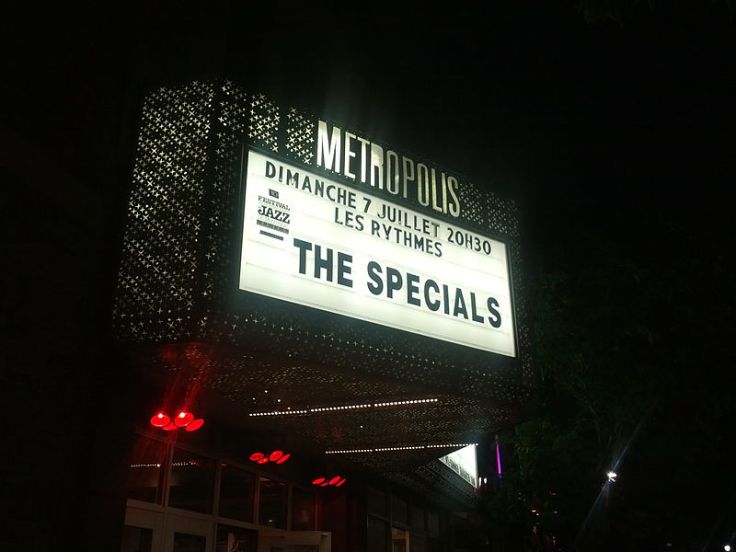
 Aweh Online
Leave a comment