In the blink of an eye, wanderlust can grab the most resolute recluse by both hands, compelling them into a journey that transgresses time and space. The addiction of the road can become so intoxicatingly infinite, that it might seem that there is no end to the length of the journey. Around every corner a new escapade presents itself and life can become a series of sporadic moments, constant new experiences and perpetual newly acquainted individuals, people, places, ghosts, and shadows. Travel isn’t for everyone, yet once the urge and desire arise, it also can become a habit that is hard to kick.
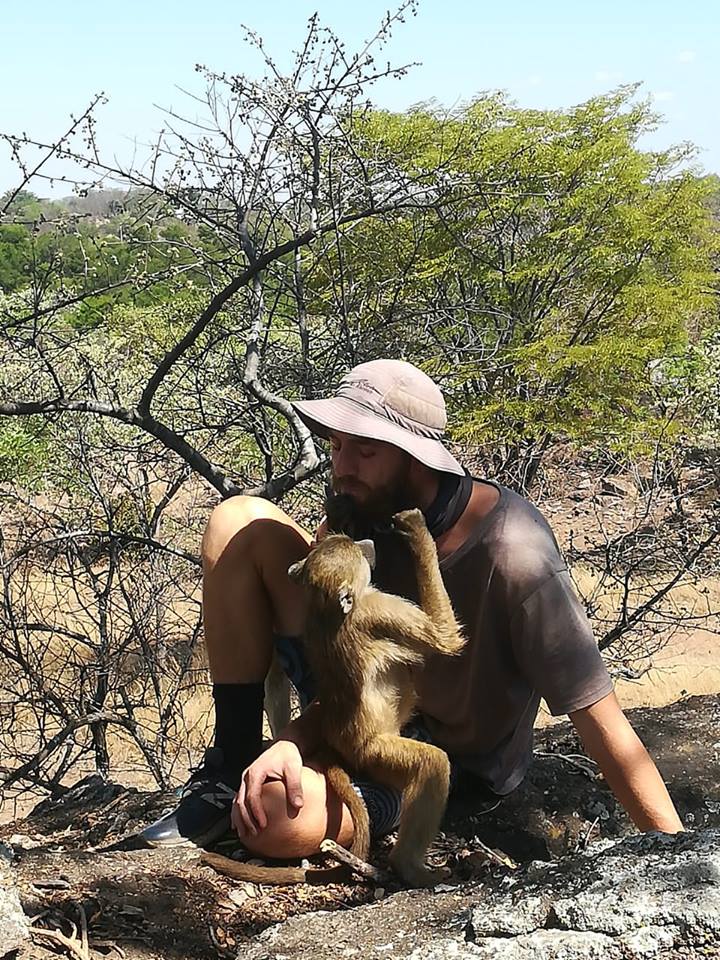
Keegan Horn left a successful job in the film industry to become a full-time traveller in aid of one of Africa’s, most unassuming, yet vitally important animals – the donkey. Some might argue that there are more pressing issues than gallivanting across a continent in support of an animal. Yet after a brief chat with this riotous voyager, one is reminded that the donkey also deserves a helping hand. Due to the animals’ modest nature, there isn’t as much support for the plight of donkeys across Africa, Keegan is on a fundraising mission to lend this helping hand. We caught up with the traveller, while he’s been volunteering in Tanzania.
Email: donkeyslifeafrica@gmail.com
Make a donation: http://www.mareszim.org/
Visit: Matabeleland Animal Rescue & Equine Sanctuary
Firstly, please can you give me your name, age and what you do for a living?
My name is Keegan Horn, I am 30 years of age and I am a full-time traveller now. My work is raising funds for a donkey sanctuary, MARES in Zimbabwe, Bulawayo.
You have been traveling through Africa, over the last few months; to save the donkey, tell us a bit about how you are achieving this?
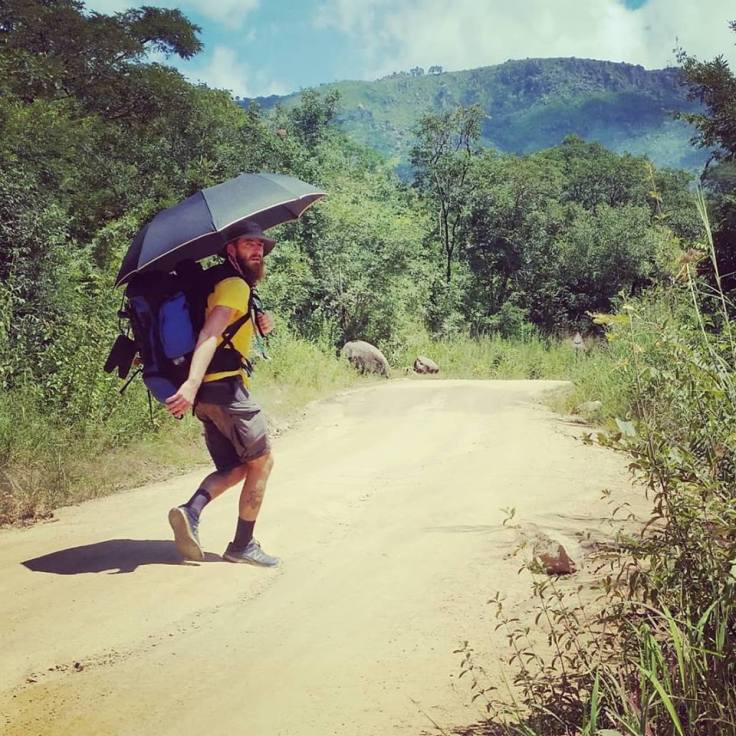
It’s been a challenging task trying to raise funds, using only the Internet and word of mouth, unless you are a marketing wizard. Sometimes you get lucky or people find your content very interesting. My goal is to raise 4000$ US dollars and the way I go about this is utilising social media platforms such as Facebook, Instagram and a website. I talk to a lot of people on the way and see how they are contributing in their own ways in different countries. I post on these platforms roughly once a week on how far I travel using an app called Strava, and I write small stories about the things that happen in my daily life. Traveling by foot and bicycle and always taking alternative routes to keep it exciting.
Why specifically the donkey, as there are many other causes, what attracted you to this unassuming animal?
I wanted to do something for a good cause and I was doing research on the Internet and talking to people. I realised that many of the endangered animals had organisations and have funding and have money being put towards the safety and protection of these poor creatures. At this time I was working in a restaurant in the Eastern Cape. We were being supplied cheese from a goat farm. I was fetching the cheese directly from the farm. On the farm, there were a few donkeys in which I became acquainted with. After getting to know them, and their stories my heart was sore. I realised there is an issue worldwide with donkeys being abused due to lack of knowledge, and just pure cruelty. Then I discovered a grave problem of abattoirs opening up all over Africa for a ”medicine” the Chinese make using the gel underneath the hide of the donkey. So I thought we need to raise awareness and think of a way to preserve an animal that works very hard for our people and stop allowing others to keep pilfering our resources.
Tell us a bit about where you have been so far, and what kind of challenges come with this kind of undertaking?
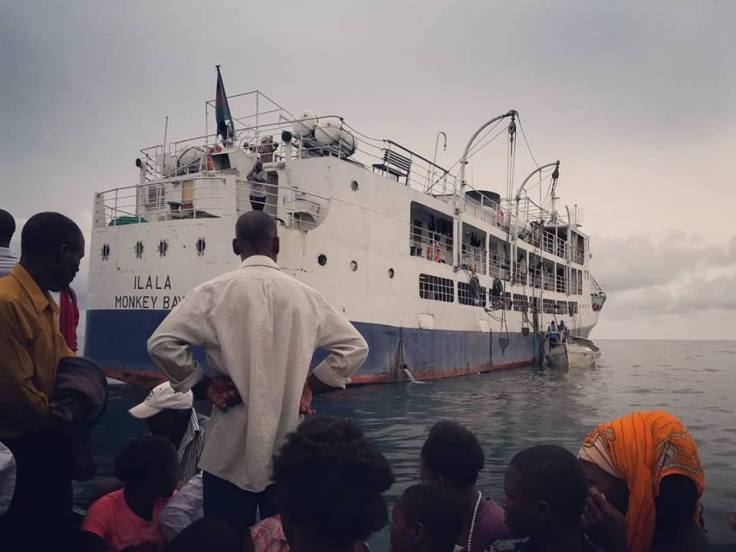
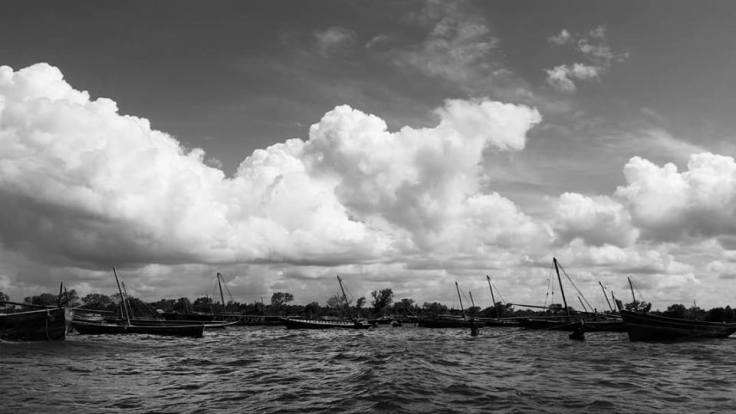
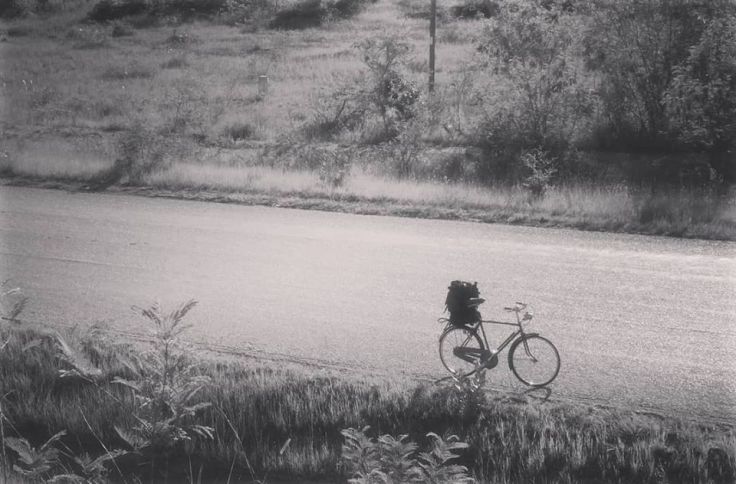
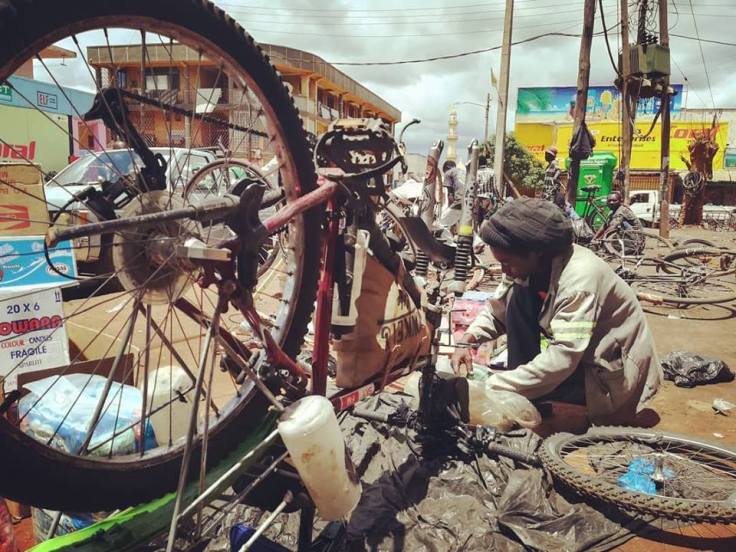
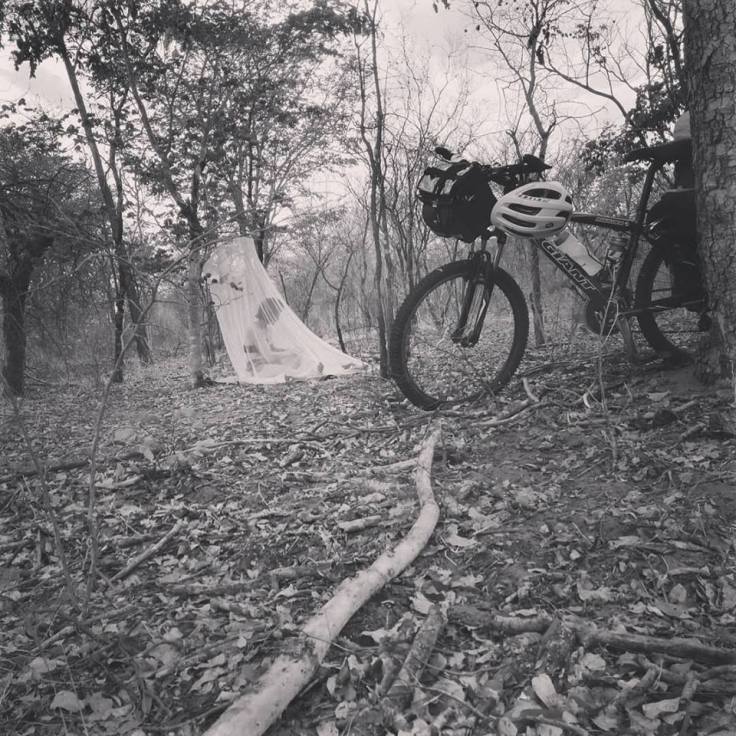
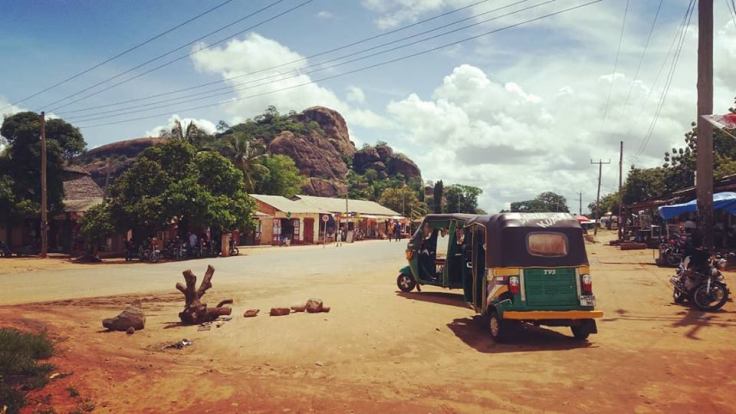
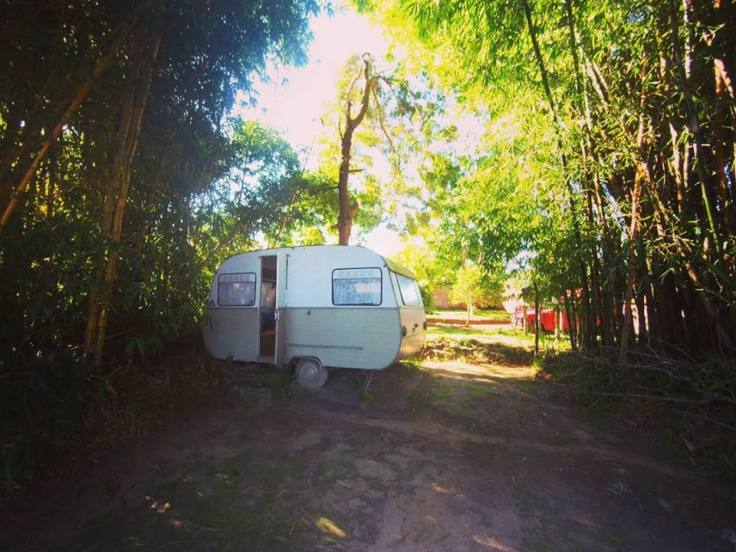
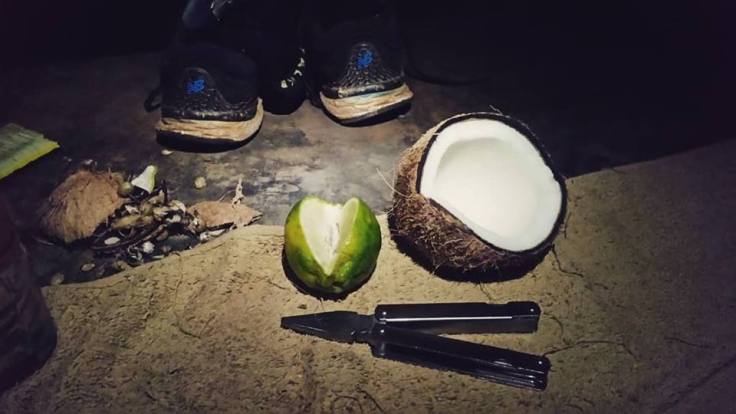
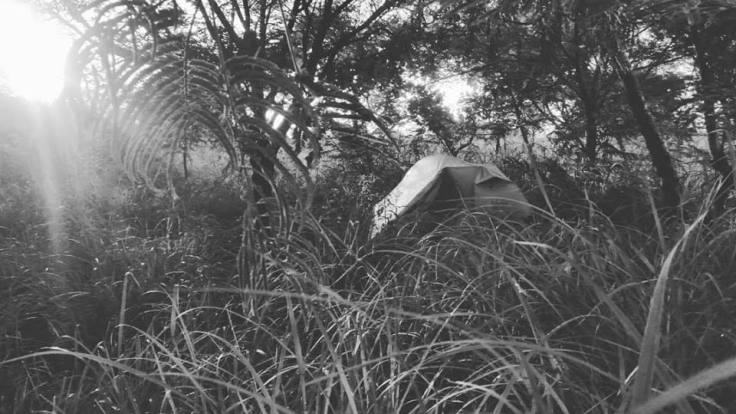
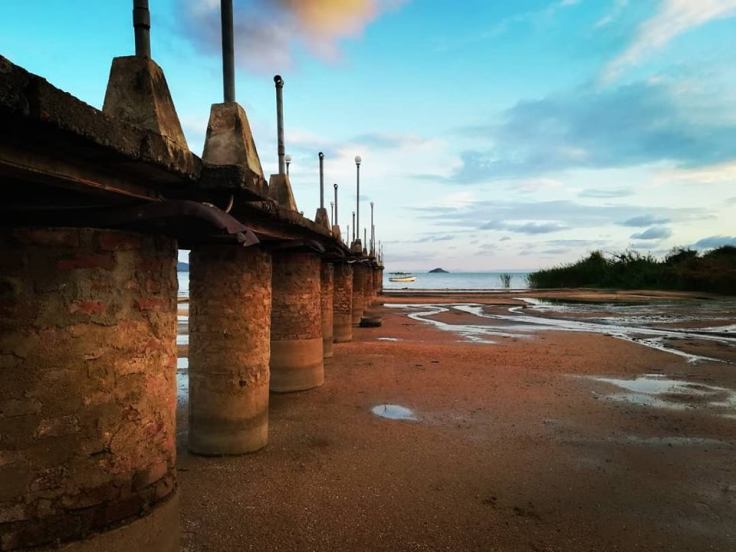
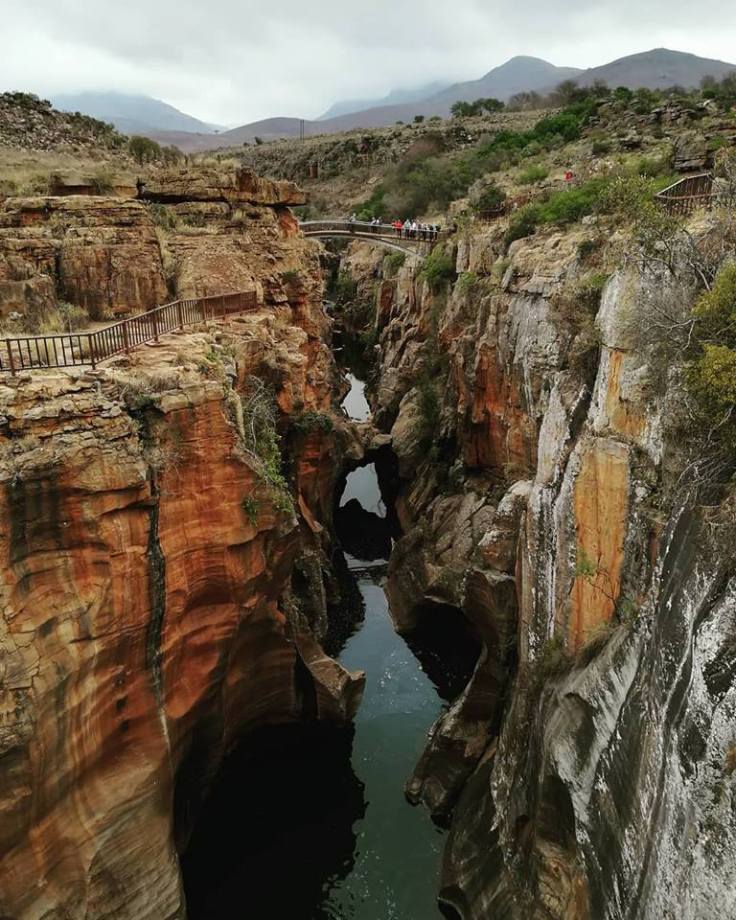
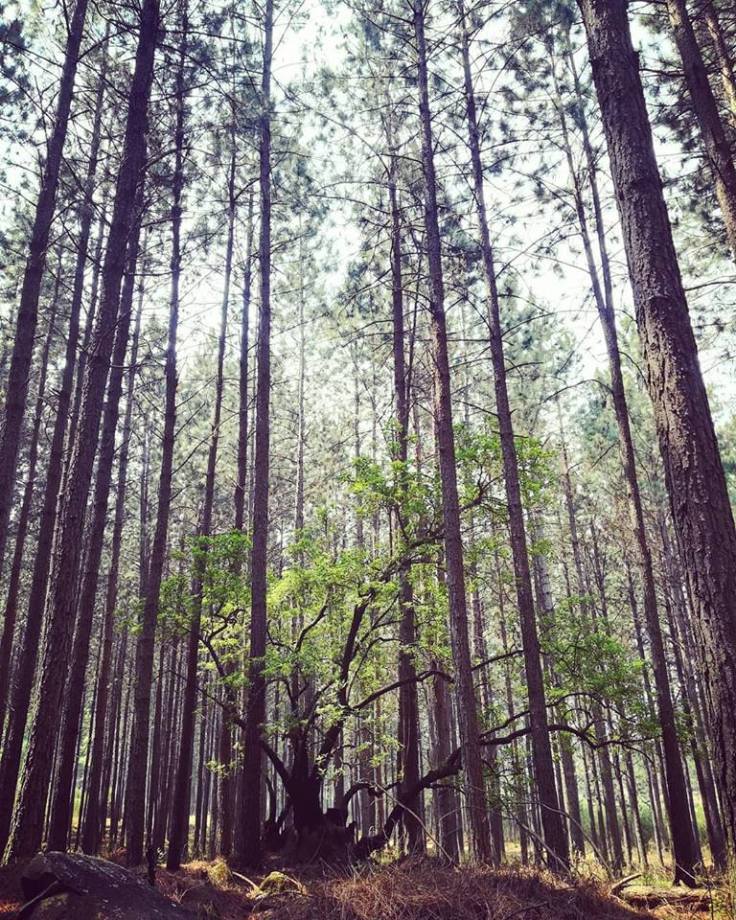
I started in South Africa in a small town called Bathurst, Eastern Cape. I walked across the wild coast up to Bulwer, KwaZulu-Natal. I was sponsored a bicycle by a good friend of mine because she was tired of me going so slow. I then rode into Lesotho through Sani-Pass and back into South Africa into the Free State, then Mpumalanga up to Limpopo crossing into Zimbabwe (Beit Bridge) to Victoria Falls and into Zambia, then Malawi from the south towards Mzuzu in the North. I then started walking again after selling my bicycle. I left Mzuzu, walked to Lake Malawi, crossed the lake to Mbamba bay in Tanzania, then I walked to the Indian Ocean on a pretty straight path eastward. In Lindi on the coast I then bought another cheap bicycle and made my way north. So far the road and people have been so good to me. There are many challenges every day. You use a lot of energy and you need a lot of energy. Living on the road on a tight budget makes you quite easy going. You will eat and drink anything because you are just so happy to get more energy. Your body has its limits which I have learned on the road. When you travel long distances and you get tired and the distances are long between places which results in a tendency to push yourself “if I go just a little further it will be easier tomorrow”. I think anyone can do this; they just have to want to. Some of the issues are equipment breaking during the ride or sometimes it’s your leg that hurts. I got shin splints on the road and then after that, I was scared it could happen again. Other issues can be that you are not getting enough nutrition during the journey because you are in places that are scarce on resources, especially in more remote areas. It’s always exciting to see how things will change on the journey. At times people would warn me that it’s going to get dangerous the further I go, but it is always nothing as they say. But fear becomes less of a thing in this form of travel. Since I have started I have had no bad experiences with people. Once in Zambia, I was told not to sleep in the forest because someone had been murdered there, so I made a different plan.
Tell us about Africa and how people have treated you on your journey so far?
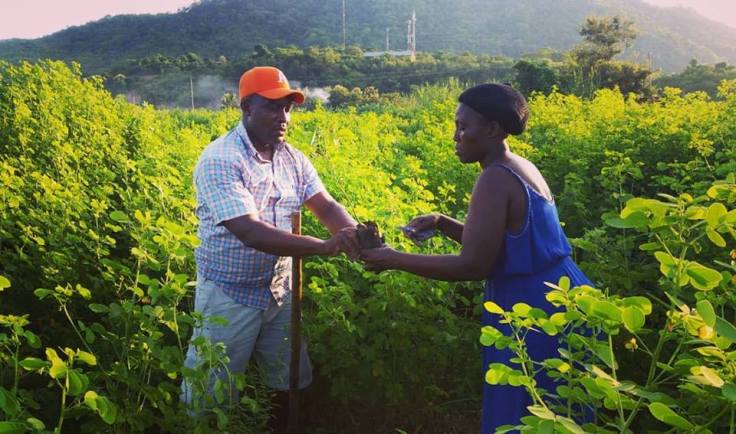
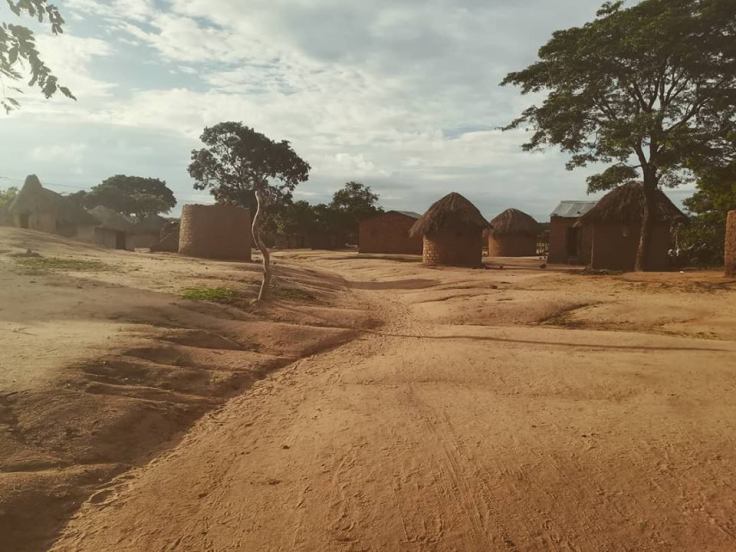
Africa is a unique and beautiful place with a kaleidoscope of cultures, languages, and food. I have learned a lot since I have started, like how to appreciate small things, for example, every drop of water is vital, and to take it easy because life is too short to worry all the time. The people have been so good to me. Feeding me when I am out in the sticks, even when they have so little, they have shown me short cuts on the route, letting me sleep in their gardens or houses. People here are still purer than places more ‘developed’. Wherever you go, even if its 10kms, things change so you have to adapt. Generalising is difficult because of this diversity, but Africa so far has been a gem to me. I have appreciated the way I have been looked after.
How is the fundraising going and how can people get involved?
The fundraising has not gone so well. We have currently made about R5000 so far, but are still hoping for the best. Our goal is 4000$ US Dollars. We really want to kick-start this community project “MARES” (Matabeleland Animal Rescue and Equine Centre) in Bulawayo, Zimbabwe. People can follow me on Instagram, Facebook and there are links there for the donation, so help out and share the page.
You have you been traveling for quite some time now and when do you think this mammoth journey will end, where is the last destination?
I want to arrive in Morocco and I am thinking one more year.

Any advice for those thinking of doing similar things?
Go for it. The world has a lot to offer. You will find out in very little time what the necessities are.
So what gave you the idea to do something like this in the first place?
Truly I just wanted to give back somehow.
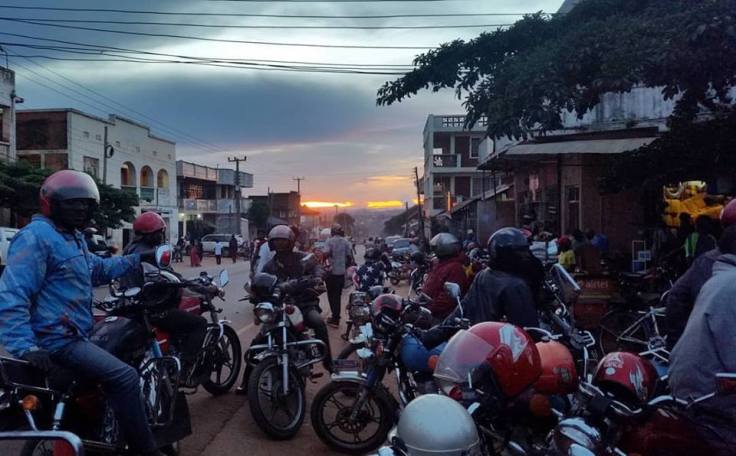
I see you have been on foot mainly and sleeping in tents, has this not been a somewhat terrifying experience, also how is it to travel alone?
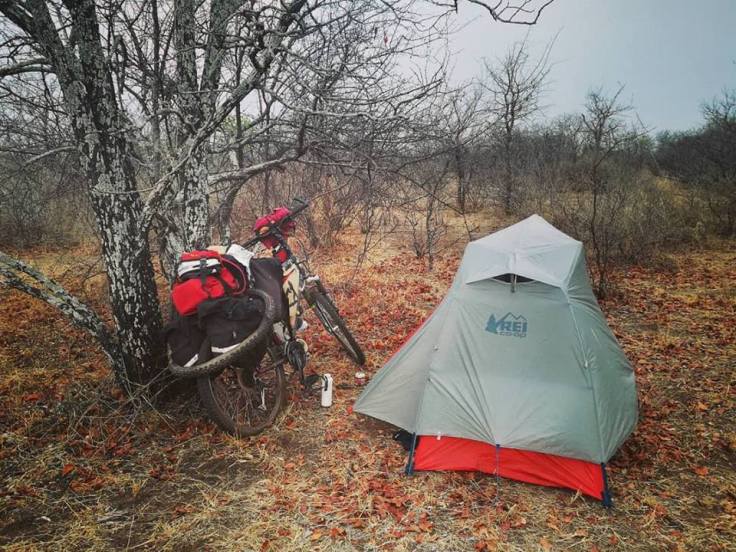
Traveling alone is great, you are able to make decisions on hand and be very spontaneous. It has been scary at times, but when it gets scary and you are alone, you can’t just call your mom to come to get you – unless your family is in the helicopter business. You adopt a technique, well I have, and you just breathe and let things flow. Whatever happens, you have to embrace everything with open arms.
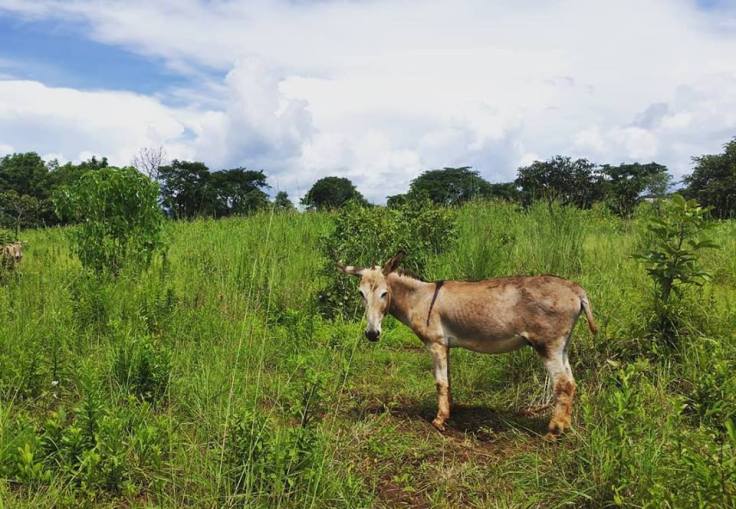
So you have been traveling by foot and bicycle, what has that been like?
Yes, I like to mix it up and try different things. Walking and riding are so different exercise wise. Walking is tough. You can’t go as far and when you finished at the end of the day you just want to lie down and you don’t care where. You eat and drink a lot more and your legs get skinny and toned. With cycling, it’s a lot, breezier. You can freewheel and when you arrive somewhere you have a free ride all over. I really love riding but walking teaches you valuable lessons, like to be patient, and how lucky we are to have the things we do.

Where are you now?
I am in Tanzania, a super beautiful country. I am on route to Arusha.
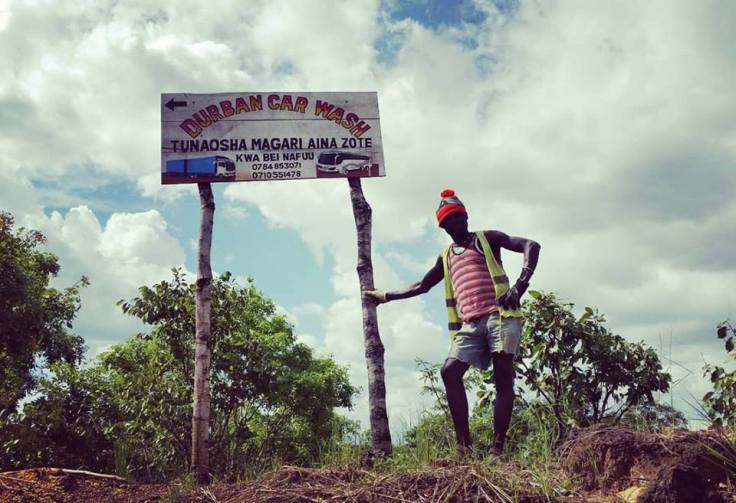
Anything else to add, please do?
I really want to thank all the people who have helped me with this cause during the journey so far, your funds and kindness have been greatly appreciated. I just realised the smaller things are so important. Just be nice, it really does go a long way. I always think of how I can help others. I meet so many people that it would be impossible to help everyone. But in a subtle way, we can all help each other just by respecting each other and giving each other the time of day. “Love is a state of being” – Eckhart Tolle.
Keegan is currently in Arusha, Tanzania at the Society for the Protection of Animals (ASPA) volunteering at an animal protection unit specialising with donkeys. Keegan has been traveling for just over a year, with his last destination being Morocco.
IMAGES BY – KEEGAN HORN
 Aweh Online