Words and images by The Mystic Wanderer
This article was originally written roughly 4 years ago, some of the information regarding trips to Alcatraz Island might have changed.
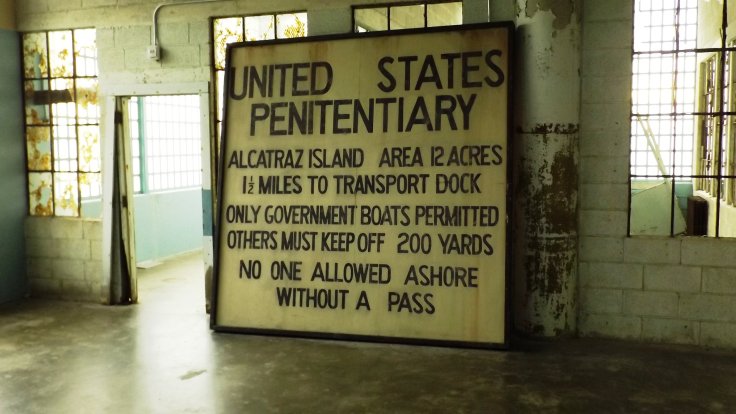
The iron bars slam shut ringing out in devastating unison. Cold drafts from the Pacific Ocean haunt the hallways. It’s almost as if the bricks have turned into the ghosts of people who had been incarcerated in its walls. It’s an eerie place, an island once used for imprisoning some of America’s most notorious criminals and also a major tourist attraction for the Northern Californian city of San Francisco. It’s Alcatraz, nicknamed The Rock, and for decades writers, actors and filmmakers have been capturing this brutal side of American history.
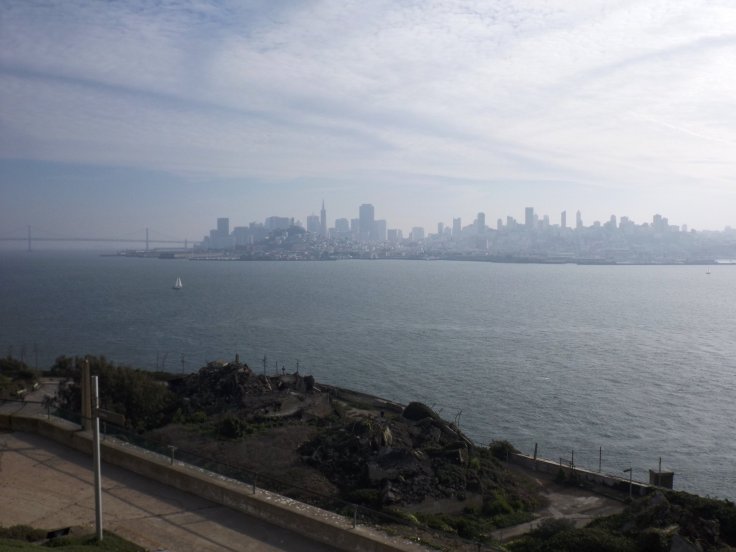
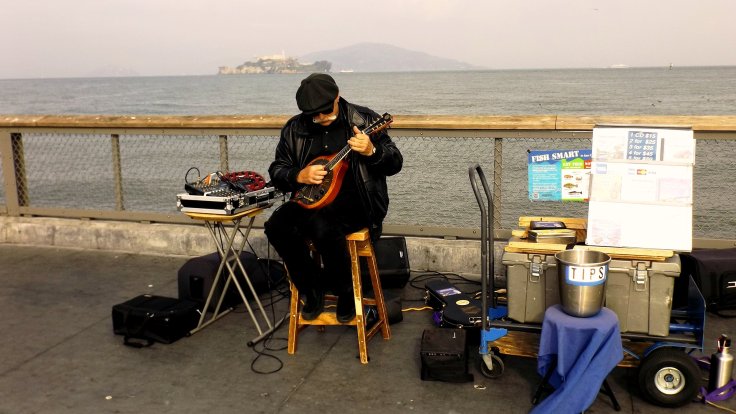
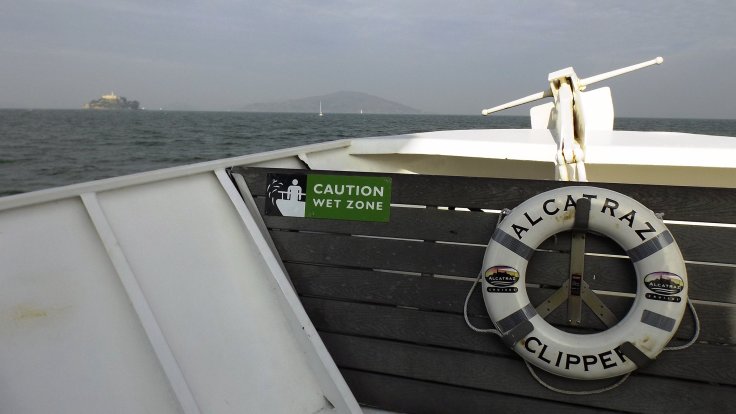
The cruise ship leaves from the famous and iconic Fisherman’s Wharf every 30 minutes or so and its 30 dollars to board which includes the ride there and your day on The Rock. I bought the tickets online and paid almost 20 dollars extra. So if you’re going to be in San Francisco a while look into getting the tickets from the Wharf instead of buying them online.

Alcatraz Island is now a national park. Once on the island, a park ranger gives everyone a superficially warm welcome and short presentation on safety, security and respecting the space. In 1964 after the area was declared government surplus land, there was an occupation by First Nation Americans, mainly students. Other sectors of the public were also in support of the indigenous population occupying the island, including the hippy movement of the bay area. The occupation seemed to gain traction, but with that traction, there were also other issues. More people decided to venture onto the island and join the protest. Eventually, Richard Oaks one of the original occupiers’ stepchildren, 13-year-old Yvonne Oaks, fell off the rocks on the island and to an untimely passing. This was regarded as one the catalysts in the island being turned into a national park and the tourist attraction it is today. Main objectives of the occupation included using the island to promote indigenous American culture including the implementation of a library and ecology centre, with its goal to employ indigenous Americans and preserve and acknowledge their culture. The island was occupied for somewhere around 19 months and was eventually ended by the police; it was believed to be a peaceful departure for the occupiers. It’s a little peculiar that this crucial part of Alcatraz’s history is given so little importance in the overall tour.
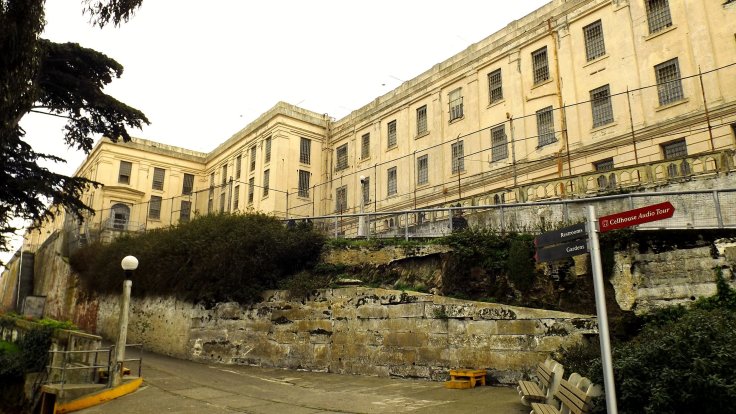
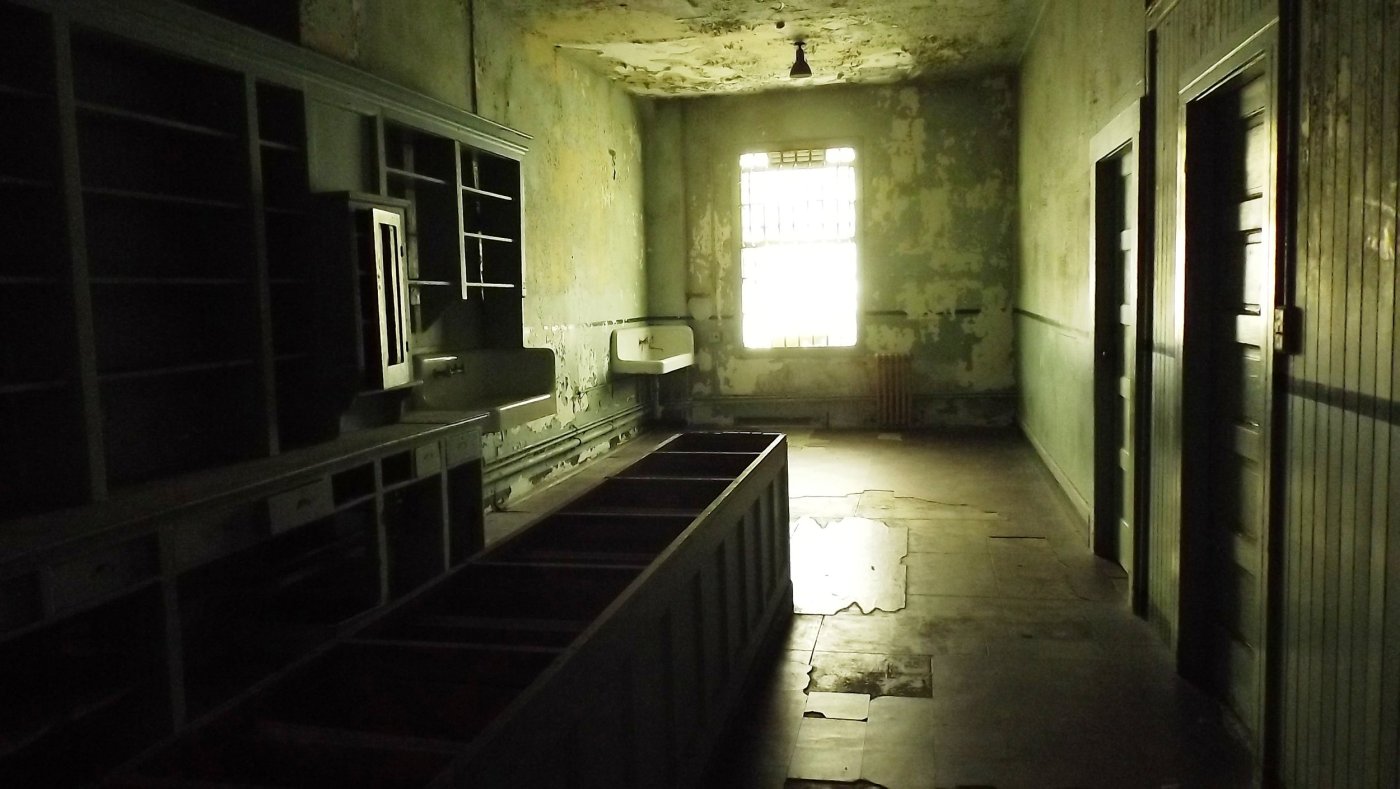
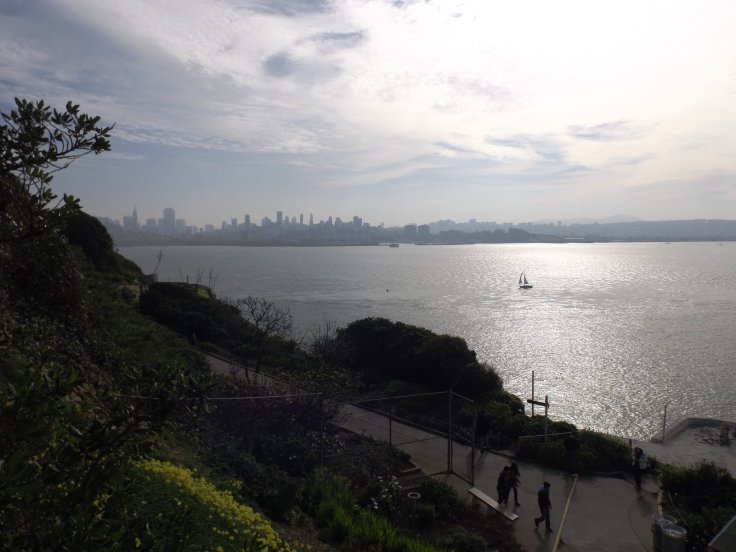
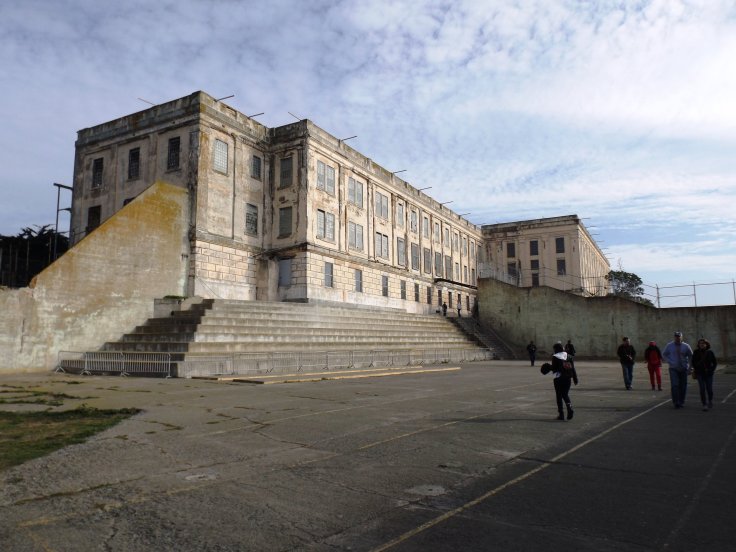
After the short tour it was time to explore the oppressive corridors, and cells where so many people spent their waking years behind bars. They have a full audio tour in the main cell block, with dialogue and narrative from old inmates and prison guards. The whole experience reeks of Hollywood. The emotion behind the escapade succeeded in creating moods of wretchedness. The breathtaking views coupled with the enduring, brutal and sombre narration left one with a feeling of hopelessness. Which was purposely packaged in gloominess, desolation, and longing? I suppose that’s exactly what they wanted to achieve and the sentimentality worked at least on me. Hollywood brouhaha aside, Alcatraz is a place that can’t be ignored when delving into the darker aspects of American history.

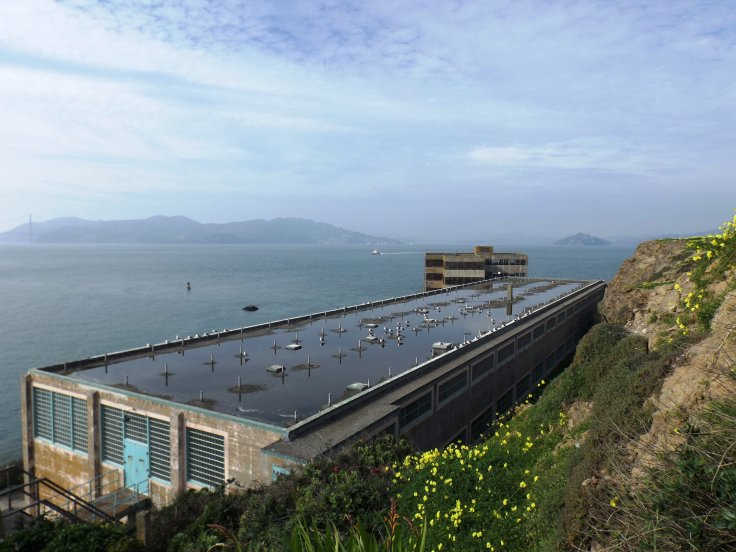
It also showed the exact location and handmade mannequins of the three only prisoners to ever have successfully escaped from Alcatraz. It is still a mystery as to what exactly happened to those three prisoners and there is uncertainty whether they made it to the mainland of San Francisco, or drowned in the attempt to get there. The Pacific Ocean isn’t exactly toasty and their hand made raft could have possibly been riddled with holes, submerging the escapees before they managed to reach the mainland. However, this is merely speculation and the 3 could have very well made a daring escape and survived to tell the tale. I guess all we can do is use a little bit of imagination merged with fact when it comes to drawing conclusions on this matter. This still hasn’t stopped Clarence Anglin, John Anglin and Frank Morris from capturing Hollywood’s imagination in the 1979 film Escape from Alcatraz, starring Clint Eastwood as the leading role. Nevertheless, some historians believe the true mastermind of the escape was Allen West, who was considered to have conceived the entire plan but was unable to leave on the night of the escape due to his exit hole in his cell not being large enough for him to get through. He did eventually manage to leave yet the others had already left on the makeshift raft. The following day, remnants of the raft were found on the shores of Angel Island near San Francisco, this has led many to believe that the three escapees died from hypothermia instead of making it out of the frosty waters alive.

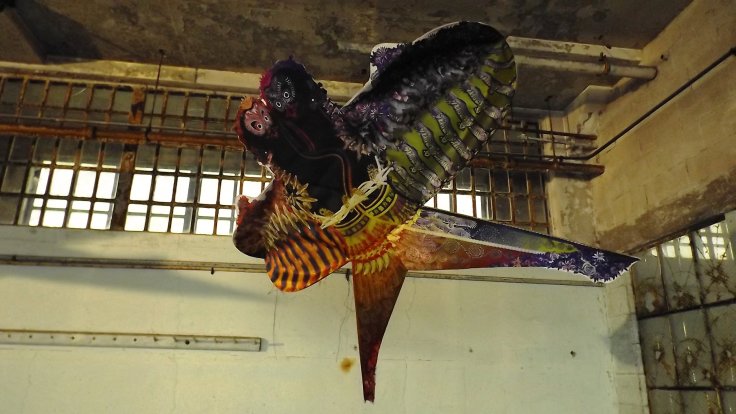
Alcatraz hosts art exhibitions and their work on display during my visit was by Ai Weiwei an artist from China, who lived in the United States from 1981 to 1993. Ironically during his time in America he became friends with Allen Ginsberg, a famous American Beat poet who spent time in the Bay area of San Francisco. Ai Weiwei’s father was also a prolific poet. In 2011, Weiwei was arrested at the Beijing Capital International Airport. He was later charged with tax evasion. Other charges were laid, claiming that Weiwei was involved in spreading pornography. He was soon put under house arrest. Although he is allowed to leave Beijing, he is still unable to travel outside of China. It is widely considered that all his misfortune with the law is due to his outspoken opinions on the Chinese government and their policies towards democracy and human rights abuse. The exhibition is presented in various locations on Alcatraz Island; some whereabouts have never been seen before by the public. One of my favourite Installations included the compilation of various audio samples from protest songs, chants, and sounds from all over the world. They are played back by tiny speakers in certain empty sells, and these particular sounds were created in the hope of conjuring emotive and desolate feelings about being incarcerated and the urgency behind revolution and solidarity. On display, there were giant murals made from Lego of various prominent political prisoners from both past and present including the obvious Nelson Mandela and Aung San Suu Kyi of Myanmar the latter was under house arrest for her candid political activism against the military regime of the infamous South East Asian country.
Visitors to the island also had the opportunity to write to various political prisoners who are locked up to this day because of their challenging political beliefs.

The murky clouds start to rise over the bay as the boat makes its way back to the mainland. Hordes of people are still waiting to board the next ferry. The isolation kicks in and no one really utters any words of optimism. Thoughts of incarceration fill the patron’s minds and no one is left with the sentiment that they will be returning anytime soon, no one is left with any kind of hope or joy. Only the whispers of the ghosts of Alcatraz utter any significant condolences as misery always loves company. Only the dead find any joy when people from all around the world come to visit them. Alcatraz Island is keeping their stories alive.
 Aweh Online