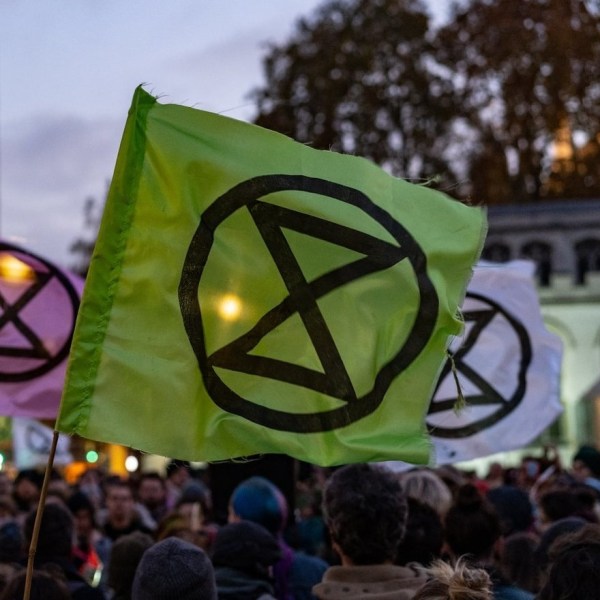
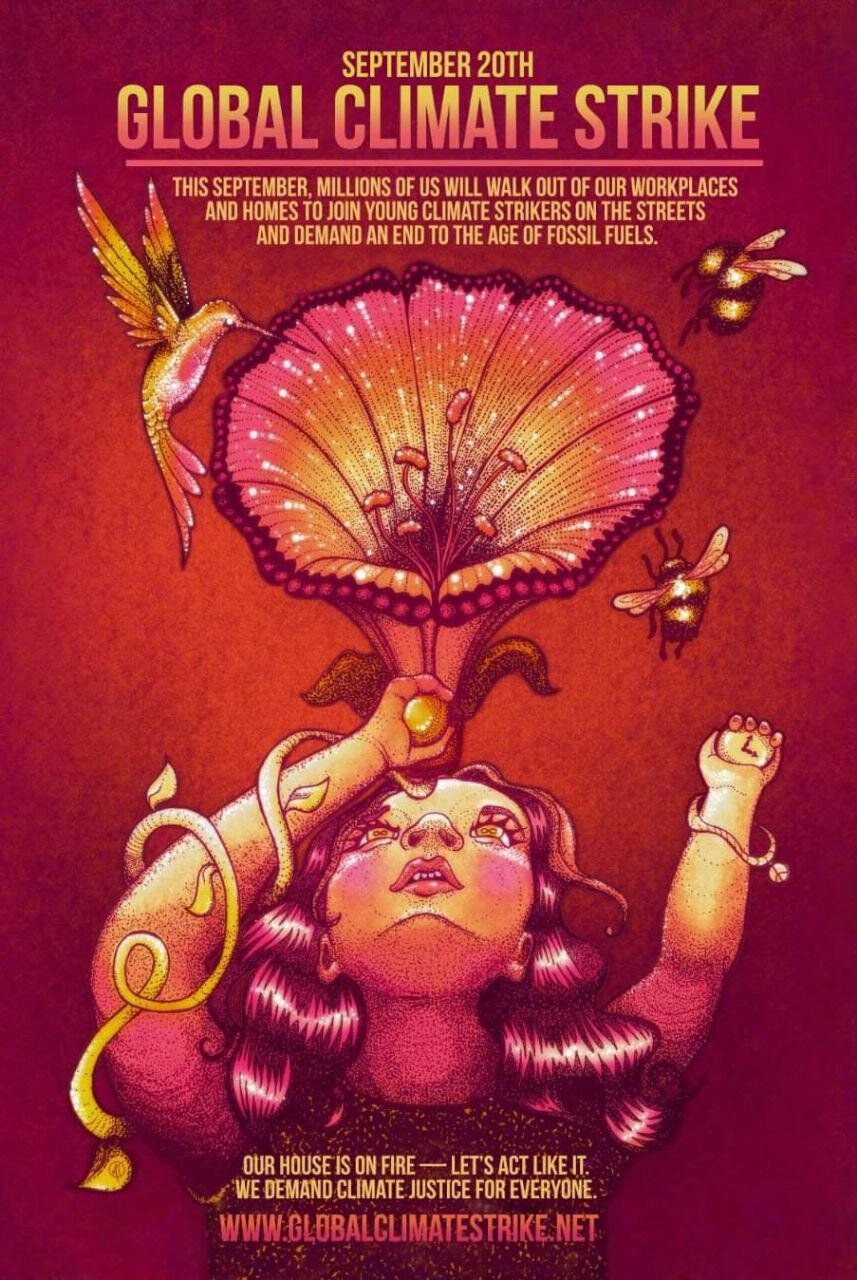
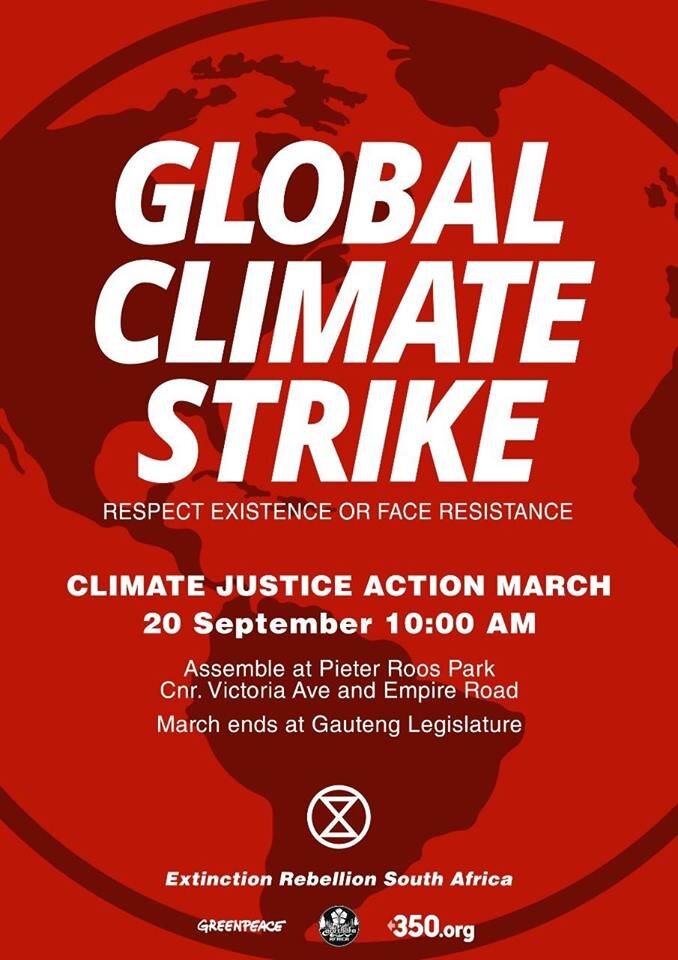
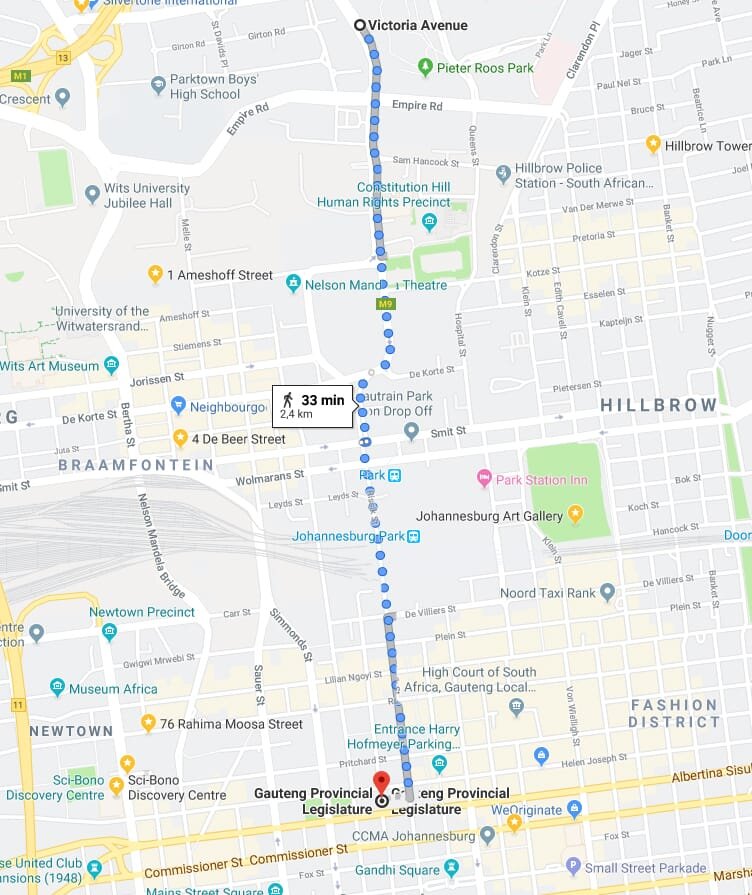
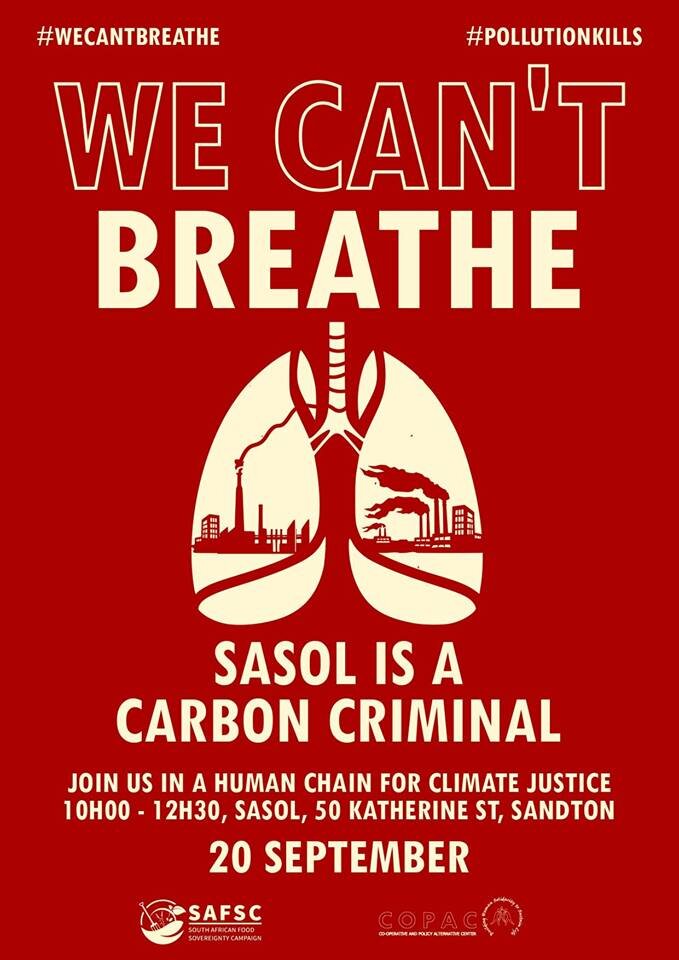
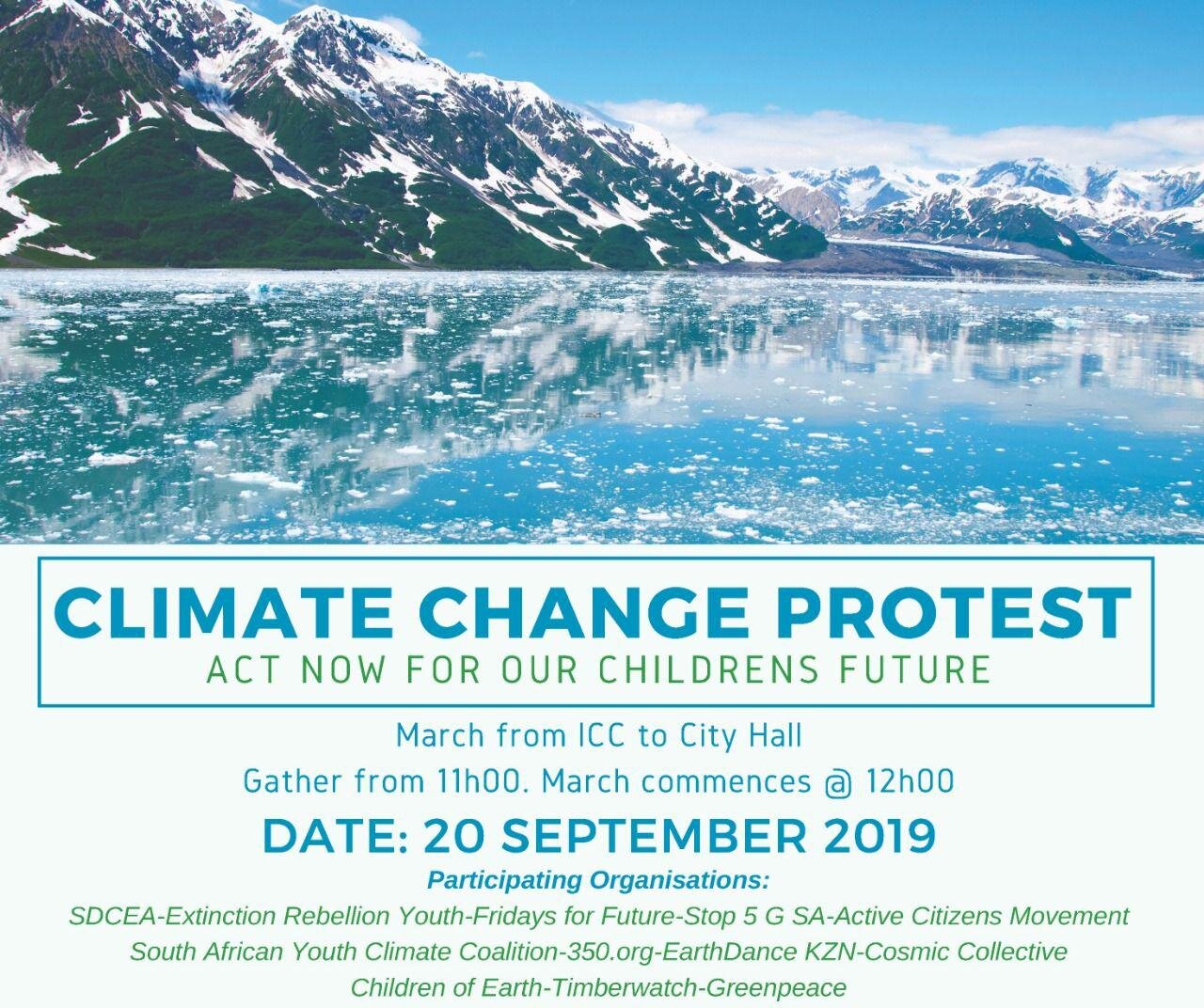
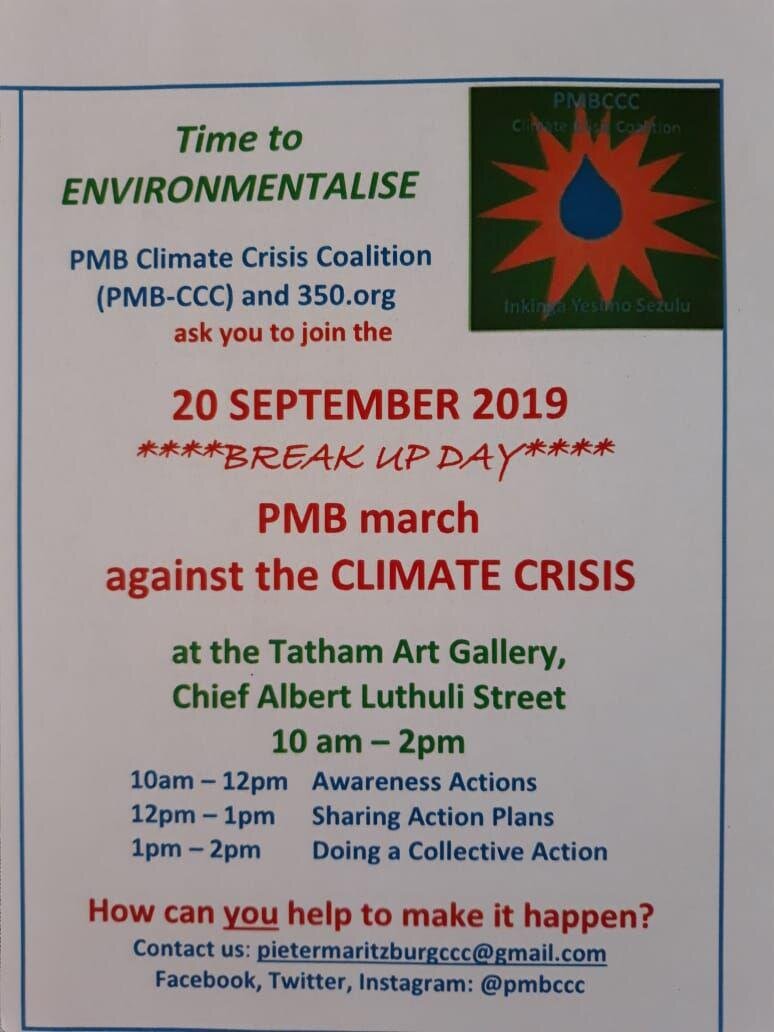
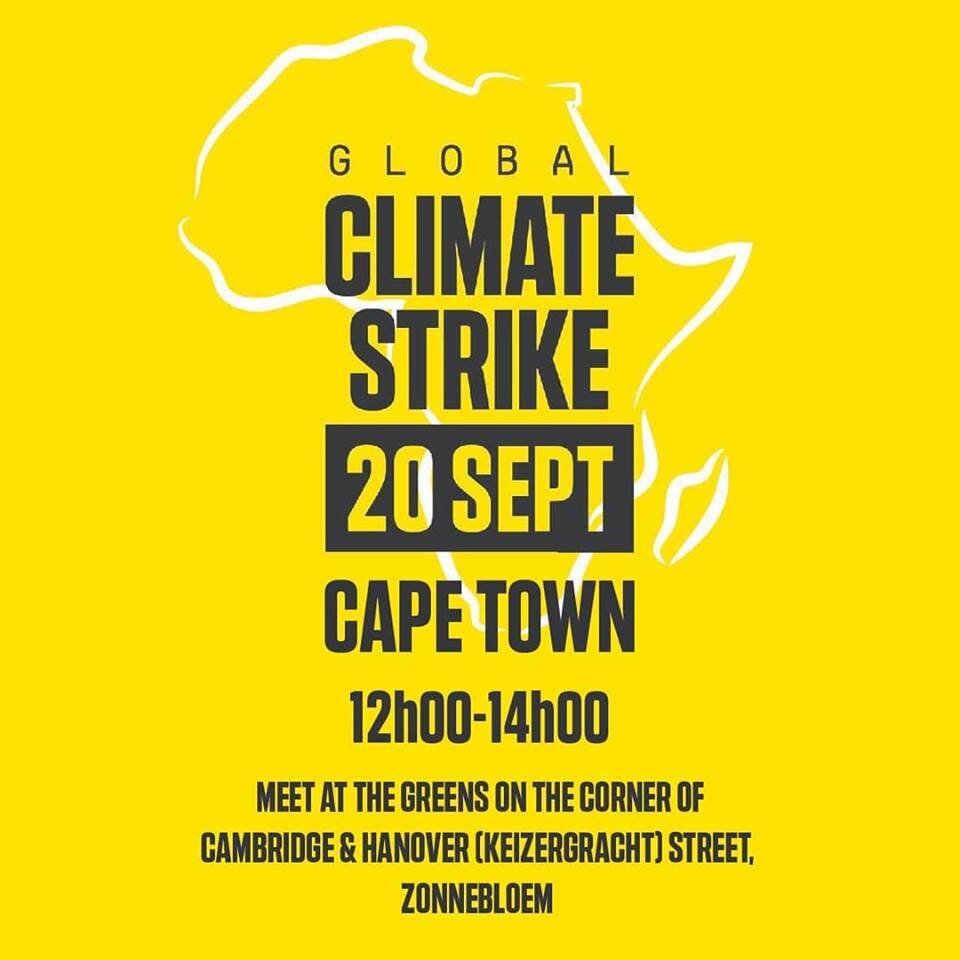
The climate crisis is an emergency and South Africa’s trade unions have agreed. On September 20 and 21, South Africa joins the Global Climate Strike, with a multitude of events around the land. Even as the leaders of the world meet in New York for the Climate Action Summit, South Africa is one of the major countries (including Japan, Brazil and the U.S.) not allowed to speak at this event. It makes this weekends’ manifestations even more important. Find here a few of the major events we could find, for more events, please see the Climate Strike map
Tshwane/Pretoria
Visit the Facebook event
Gauteng
Visit the Facebook eventVisit the Facebook event
Durban/Pietermaritzburg
Saturday 21 XR Youth Durban
Visit the Facebook event
Cape Town
Visit the Facebook event
There are also events listed on the //globalclimatestrike.net/ website for Jozini, Howick, Newcastle, Nelspruit, Port Elizabeth,Rustenburg, Ekurhuleni and more.
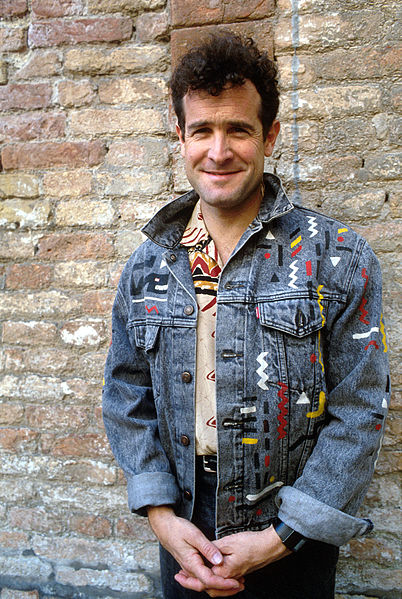
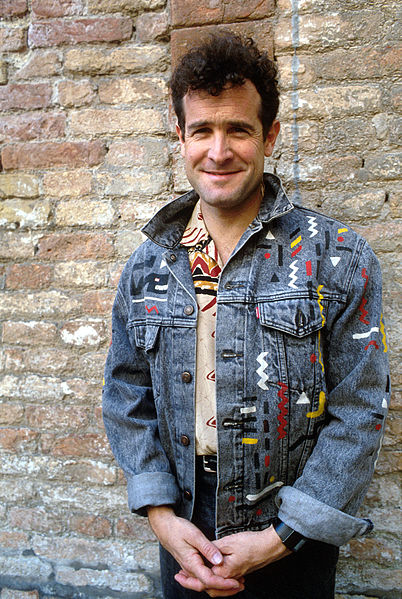
This image was originally posted to Flickr by evilcabeza at https://www.flickr.com/photos/evilcabeza/325005242/ . It was reviewed on 17 January 2007 by FlickreviewR and was confirmed to be licensed under the terms of the cc-by-sa-2.0.
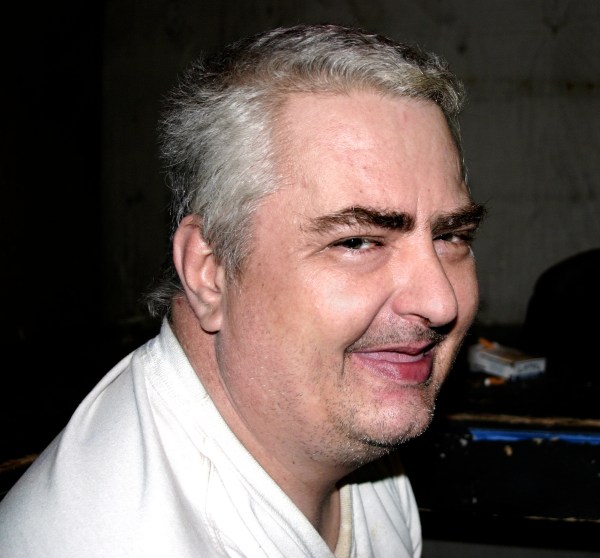
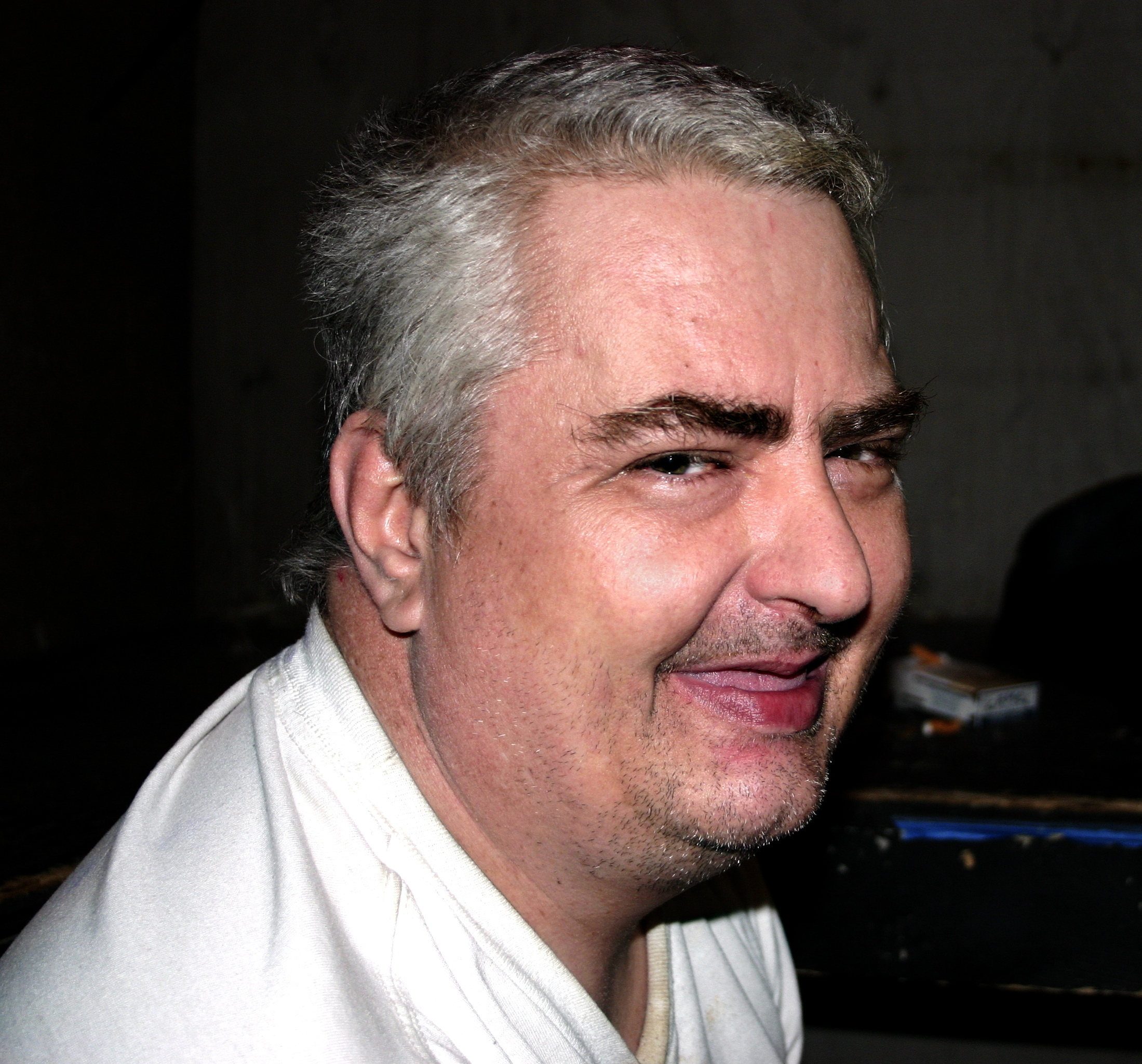
Cult singer/songwriter and visual artist Daniel Johnston, passed away on September 11th. The praised visionary, reinvented the folk music genre with his eccentric approach to performing and songwriting, paving the way for a legion of oddball musicians. His work has inspired countless other misfits including, Kurt Cobain, Tom Waits and Beck. Johnston lived an interesting yet tragic life as depicted in the critically acclaimed documentary The Devil and Daniel Johnston. Below we pay homage to this pivotal artist with a playlist of some of his material, and the 2015 short film, Hi, How Are You Daniel Johnston?
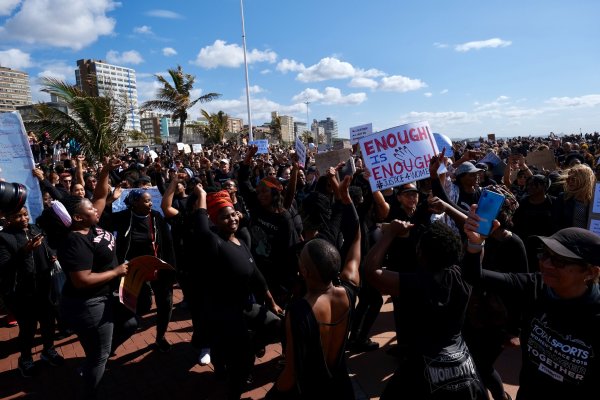
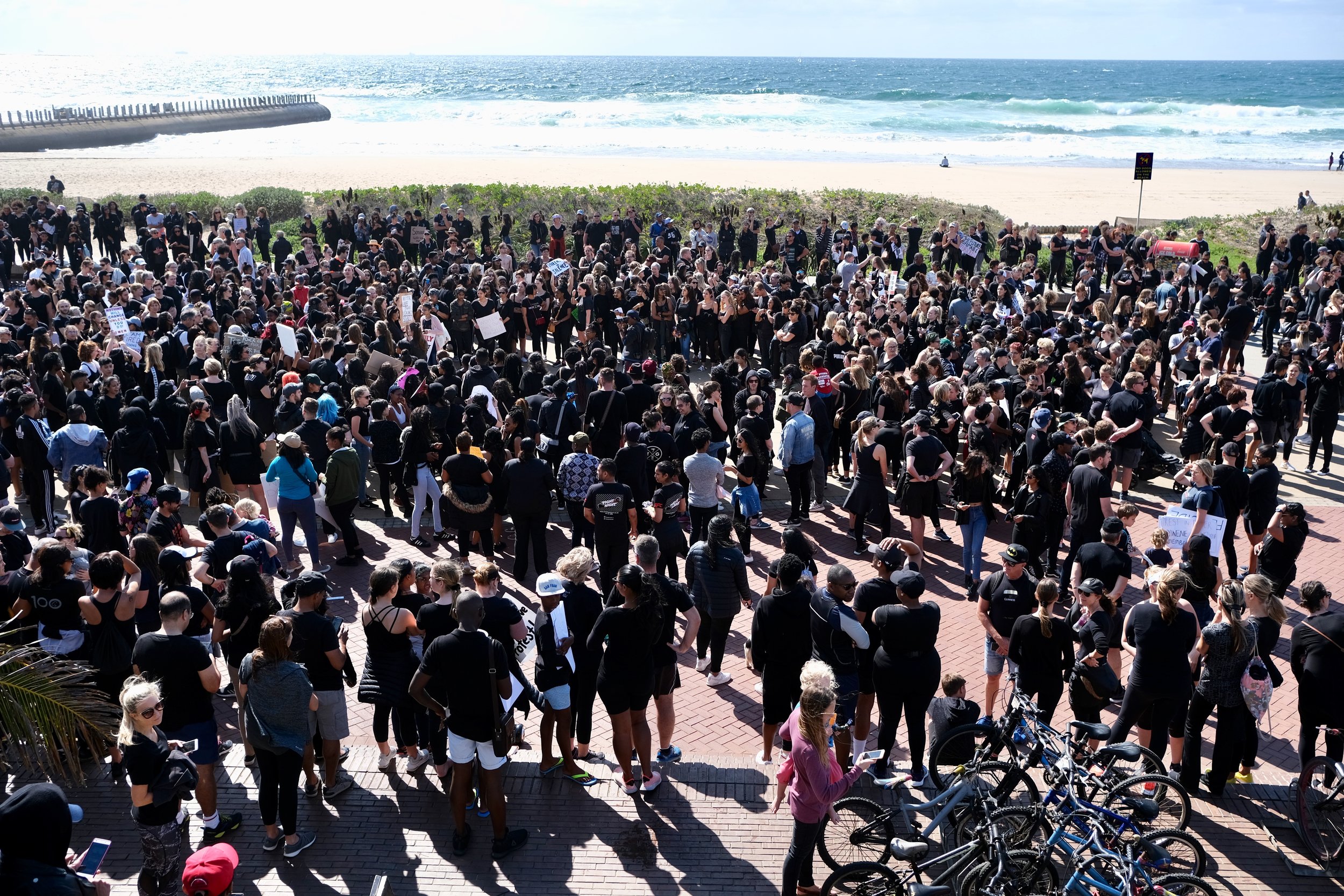
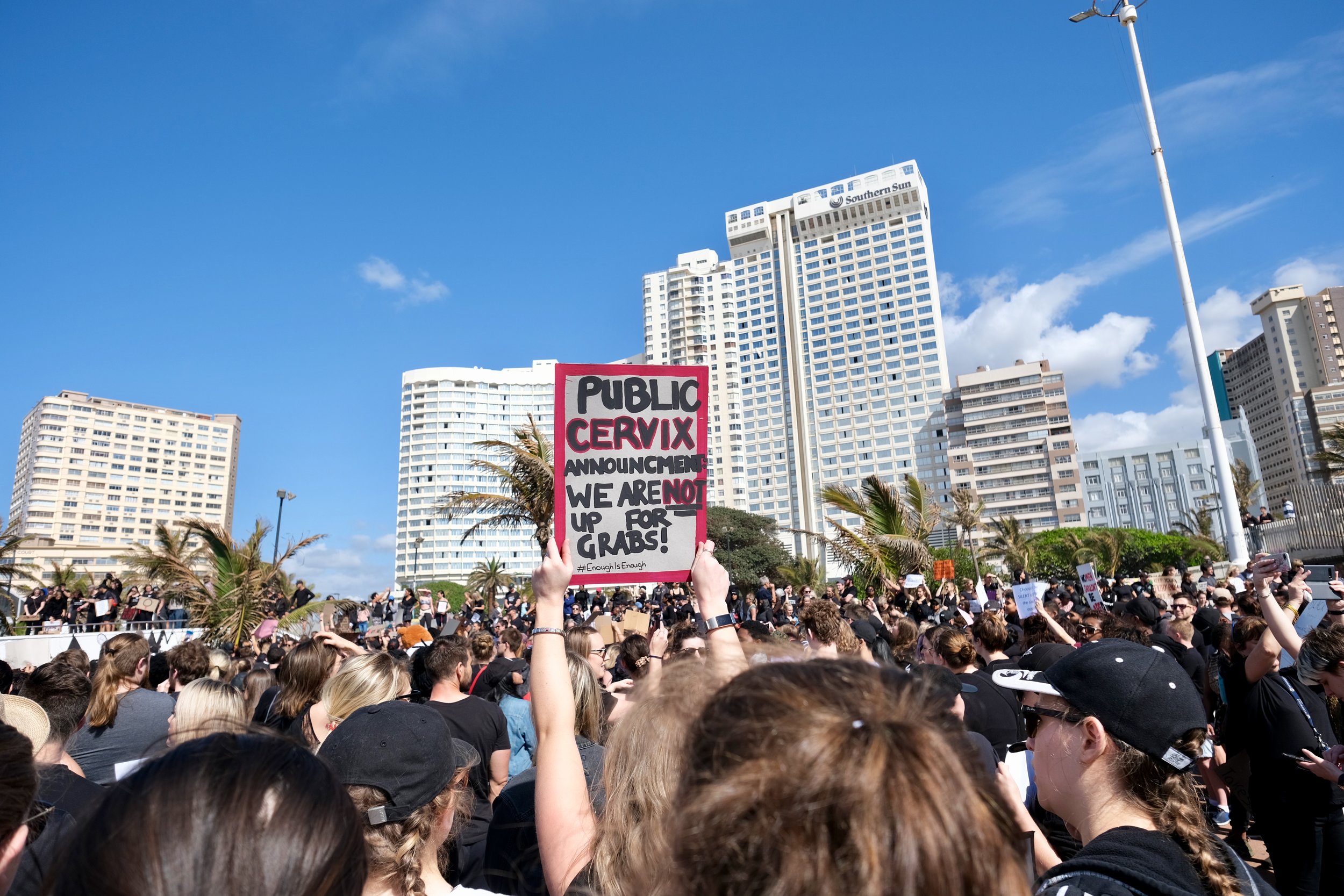
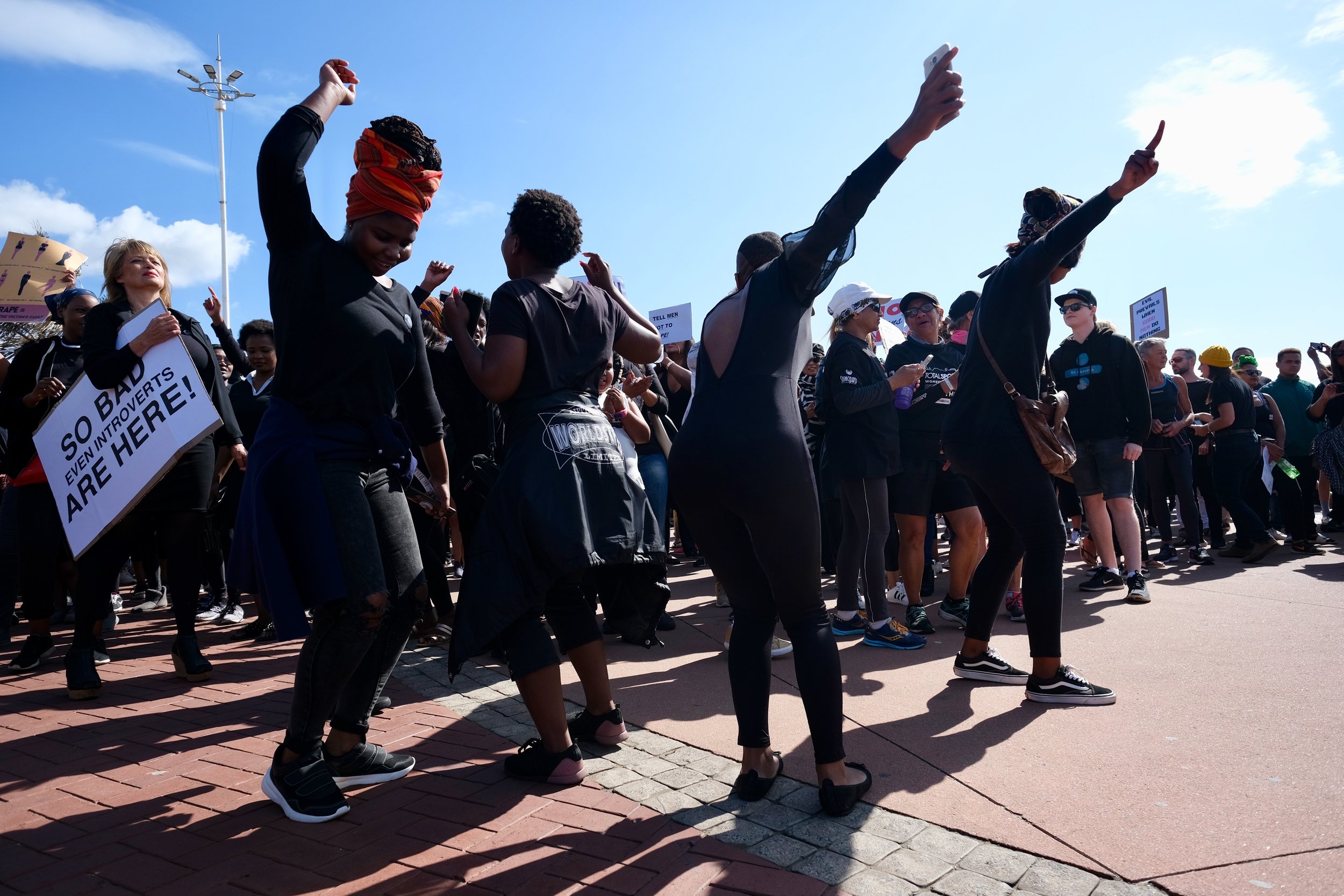
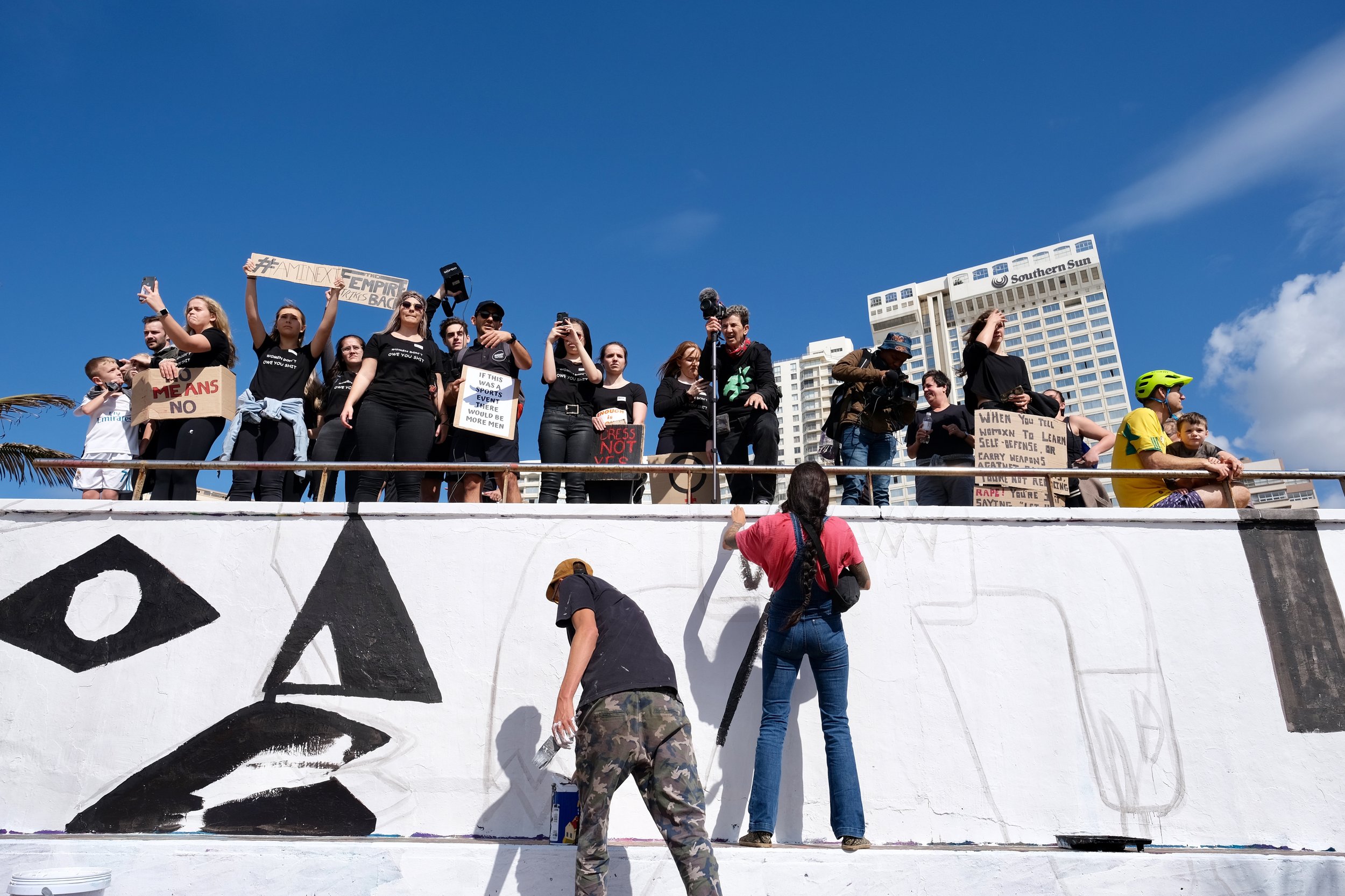
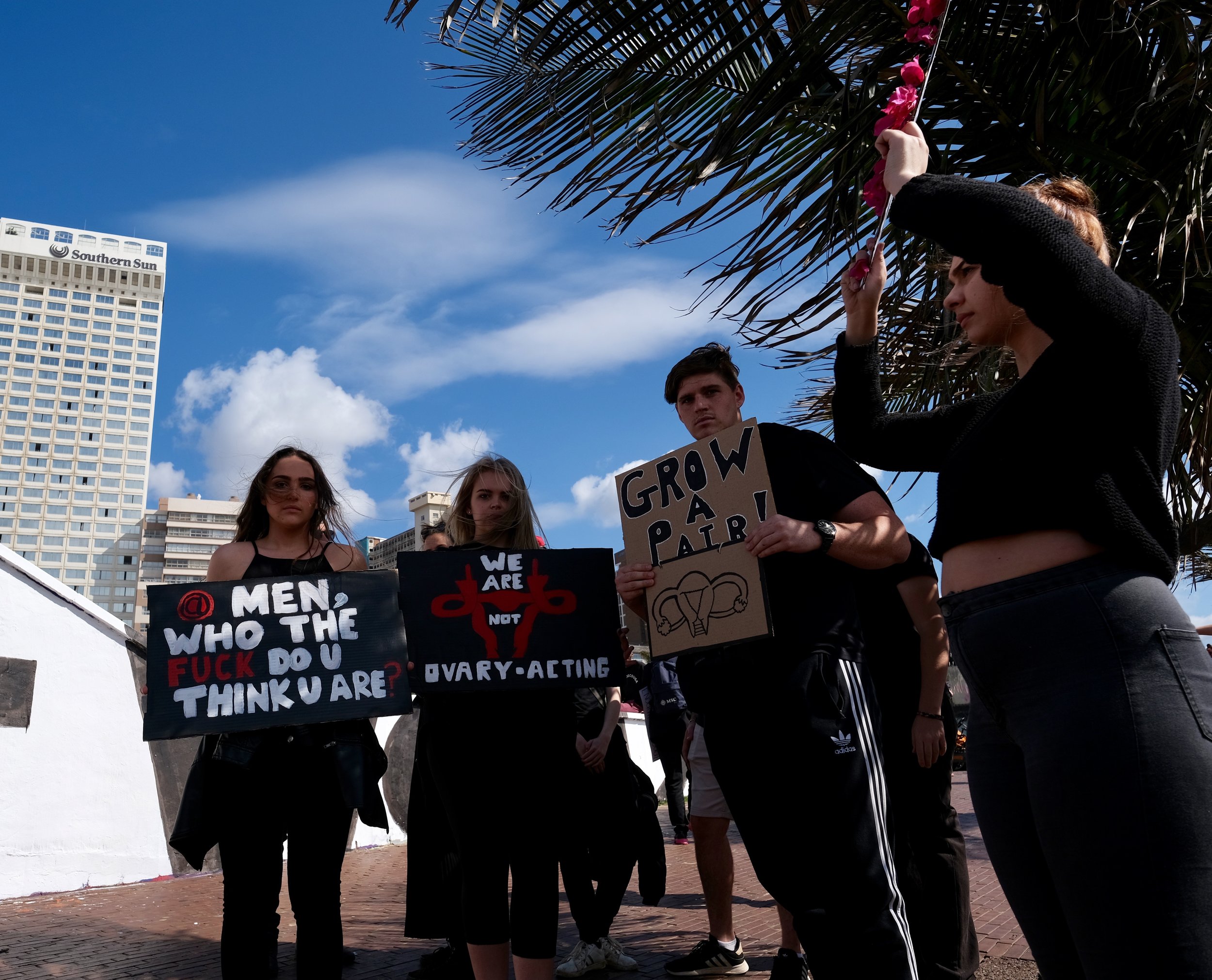
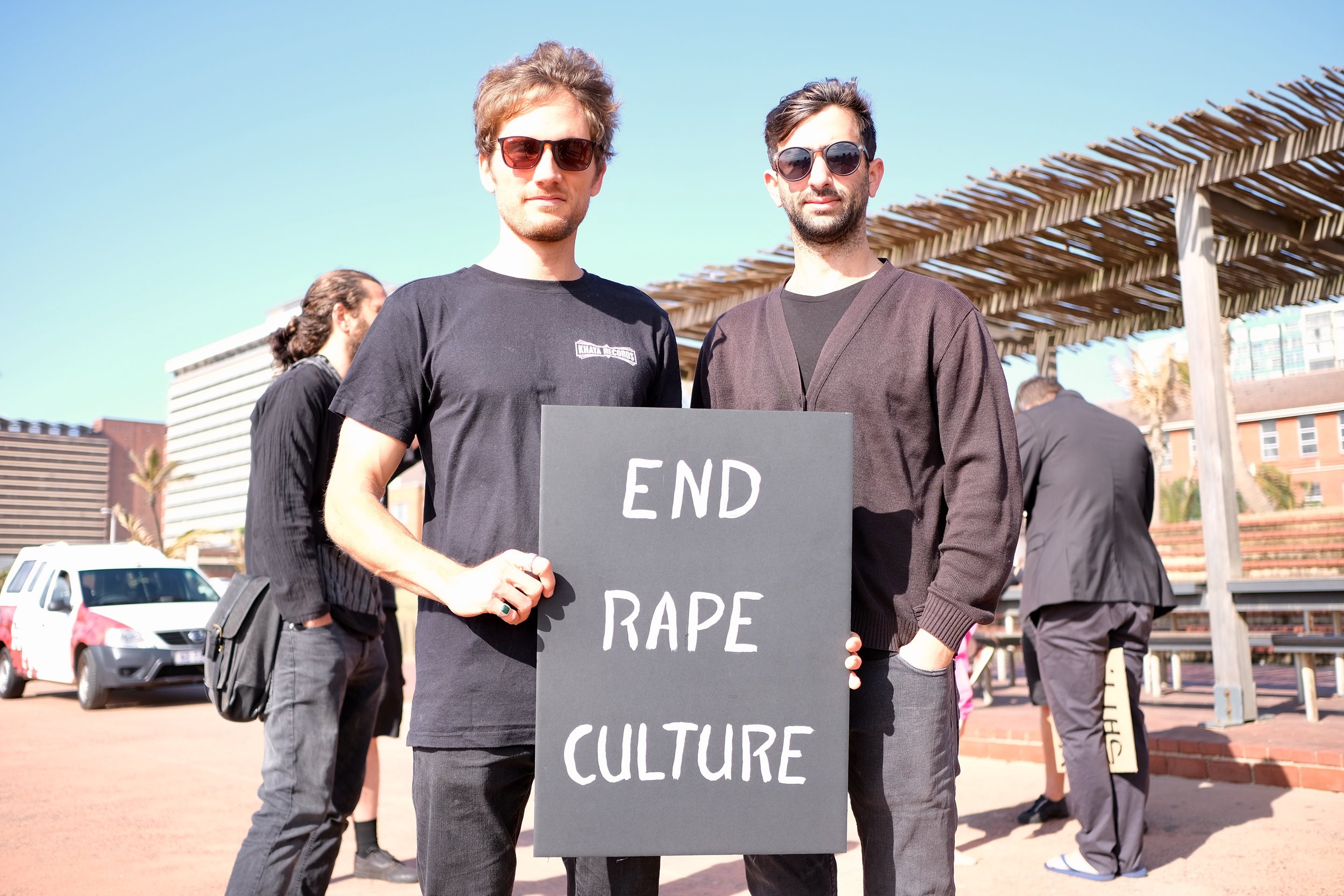
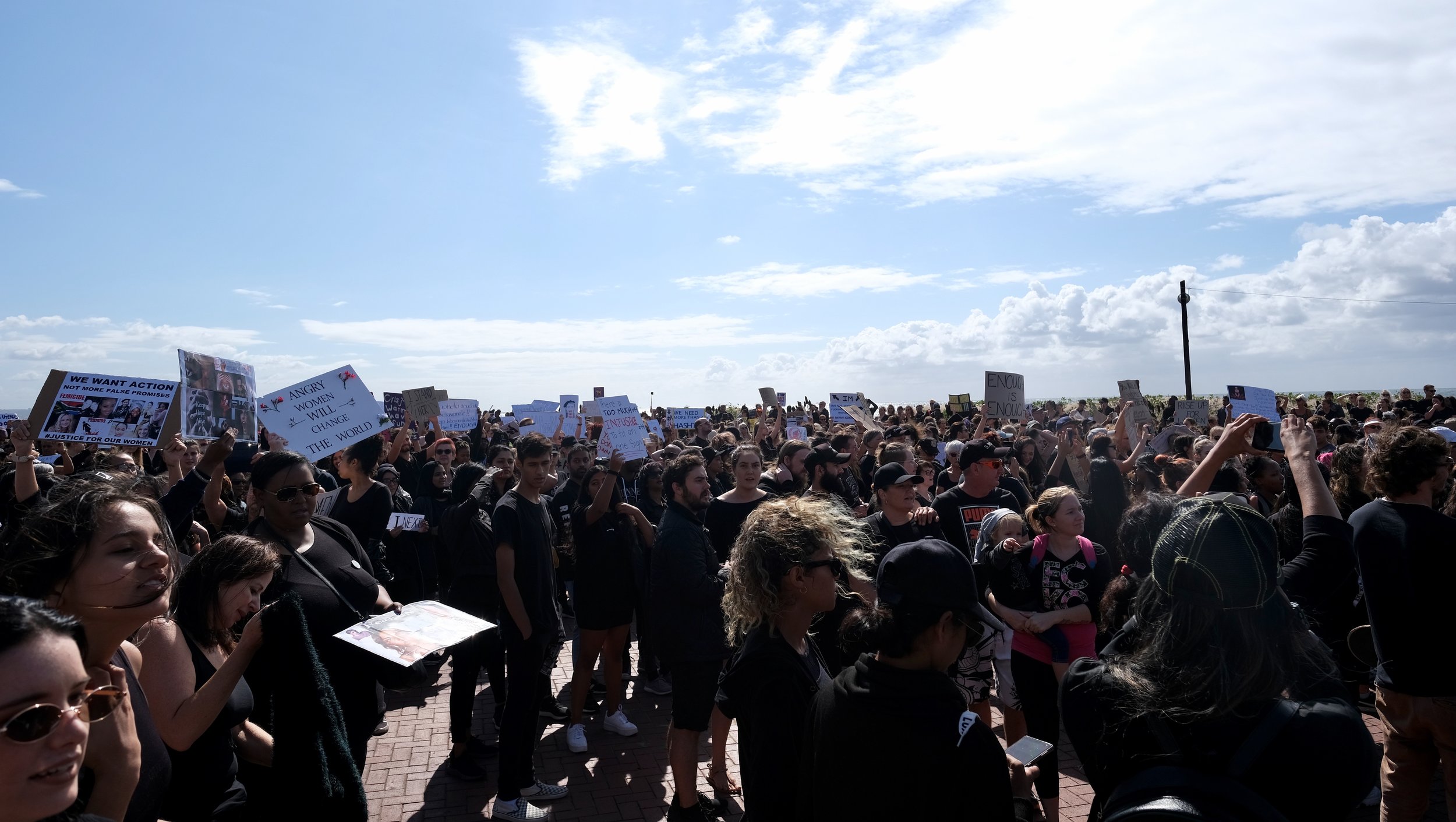
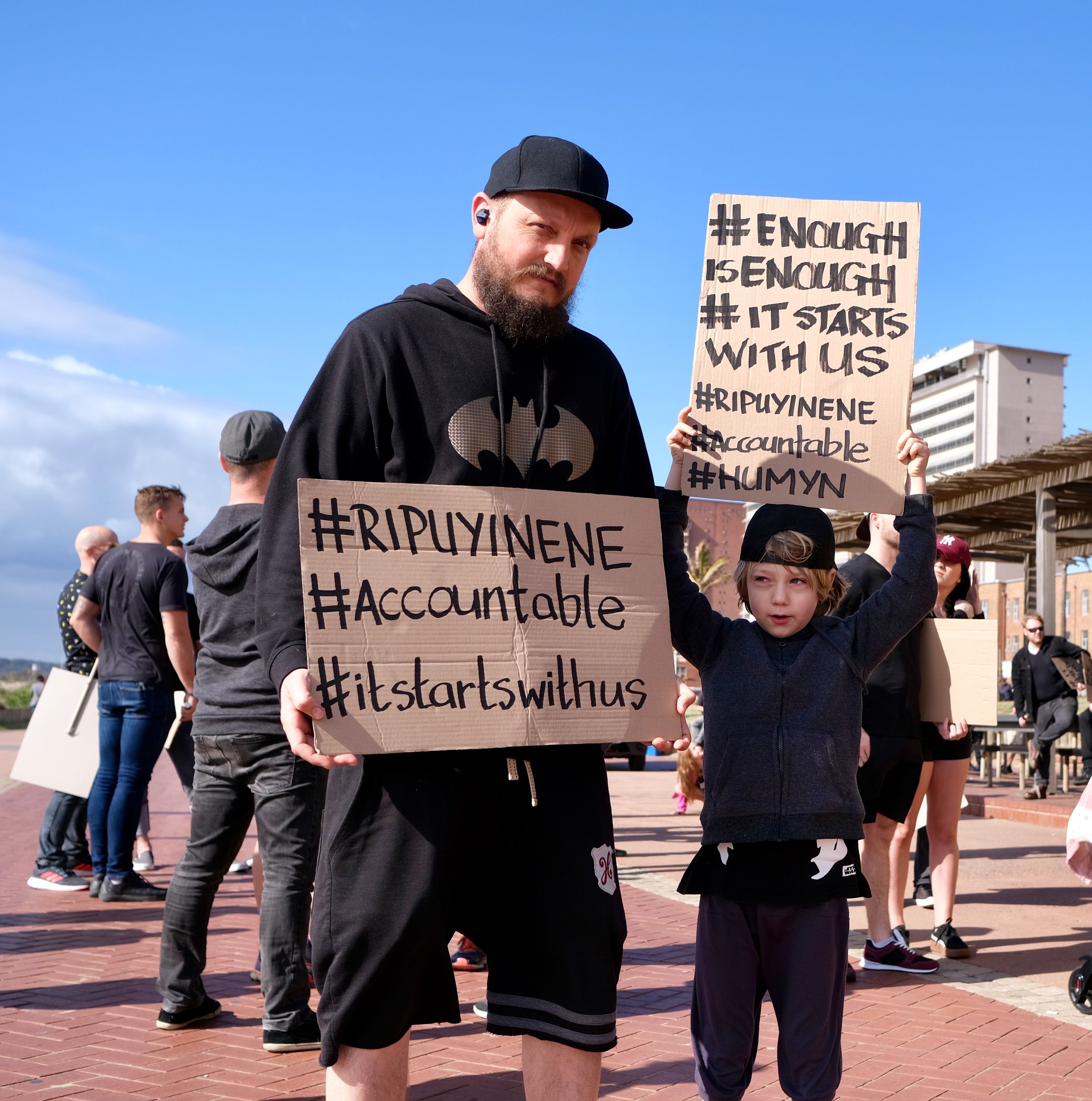
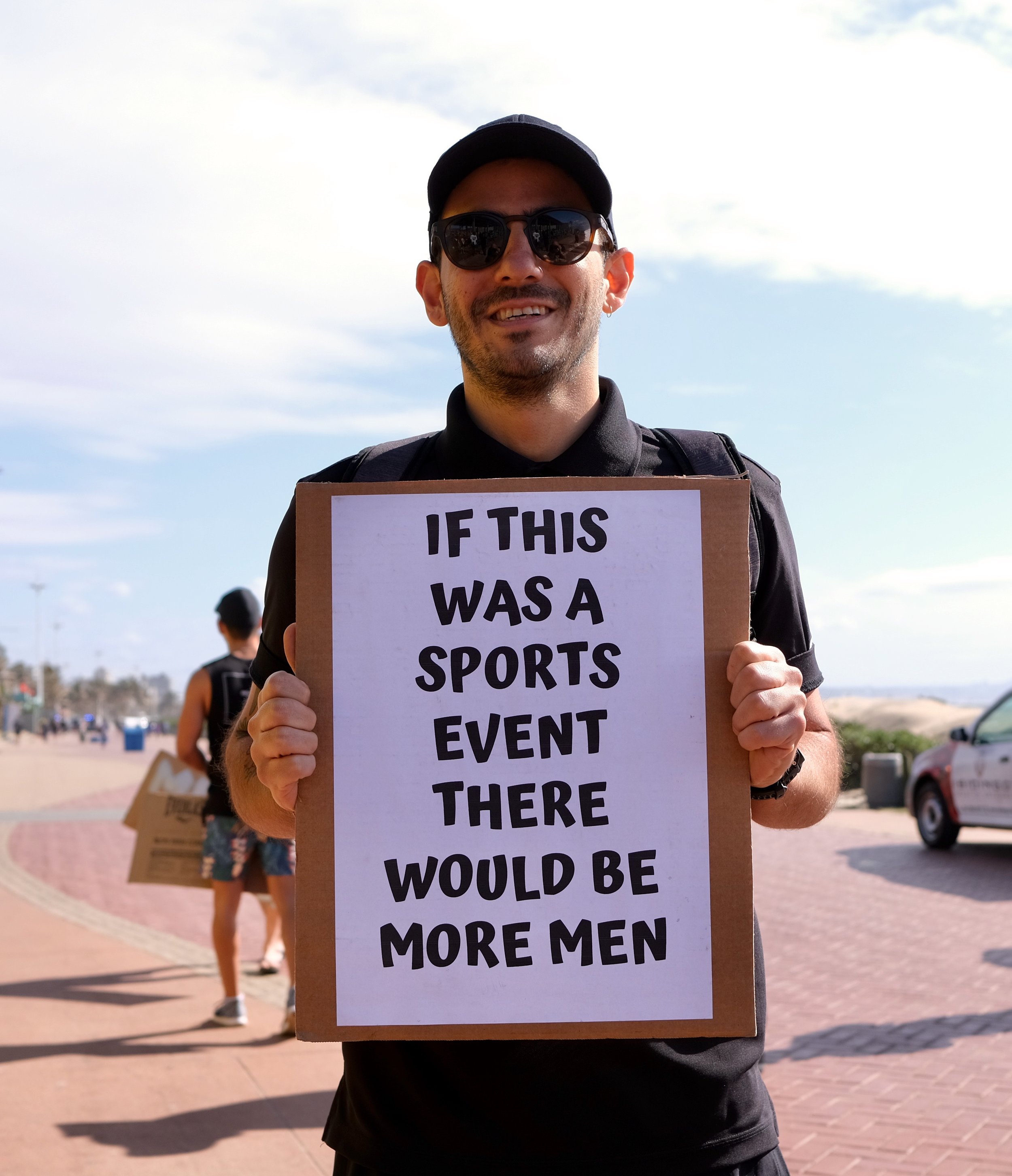
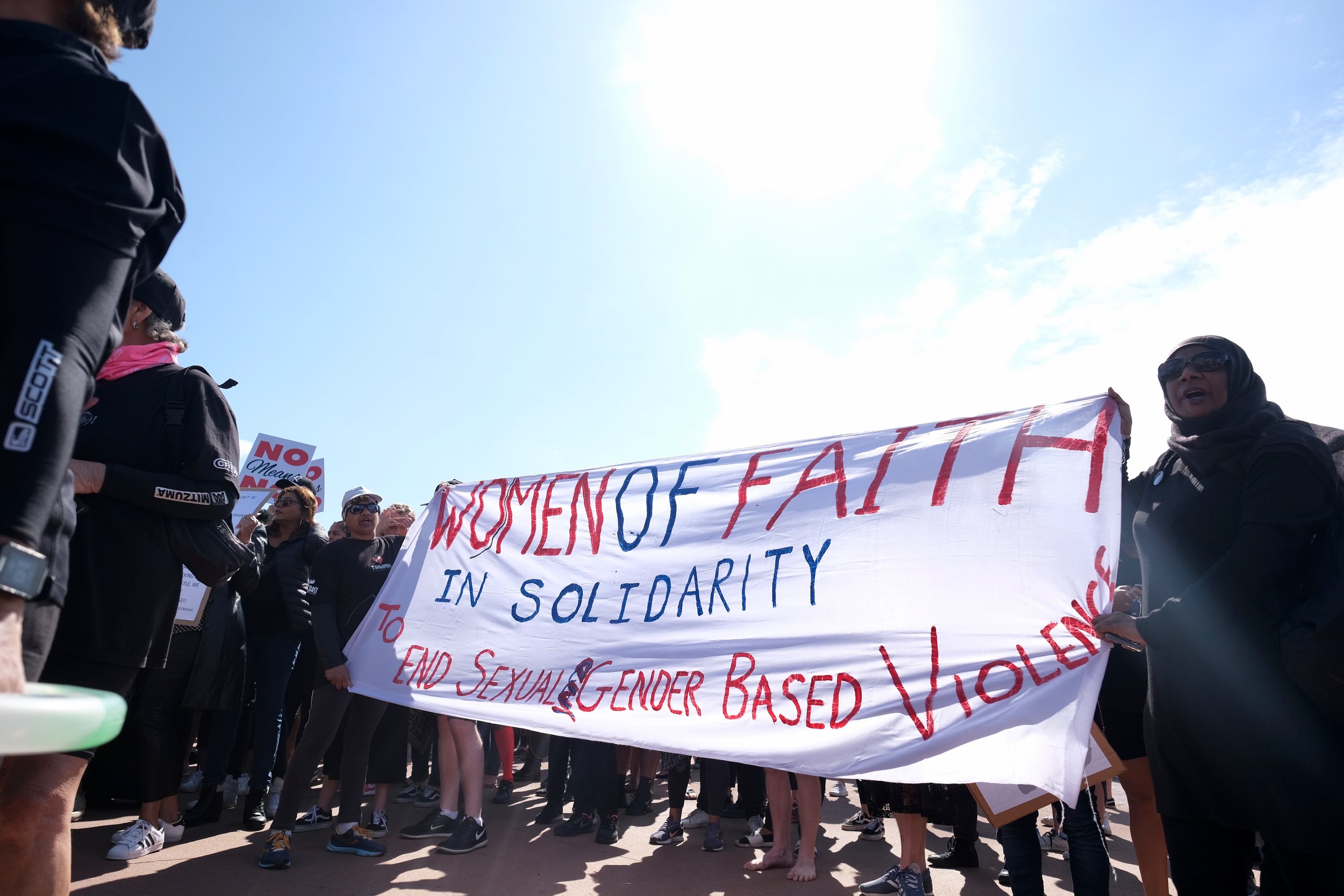
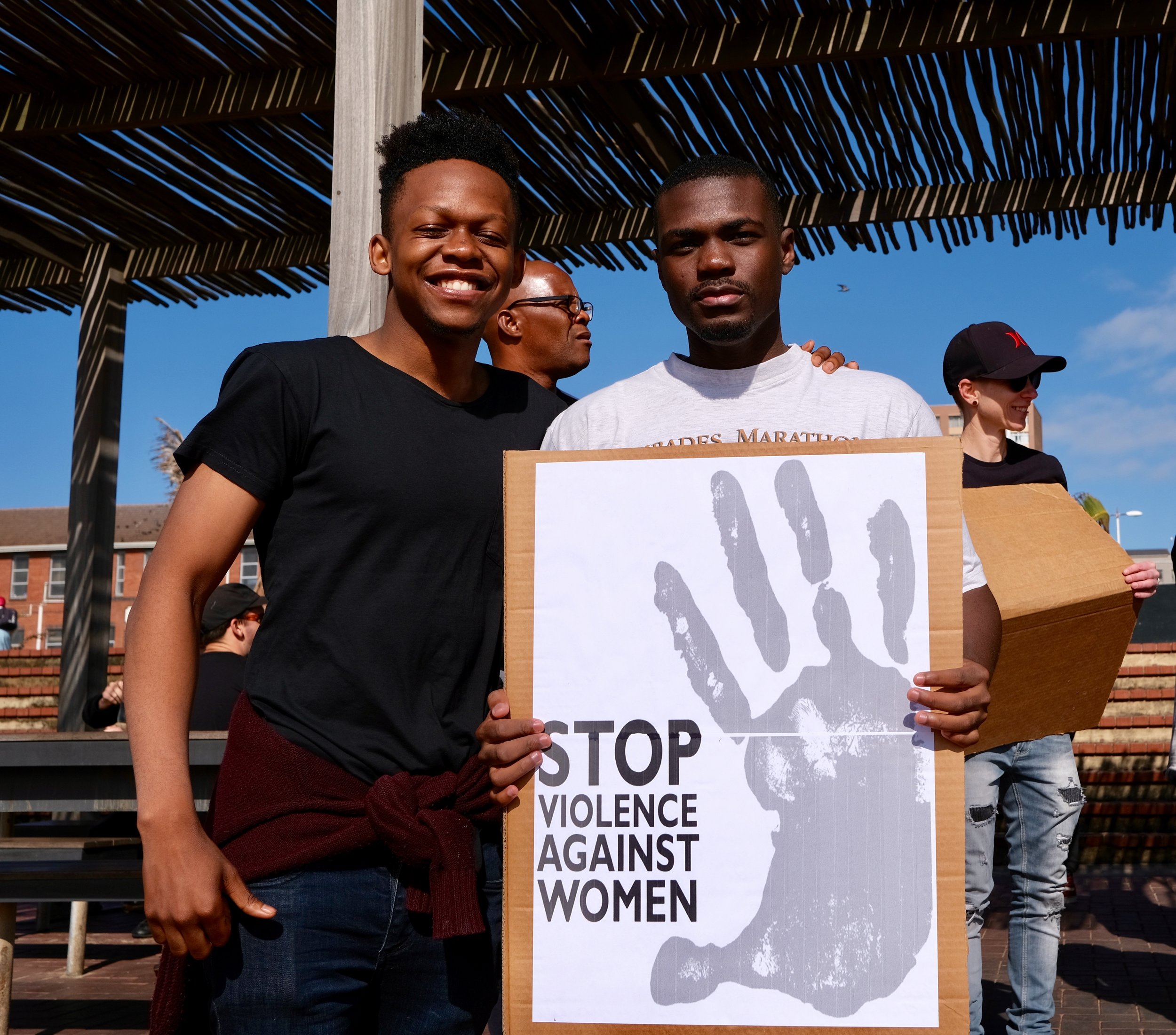
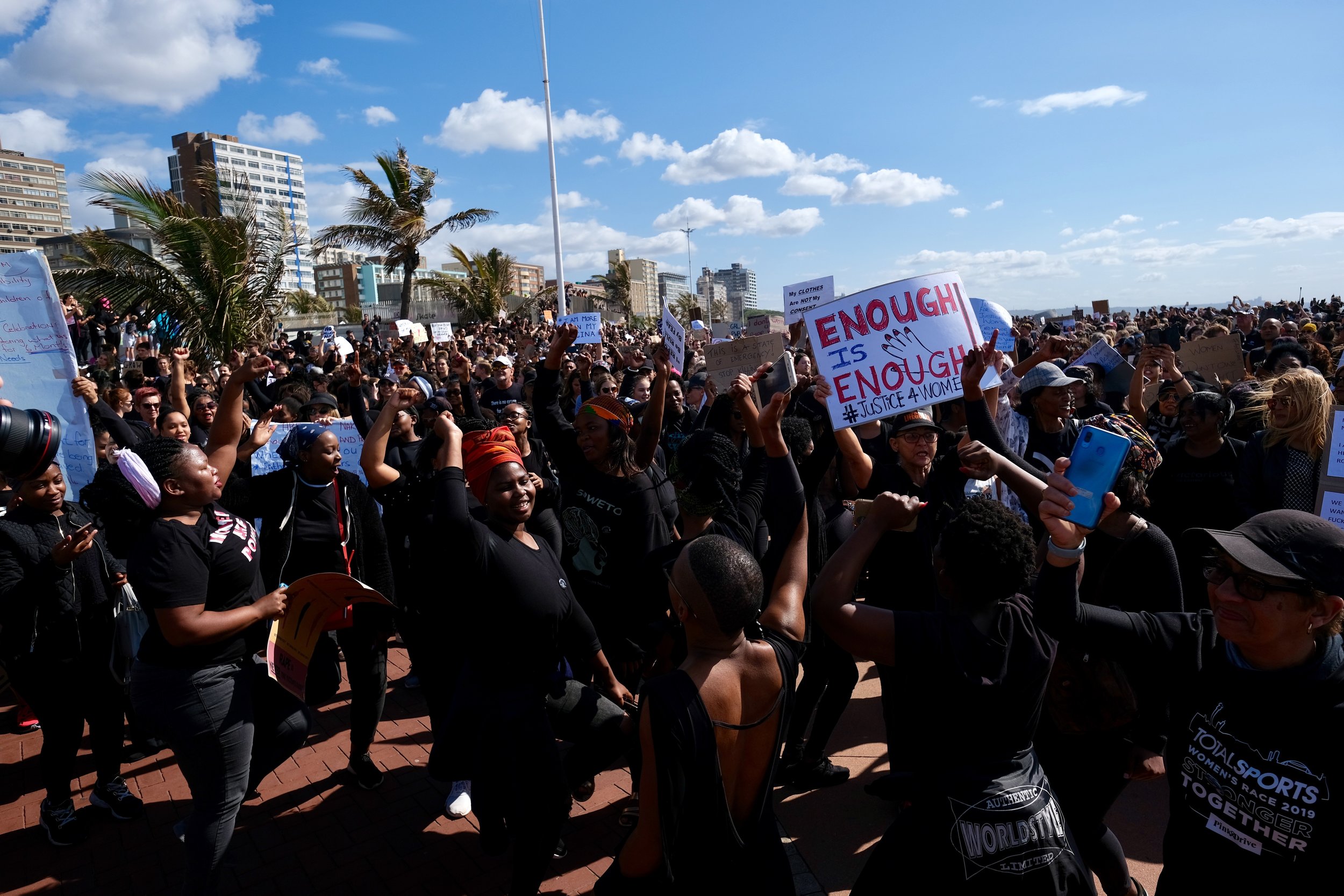
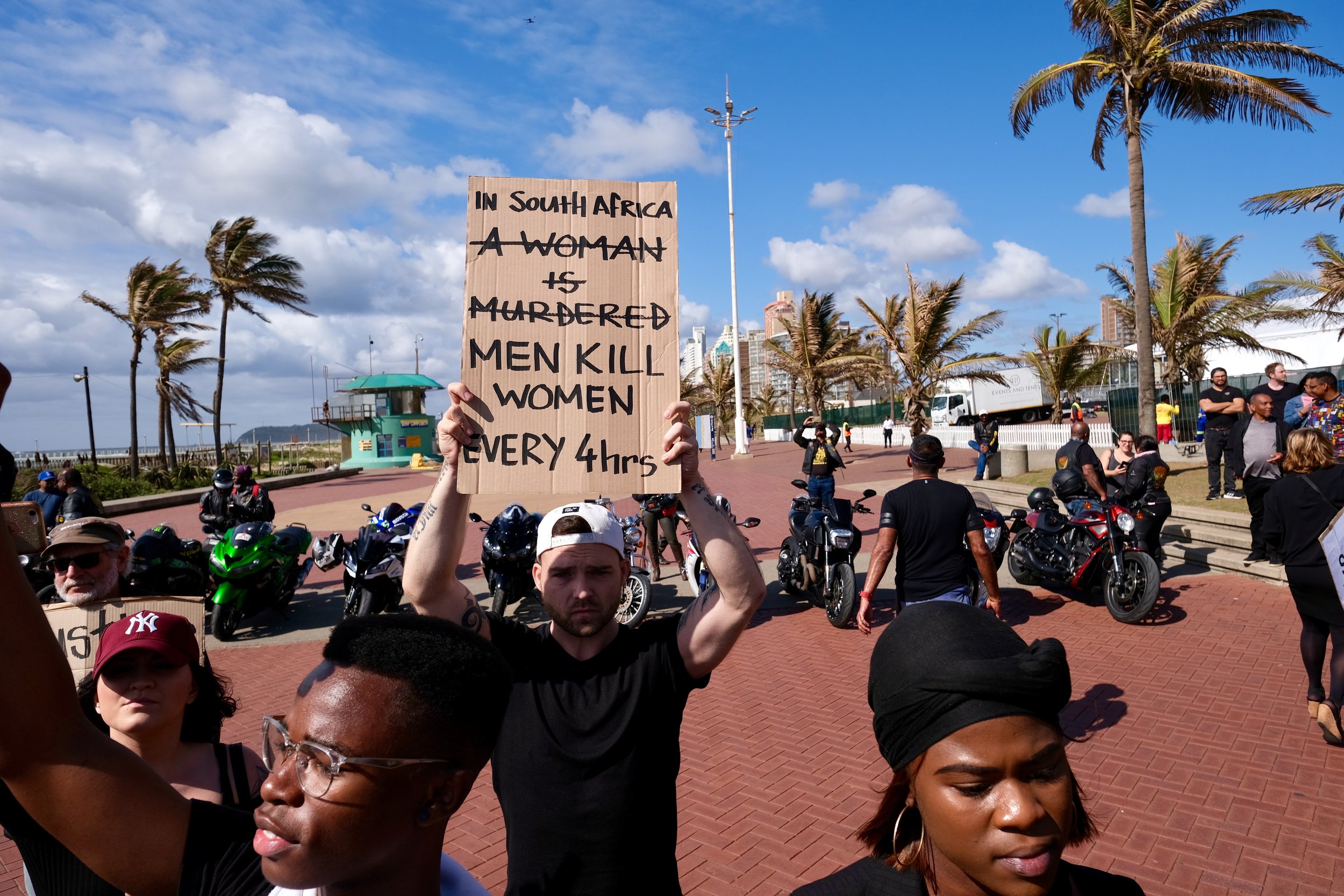
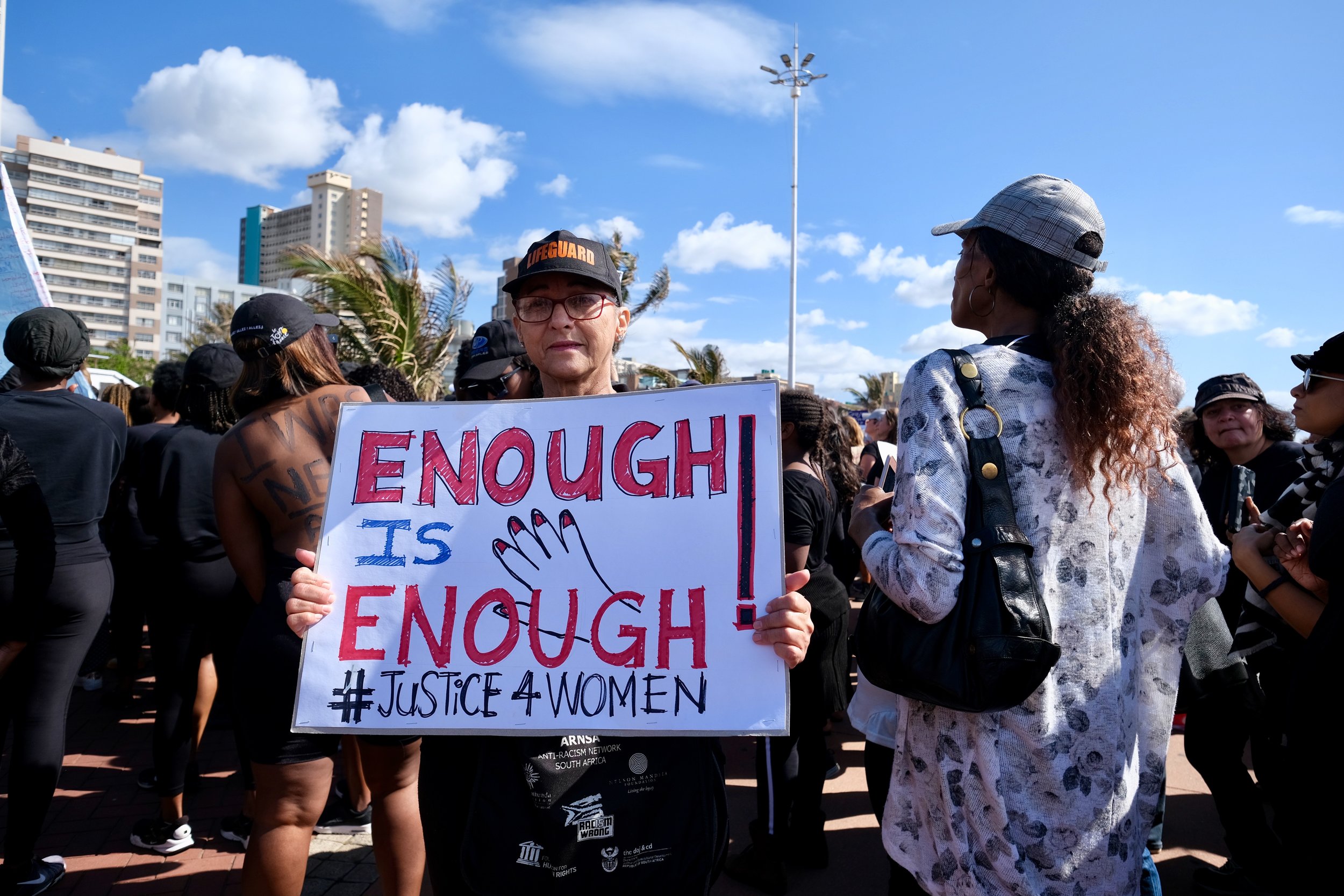
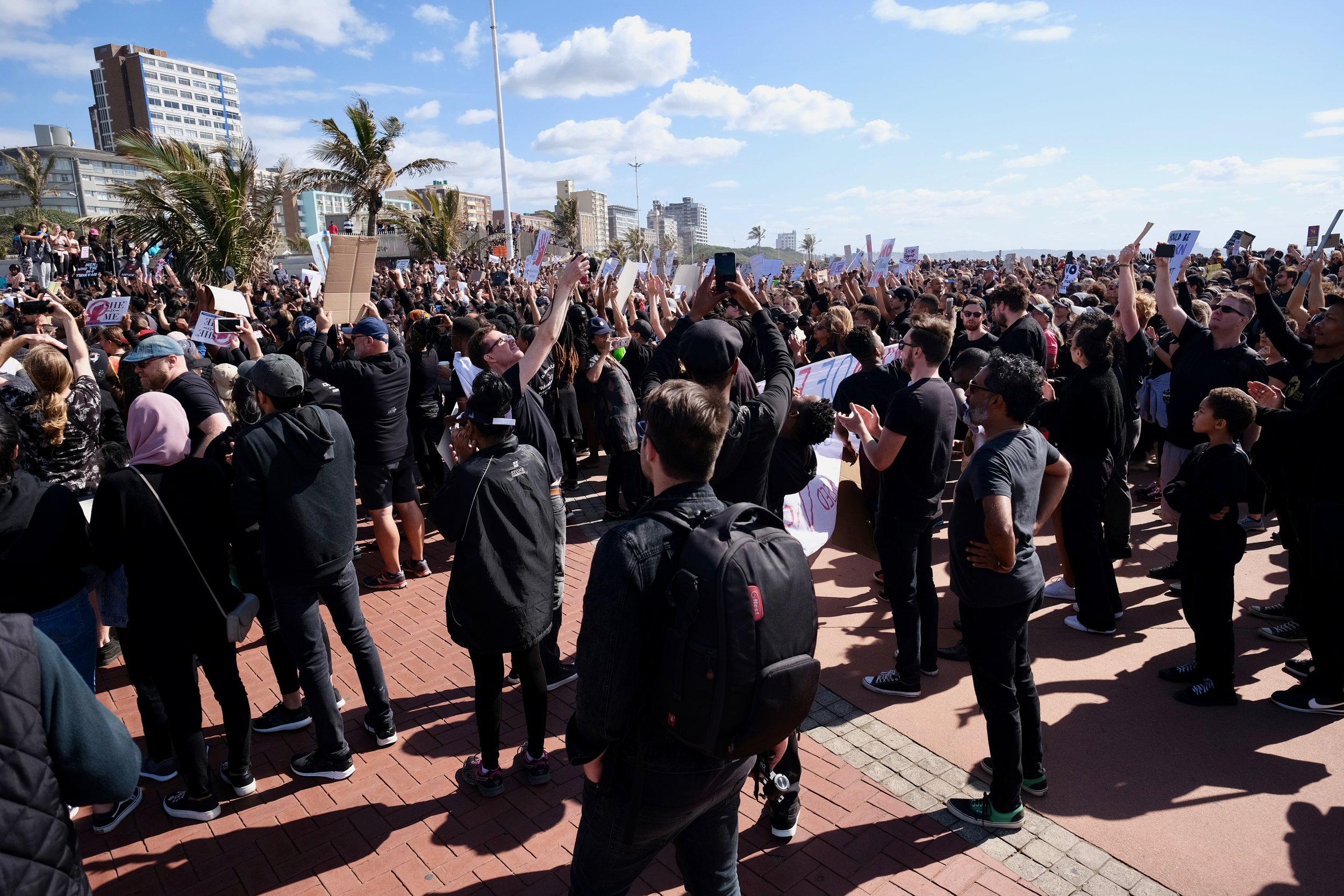
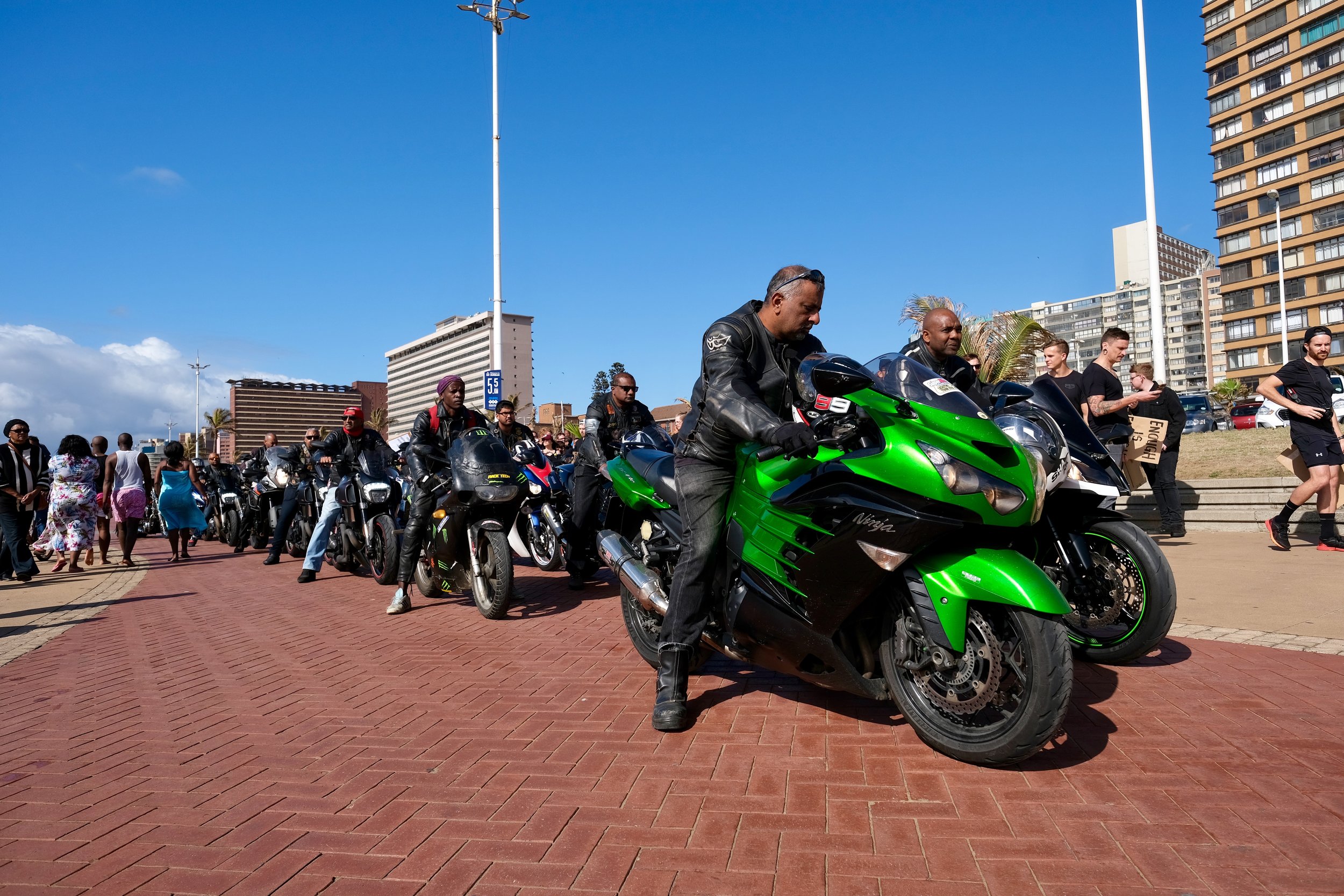
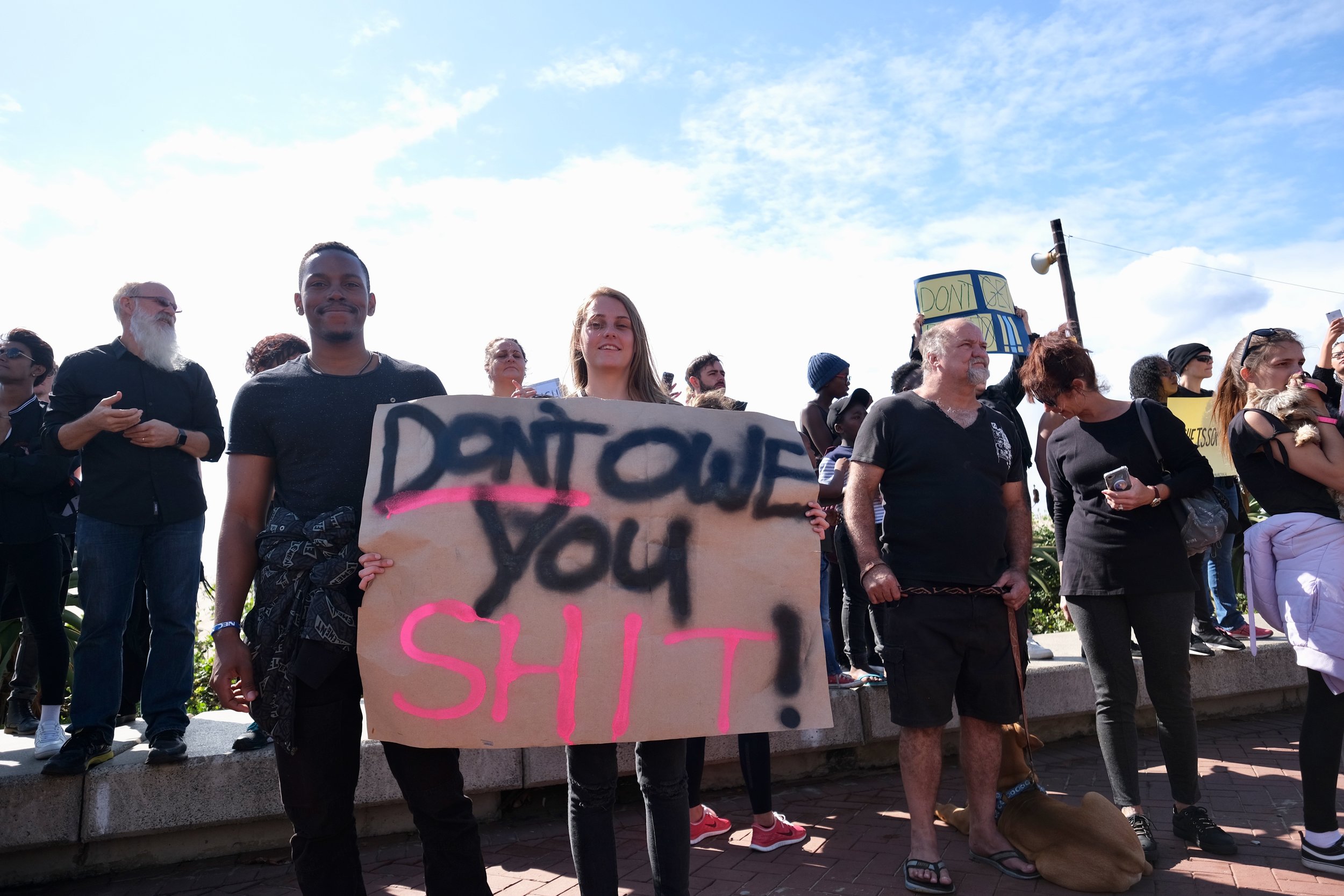
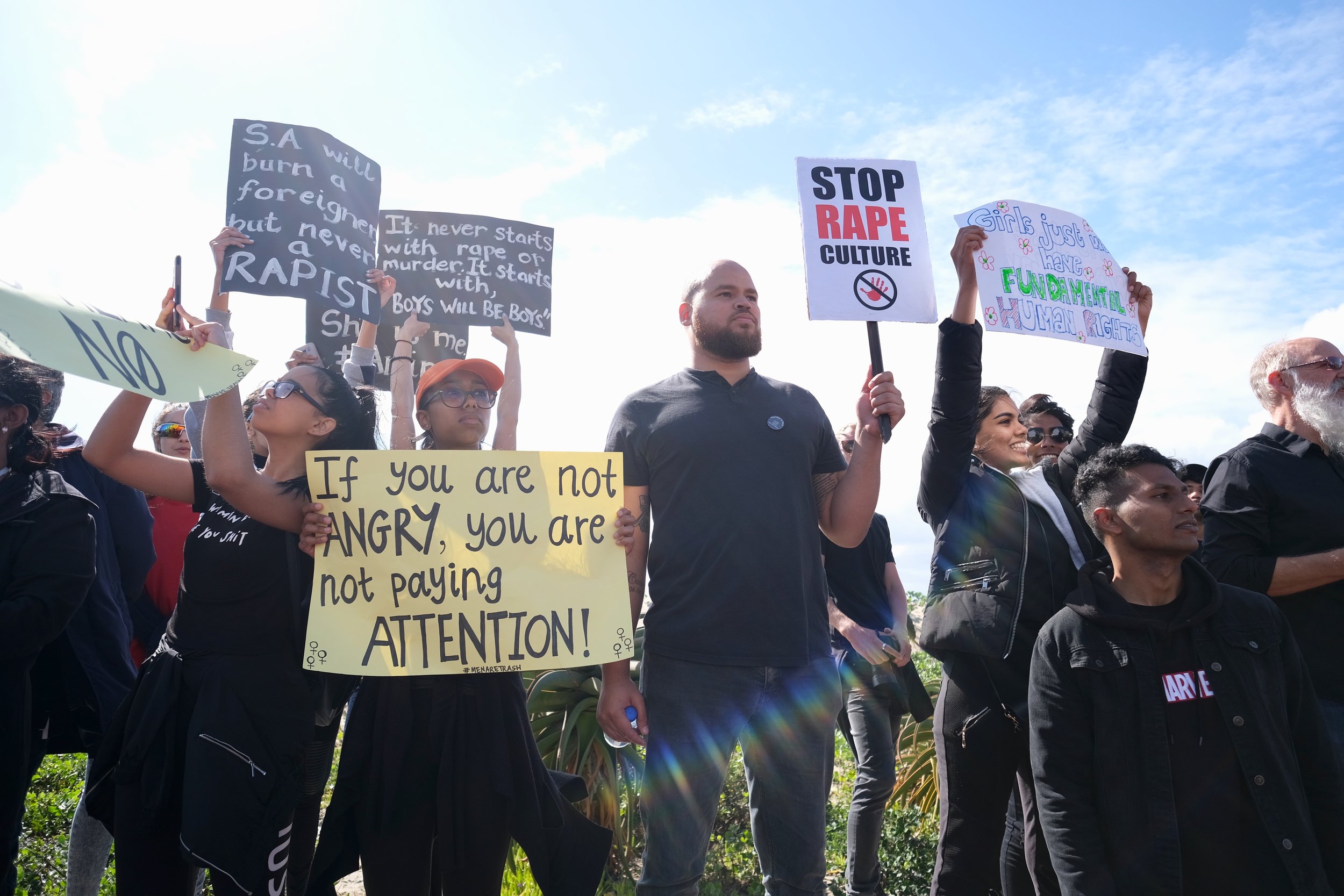
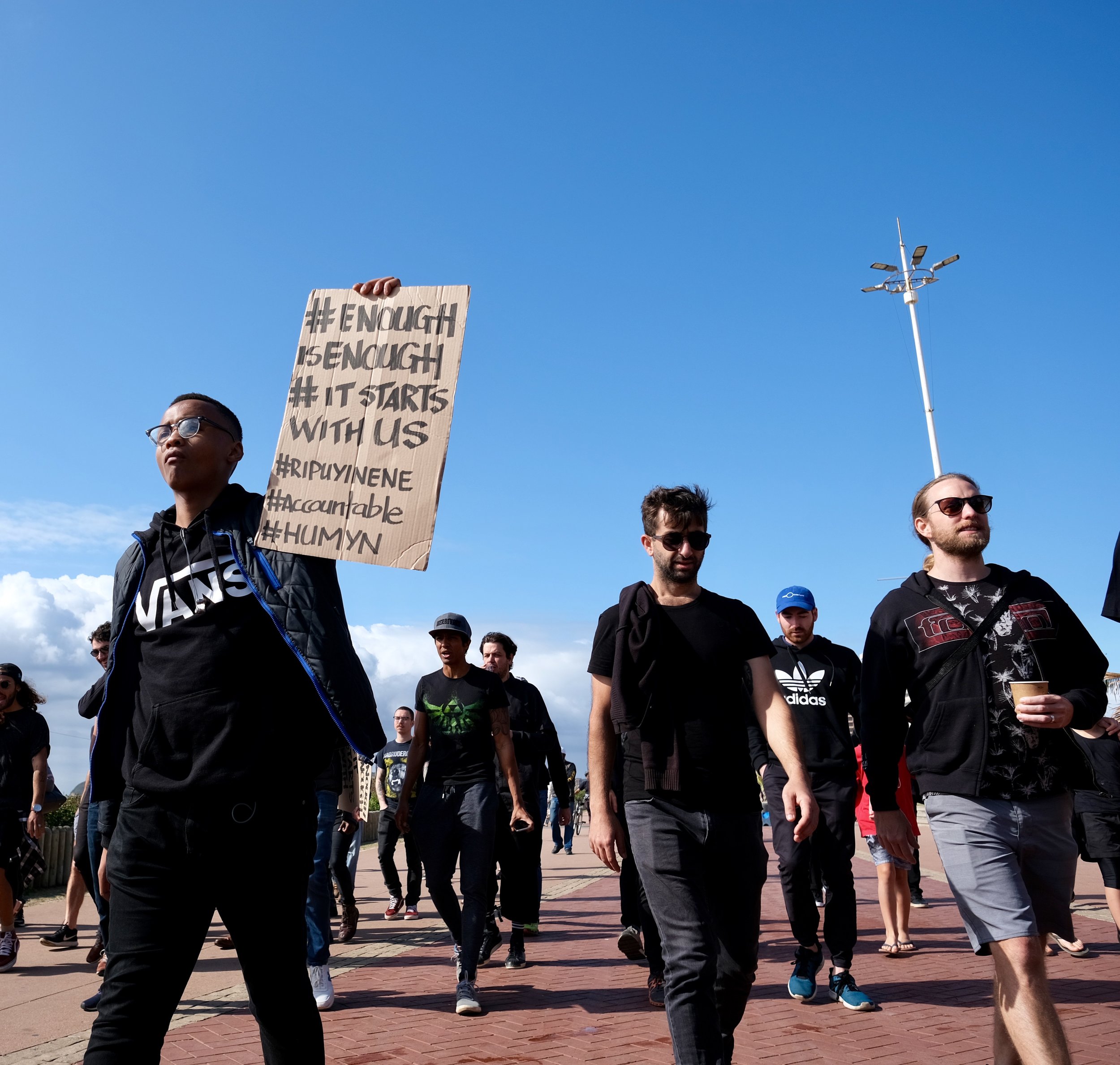
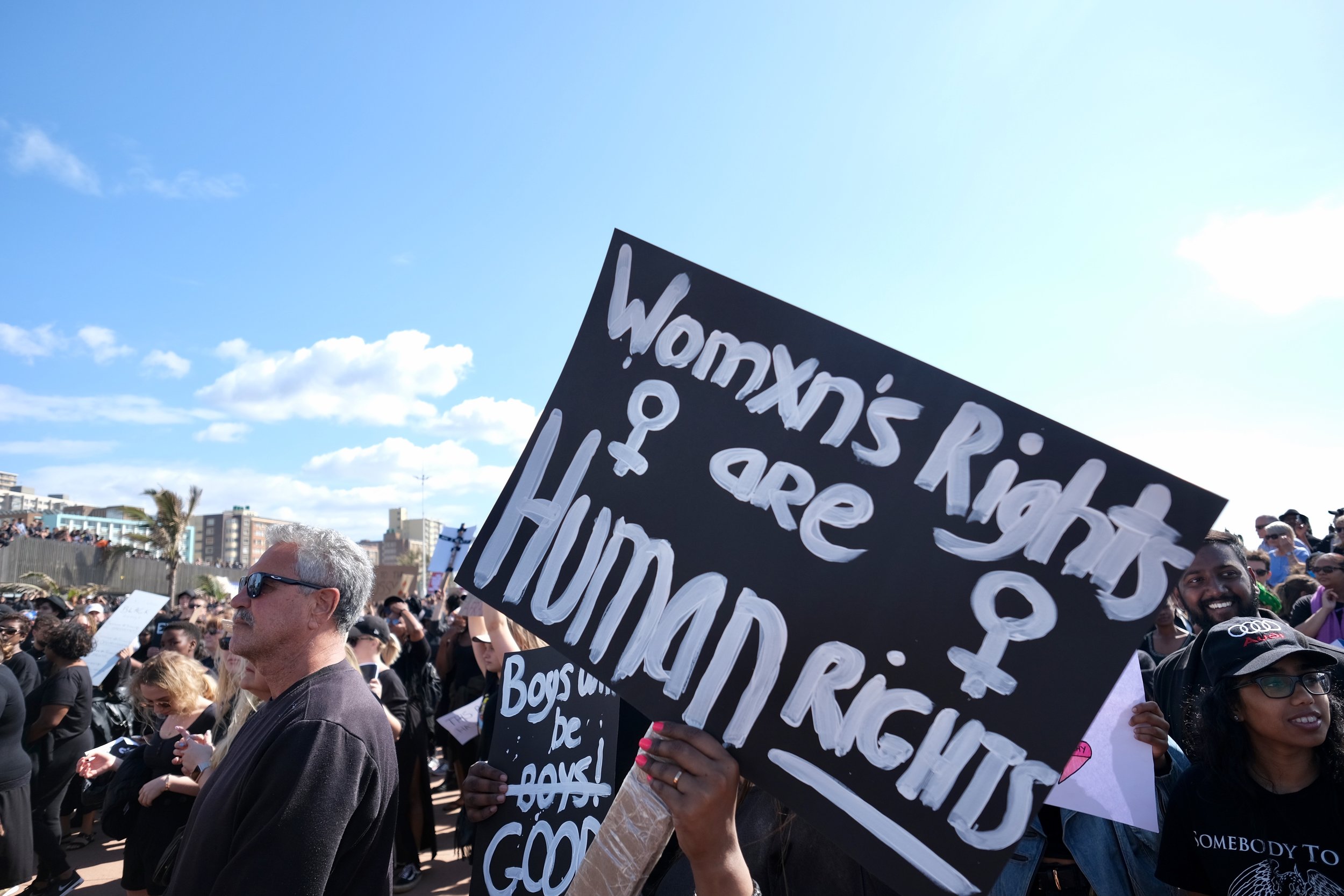
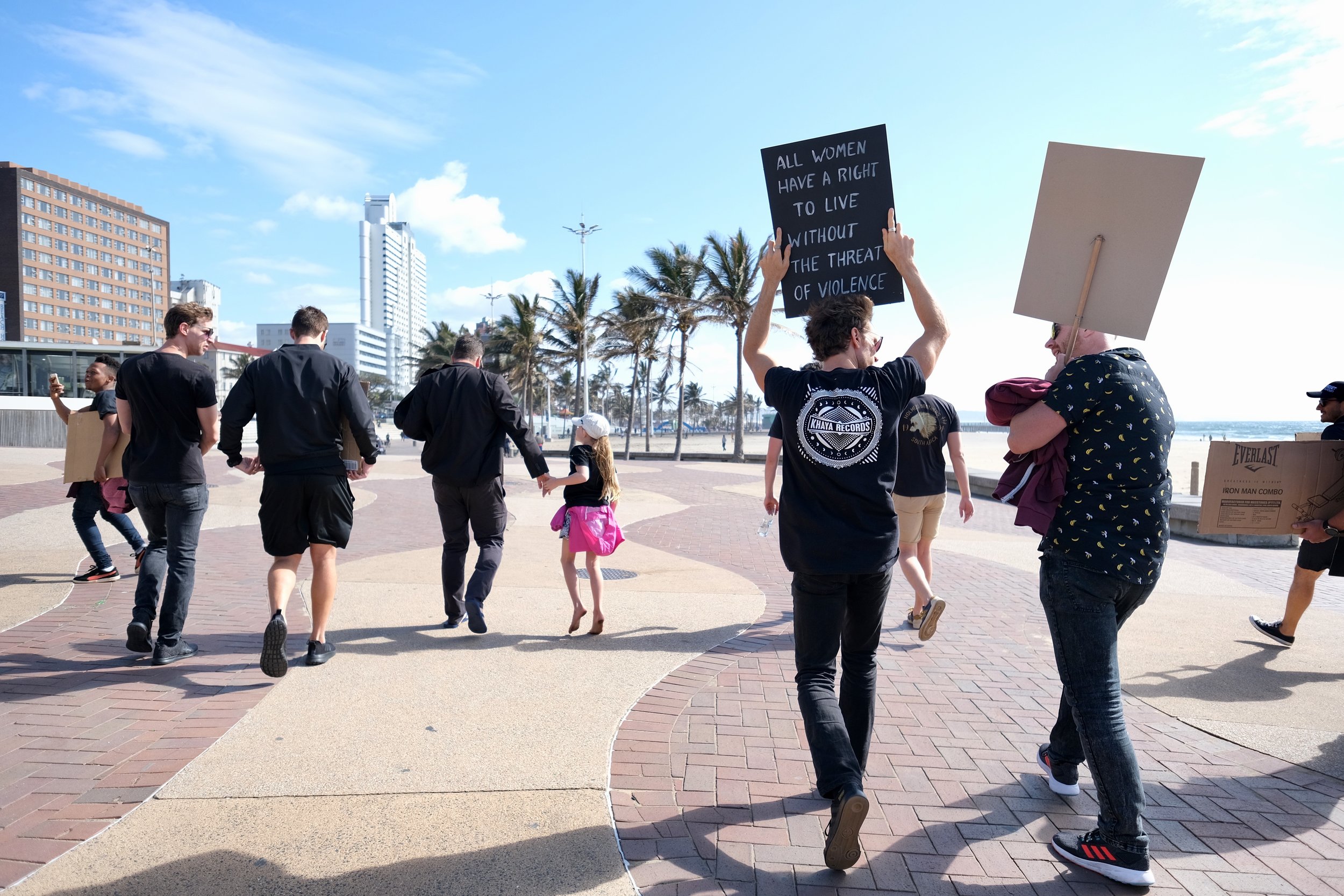
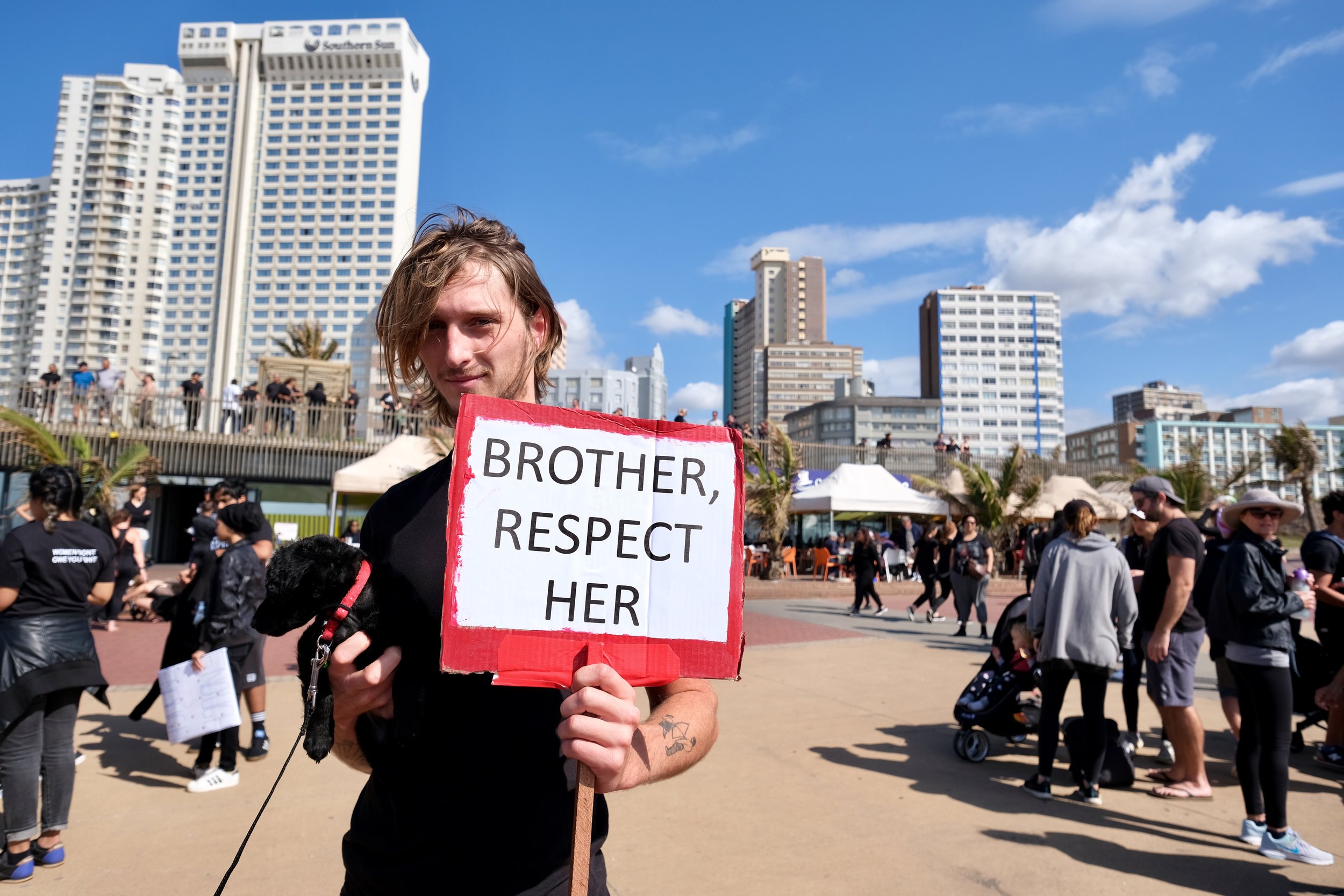
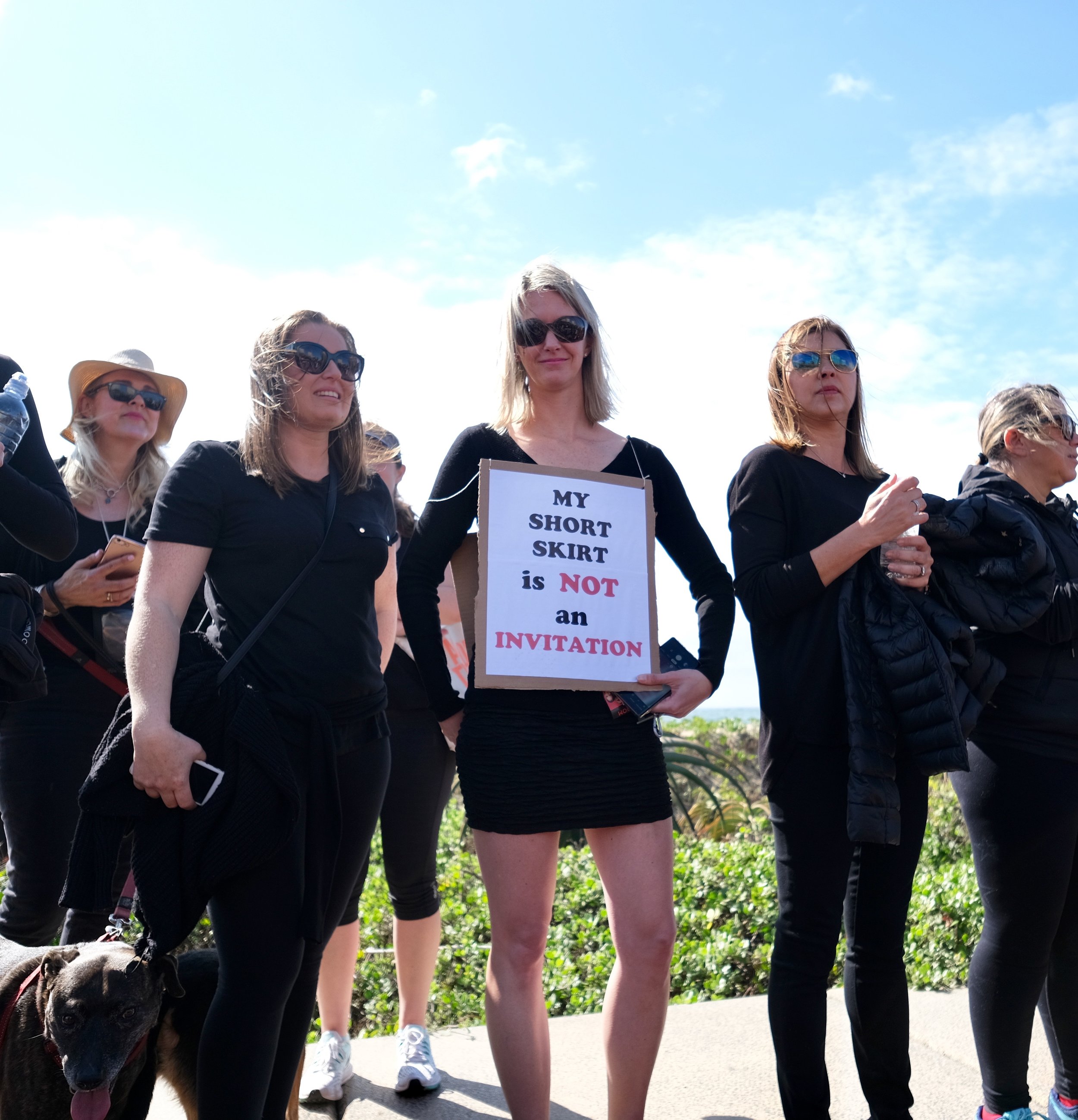
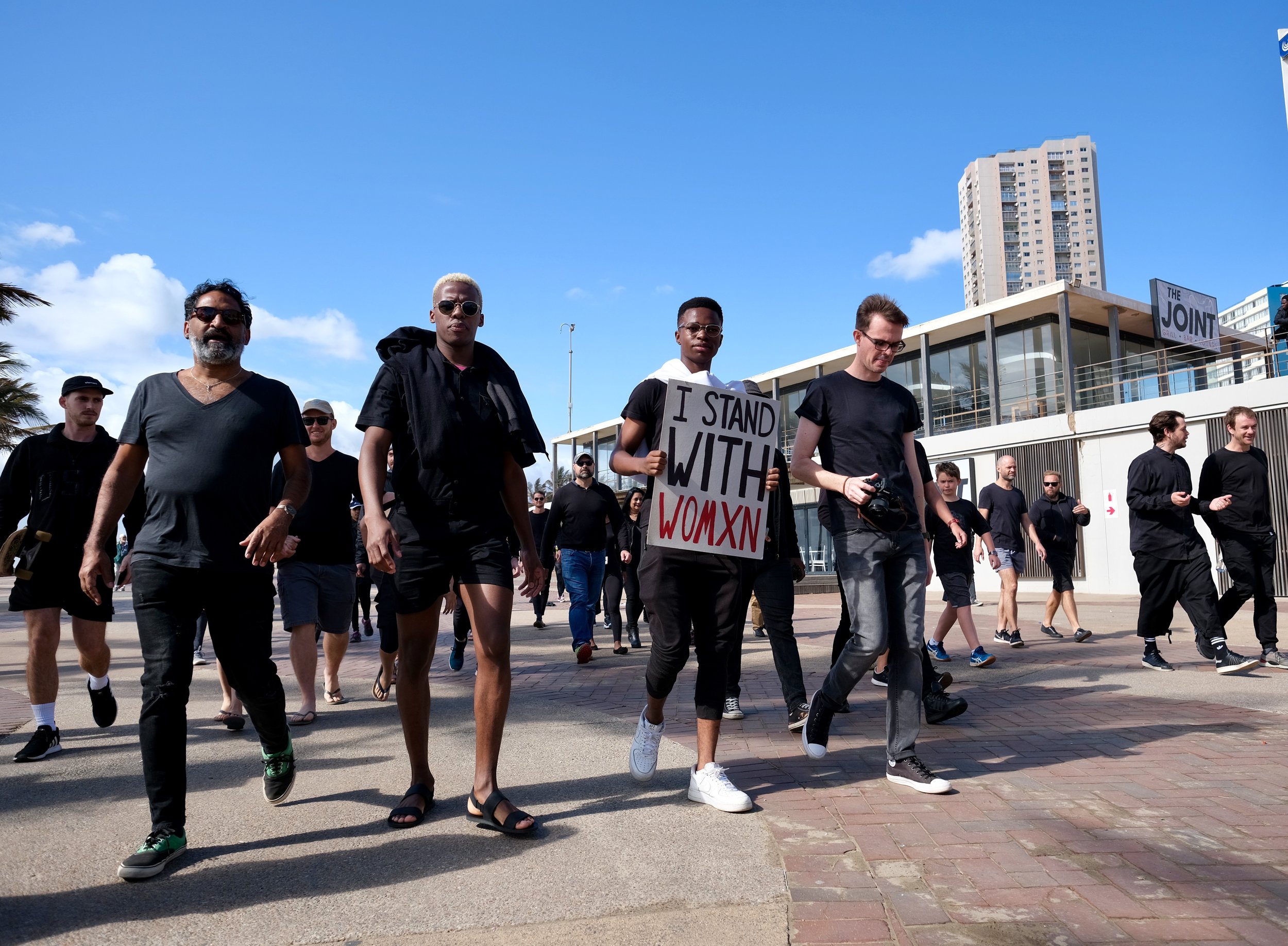
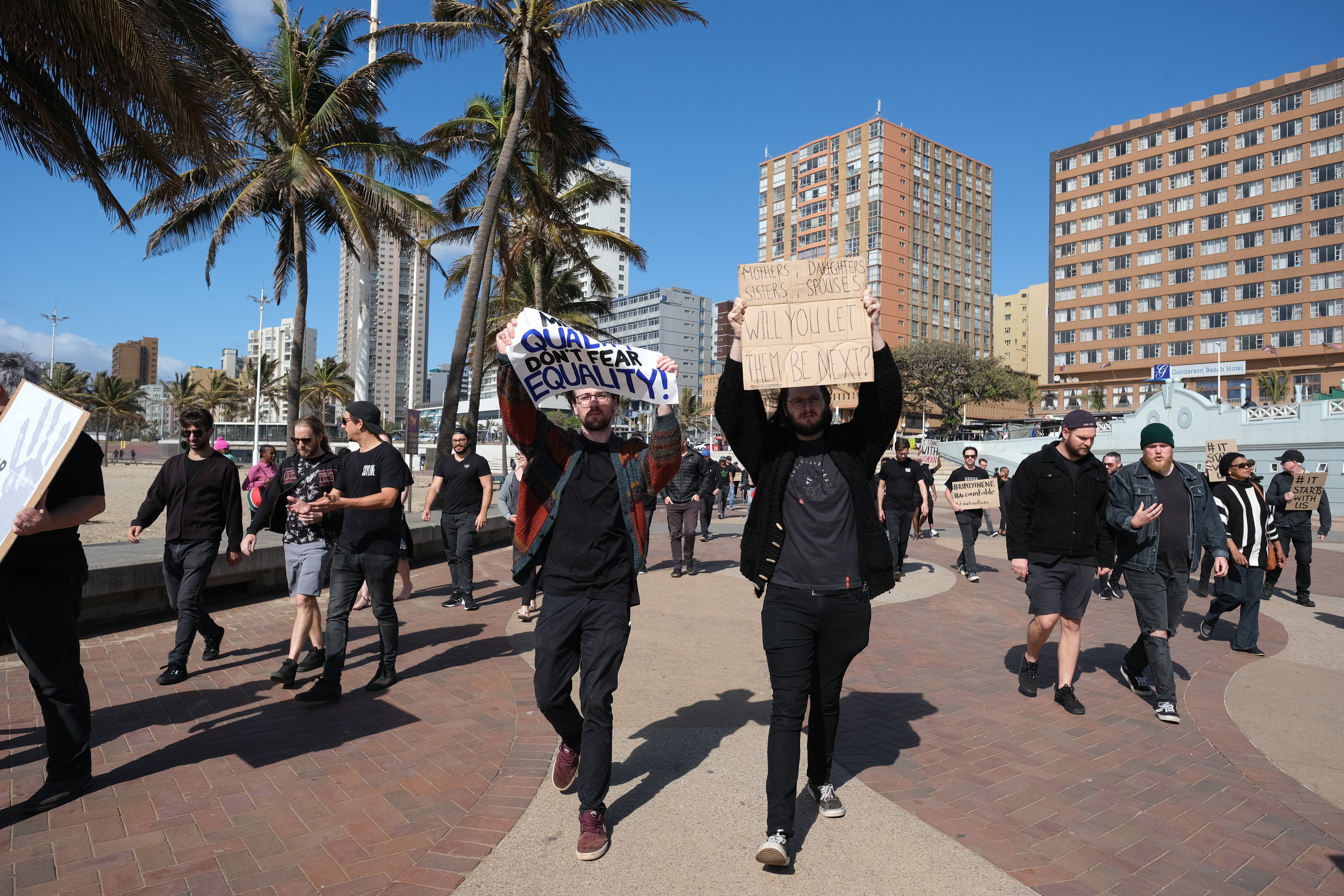
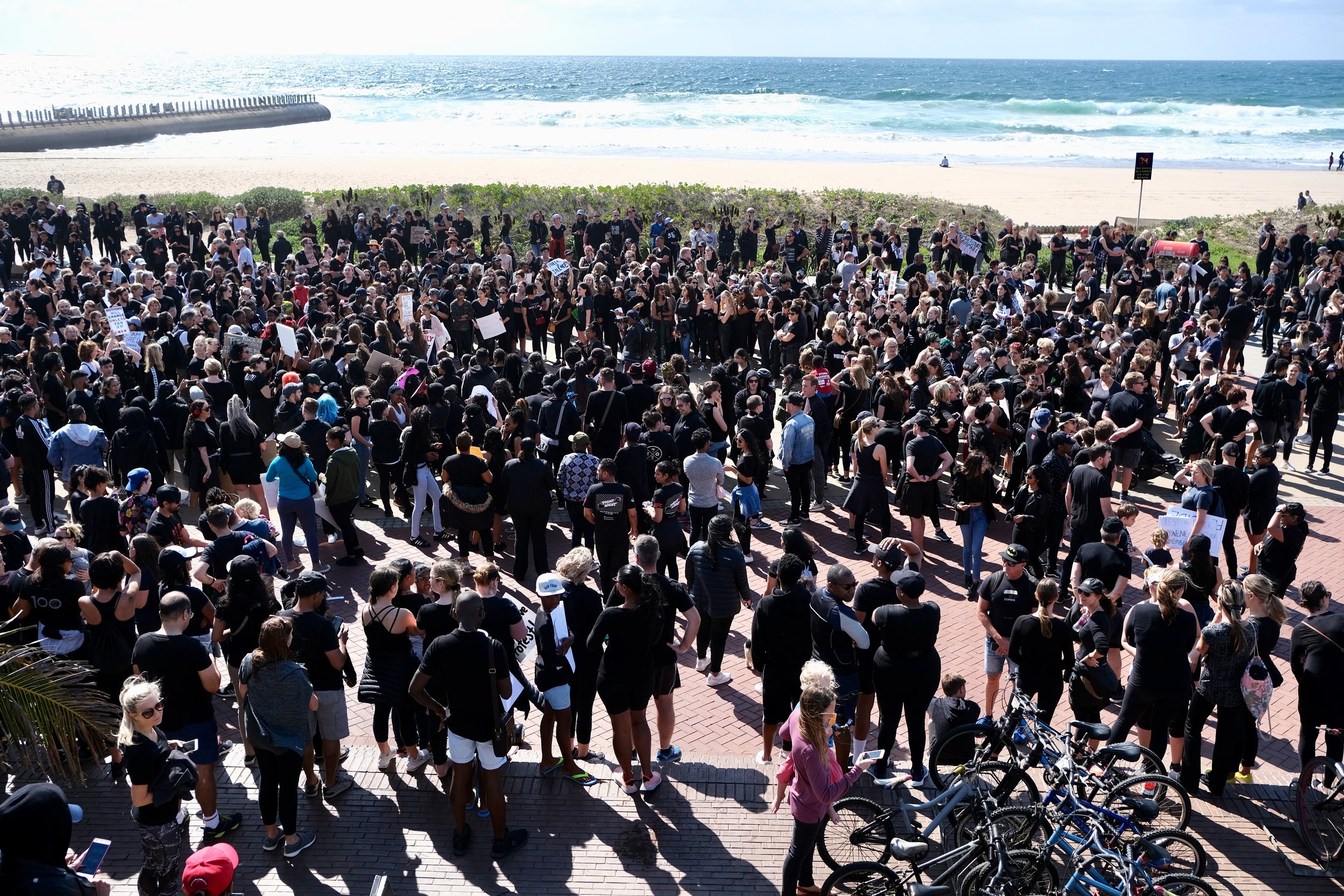
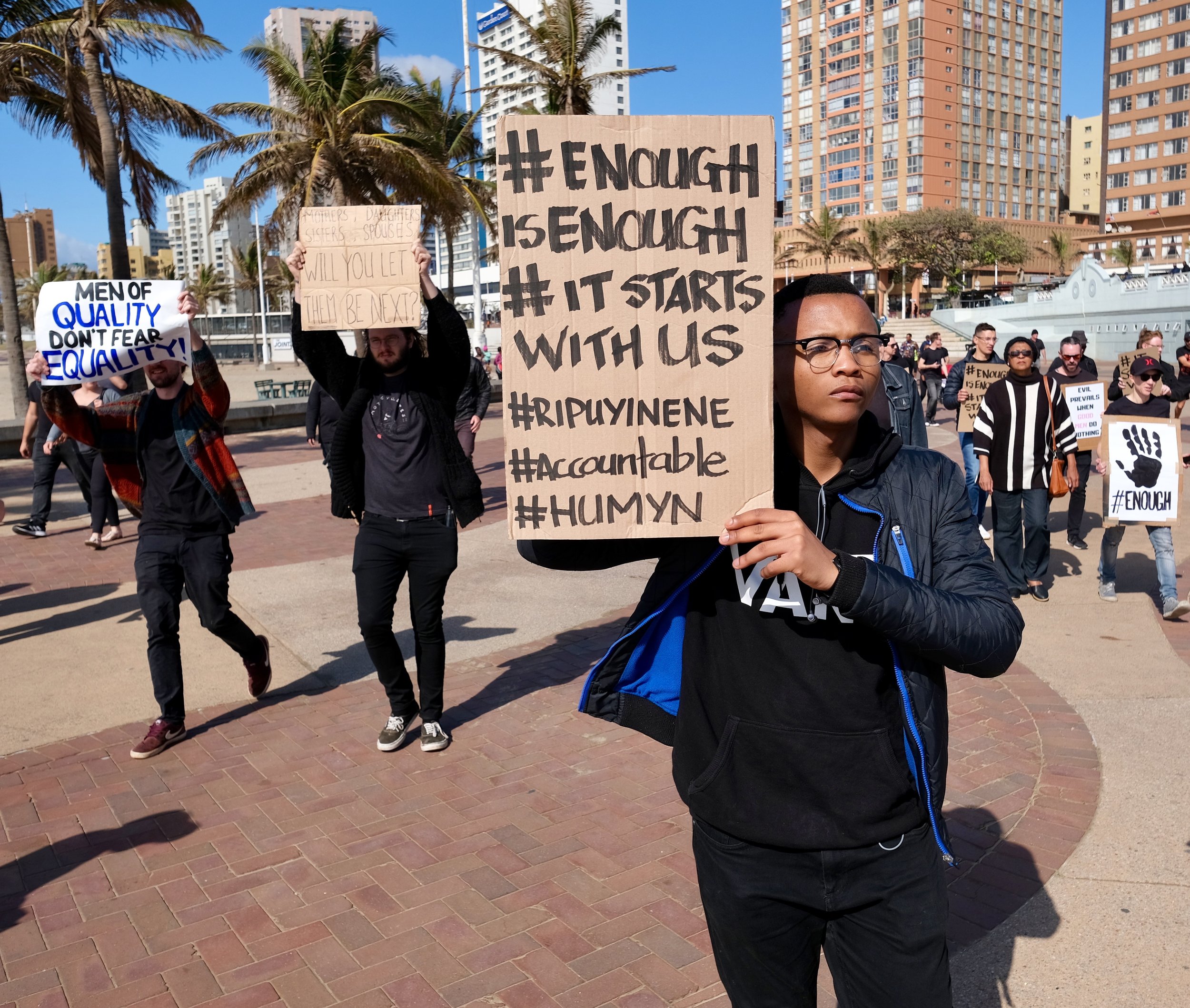
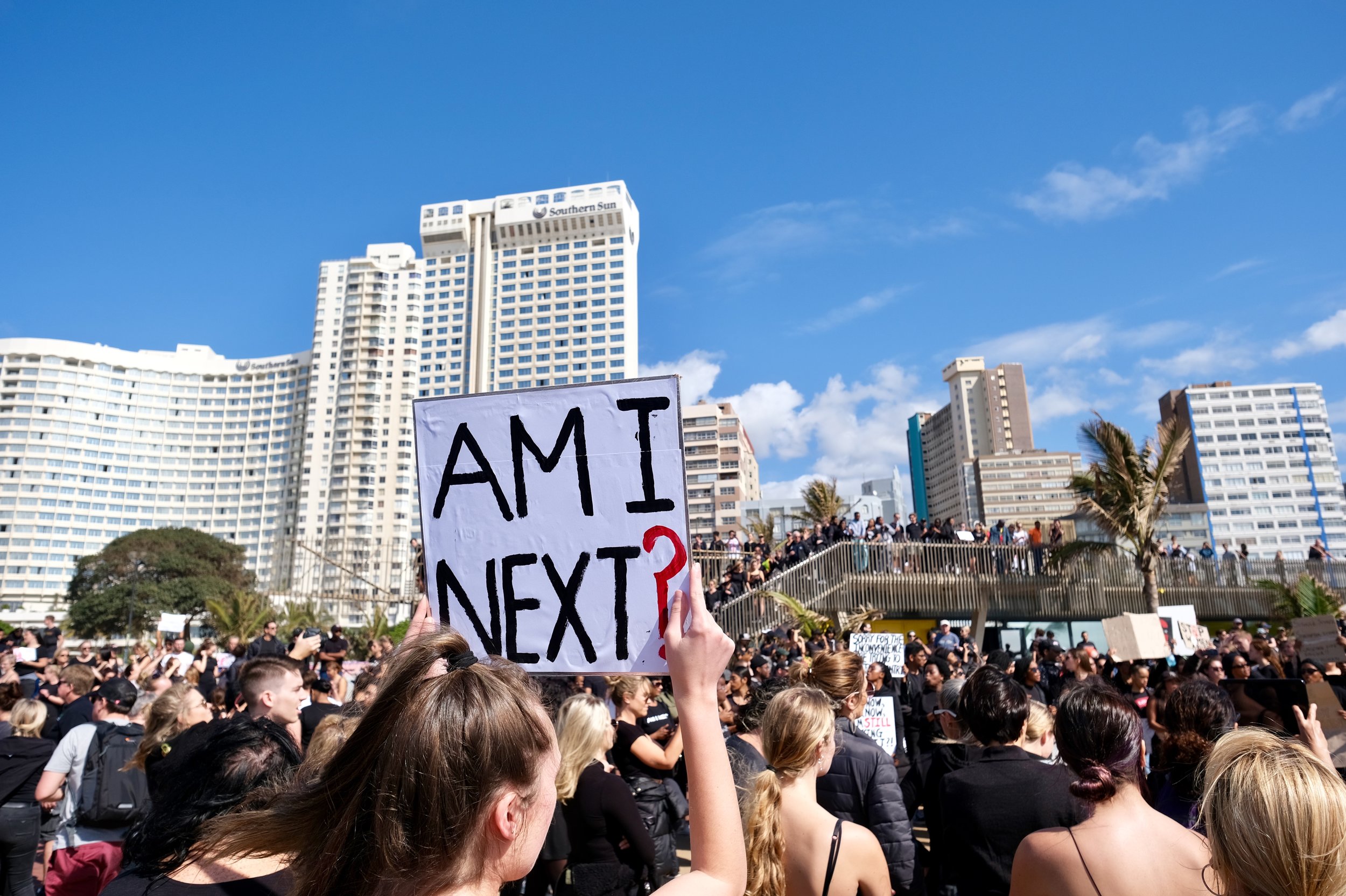
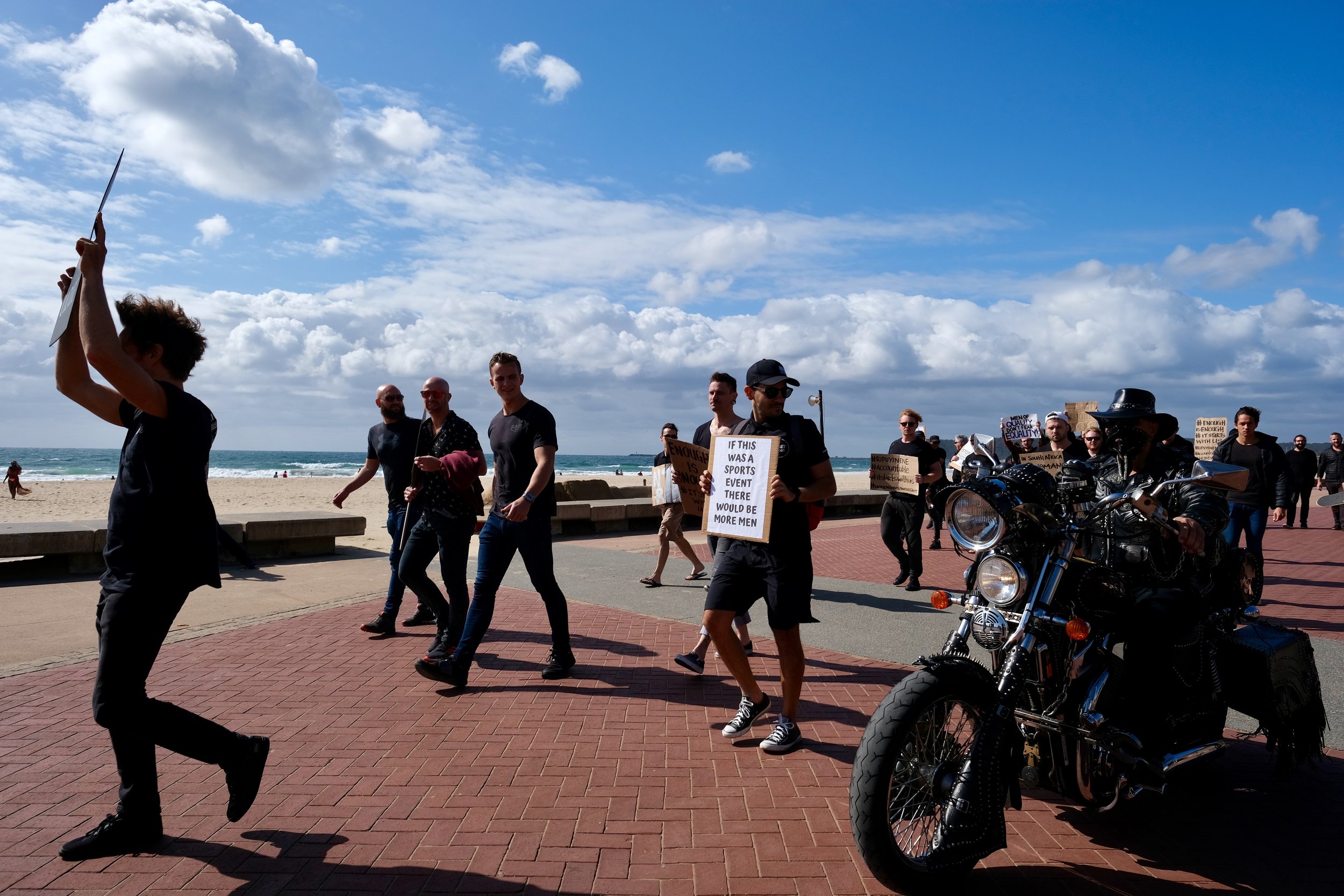
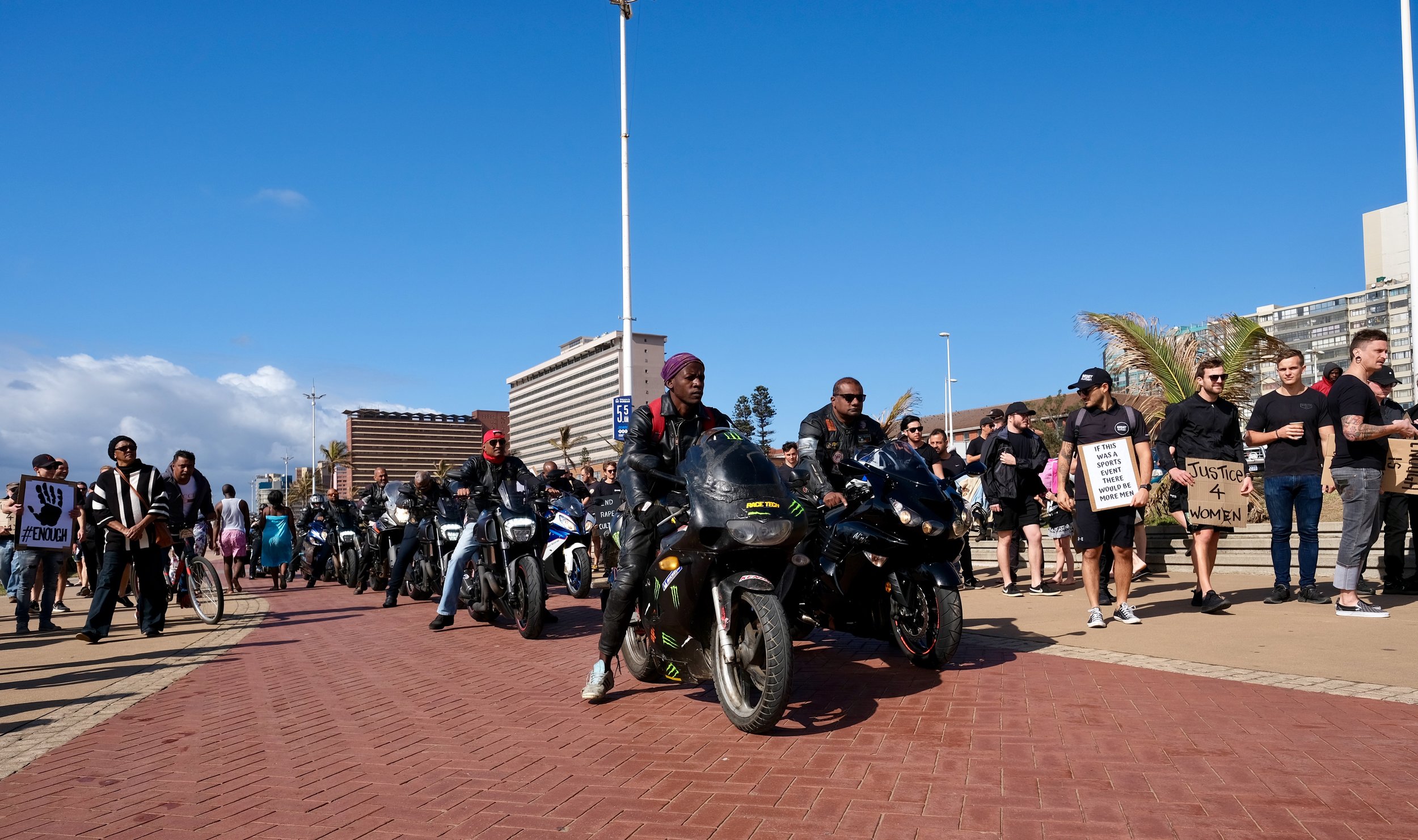
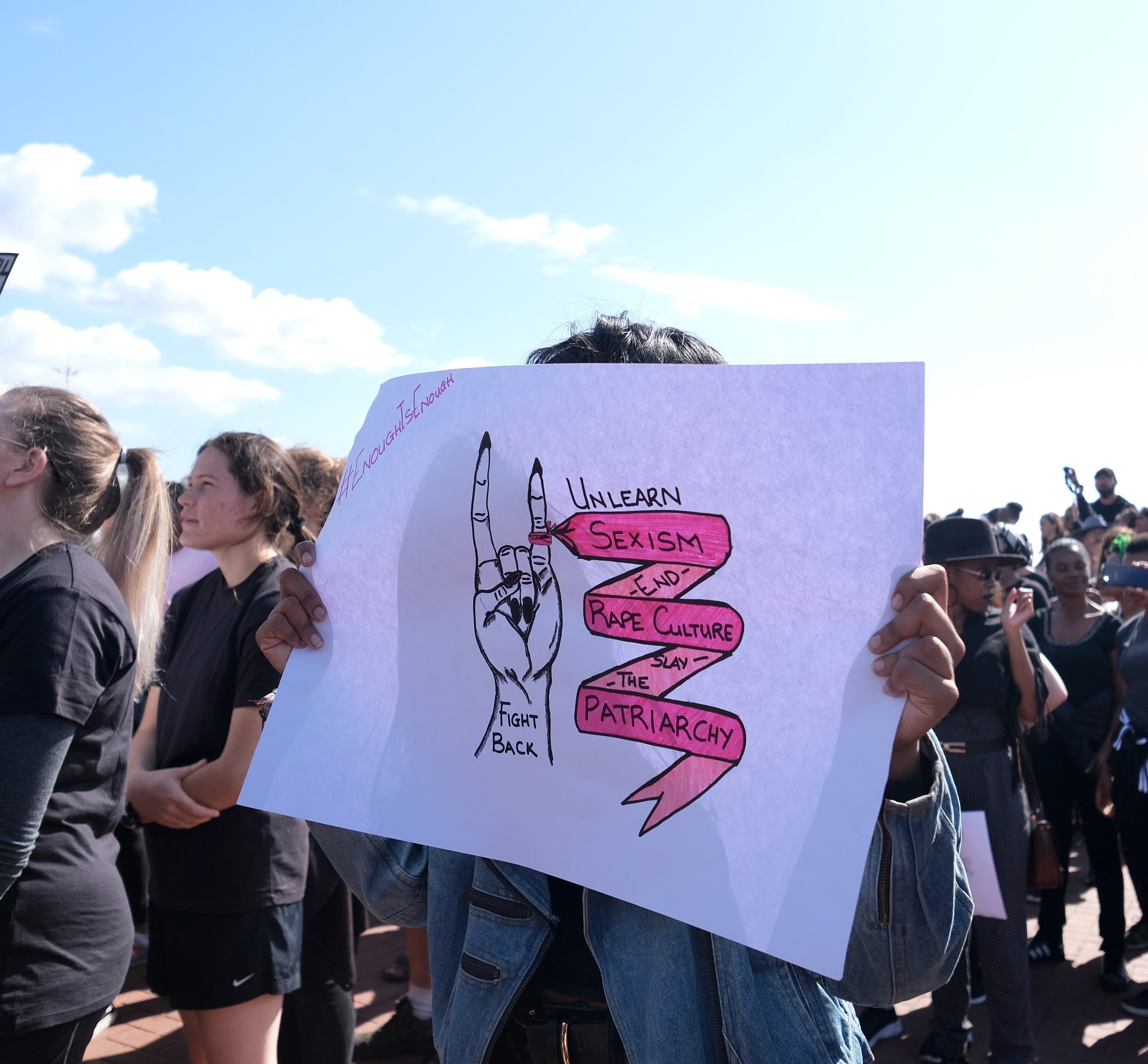
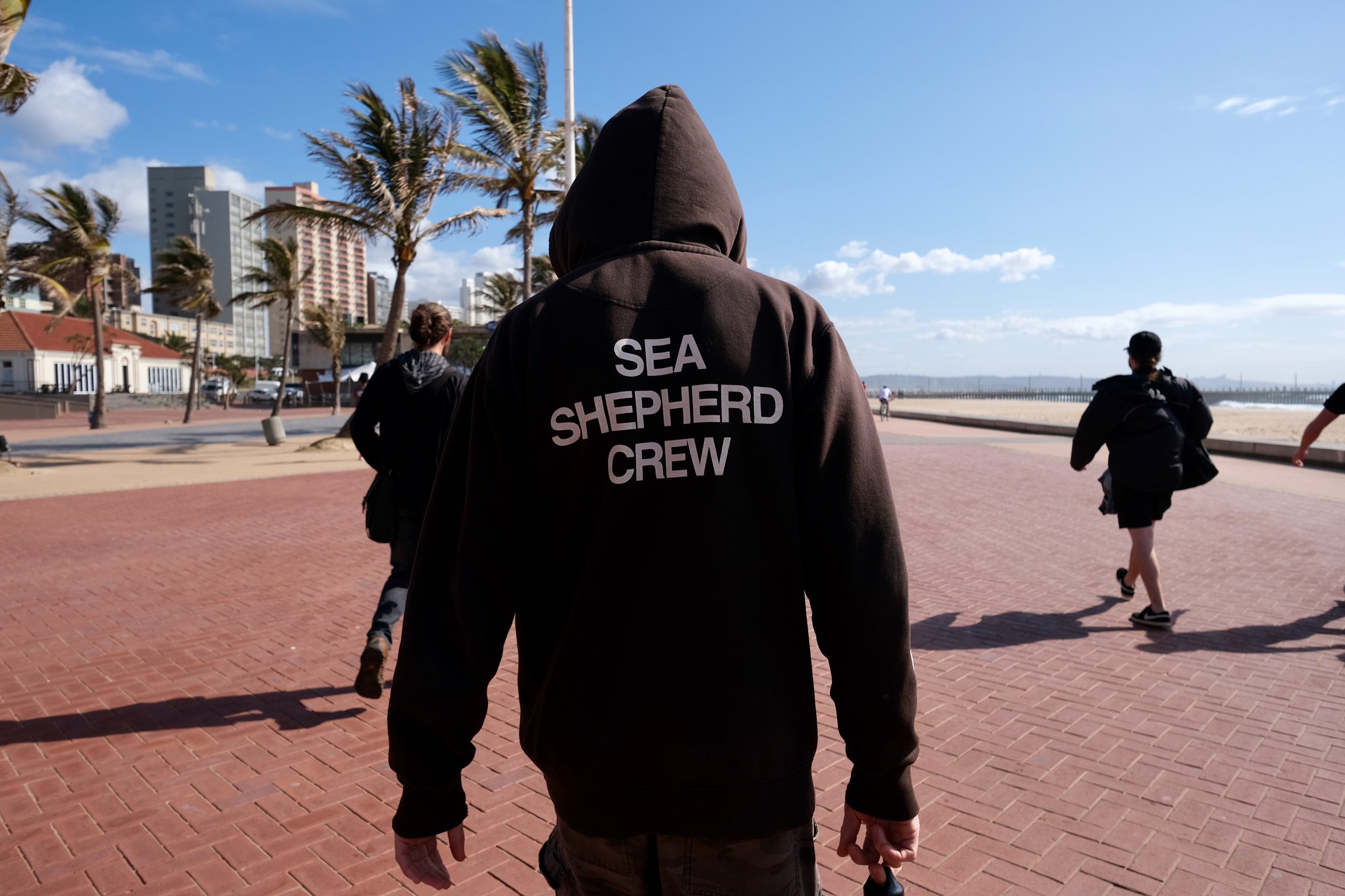
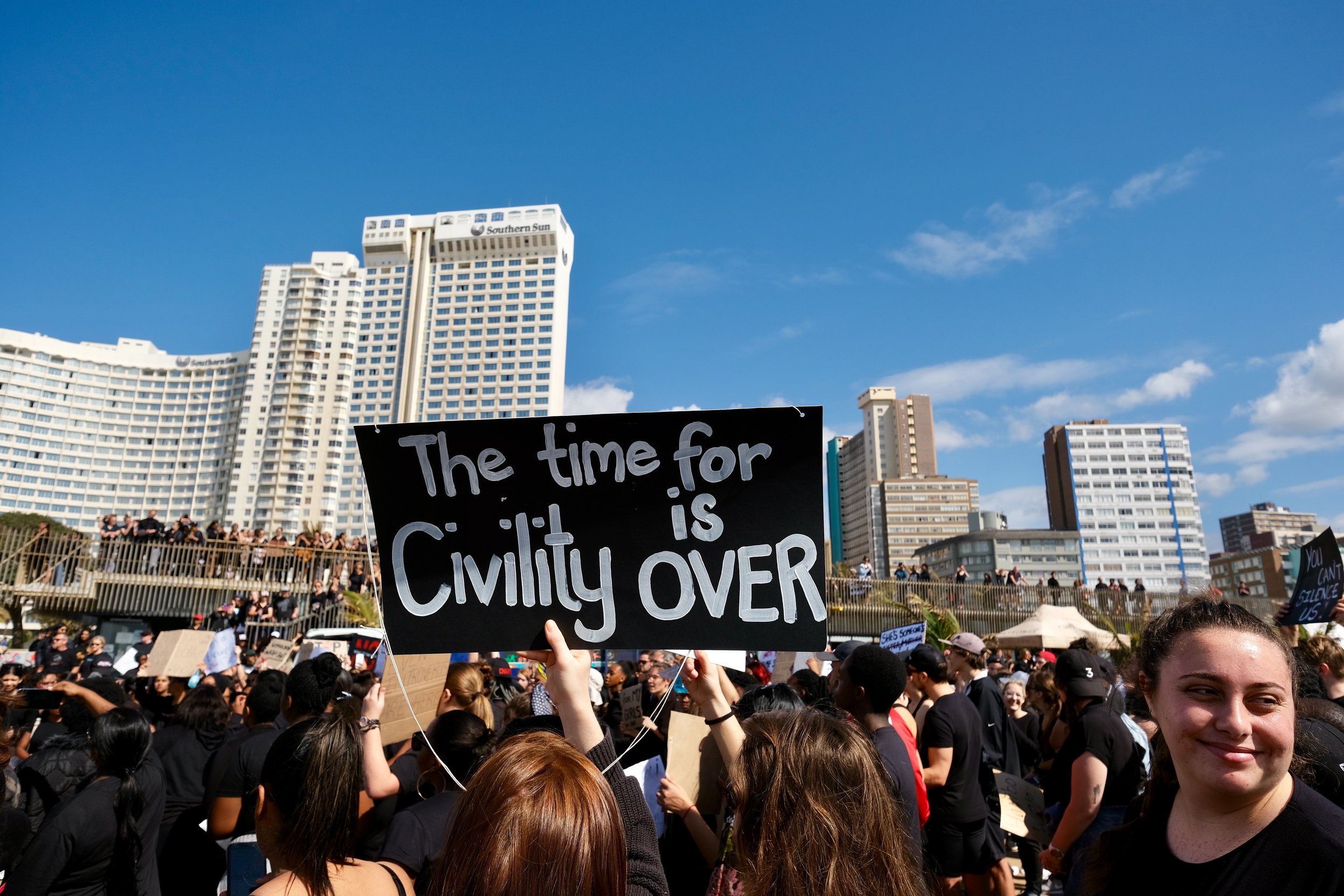
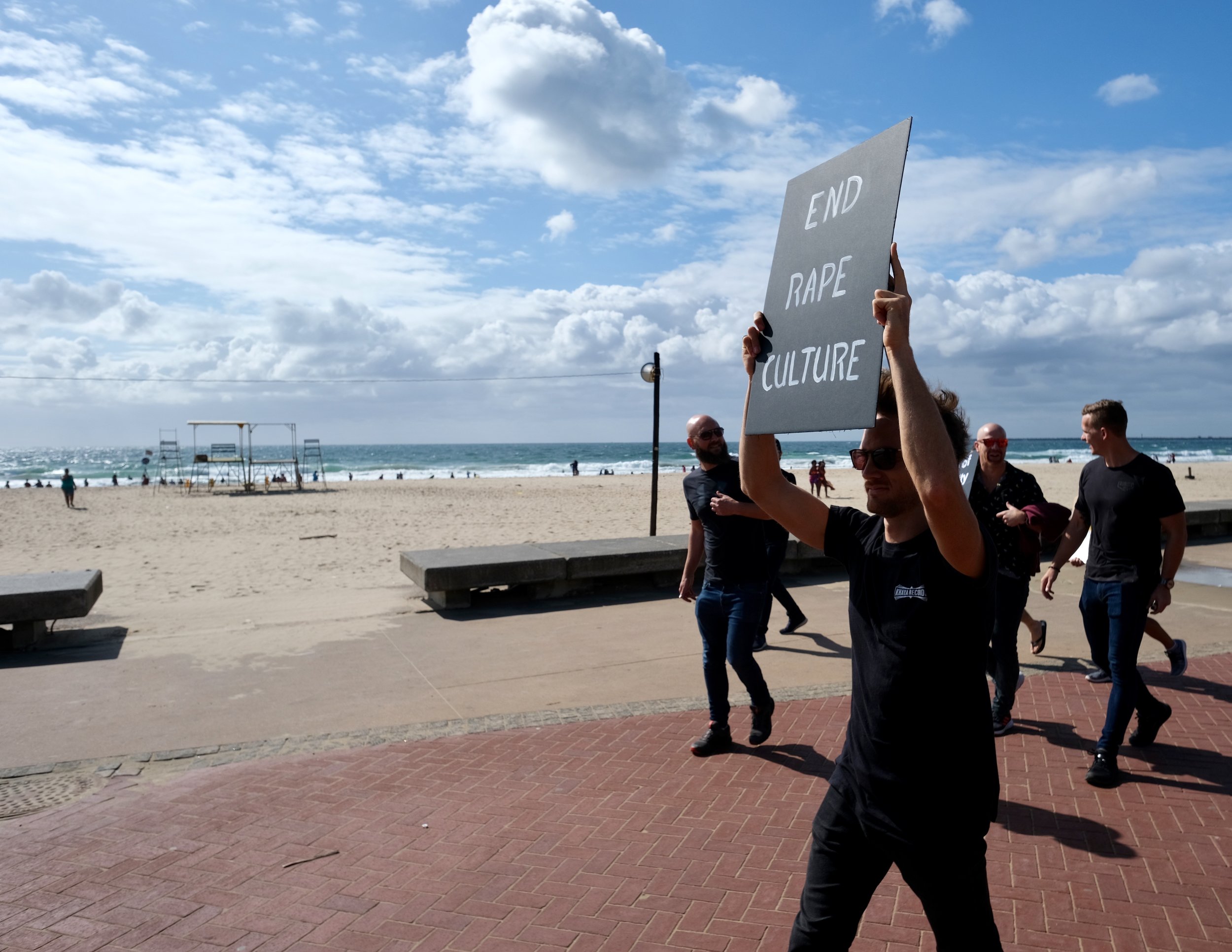
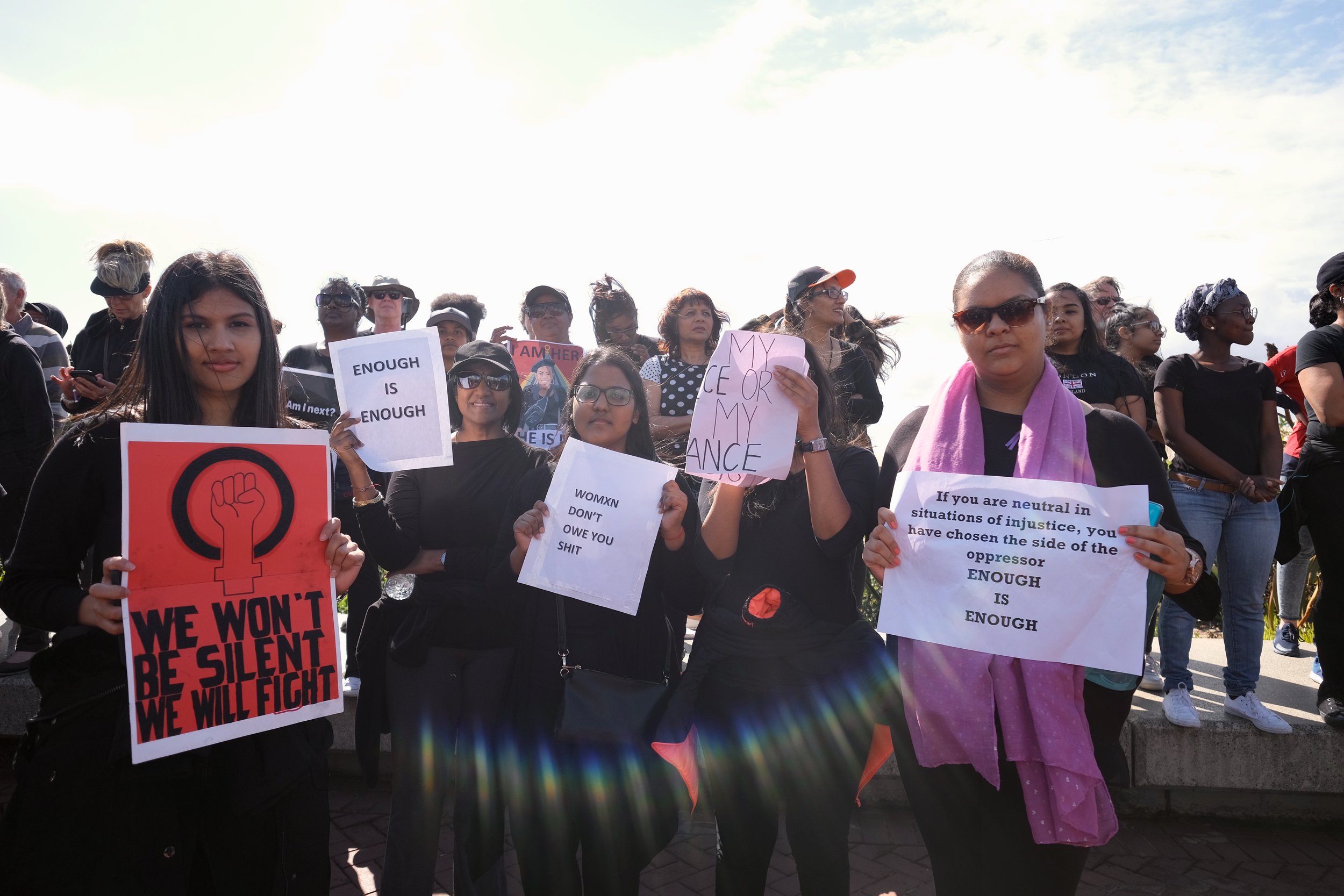
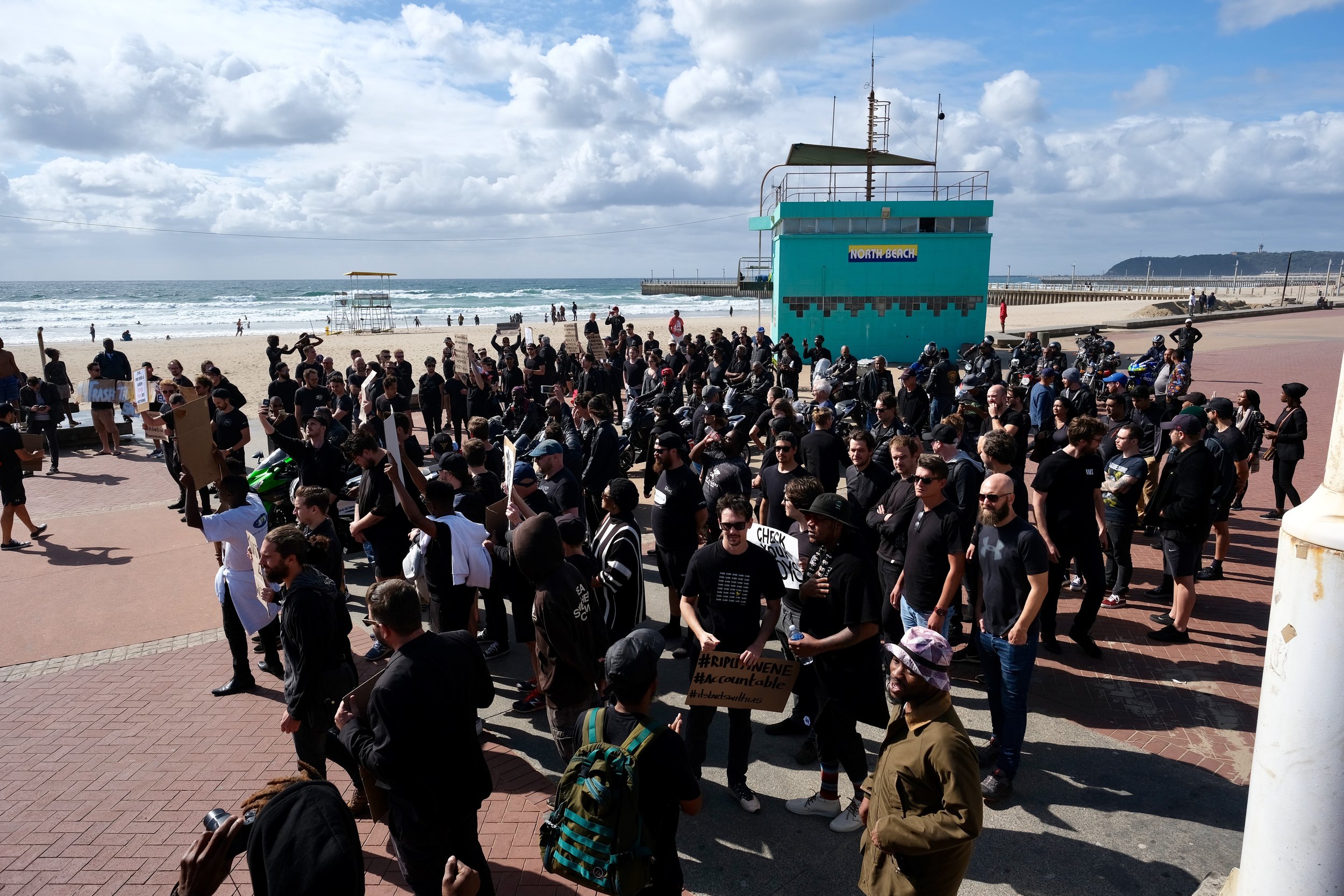
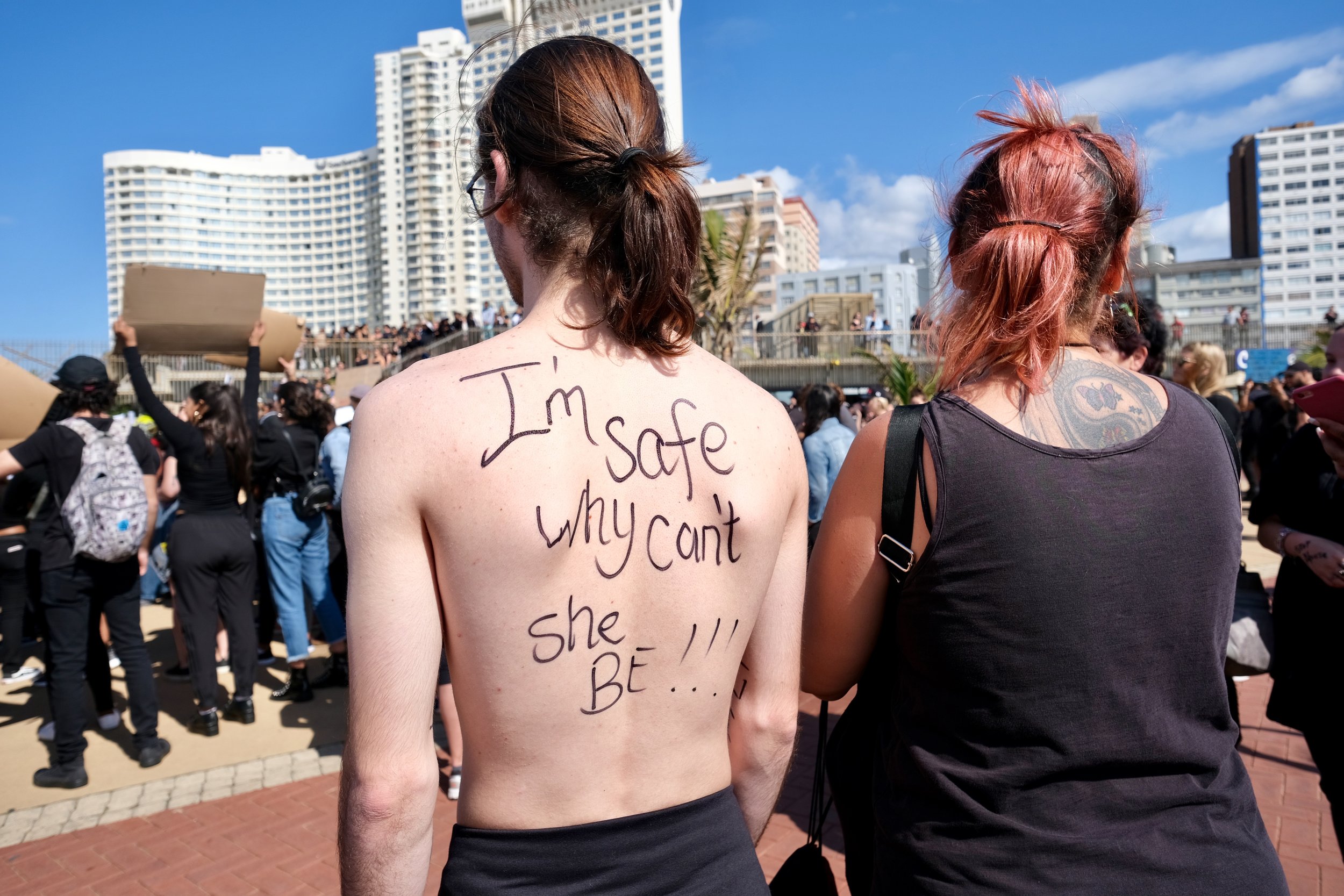
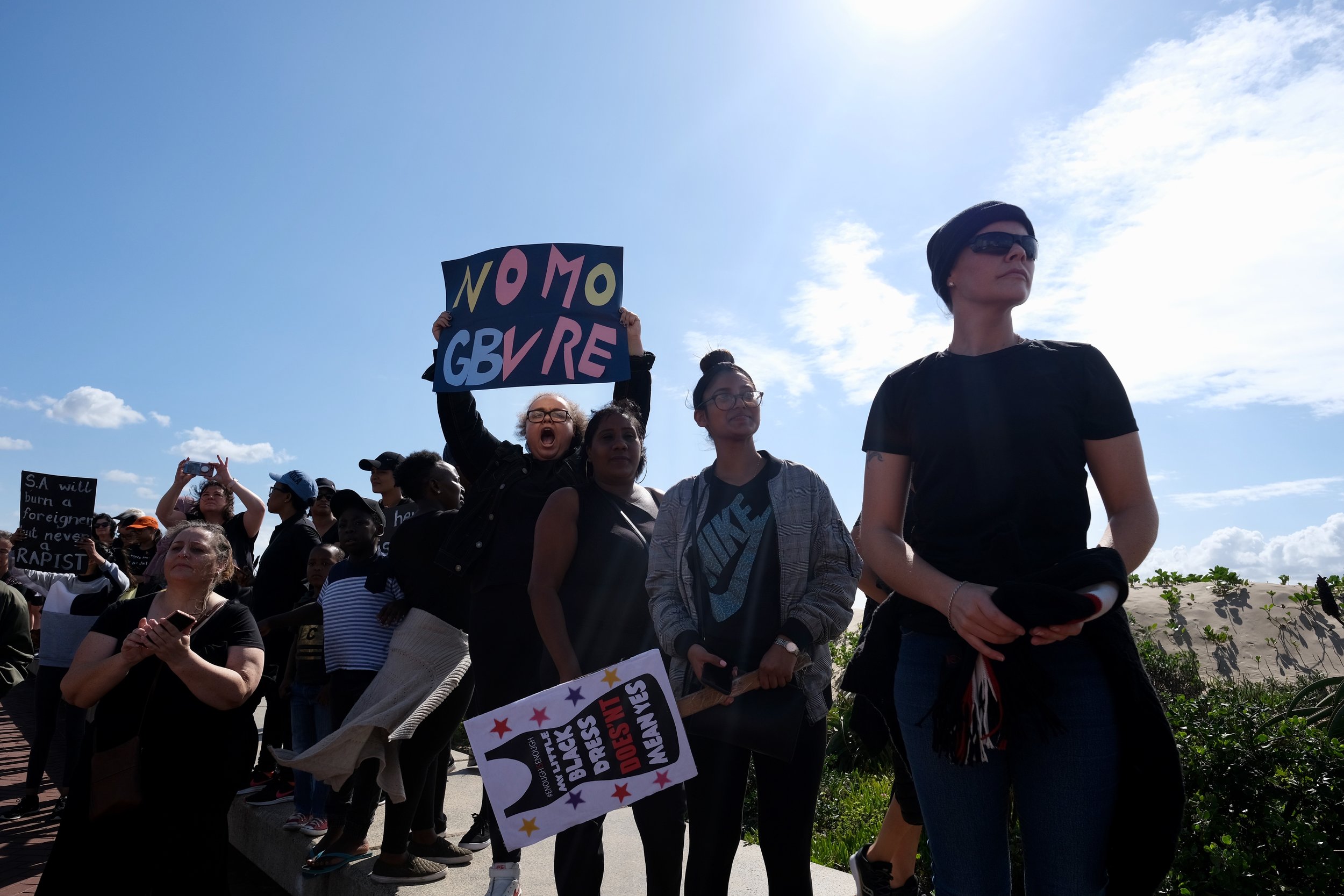
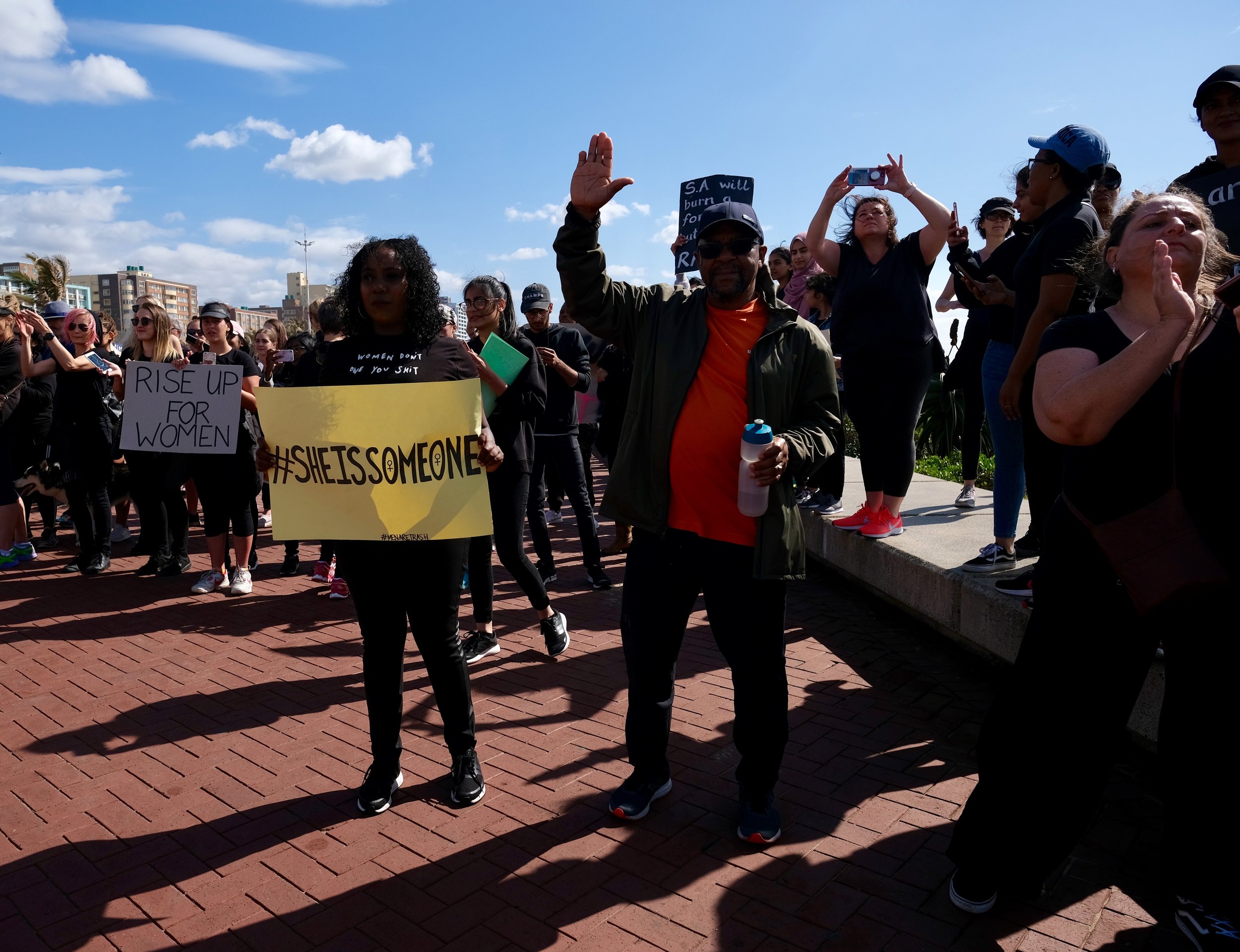
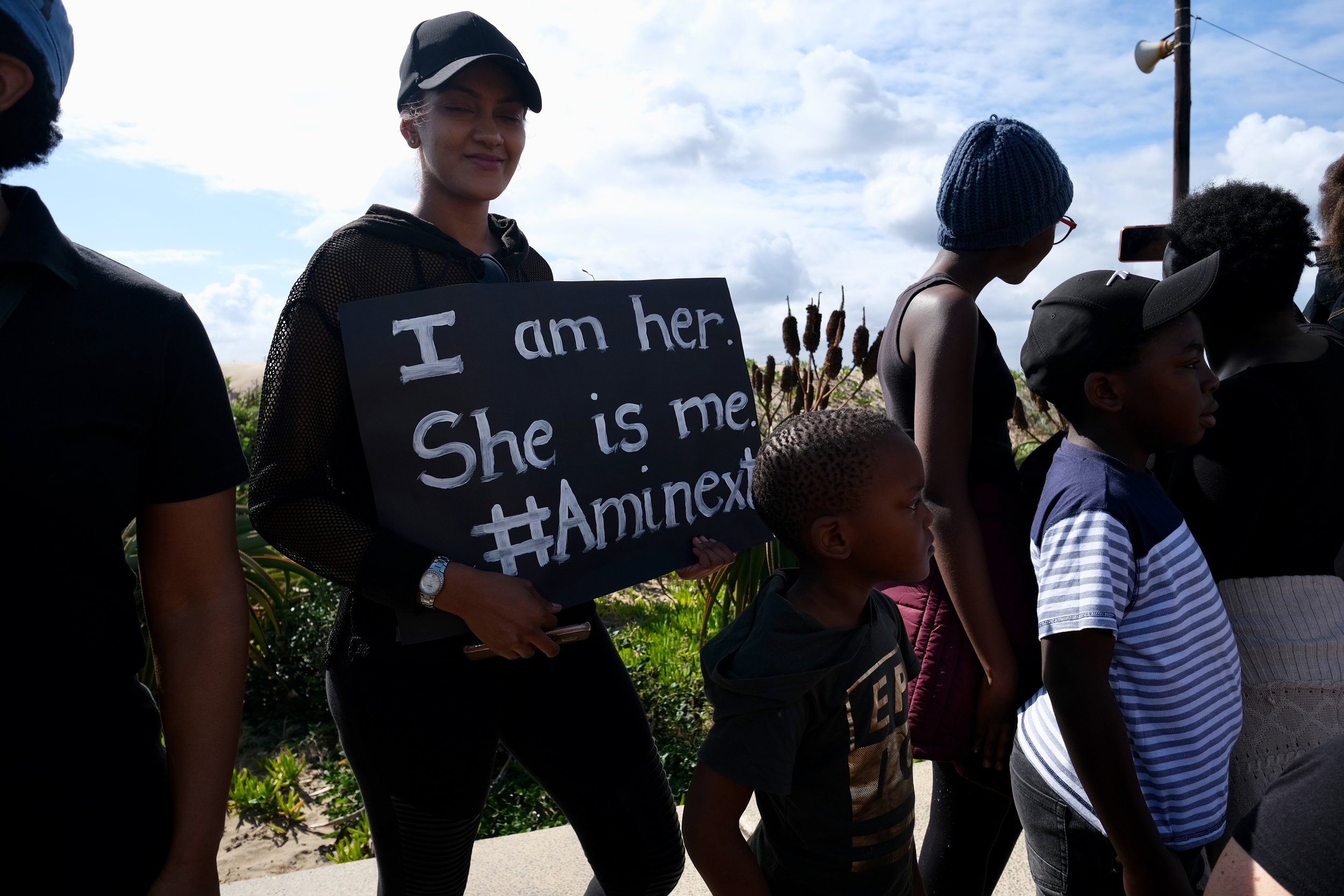
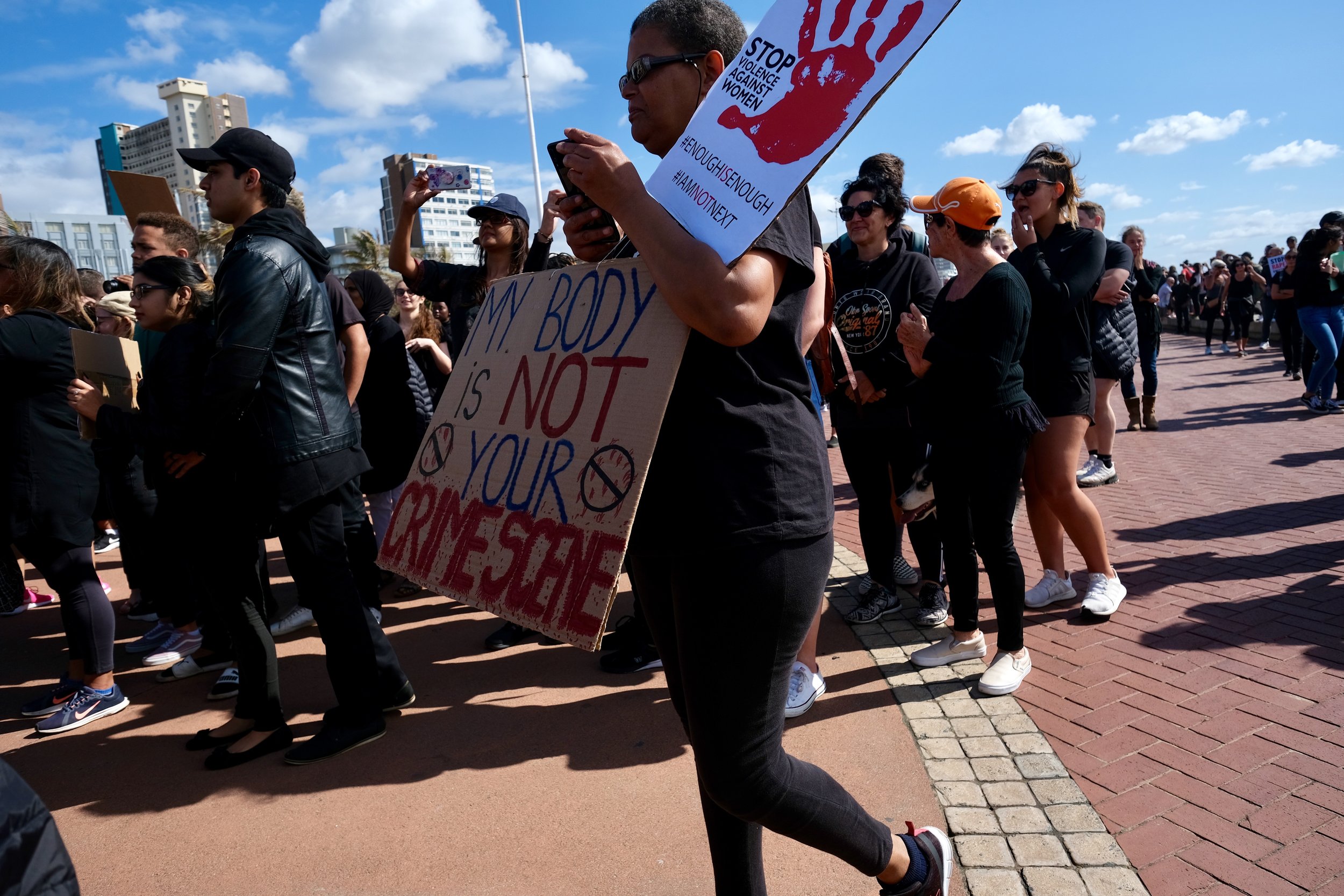
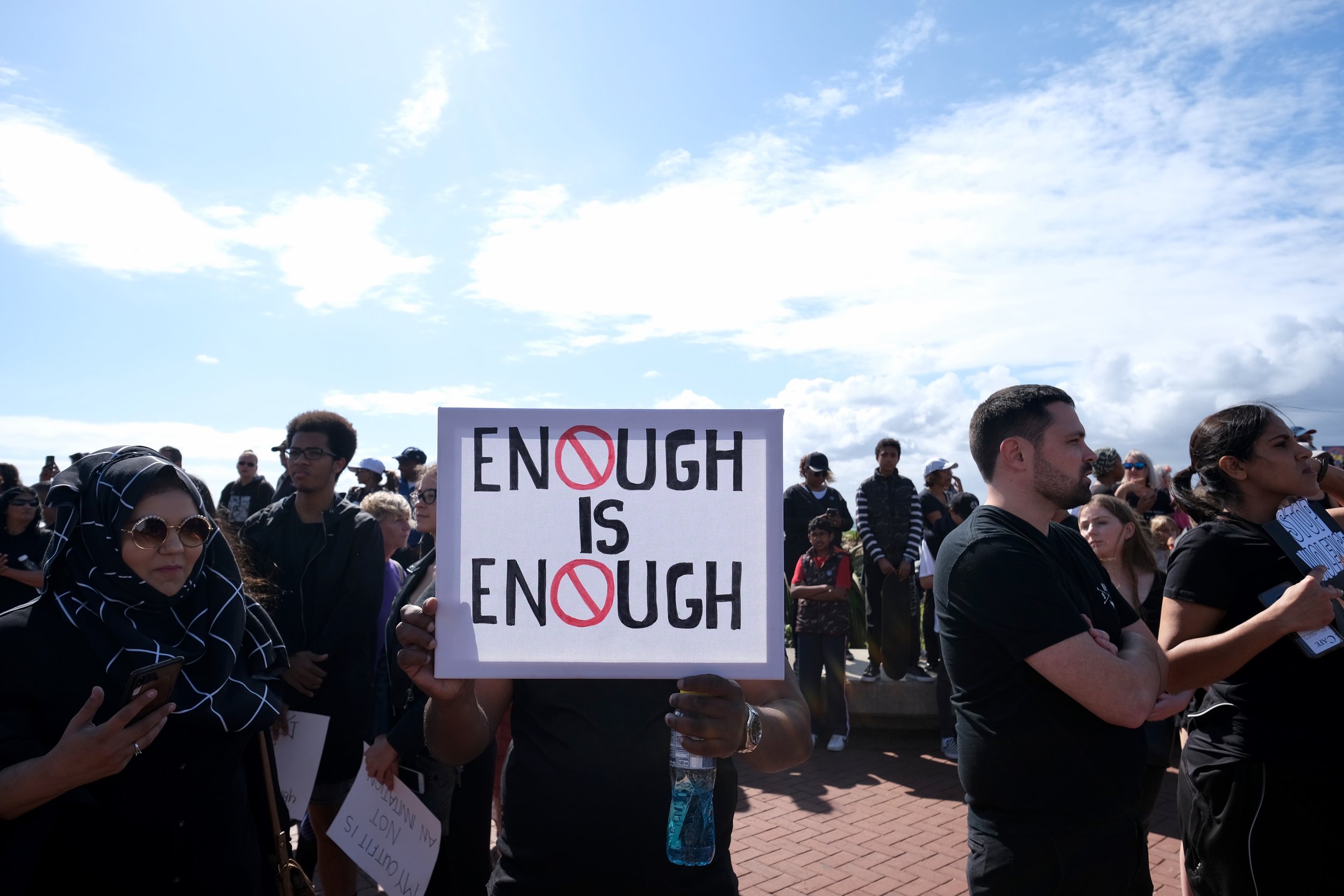
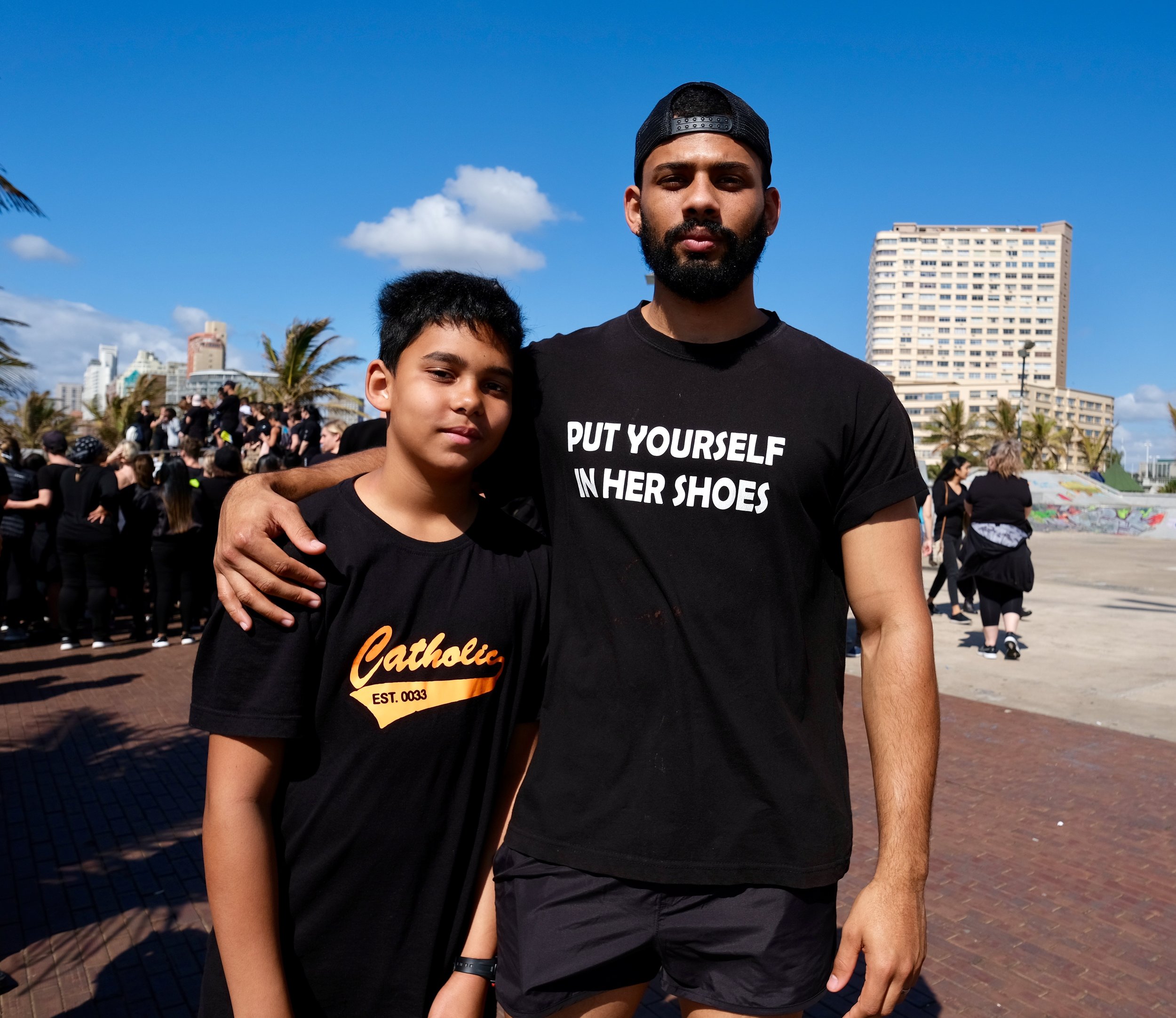
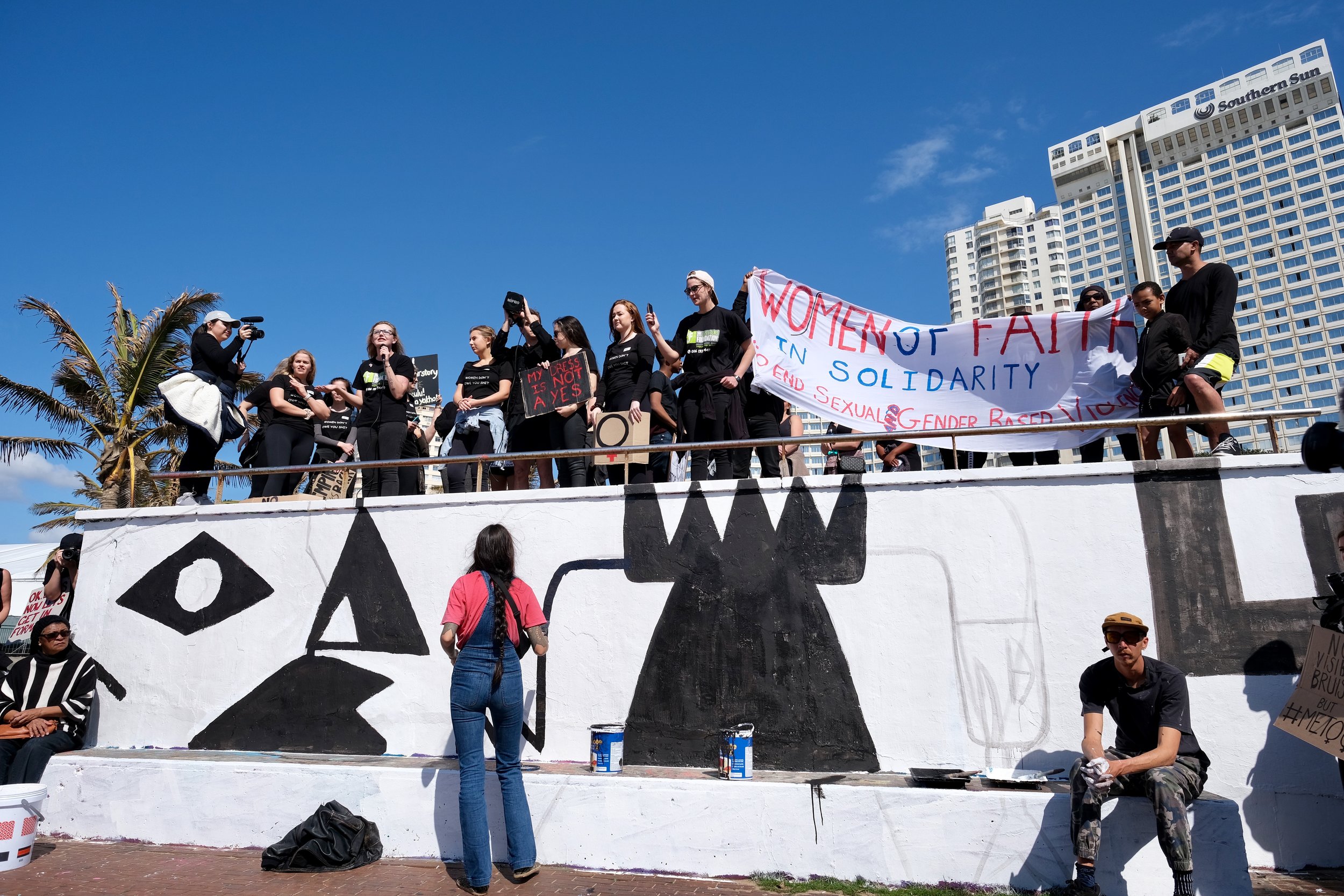
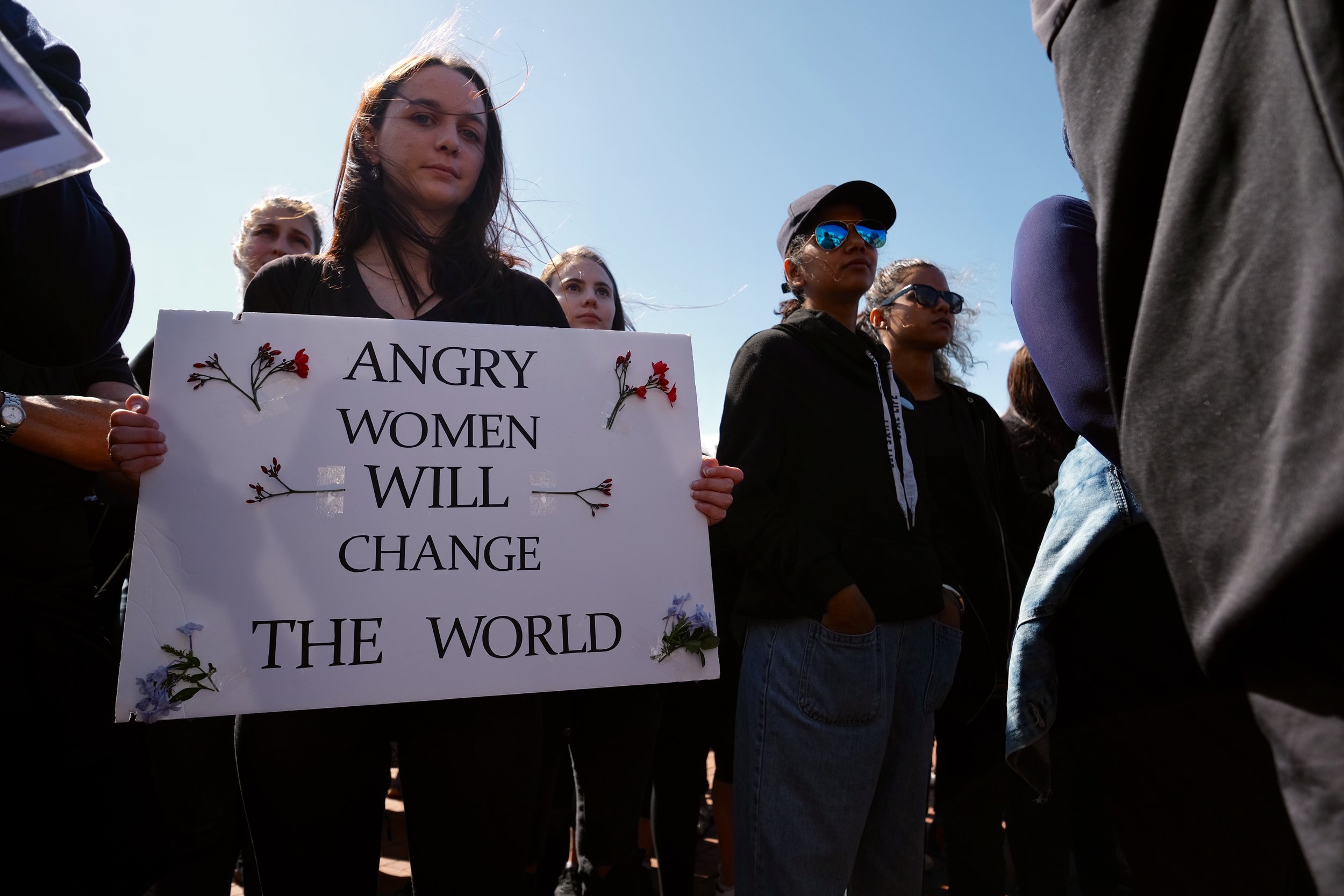
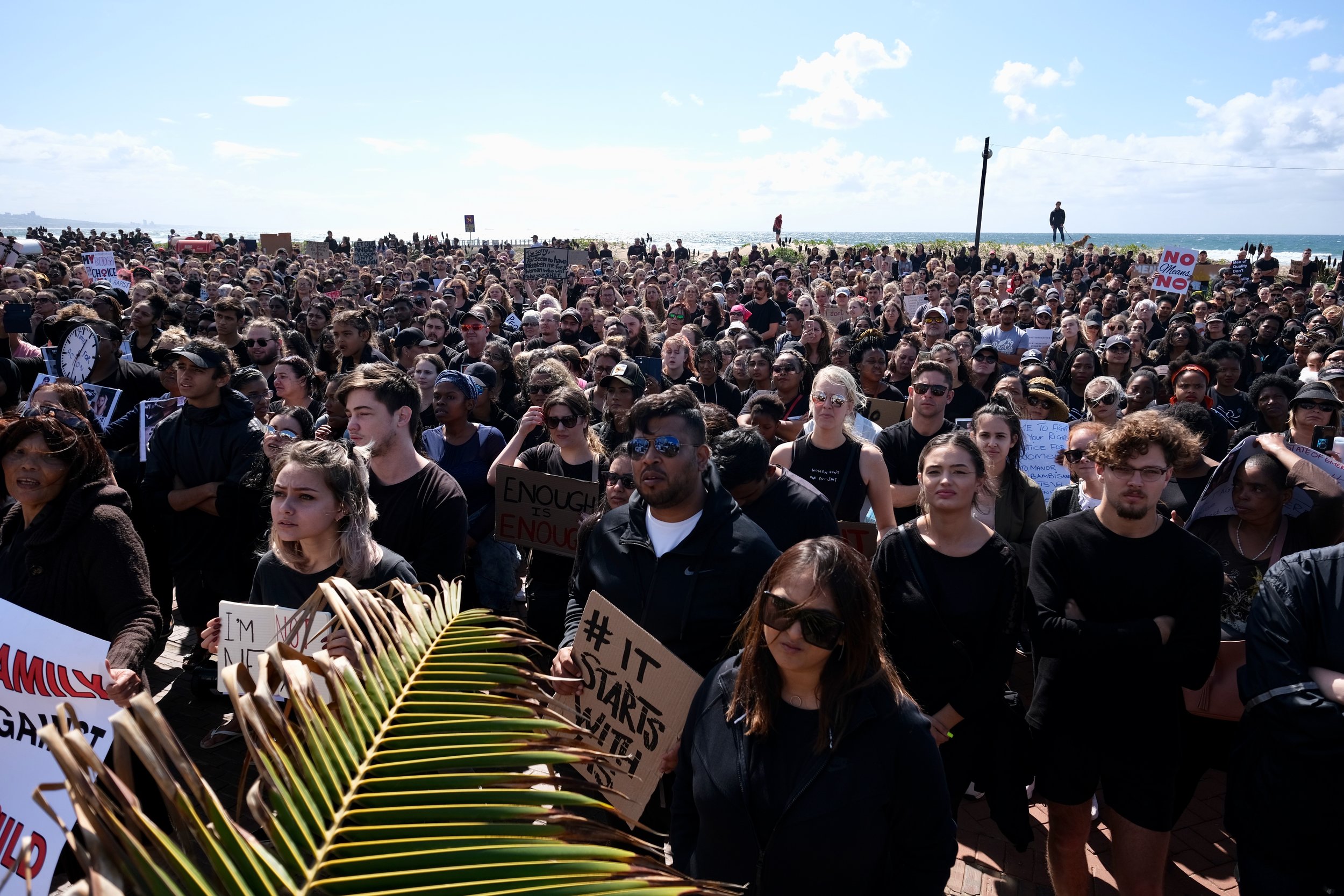
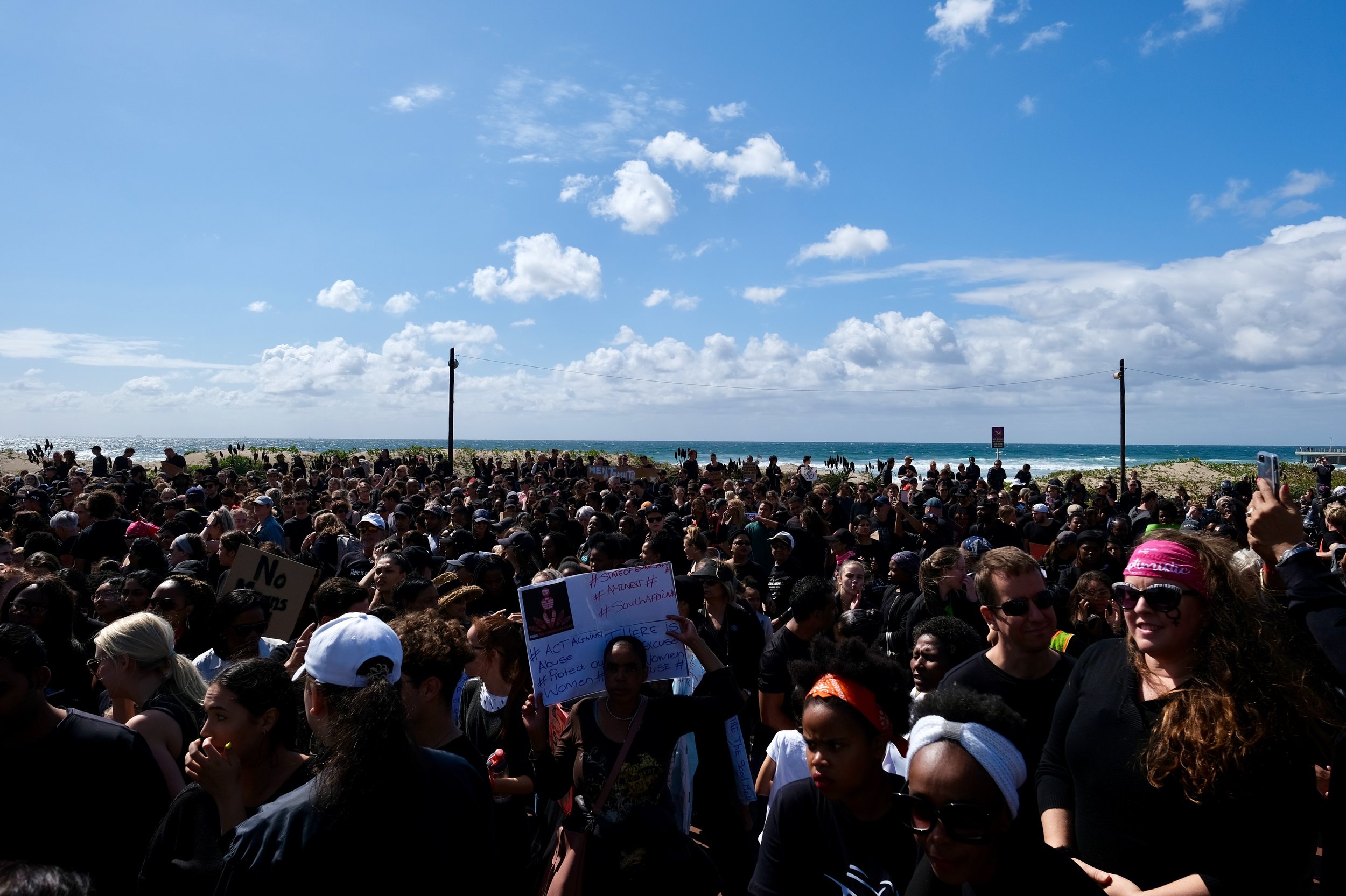
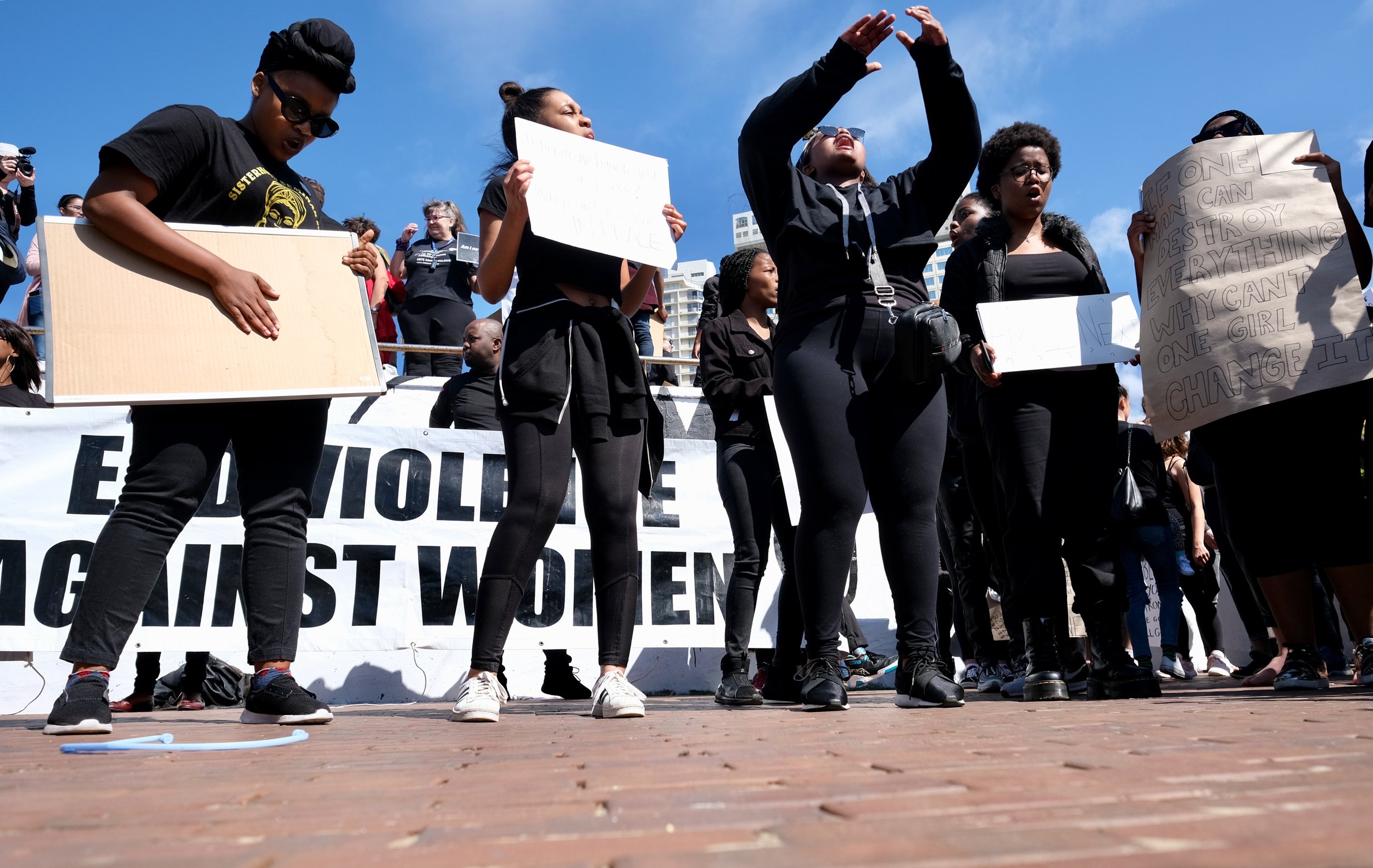
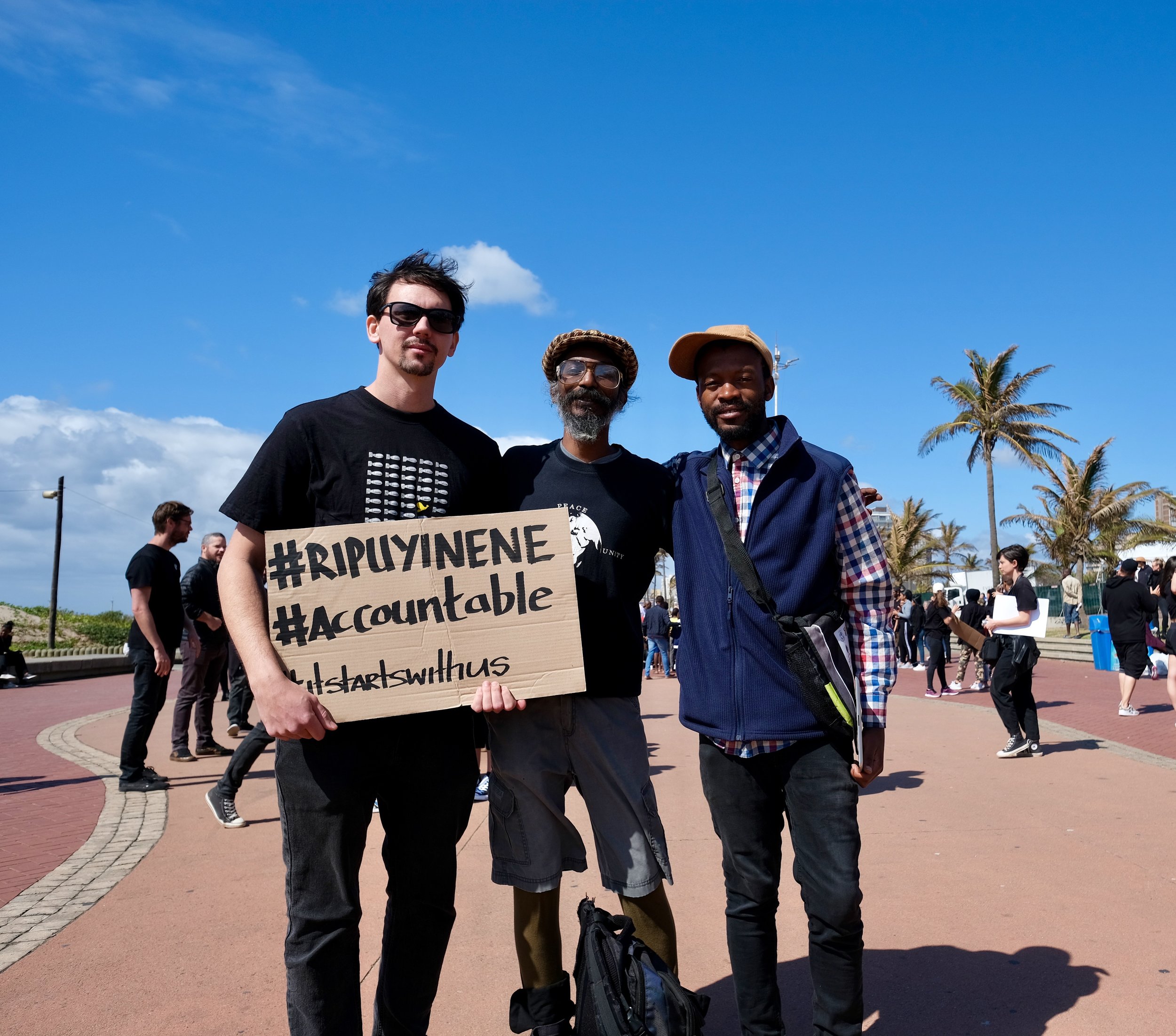
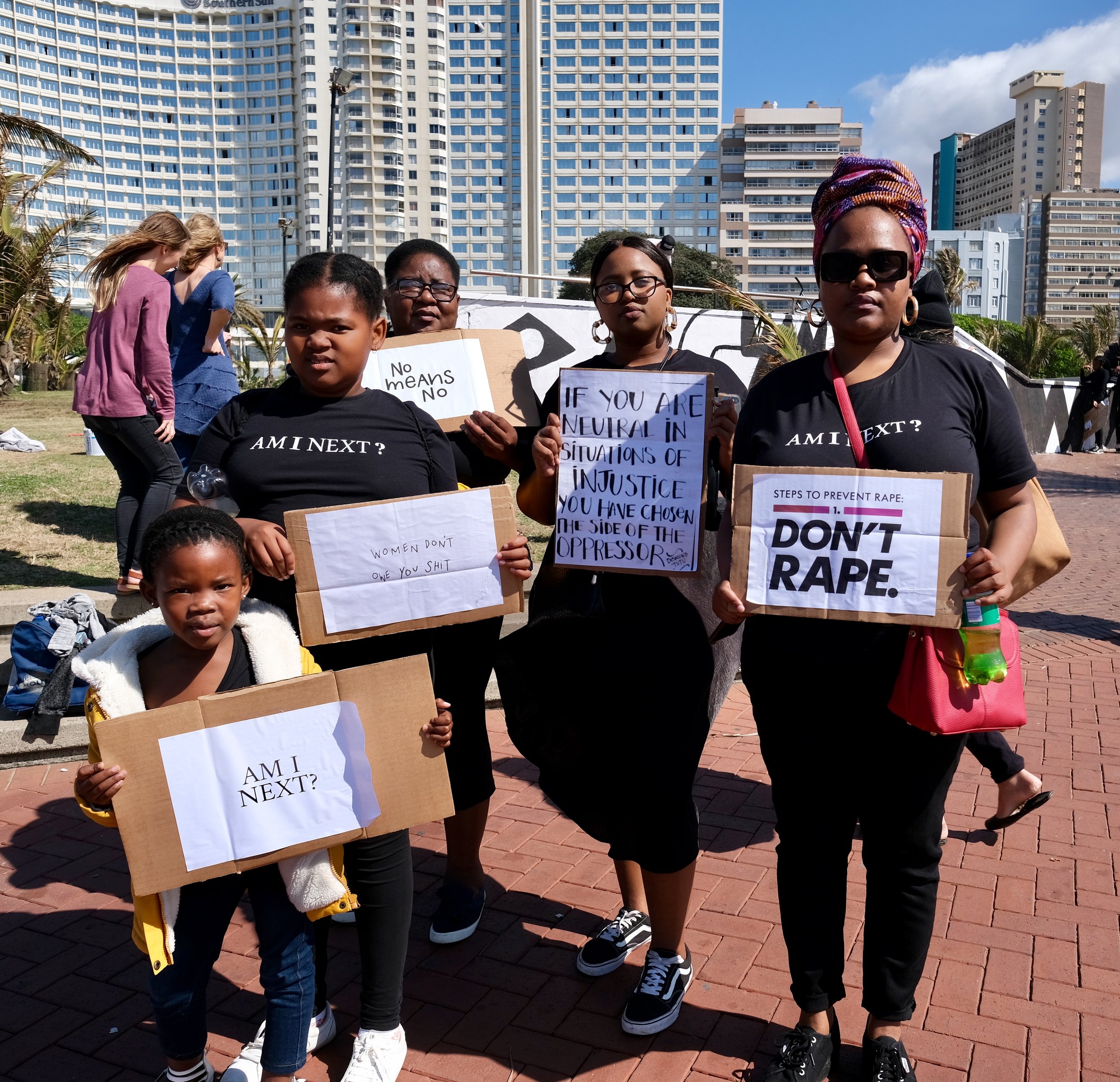
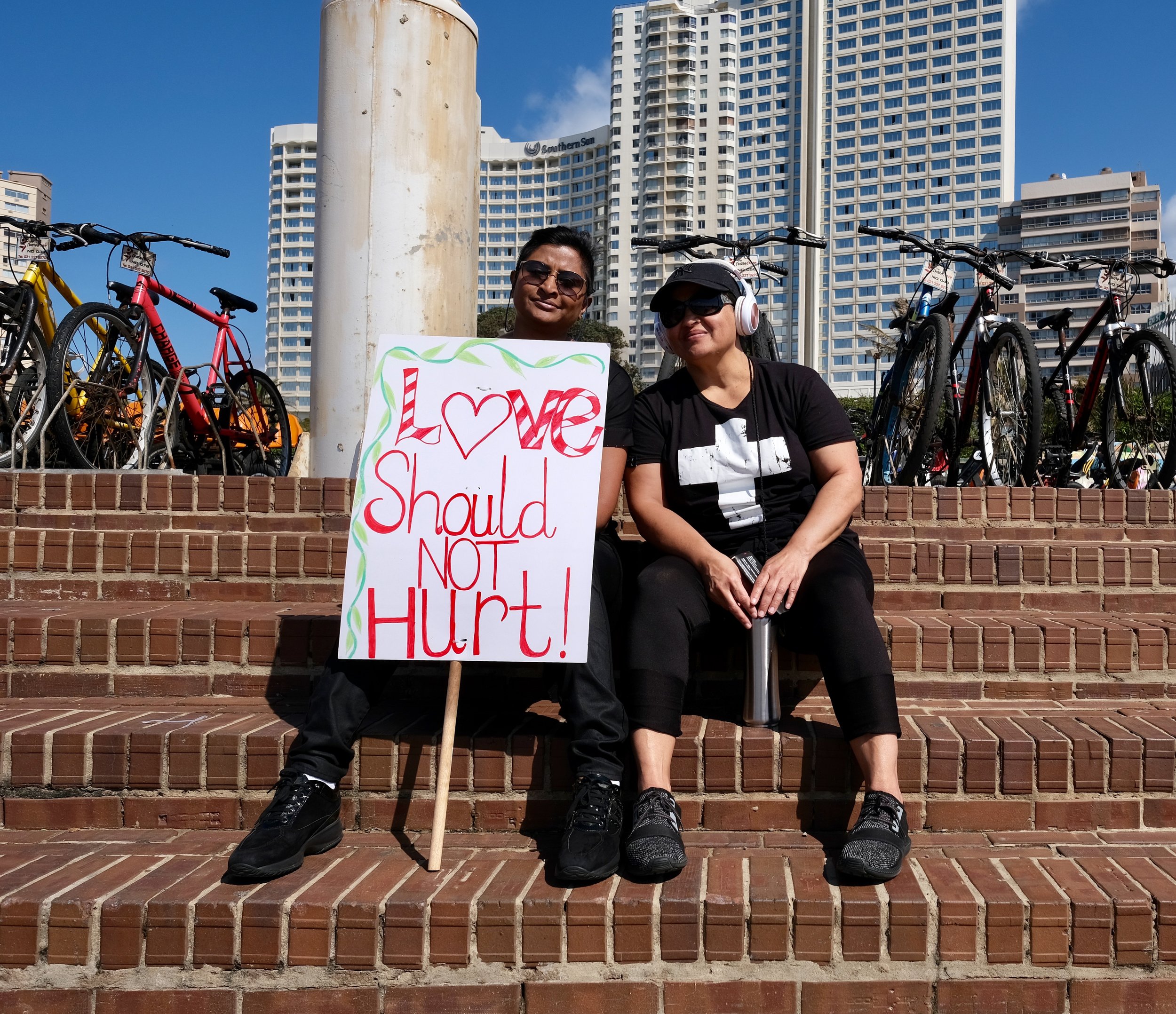
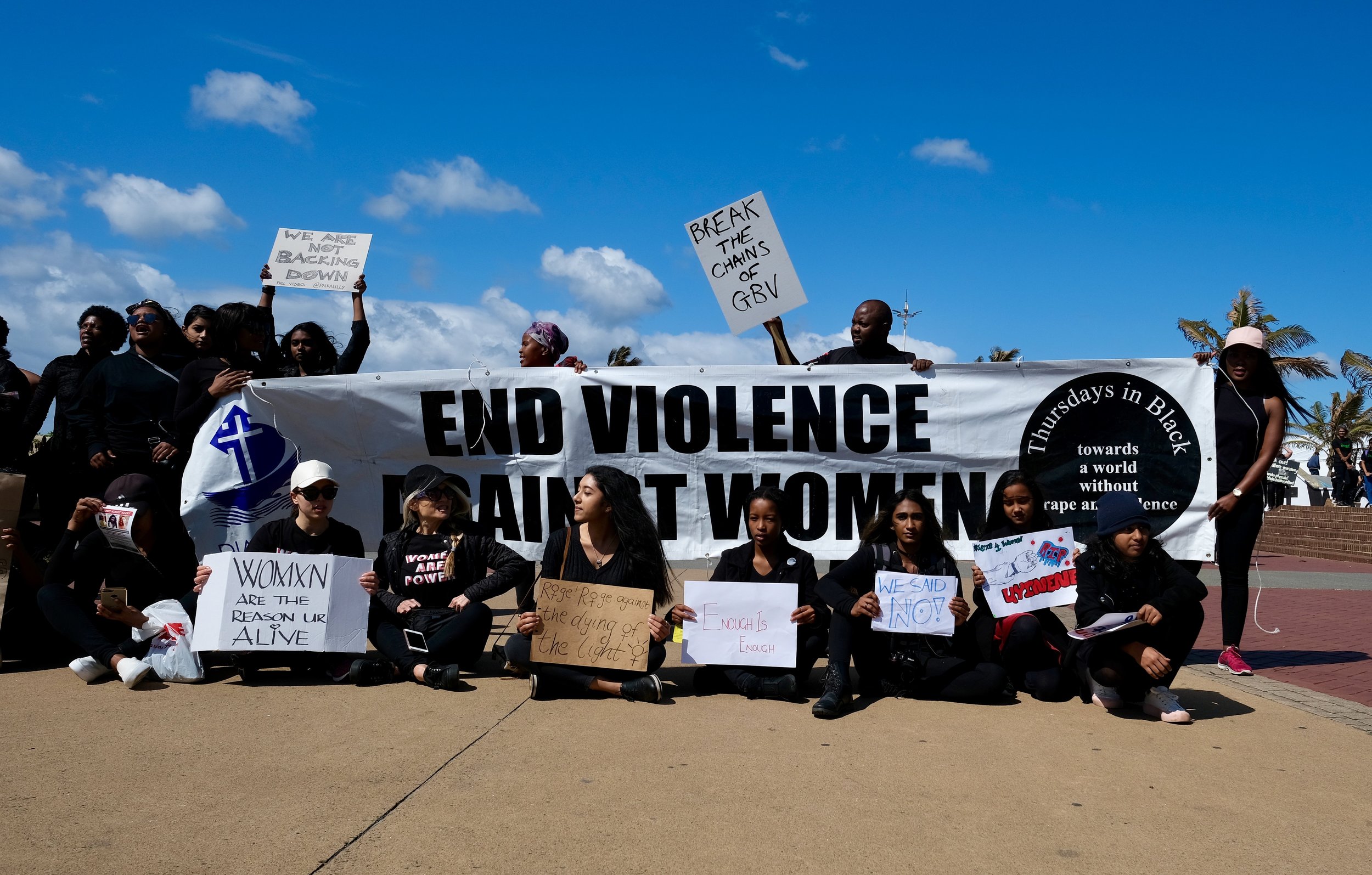
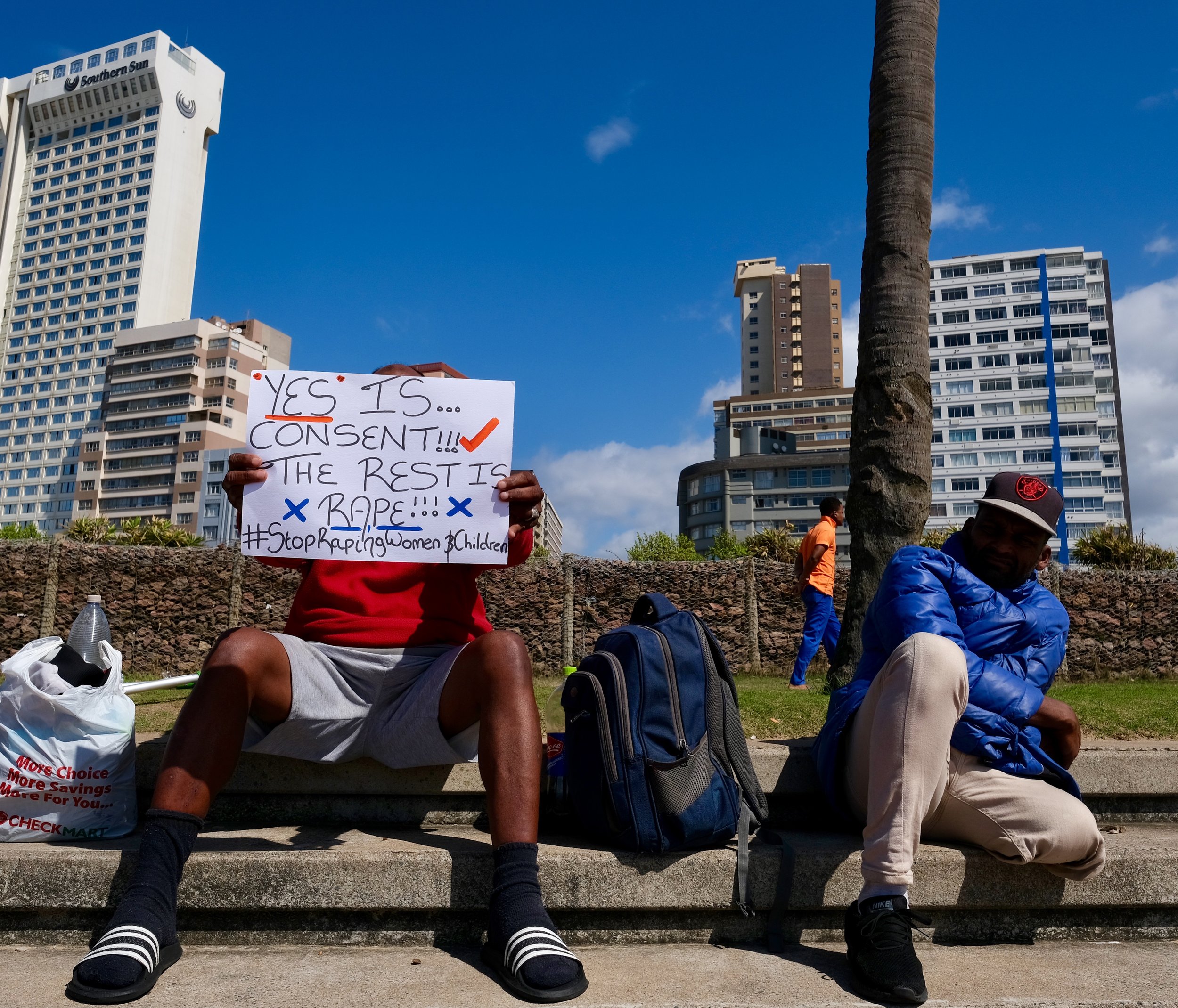
As people of all walks of life united against gender based violence in Durban on Saturday the 7th of September, Andre Swart was there to capture this historic moment. Although there were numerous other protests taking place on the same day around KZN and South Africa, Andre attended the Accountable: Brothers, let’s walk, facilitated by BESETdurban, which started at Afro’s and walked yo join with the Justice For Women March., which started from the opposite direction. Solidarity in Action.
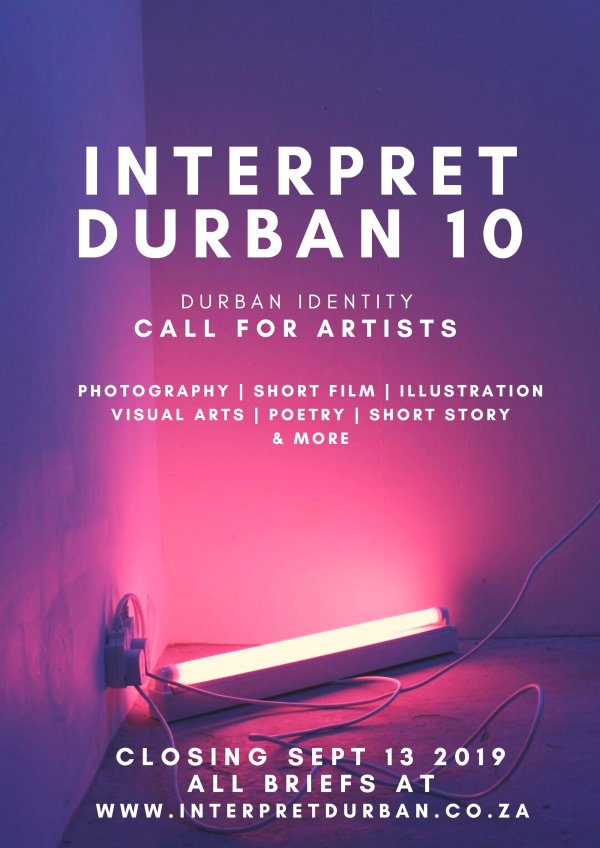
Interpret Durban is turning 10 and everyone is invited to come and celebrate the past decade of creative abundance. For those who are unfamiliar with this event, Interpret Durban 10 (or #ID10 for short) is a creative competition that brings together photography, short film, illustration, visual arts, poetry, and the short story.
All the competition categories are open to the public and entry is free. The submission deadline is Friday, 13 September at 5 pm. Please visit the ID website at interpretdurban.co.za or like Interpret Durban 10 on FaceBook for updates on drop off points for the competition entries and for the detailed briefs of the respective categories. Fittingly, #ID10 turns inwards out to excavate Durban Identity as the thematic common thread. An identity shapes Durban as our space and links us as those who inhabit it. For #ID10, identity can connect and disconnect; can facilitate us finding common ground; can weave unity and understanding. Ultimately, identity can speak to assimilation, status, hierarchy, stereotypes, connectivity, change, the (meta)physical, and the individual or the group. Yet, identity is more than a static pigeon hole: It breathes as it flexes and embraces. ID10 yet again offers the kind of incentive and challenge artists always long for but seldom get. So, listen up: spread the word and let’s Interpret Durban and find that common thread. Over the years Interpret Durban has built a name in the industry not only for their amazing prizes but moreover the high calibre of entries that come pouring in each year contesting for one of the top spots. Prizes this year include cash winnings, gallery exhibitions and more Durban proud awesomeness.
To be part of this great creative challenge and stand a chance to win your share of over R50 000 in prizes, gain entry for free and exhibit with the best Durban has to offer at #ID10 all you need to do is go to www.interpretdurban.co.za and download the brief form for one of the categories mentioned above. The unique ID model showcases local—frequently undiscovered—artists, celebrates our one-of-a-kind city, and throws one heck of a party for the award ceremony. This fest will take place on Saturday, 21 September. Visit the #ID10 website or FaceBook page closer to the date for more information.
“A certain administration which I won’t call by name took the arts out of the schools, and that left the brothers out on the street with nothing, so they went to the turntables and started rhyming. Then they had a way to express themselves, and that’s the birth of hip-hop”. -Isaac Hayes.
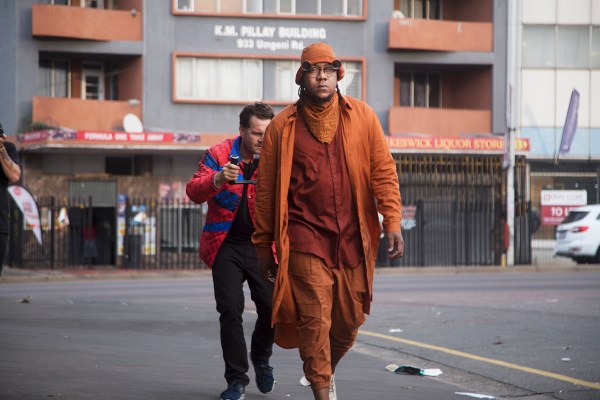
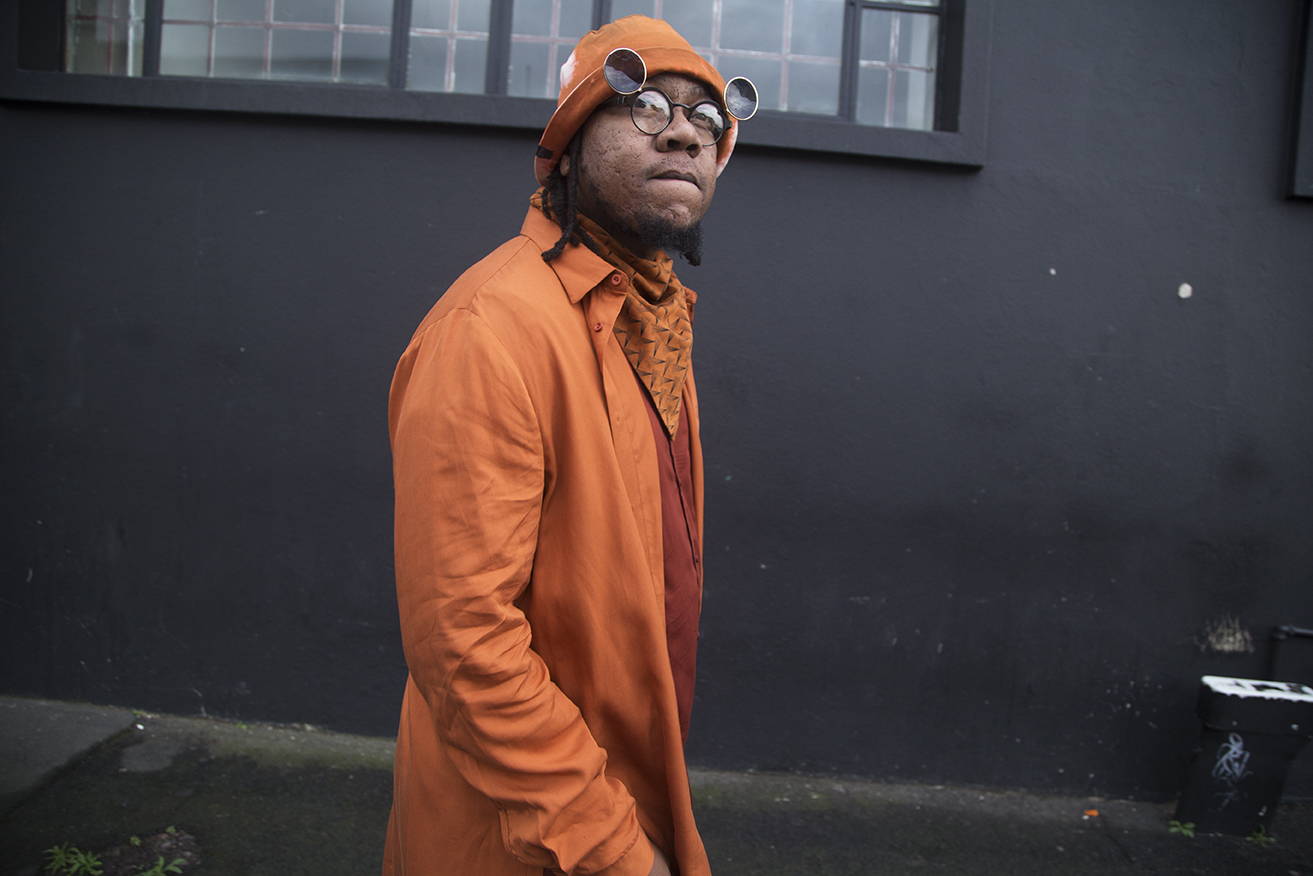
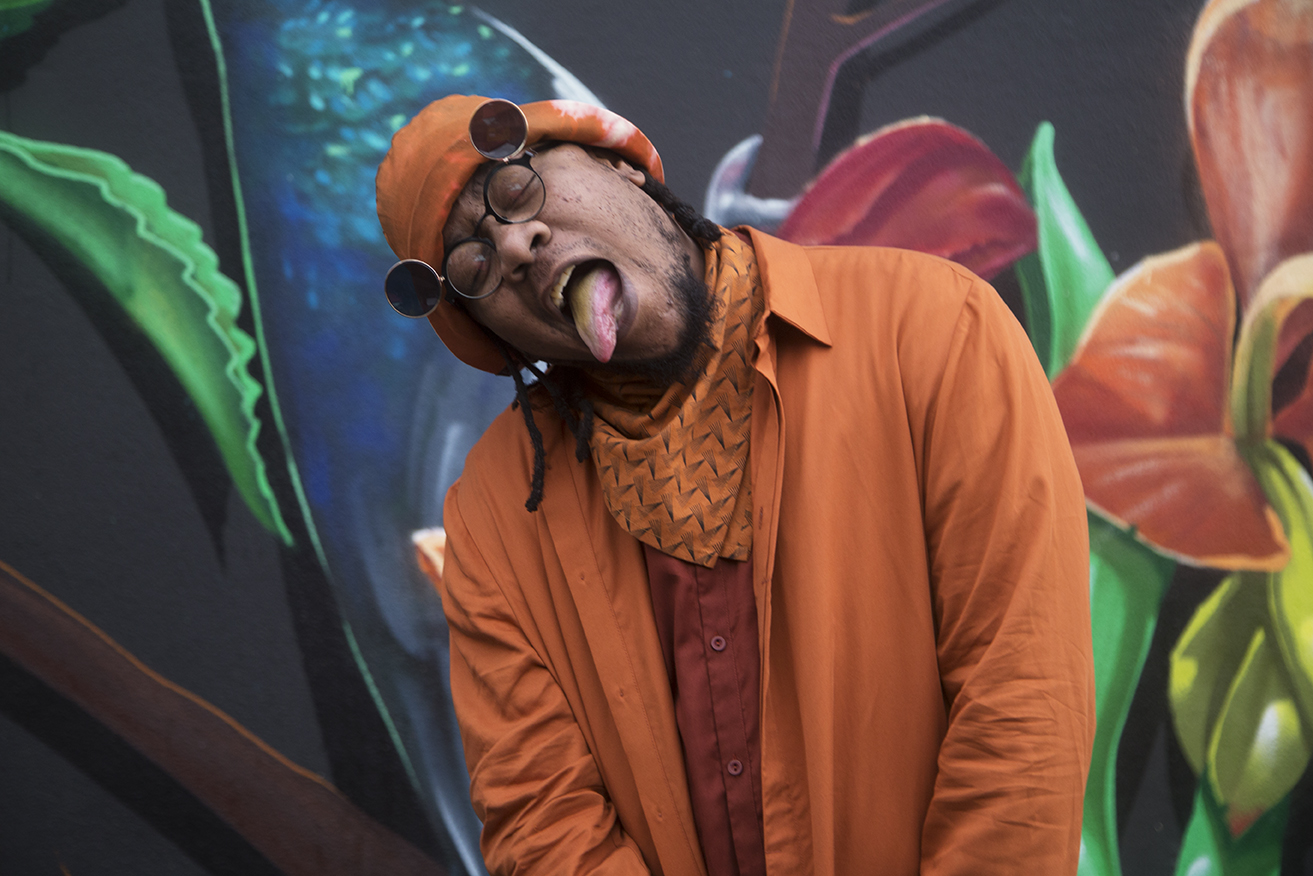
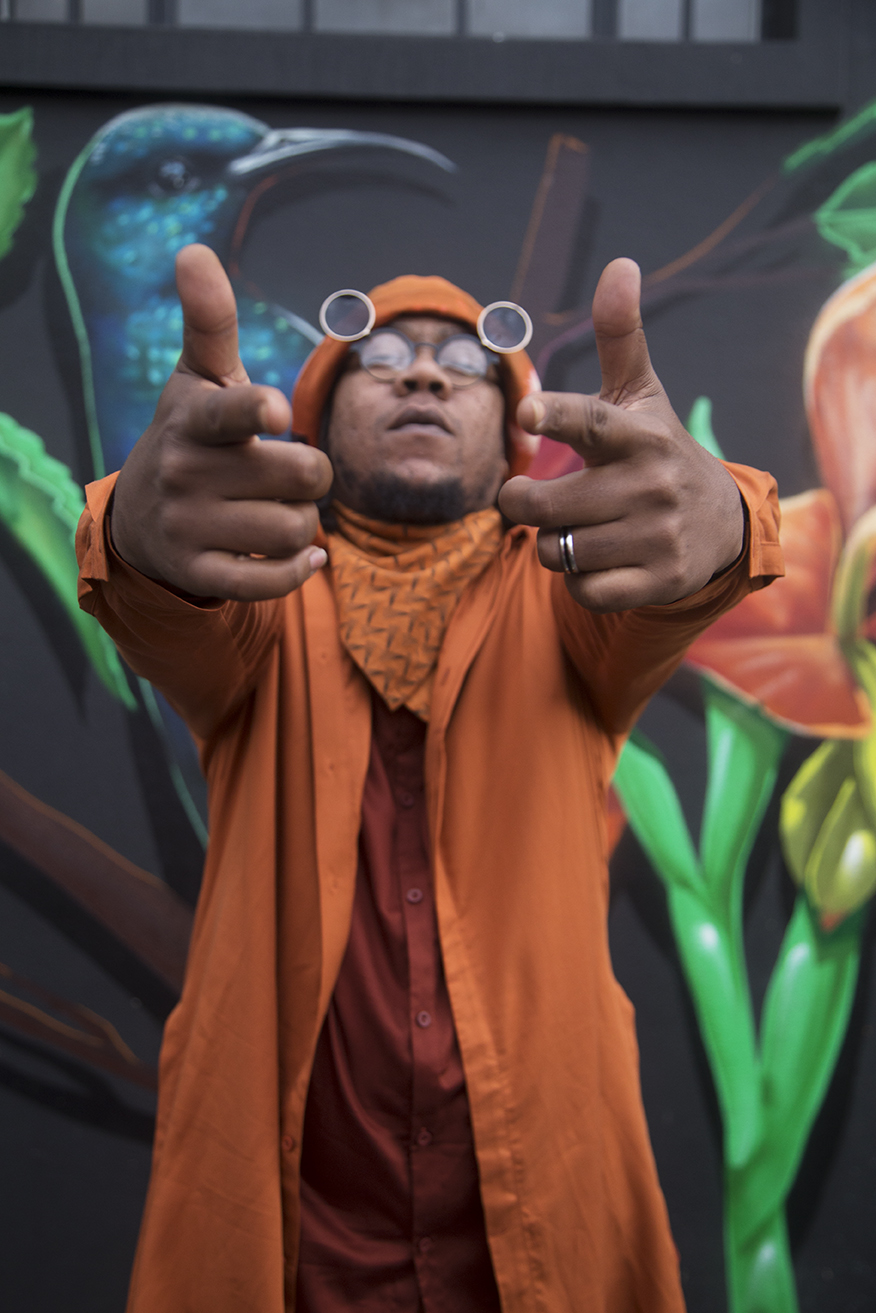
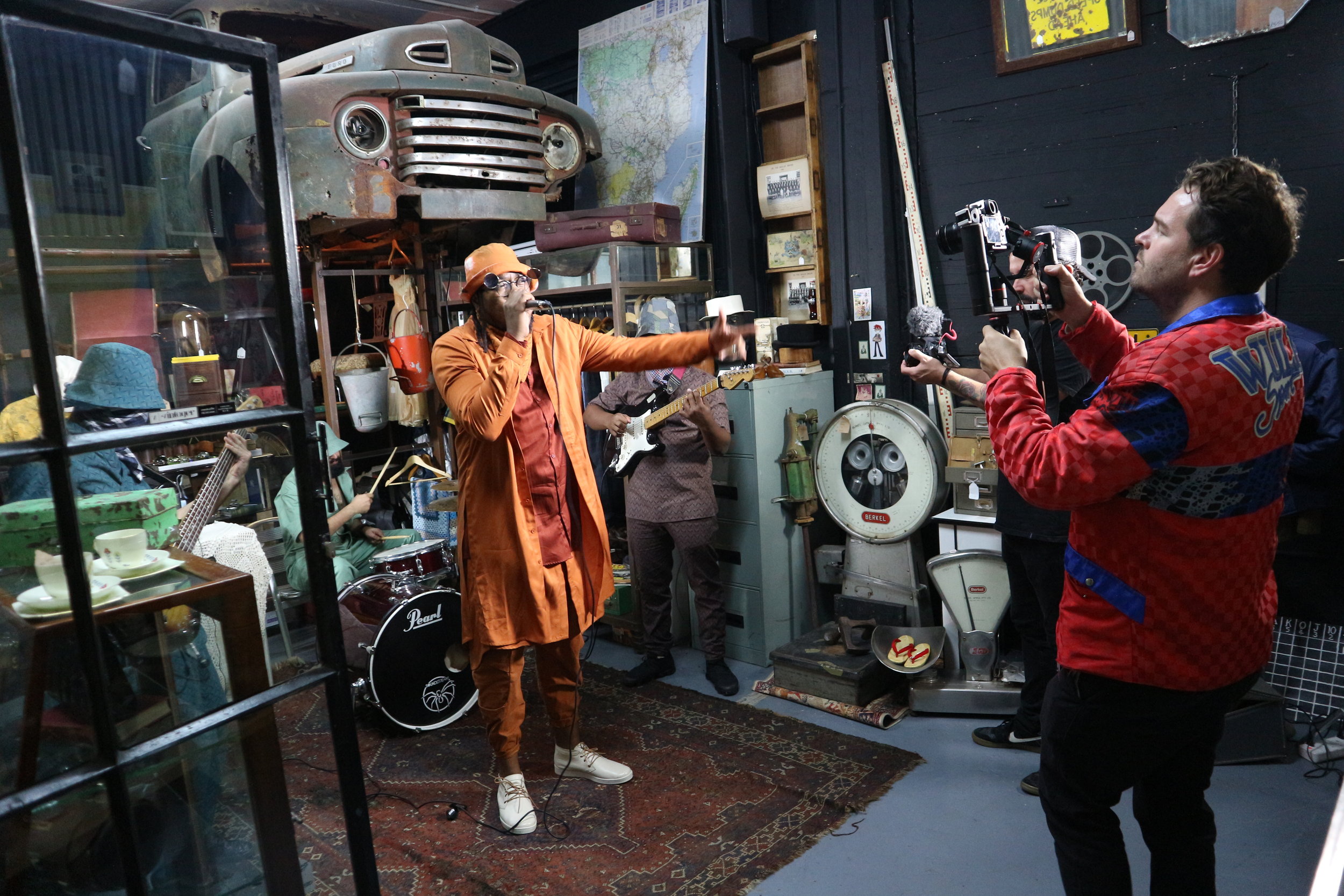
Raheem Kemet is an artist that has lived and breathed hip hop for a very long time. From humble beginnings as a street MC to playing with a full band at major festivals, he has proved time and time again that he can deliver a charismatic performance on any platform. Since his introduction into the music scene, there has been a clear and perpetual evolution and growth in his artistry and approach to making music. This approach has taken this creative entertainer from the back alleys of grimy Durban to stages in Reunion Island and Seoul Korea. He has now signed a recording contract with Sony Music Africa, as well as being a partner in the new entertainment enterprise EMG.
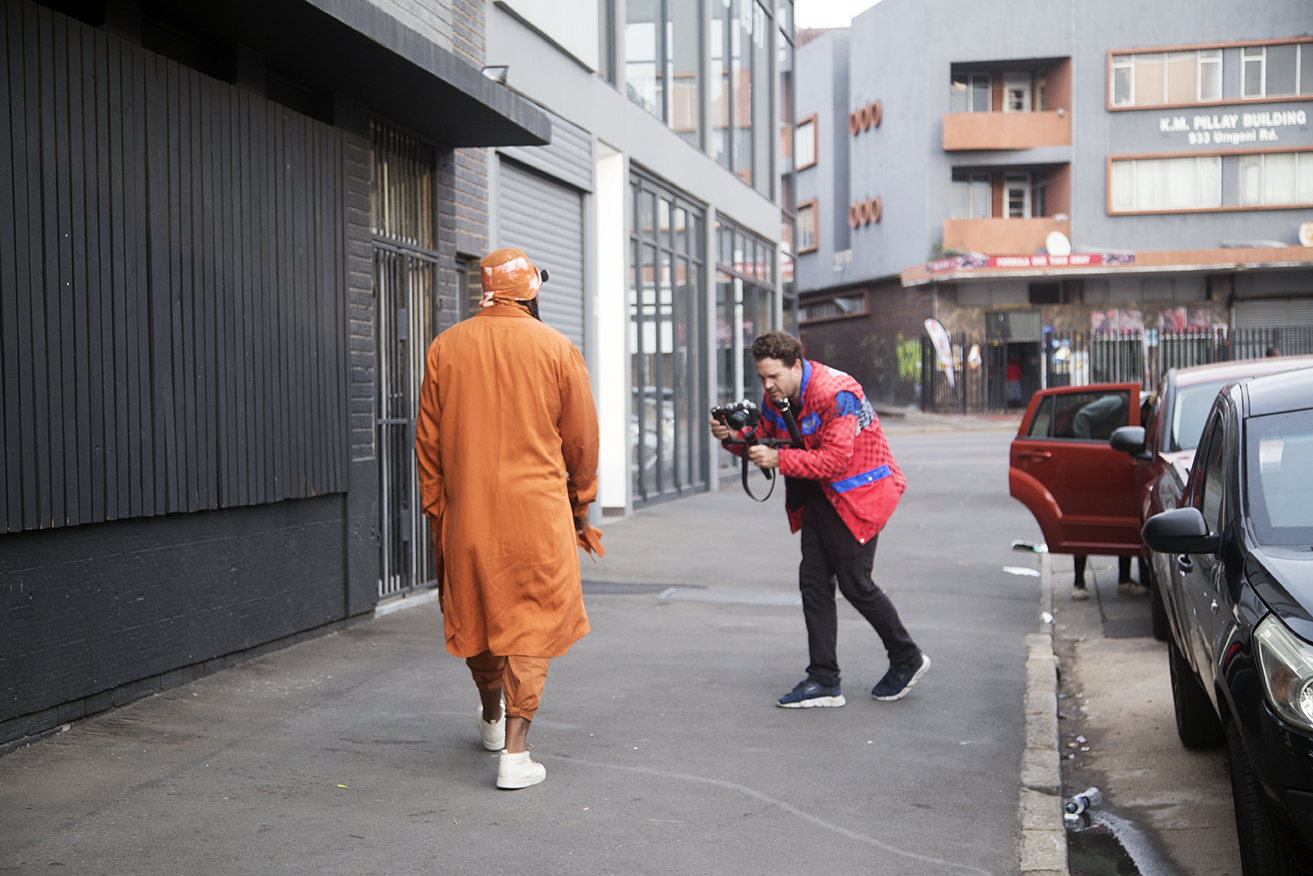
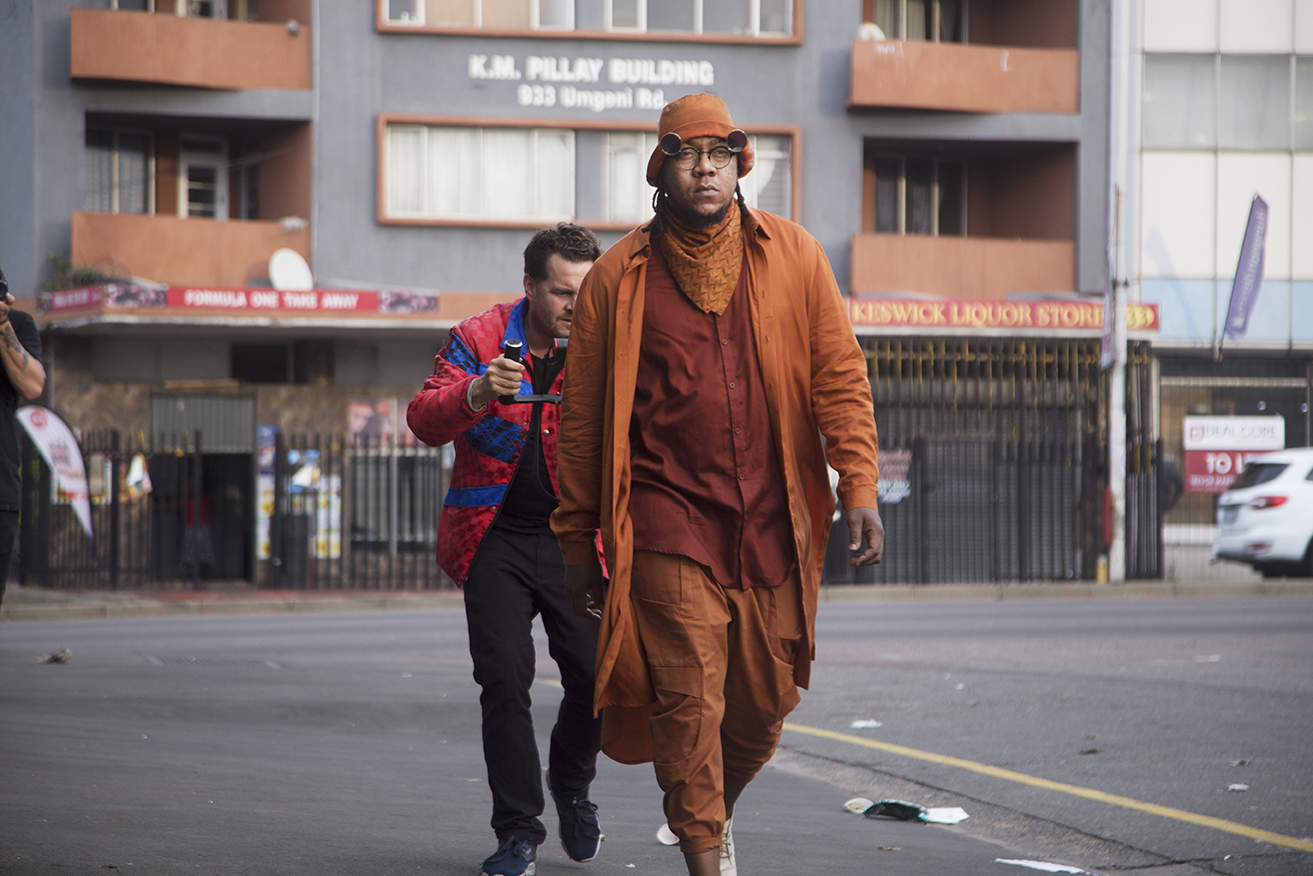
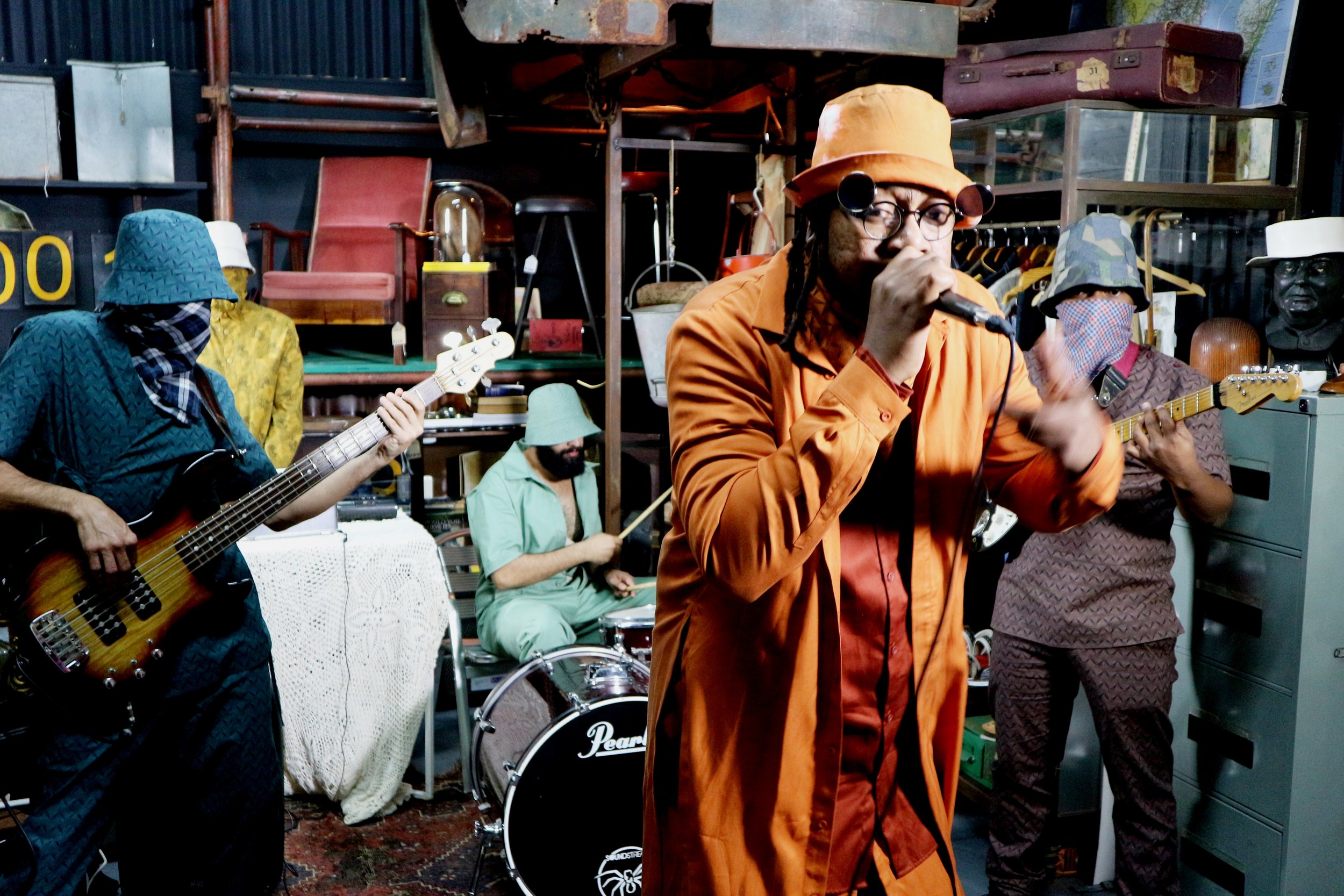
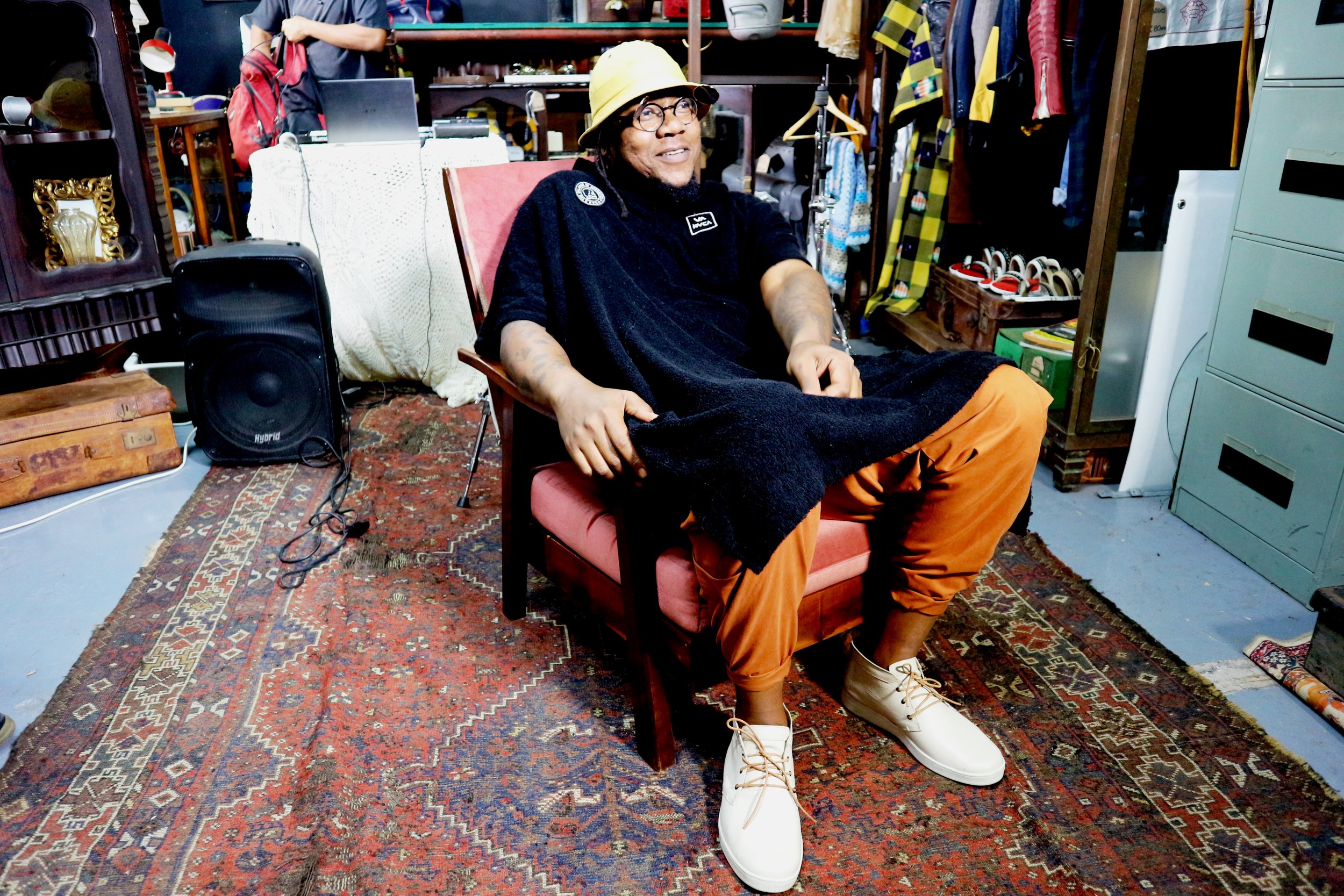
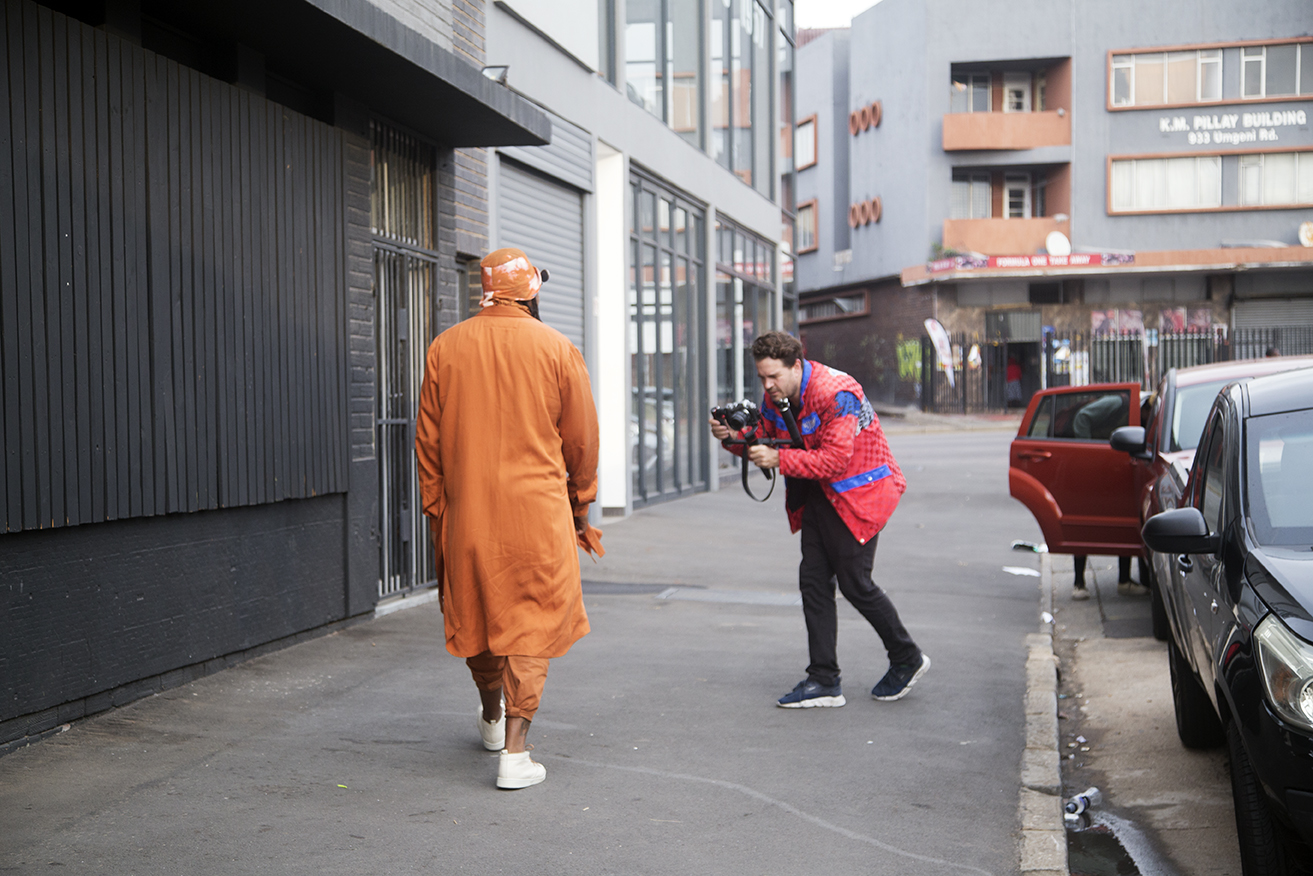
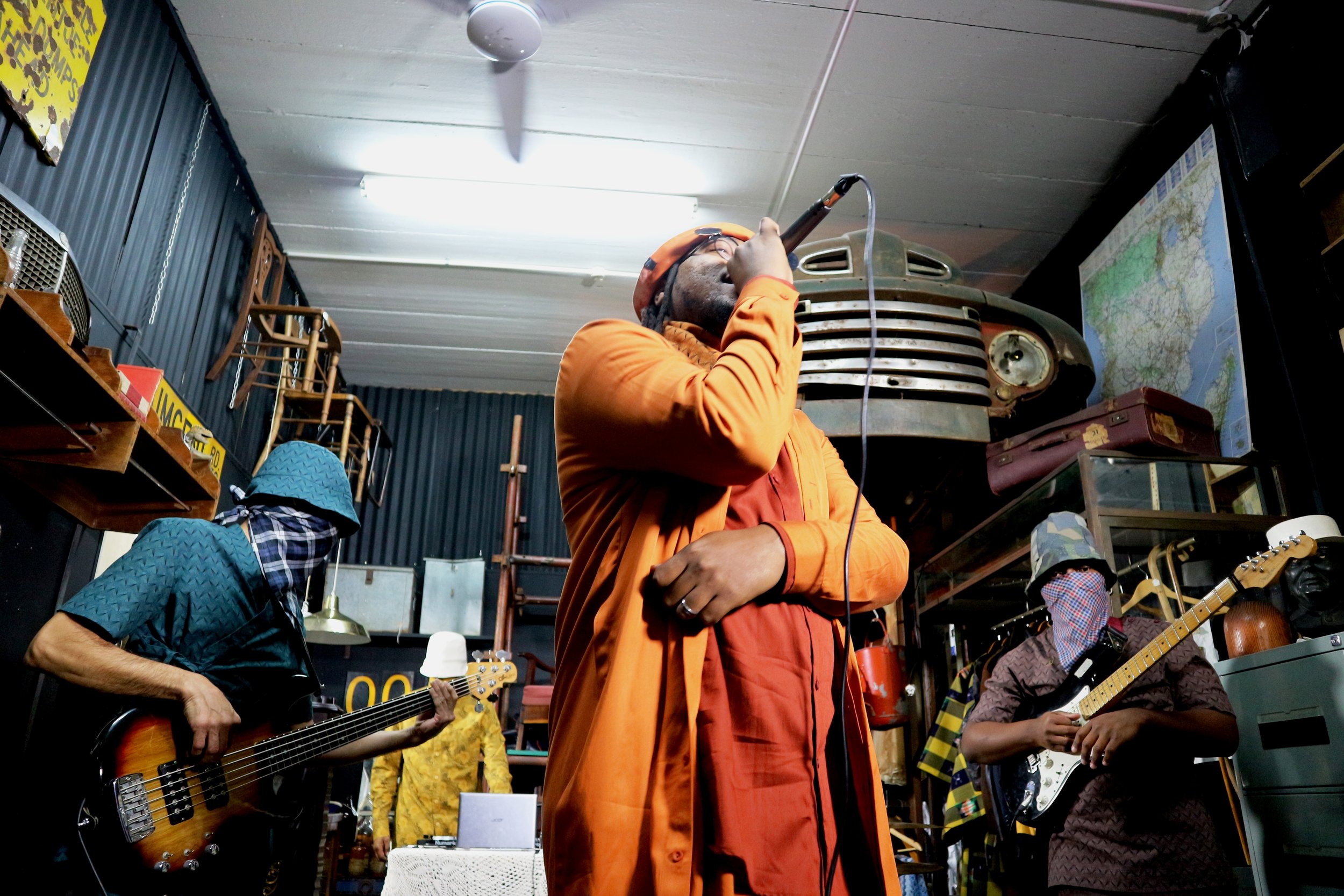
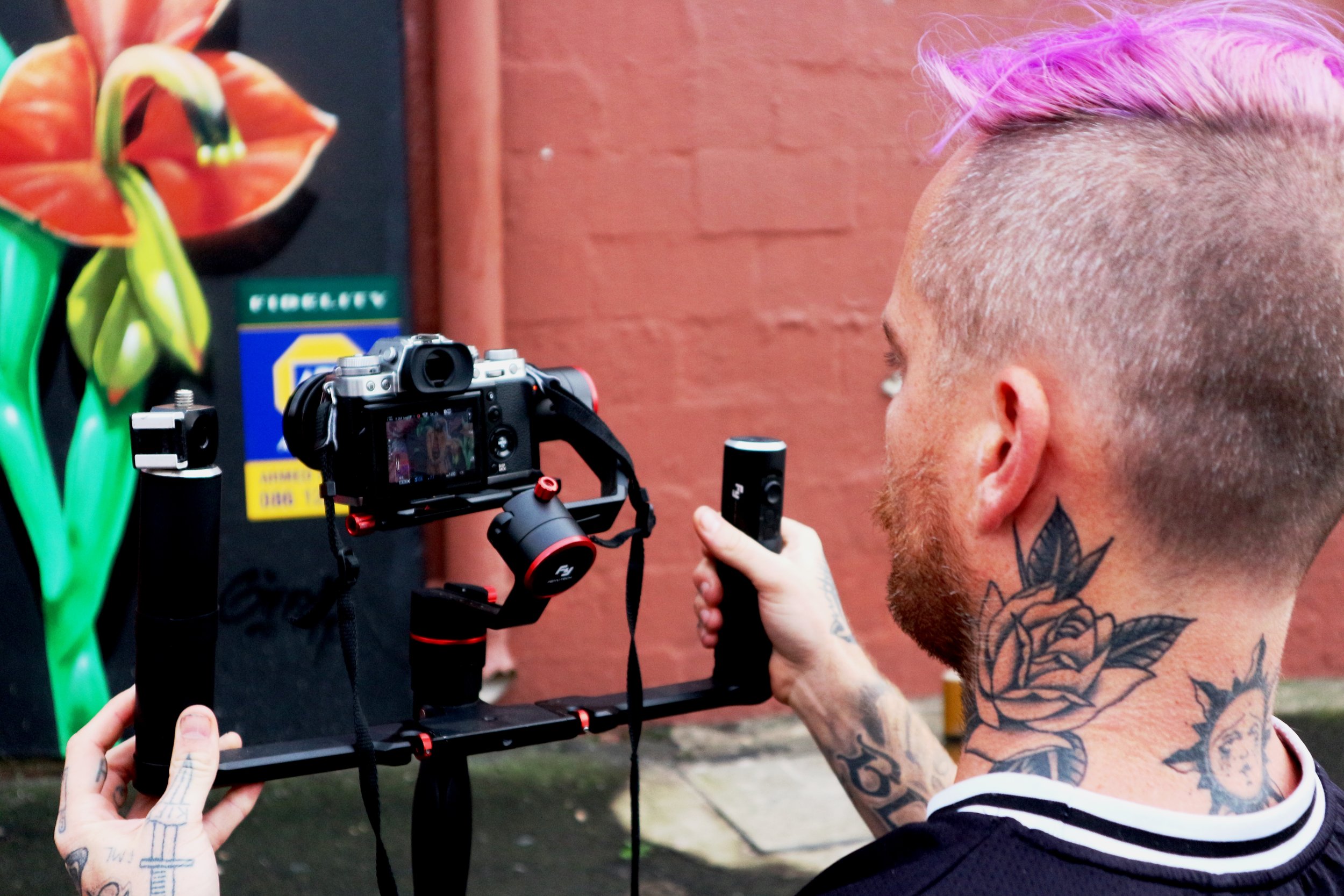
On a grey winter’s morning, Raheem and his band The Maku delivered an up-to-the-minute performance in a distinctive location at The Vintager, 6 Station Drive, Durban. The segment was filmed for Aweh.online, by Justin McGee, Ricky Basnett, and Marc Maurel. The clothing was supplied and designed by Amanda Laird Cherry Apparel, with styling from Luyanda Sosibo and Alc Man. We caught up with Raheem to get a little more insight into his music. The video was edited by Justin McGee…
Image by The Urban Nomad
The Maku band members consist of:
The Grand Duke Raw: DJ
Logan Byrne: Bass Guitar
Yeshindra Naidoo: Drums
Drums Mthunzi Mchunu: Guitar
Nkululeko Sibisi: Keys
1. Firstly can you give me your name, age and what you do for a living?
Image by The Urban Nomad
Born Abdul Raheem Abdul-Rasheed aka Raheem Kemet. Age 36. Artist: Rapper/vocalist/poet. and one of the Entrepreneurs and Directors at EMG(Elevator Media Group) where I have teamed up with my brother Shaquille Abdul-Rasheed and Luyanda Sosibo in this exciting new venture.
2. Tell us about the culture of hip hop in Durban and what attracted you to the sub-genre initially?
Early 2000’s, I thought I was rapping when I left home and headed for my first ever gig that I was booked for taking place at a club called Rocbees on Stanger Street. See, the show I had soundcheck for was a fashion show that was gonna start later that night. Anyway, I arrived early enthusiastic as ever although trynna play it mellow because this was uncharted territory and I had to represent. There was some sort of audition going on and I didn’t understand, because why would I have to audition if I’m already booked? Regardless I thought it was a screening for the show to make sure no wakness got shine on that stage.
I stepped up and did one joint in front of these two afro-centric judges, whom one of them (blaq fist, Keith Kunene) I later would team up with for a few concept shows as The Reapers.
Got off stage and was told by the judges I didn’t make the cut. DJ NKA, the selector at that time pulled me aside and gave me a few wise and encouraging words, “you’re dope and got great potential, you just need to rap about your surroundings and tell your story, representing where you from” That was it, I got introduced to the true school of Durban’s hip hop. Took down his number, went home, wrote a new verse and called him to kick the script. Also, I got called by the fashion show later that afternoon and did do my first ever paid gig as an Emcee.
3. So what has been cooking in the Raheem Kemet camp at the moment, what can your audience expect from you in the next few months?
Musically, On the release front, people should lookout for a new single I collabed on with the multi-talented Raplyf artist and Producer Makwa, facilitated by Sony Music Africa and co-produced by Wes My Meds. I did most of the composition on this track with a little help from some guest producers. I just launched the campaign #Takemetoseoul for the Home Cooked Sessions event series with my business partner Luyanda Sosibo under our new company EMG (Elevator Media Group). The campaign and event series focuses on mentorship, giving a platform to local talent as well as being the bridge that facilitates new opportunities.
Image by The Urban Nomad
Something that’s been quite exciting to develop in the recent months is the live band concept to my music, and soon I’ll be introducing ‘The Maku’ to my live performance repertoire. The name is quite personal to my story and sets the tone for the African cultured elements I want to incorporate into my music.
Raheem Kemet & The Maku is a 6 piece ensemble bridging the gap between live and electronic instrumentation – orchestrated around music composed by myself. Together the ensemble produces a melodic fusion of sounds influenced by Jazz, Neo-soul, Hip Hop and Electronic music.
4. Tell us the best and the worst aspects of being a Durban creative?
Best, I create better here. The worst, the industry is at its infancy which in turn becomes a catalyst of the crab in the bucket syndrome for those who remain stubborn with unteachable spirits. Have a teachable spirit and that alone will cover a lot of ground in the journey ahead. Surround yourself with people who are as eager as you in your career. Remove the kak unapologetically.
5. Any advice for the young up and coming rappers trying to get into the scene?
Be open to learning. We all learn new things every day. Find your purpose in your art, like really dig.
6. What are the best and worst parts of the music industry?
Tough question. The best is when things come together, and the realisation that there’s a time for everything. The worst is when artist die broke because of the lack of understanding in business as well as not taking initiative in finding out more from the available organisations out there willing to assist.
7. What makes the city of Durban unique?
The diversity in our culture, our beaches, our famous Eastern cuisine, the raw explosive talent found in the most unexpected places, our beautiful people and the possibility of greatness in every form.
8. Tell us a bit about where you grew up and some of your early influences getting into music?
I grew up in Hopdale, Newlands West but had family in almost every section around our city.
My childhood and first contact with music was in the form of my mom’s old school soul/RnB/pop records, then my developed fan moments in Micheal Jackson and NWA tapes.
9. What are some of your favourite places to play in both Durban and the country?
My favourites are cultured and alternative spots, from art galleries to warehouse setups, to Roof Tops. I’ve played all the above. I mostly associate myself with movements that share the same values as me. The club scene is dope but limiting. I prefer spaces where I have the freedom to express in full form.
10. You are still based in Durban, have you ever thought about relocating for the sake of your music career and what has kept you here?
I would wanna stay Durban based and move around temporarily. I feel moving around is vital for a fresh perspective on things. But I don’t think I would relocate prematurely to another city. Learned that lesson already lol.
11. What are some of the best and worst parts of the city?
Home is where you make it fam. I’ve heard stories first hand from the stowaways to the uptown suburbs. Everybody out here trying to survive, there’s beauty and pain in everything. There’s gotta be something we could do for the homeless as a city. Not too sure yet, but there’s gotta be.
12. Do you think you will be rapping forever?
Nah, I’m a firm believer of evolution as an artist. I will write and compose music till I die yes, inshallah. The form in which it will manifest shall remain unpredictable. Being behind the scenes and helping others win as well, remains the vision. Aweh Skettit…
Image by The Urban Nomad
Rickey Bobby on the job – image by The Urban Nomad
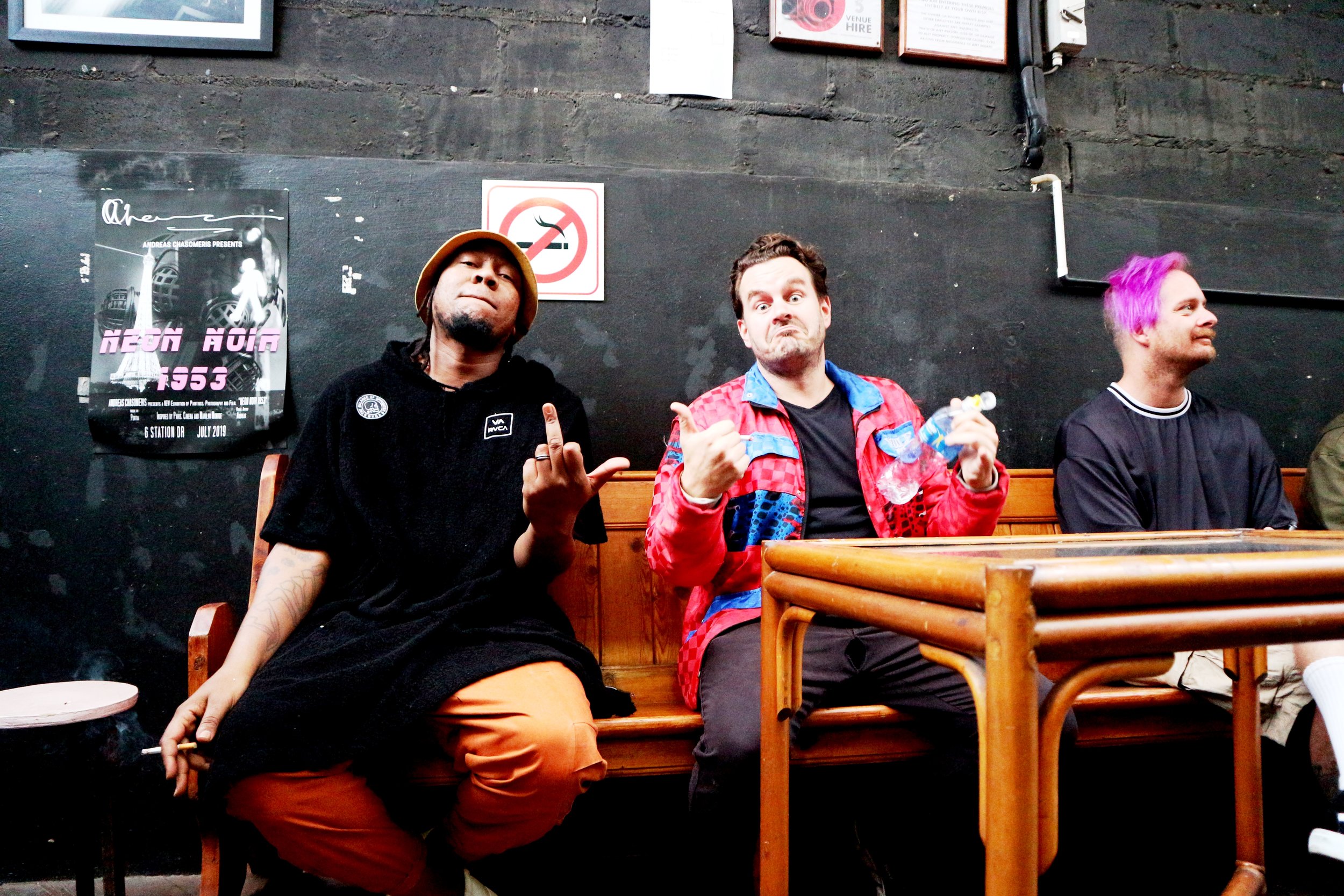
Taking a break – Raheem, Justin and Rickey – Image by The Urban Nomad
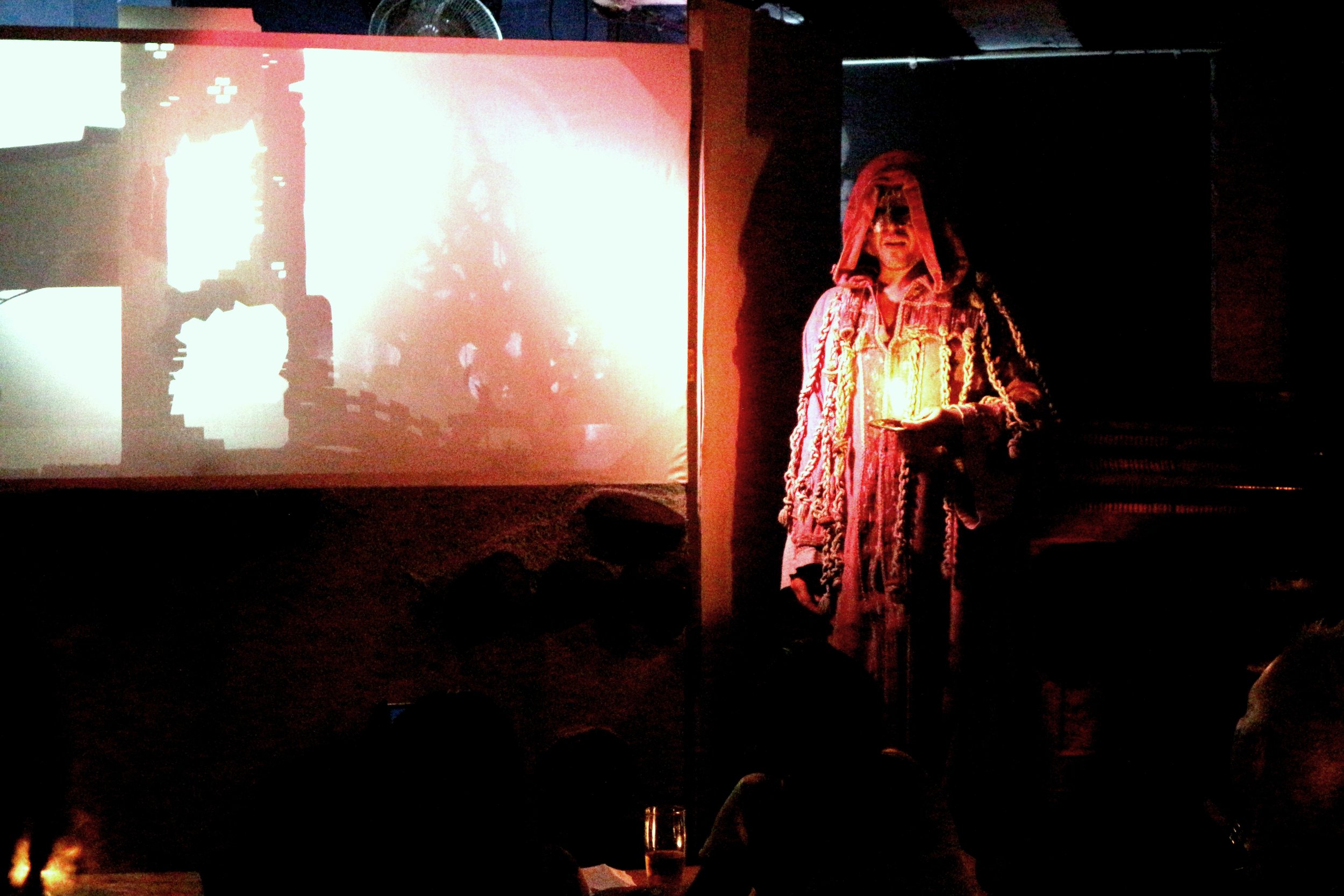
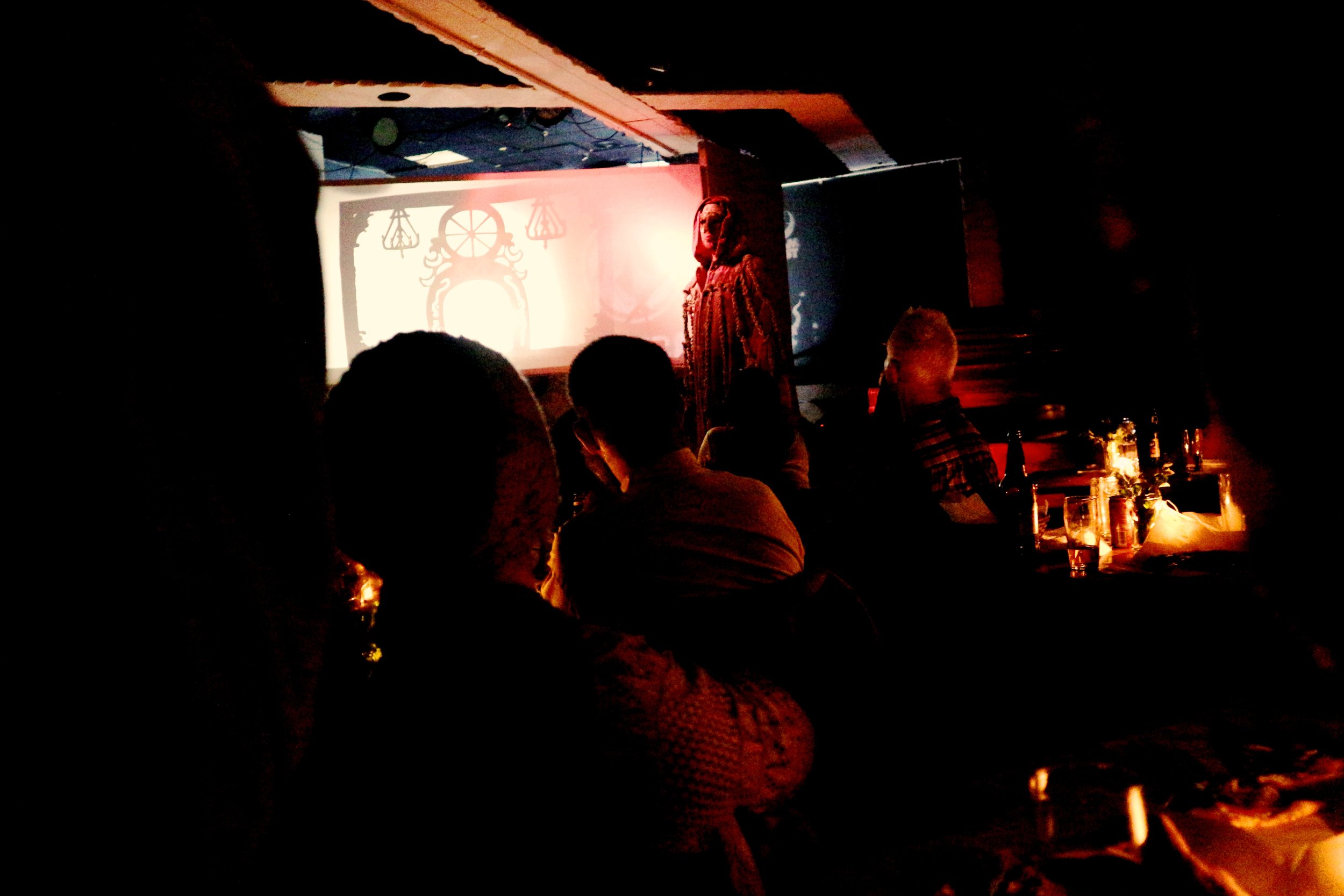
Recently, as part of their Wednesday initiative; Something Different, The Winston Pub in Umbilo, eThekwini, hosted an event that epitomised the dark and gloomy interior of one of Durban’s most infamous watering holes. Acclaimed comic book artist, Luke Molver (Billy Pineapples), teamed up with theatre and television actor Clinton Small to bring HP Lovecraft’s, forlorn, ghastly, hideously grotesque, yet strangely enduring short story ‘The Outsider’ to life.
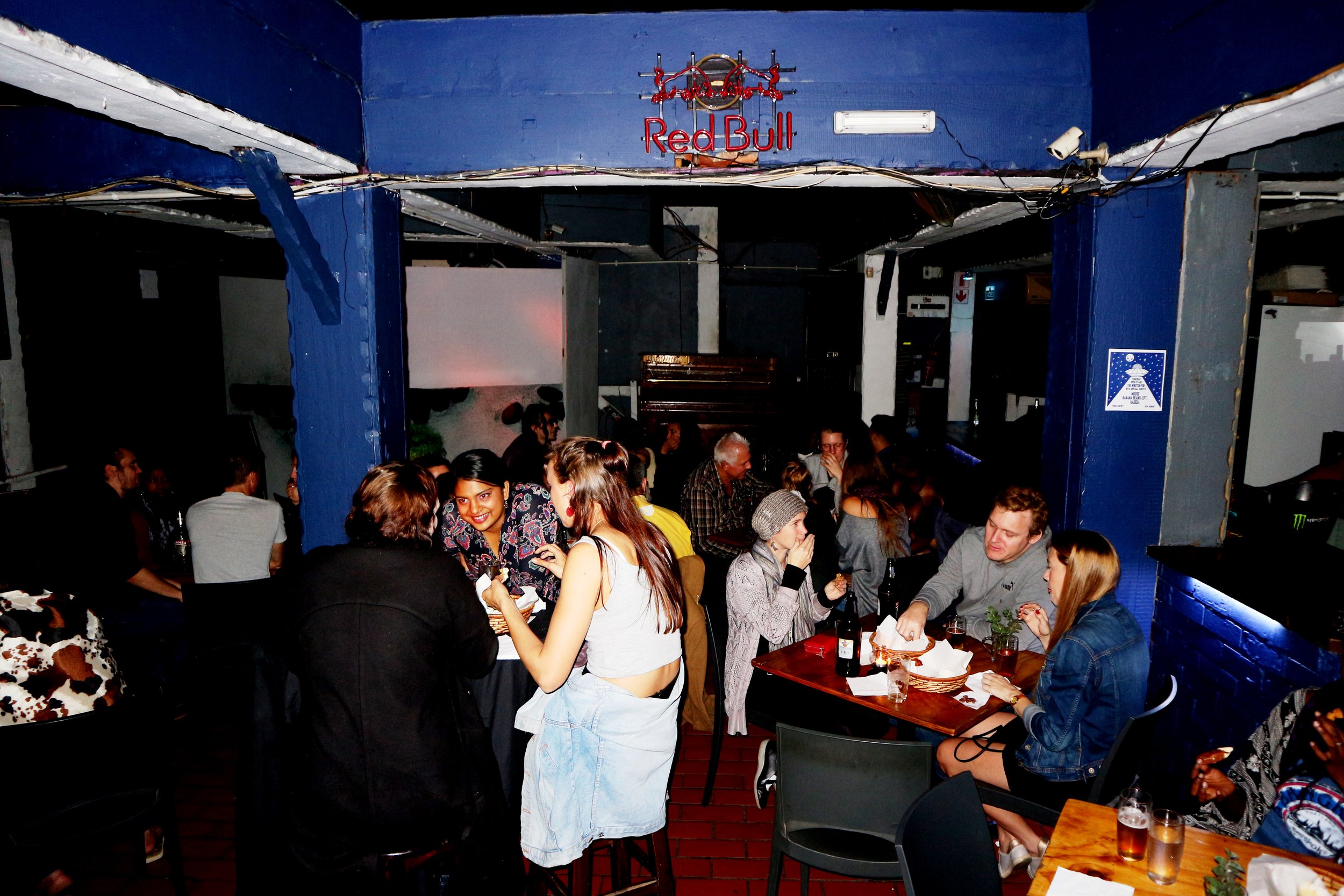
Everyone enjoying the food.
In the wordy, bleak style that made H.P. Lovecraft one of the most widely read and revered horror writers in literary history ‘The Outsider’, told in the first person, takes the reader into a lonely, desolated world in which the typically unreliable narrator deals with his equally unreliable memory and the resulting uncertain sense of his own identity and his place in a strange world. We follow his journey as he begins to remember, first in fractured pieces and then in floods discovering horrifying truths about life, death and time.
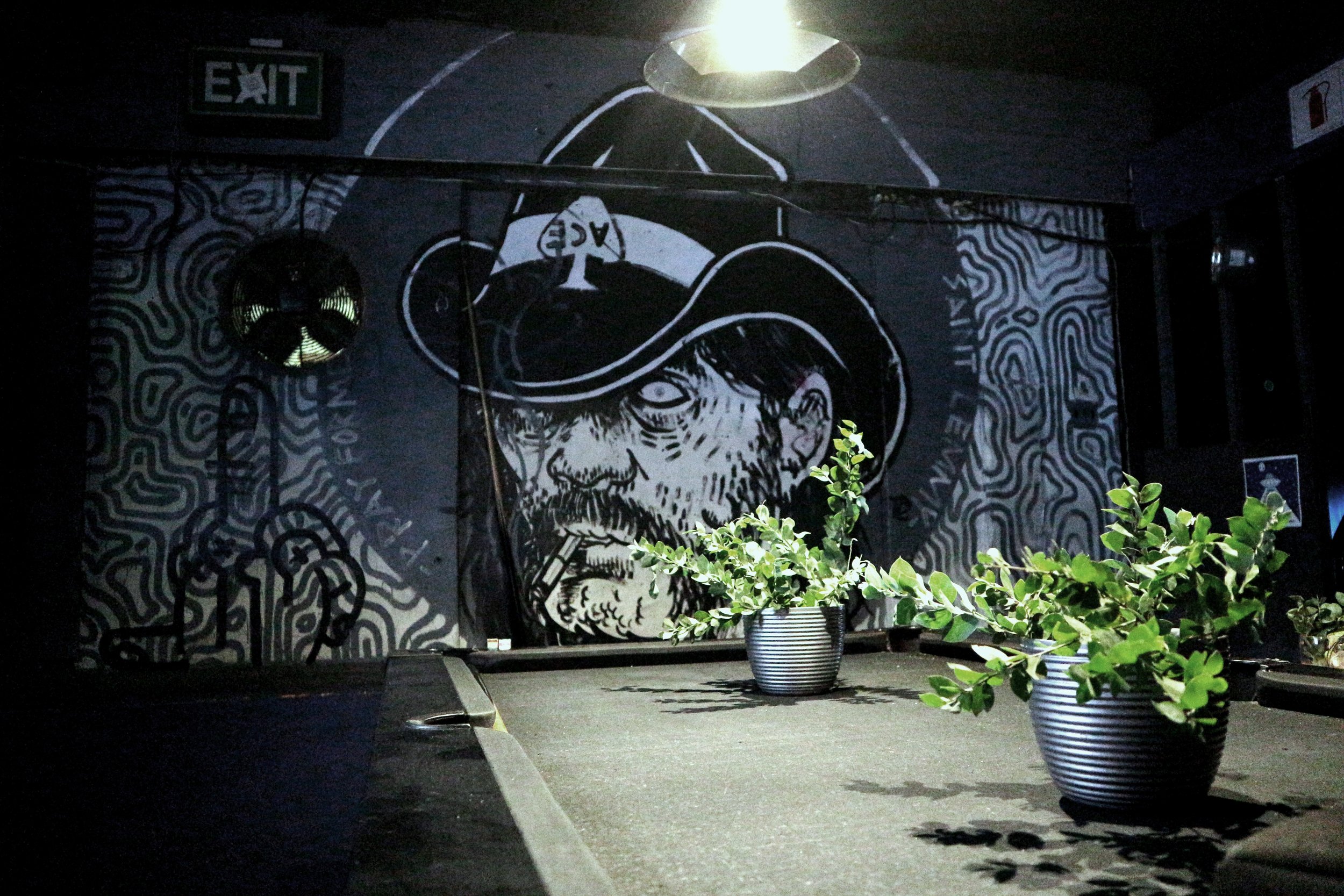
Lord Lemmy
Small adapted the short story into script form and award-winning writer Marc Kay wrote a series of untrustworthy memories masquerading as sleepless dreams which serve to break the narrative and give us a more intimate and unsettling view of the narrator’s longing for light and meaning.
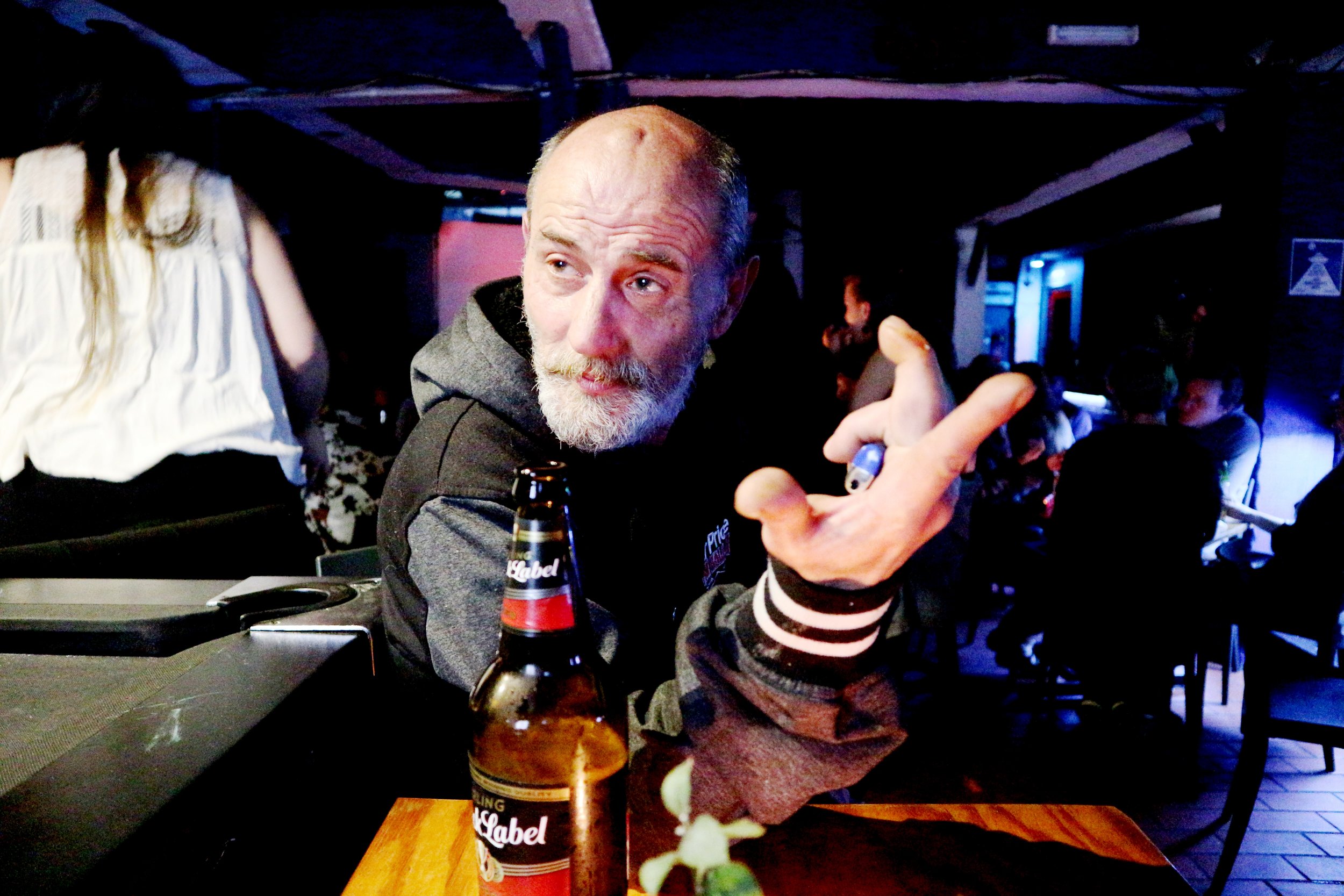
The ultimate outsider Ballie Mike…
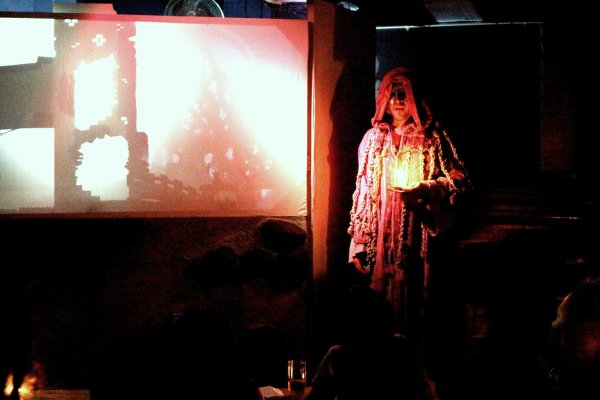
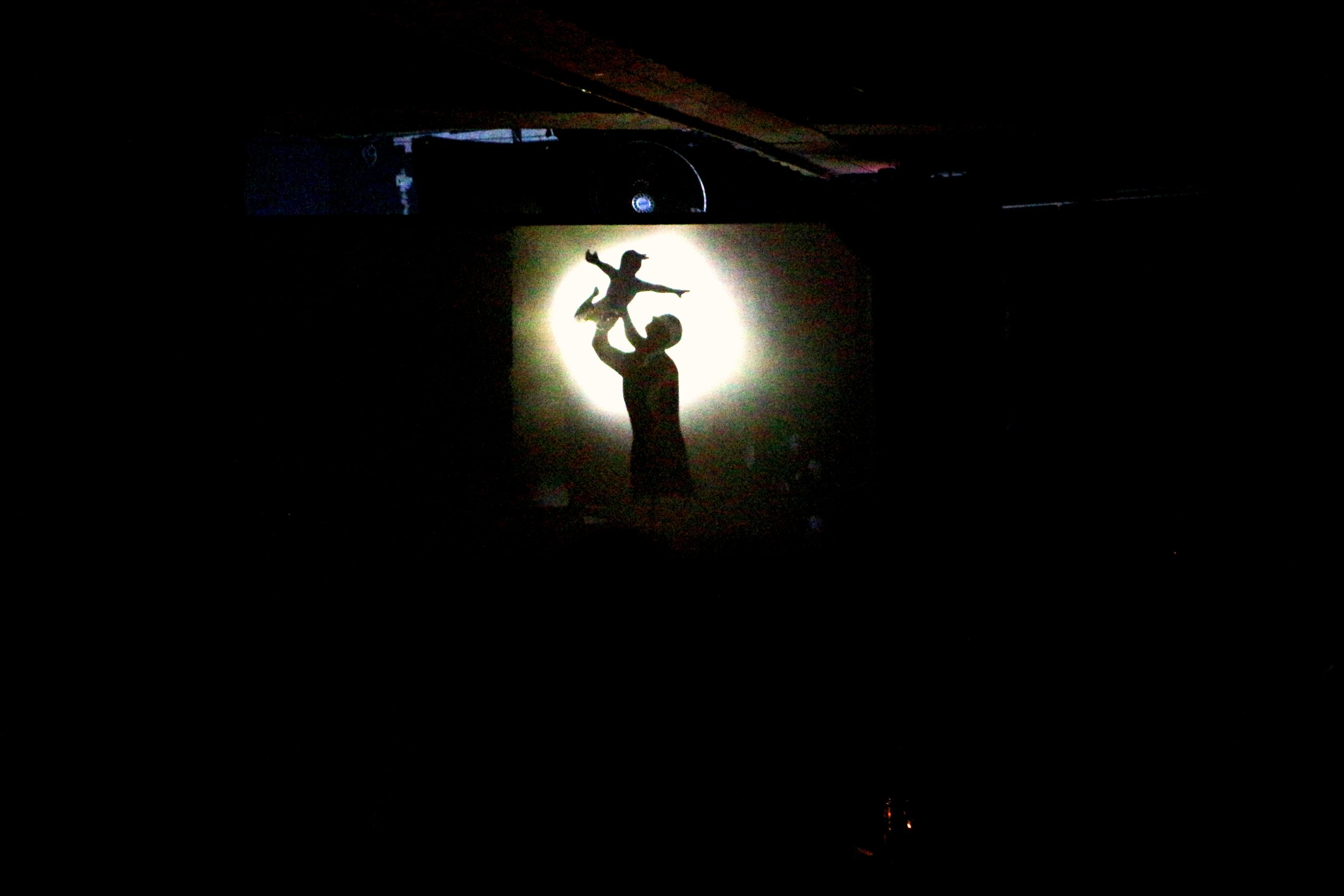
The creative partnership of Small and Molver used shadow puppets, sound effects, voice overs , aptly monotone monologues performed live and horrific costumes and make up to bring this most feared and beloved fable to a stage that is usually reserved for metal concerts and hedonistically reckless abandonment. A little bit of theatre culture never hurt anyone and the venue which is often affectionately referred to as “The Pub” packed out with a diverse and discerning audience of individuals.
It was highly debatable whether some of these individuals had ever even ventured to this much talked of part of the city before this menacingly monumental night, or if the pub regulars in the crowd had ever seen theatre but all were equally moved by the evening’s entertainment. For better or worse an experience and production which is unlikely to be forgotten any time soon, was cleverly executed by the talented team.
The event also saw The Winston, transform into a macabre old tavern for the evening, serving a devilishly, delicious three course meal, conceptualised and executed by Brett Gentles who is one of Durban’s most well-known chefs and owner of the popular Glenwood eatery Parc. Well done to, Clinton Small, Luke Molver, Brett Gentles and The Winston Pub for bringing a tremendously enjoyable romp to The Winston Pub. Something Different, happens every Wednesday, visit The Winston Pub on Facebook to see what is coming up next.
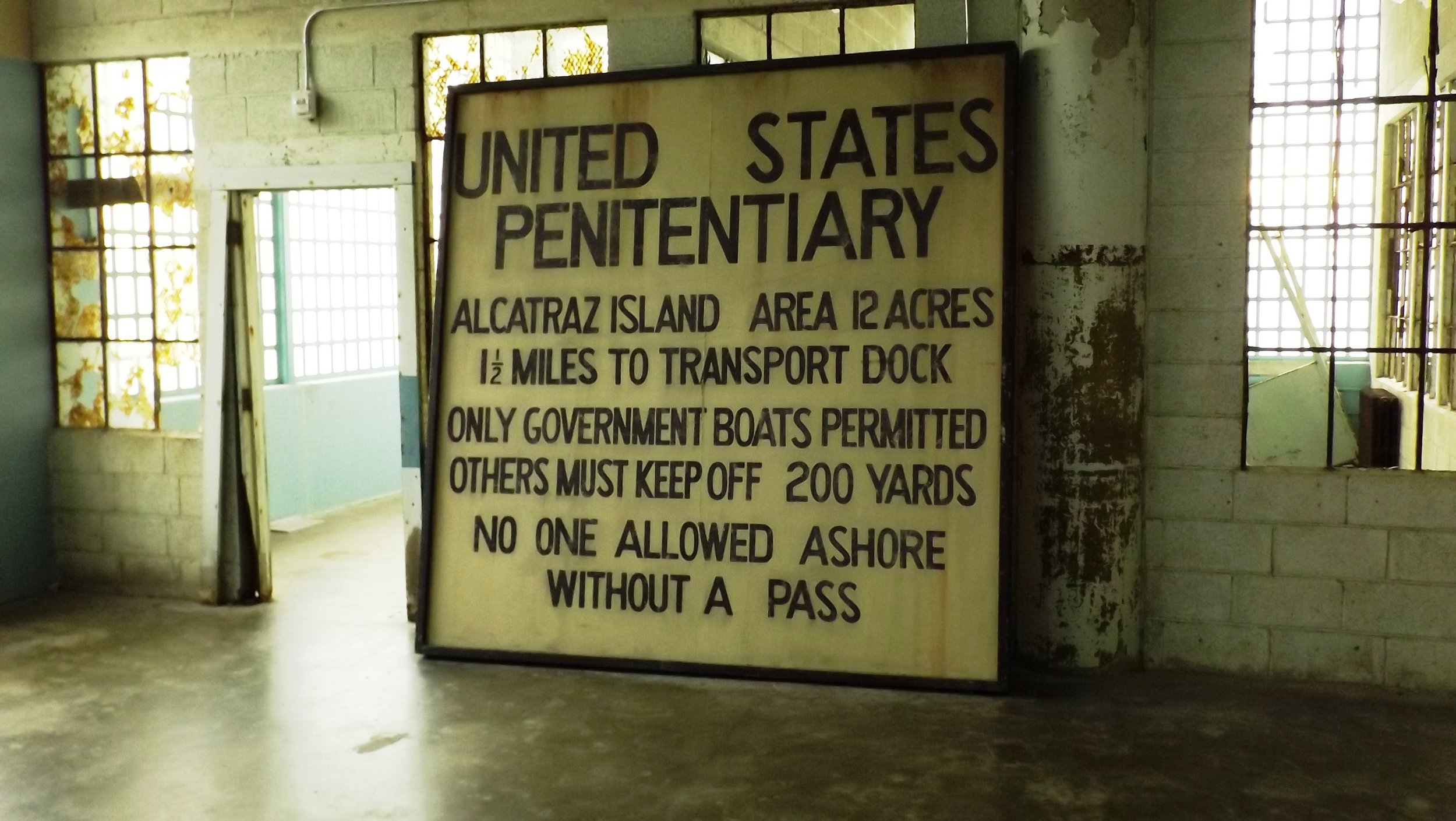
This article was originally written roughly 4 years ago, some of the information regarding trips to Alcatraz Island might have changed.
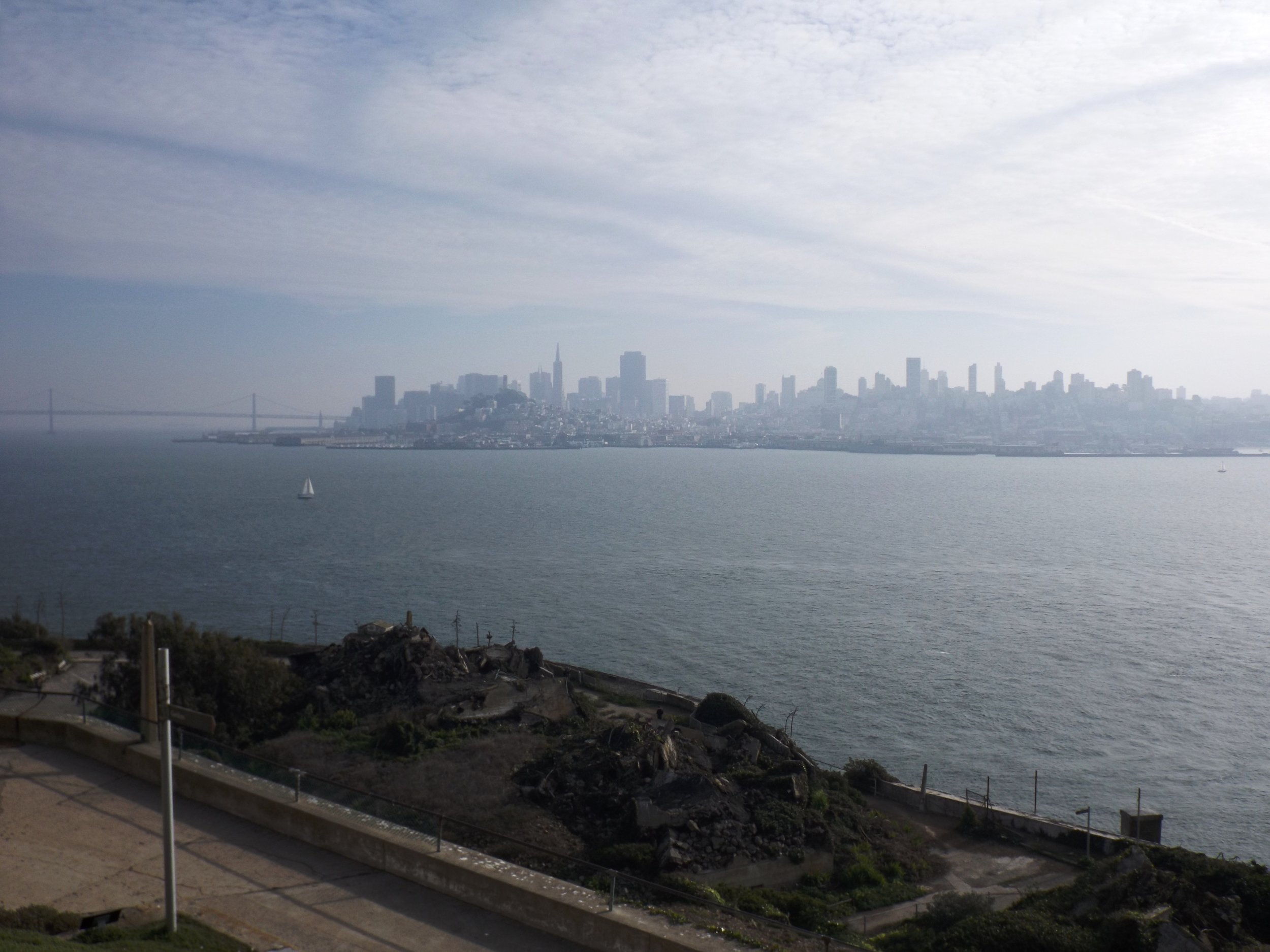
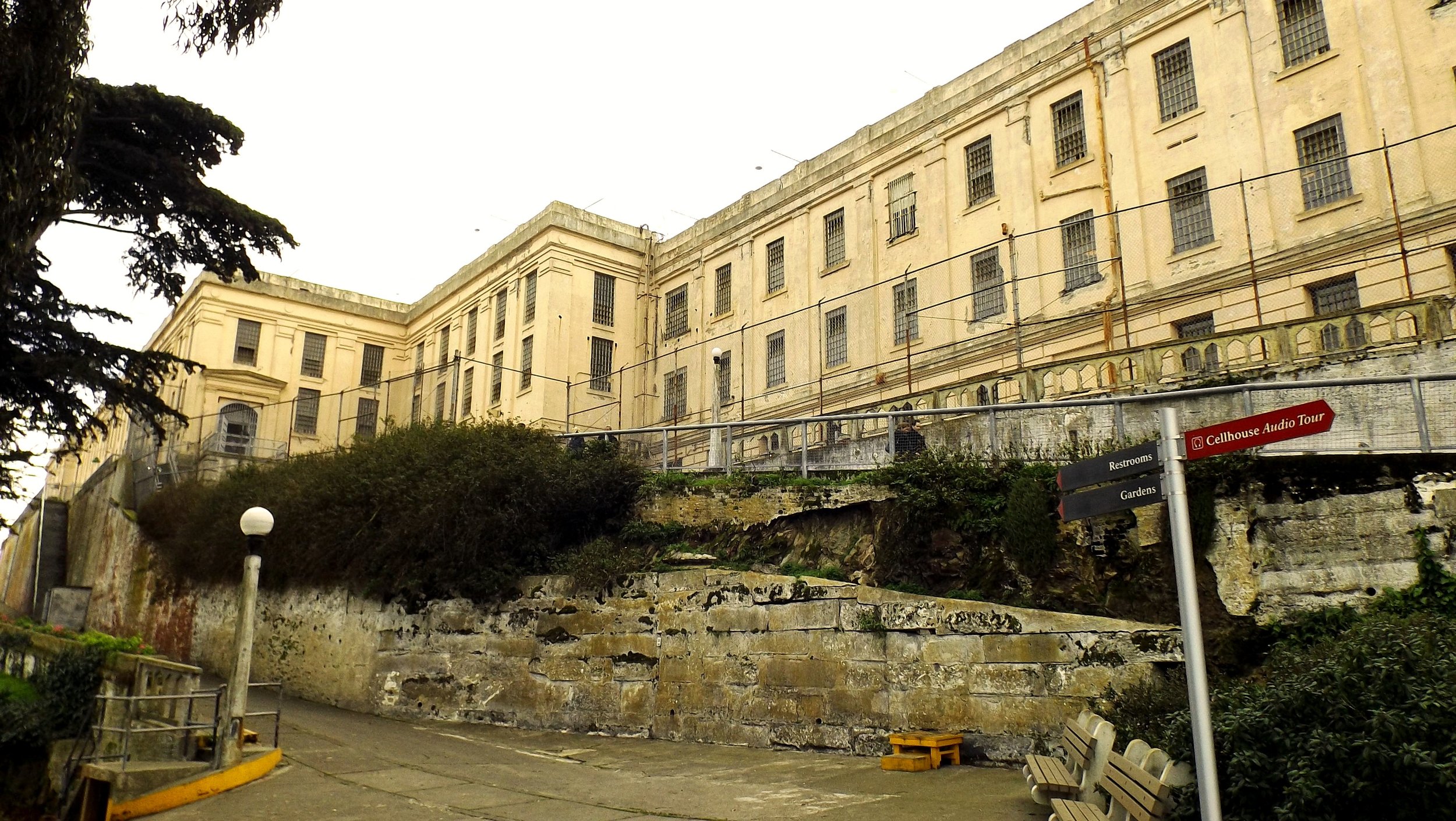
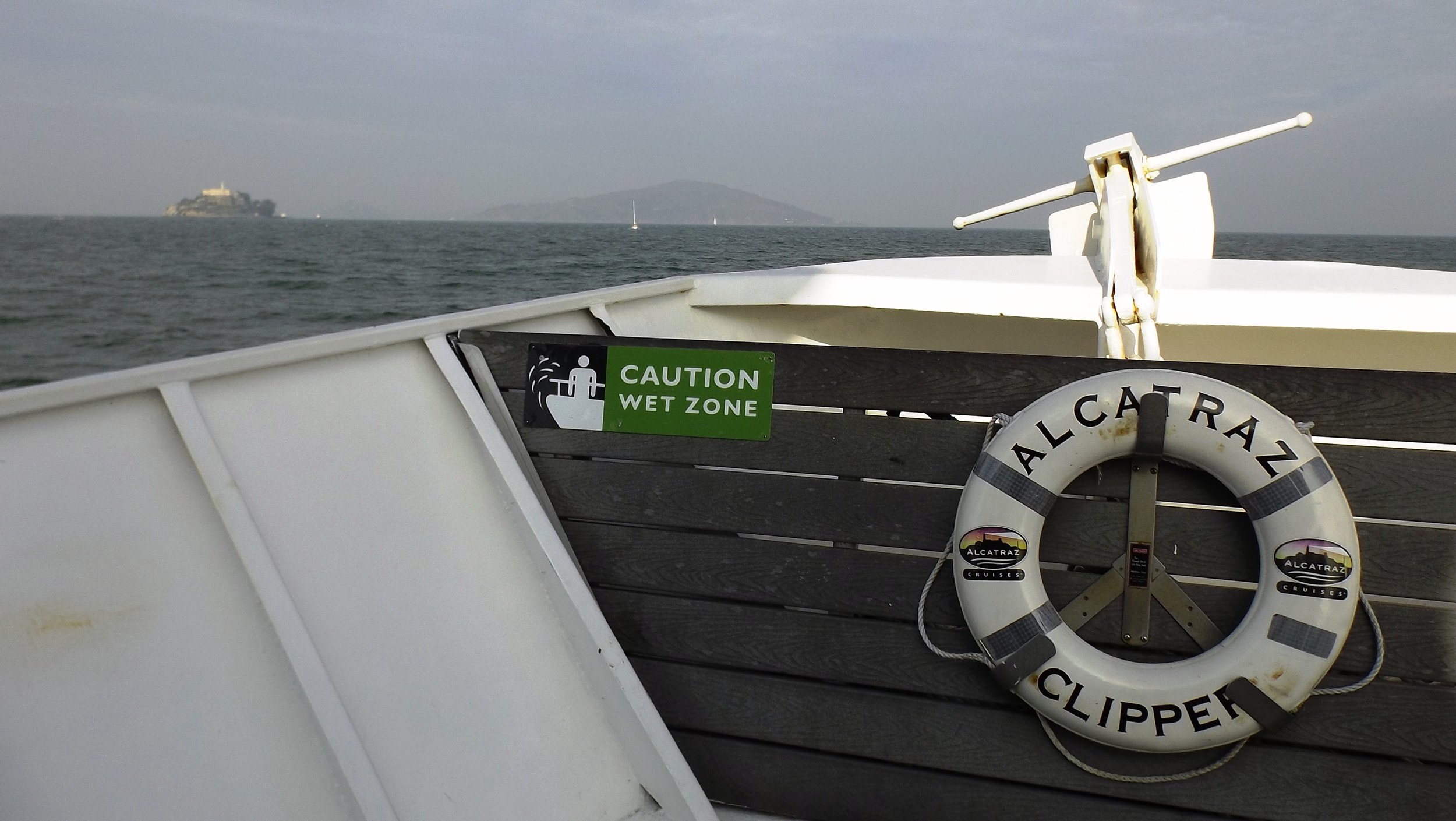
The iron bars slam shut ringing out in devastating unison. Cold drafts from the Pacific Ocean haunt the hallways. It’s almost as if the bricks have turned into the ghosts of people who had been incarcerated in its walls. It’s an eerie place, an island once used for imprisoning some of America’s most notorious criminals and also a major tourist attraction for the Northern Californian city of San Francisco. It’s Alcatraz, nicknamed The Rock, and for decades writers, actors and filmmakers have been capturing this brutal side of American history.
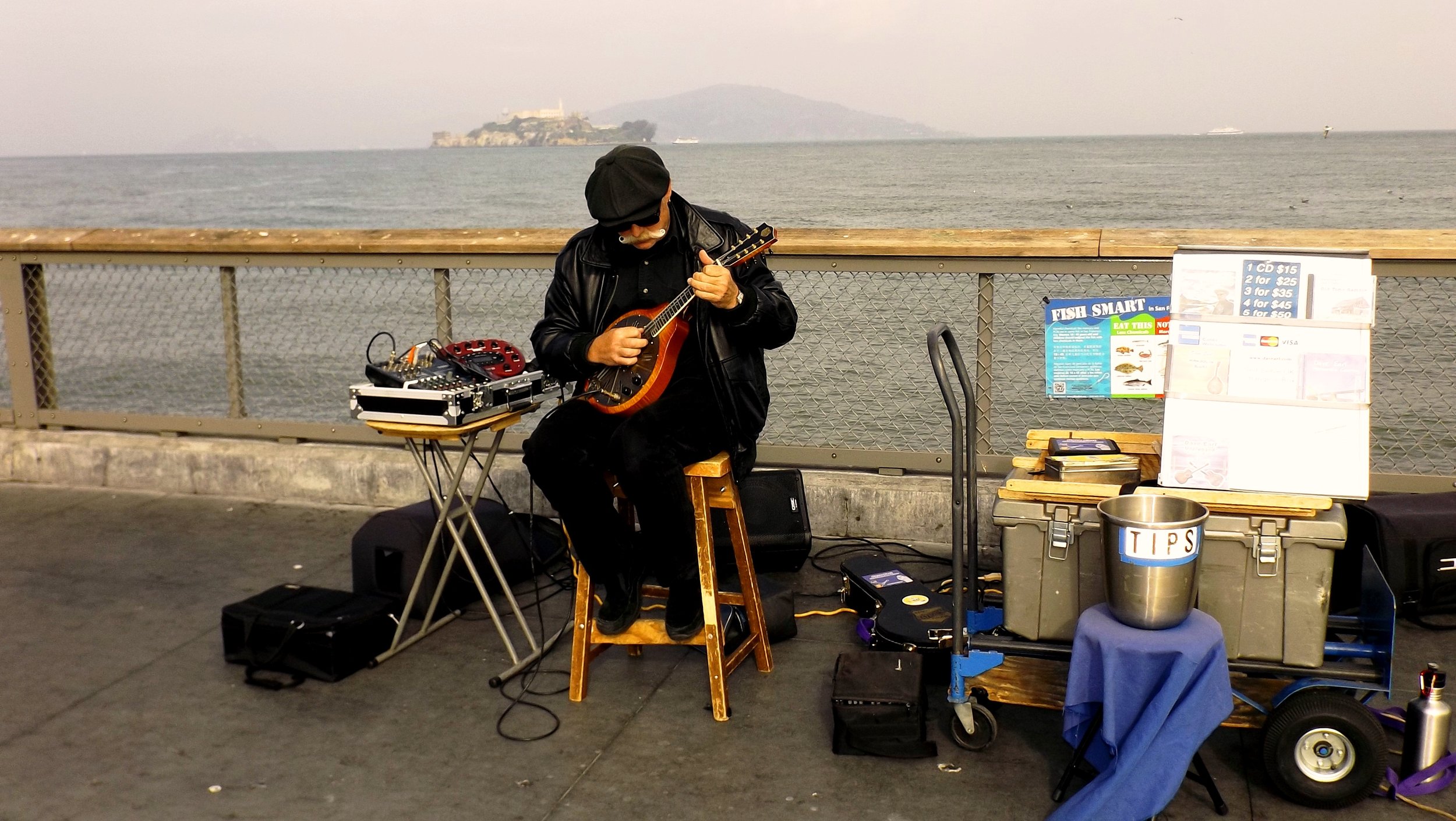
The cruise ship leaves from the famous and iconic Fisherman’s Wharf every 30 minutes or so and its 30 dollars to board which includes the ride there and your day on The Rock. I bought the tickets online and paid almost 20 dollars extra. So if you’re going to be in San Francisco a while look into getting the tickets from the Wharf instead of buying them online.
Alcatraz Island is now a national park. Once on the island, a park ranger gives everyone a superficially warm welcome and short presentation on safety, security and respecting the space. In 1964 after the area was declared government surplus land, there was an occupation by First Nation Americans, mainly students. Other sectors of the public were also in support of the indigenous population occupying the island, including the hippy movement of the bay area. The occupation seemed to gain traction, but with that traction, there were also other issues. More people decided to venture onto the island and join the protest. Eventually, Richard Oaks one of the original occupiers’ stepchildren, 13-year-old Yvonne Oaks, fell off the rocks on the island and to an untimely passing. This was regarded as one the catalysts in the island being turned into a national park and the tourist attraction it is today. Main objectives of the occupation included using the island to promote indigenous American culture including the implementation of a library and ecology centre, with its goal to employ indigenous Americans and preserve and acknowledge their culture. The island was occupied for somewhere around 19 months and was eventually ended by the police; it was believed to be a peaceful departure for the occupiers. It’s a little peculiar that this crucial part of Alcatraz’s history is given so little importance in the overall tour.
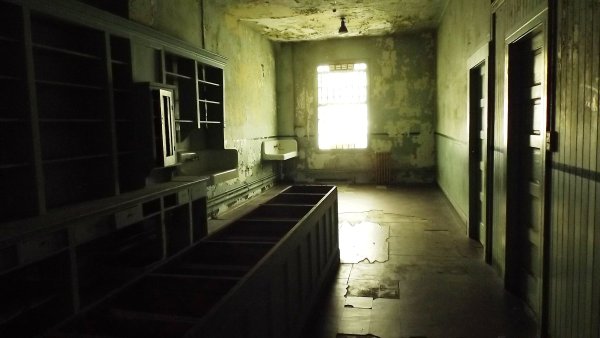
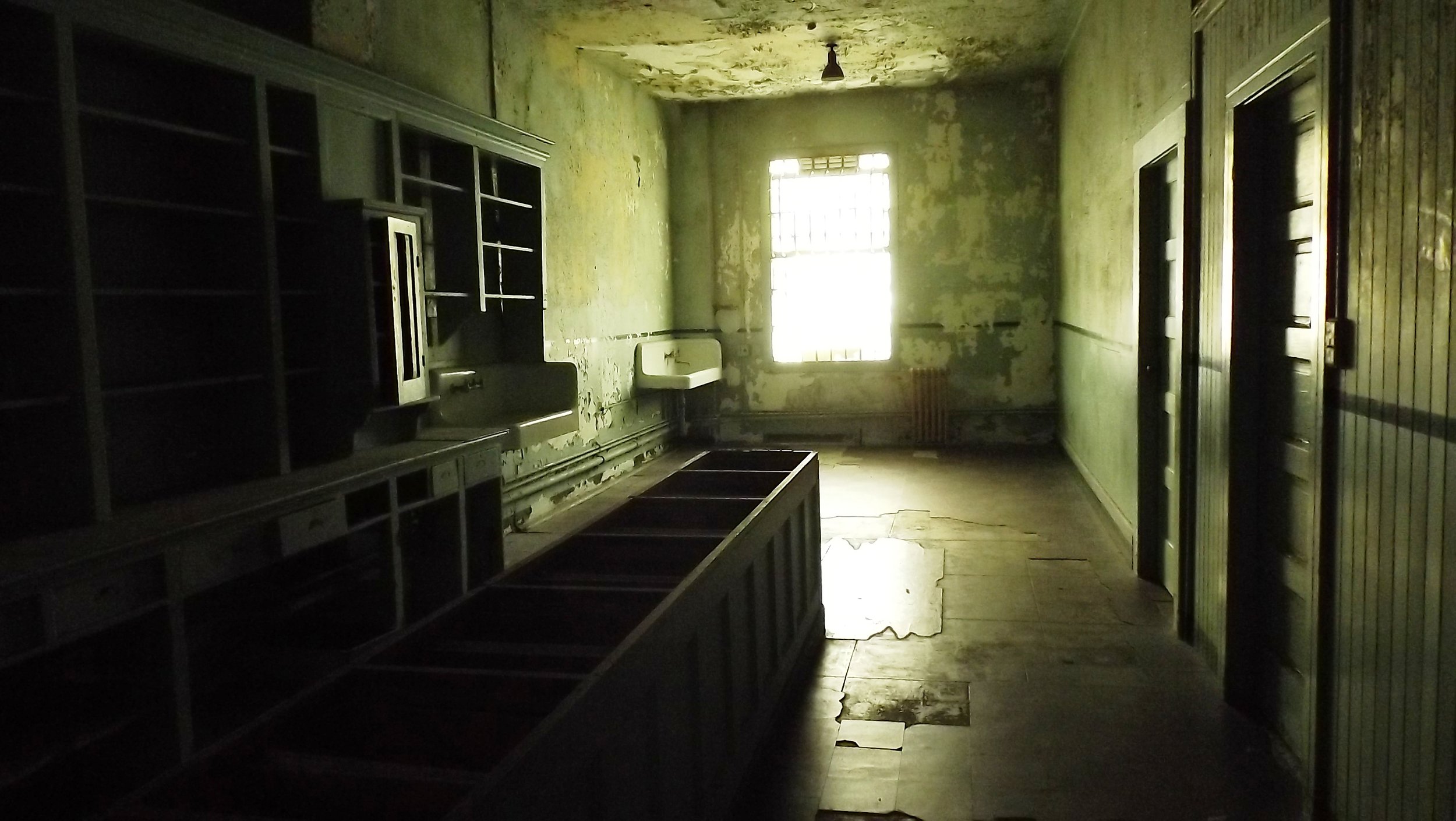
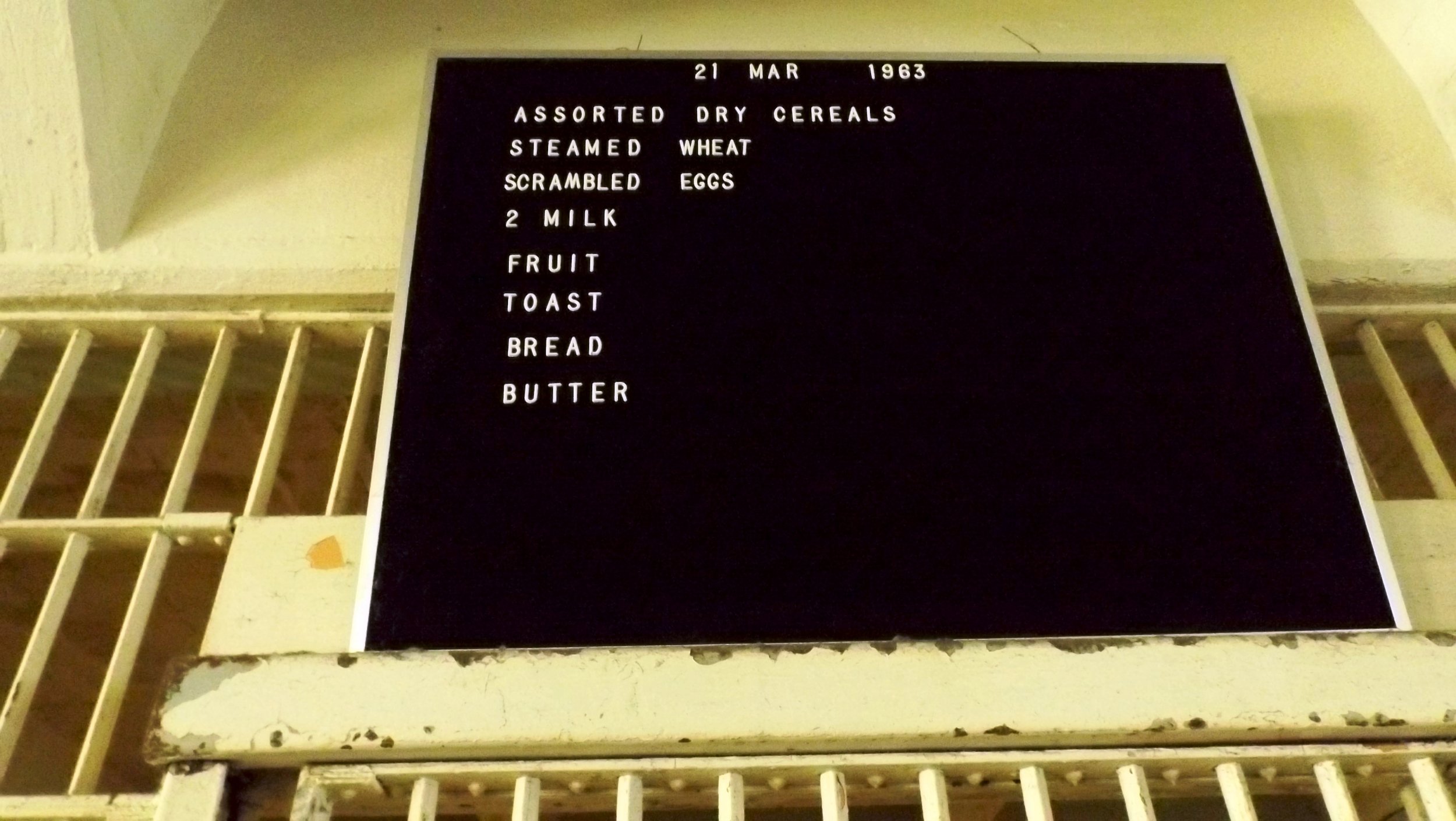
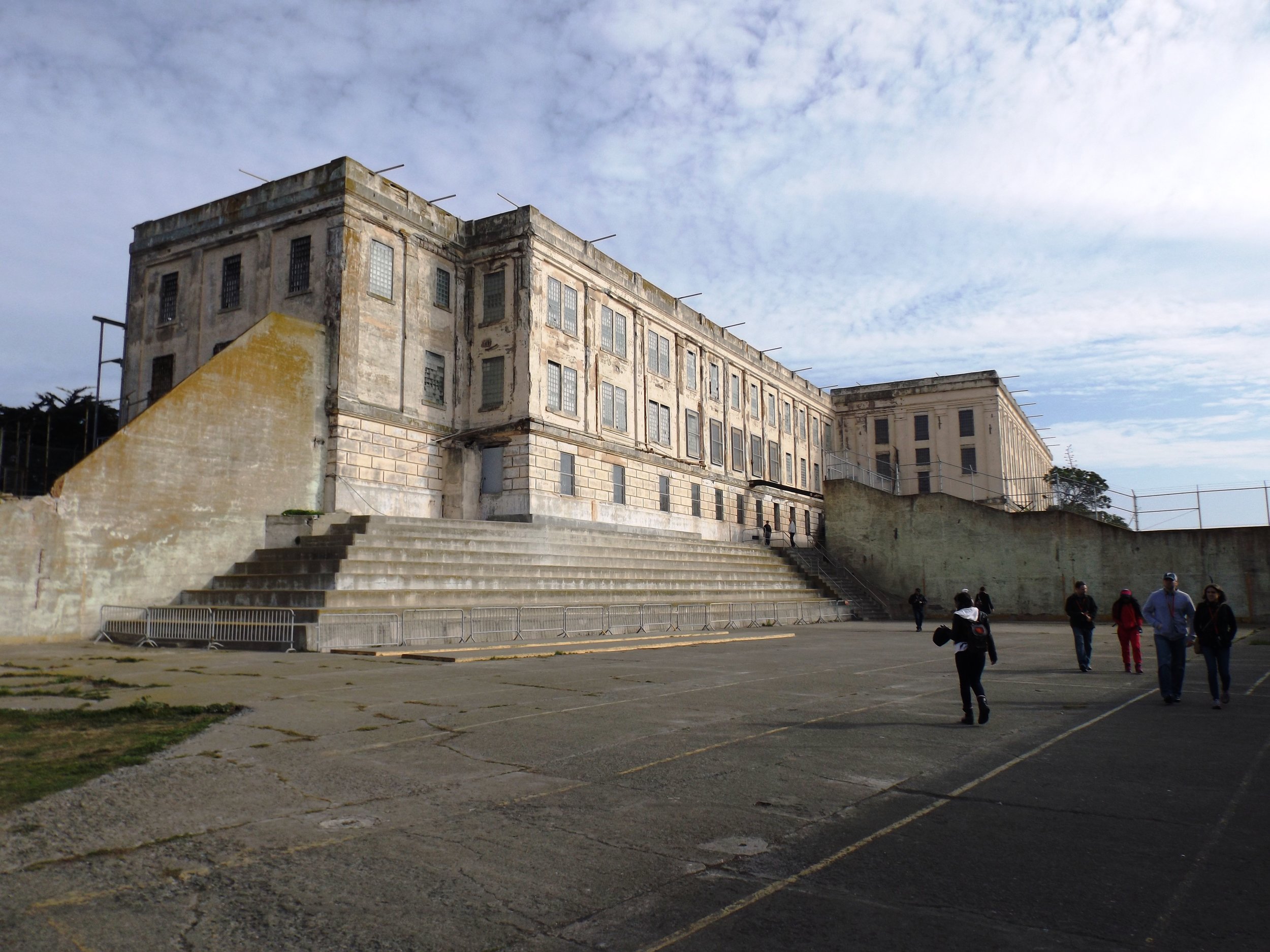
After the short tour it was time to explore the oppressive corridors, and cells where so many people spent their waking years behind bars. They have a full audio tour in the main cell block, with dialogue and narrative from old inmates and prison guards. The whole experience reeks of Hollywood. The emotion behind the escapade succeeded in creating moods of wretchedness. The breathtaking views coupled with the enduring, brutal and sombre narration left one with a feeling of hopelessness. Which was purposely packaged in gloominess, desolation, and longing? I suppose that’s exactly what they wanted to achieve and the sentimentality worked at least on me. Hollywood brouhaha aside, Alcatraz is a place that can’t be ignored when delving into the darker aspects of American history.
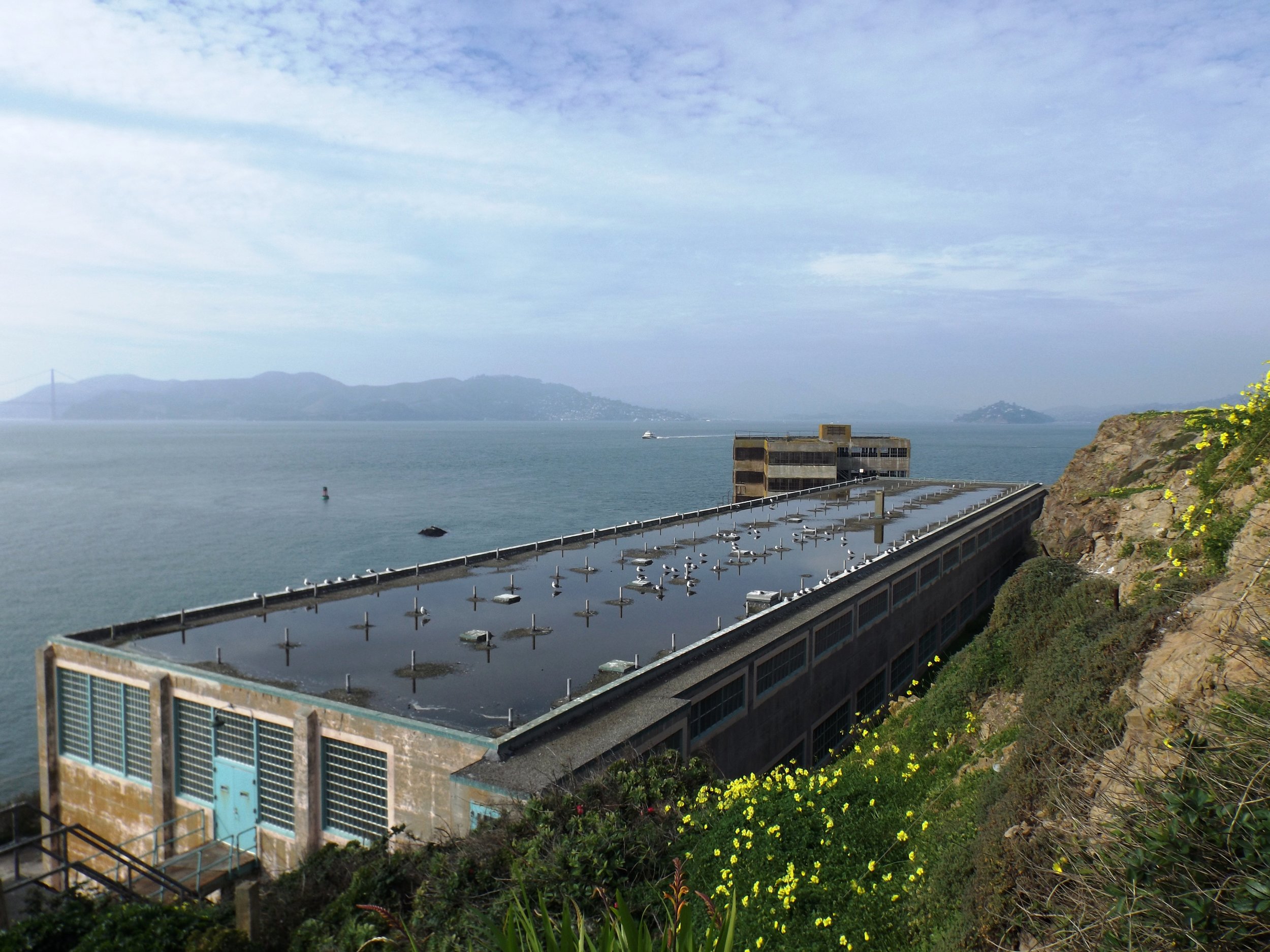
It also showed the exact location and handmade mannequins of the three only prisoners to ever have successfully escaped from Alcatraz. It is still a mystery as to what exactly happened to those three prisoners and there is uncertainty whether they made it to the mainland of San Francisco, or drowned in the attempt to get there. The Pacific Ocean isn’t exactly toasty and their hand made raft could have possibly been riddled with holes, submerging the escapees before they managed to reach the mainland. However, this is merely speculation and the 3 could have very well made a daring escape and survived to tell the tale. I guess all we can do is use a little bit of imagination merged with fact when it comes to drawing conclusions on this matter. This still hasn’t stopped Clarence Anglin, John Anglin and Frank Morris from capturing Hollywood’s imagination in the 1979 film Escape from Alcatraz, starring Clint Eastwood as the leading role. Nevertheless, some historians believe the true mastermind of the escape was Allen West, who was considered to have conceived the entire plan but was unable to leave on the night of the escape due to his exit hole in his cell not being large enough for him to get through. He did eventually manage to leave yet the others had already left on the makeshift raft. The following day, remnants of the raft were found on the shores of Angel Island near San Francisco, this has led many to believe that the three escapees died from hypothermia instead of making it out of the frosty waters alive.
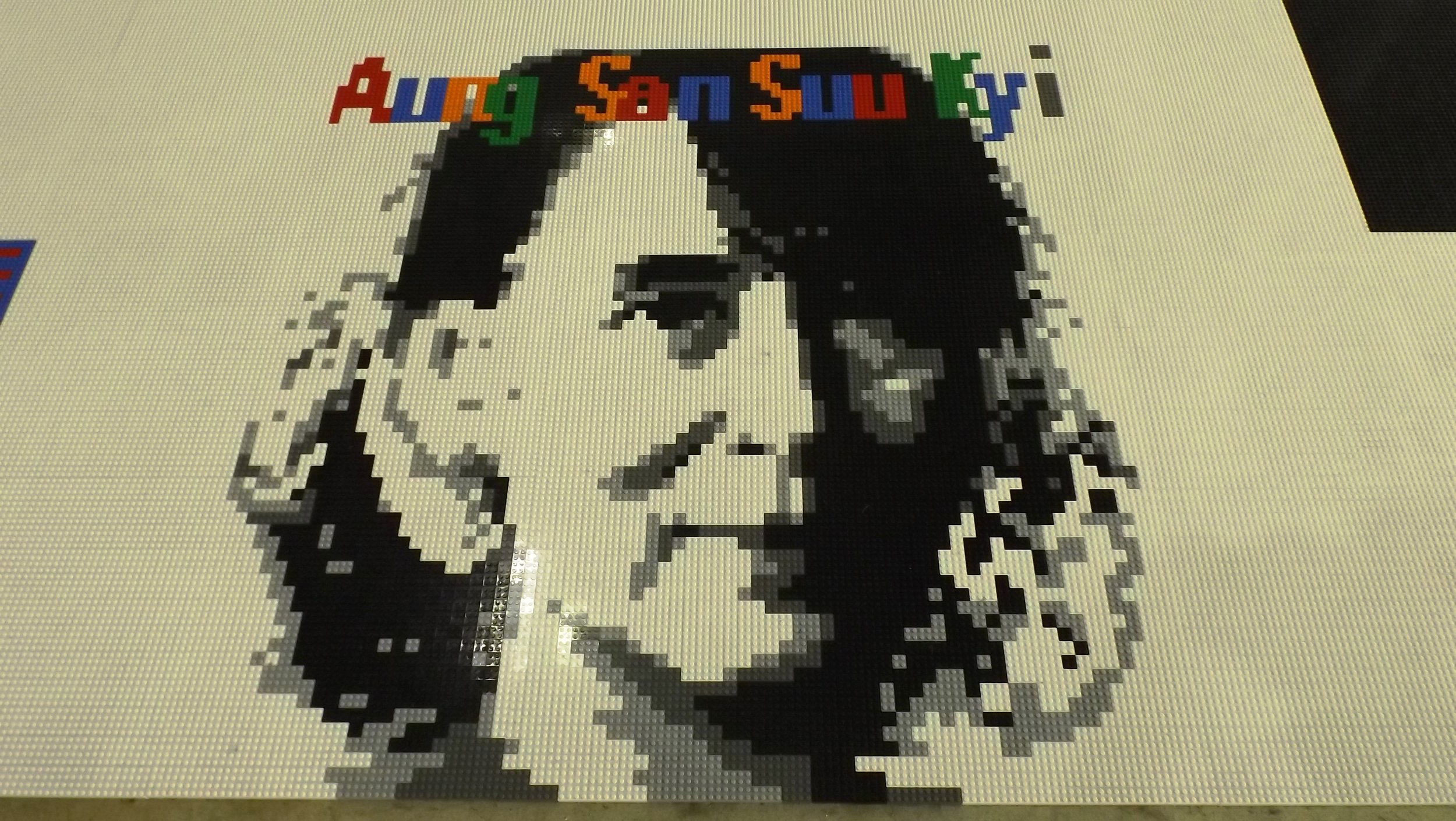
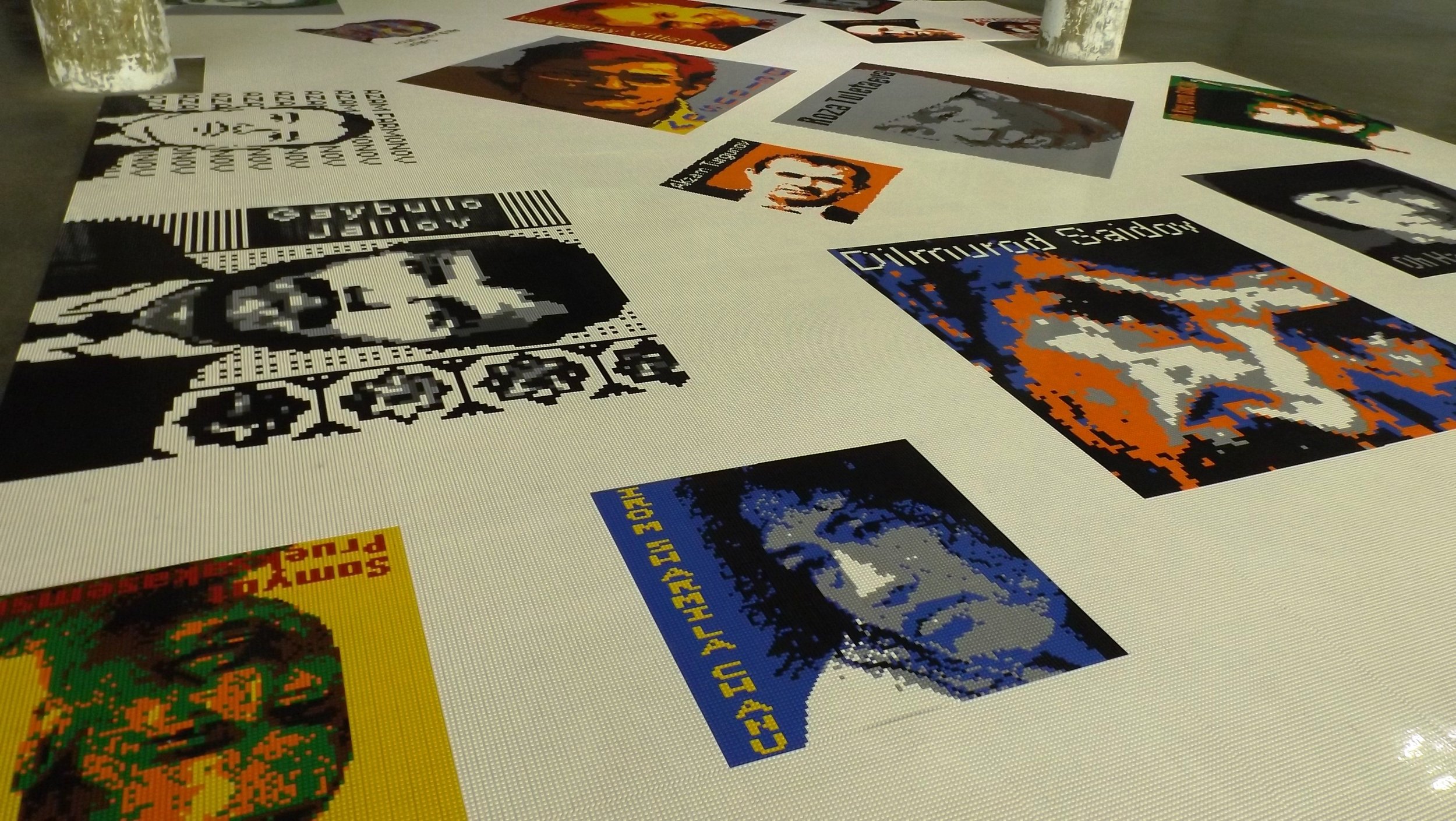
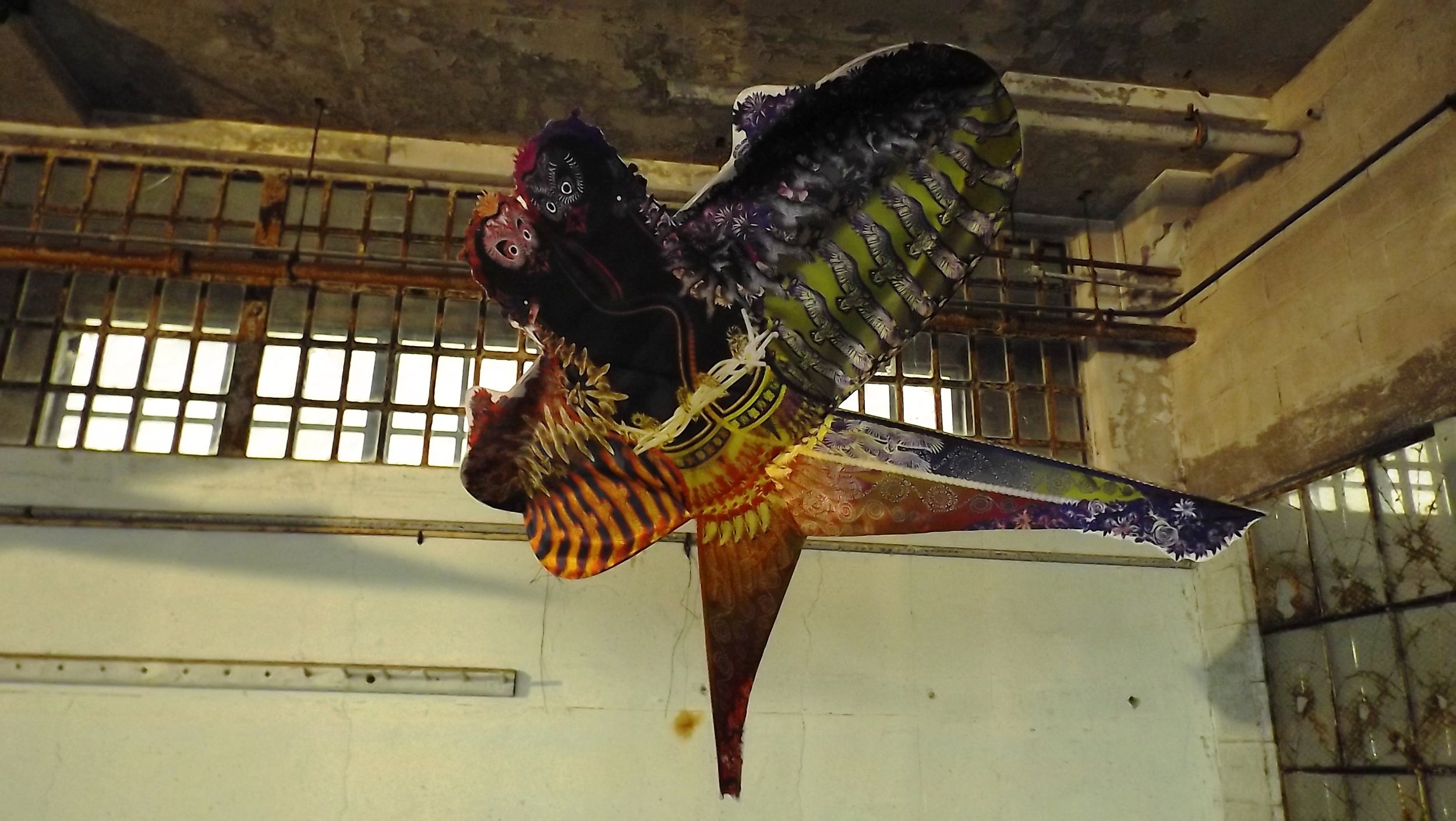
Alcatraz hosts art exhibitions and their work on display during my visit was by Ai Weiwei an artist from China, who lived in the United States from 1981 to 1993. Ironically during his time in America he became friends with Allen Ginsberg, a famous American Beat poet who spent time in the Bay area of San Francisco. Ai Weiwei’s father was also a prolific poet. In 2011, Weiwei was arrested at the Beijing Capital International Airport. He was later charged with tax evasion. Other charges were laid, claiming that Weiwei was involved in spreading pornography. He was soon put under house arrest. Although he is allowed to leave Beijing, he is still unable to travel outside of China. It is widely considered that all his misfortune with the law is due to his outspoken opinions on the Chinese government and their policies towards democracy and human rights abuse. The exhibition is presented in various locations on Alcatraz Island; some whereabouts have never been seen before by the public. One of my favourite Installations included the compilation of various audio samples from protest songs, chants, and sounds from all over the world. They are played back by tiny speakers in certain empty sells, and these particular sounds were created in the hope of conjuring emotive and desolate feelings about being incarcerated and the urgency behind revolution and solidarity. On display, there were giant murals made from Lego of various prominent political prisoners from both past and present including the obvious Nelson Mandela and Aung San Suu Kyi of Myanmar the latter was under house arrest for her candid political activism against the military regime of the infamous South East Asian country.
Visitors to the island also had the opportunity to write to various political prisoners who are locked up to this day because of their challenging political beliefs.
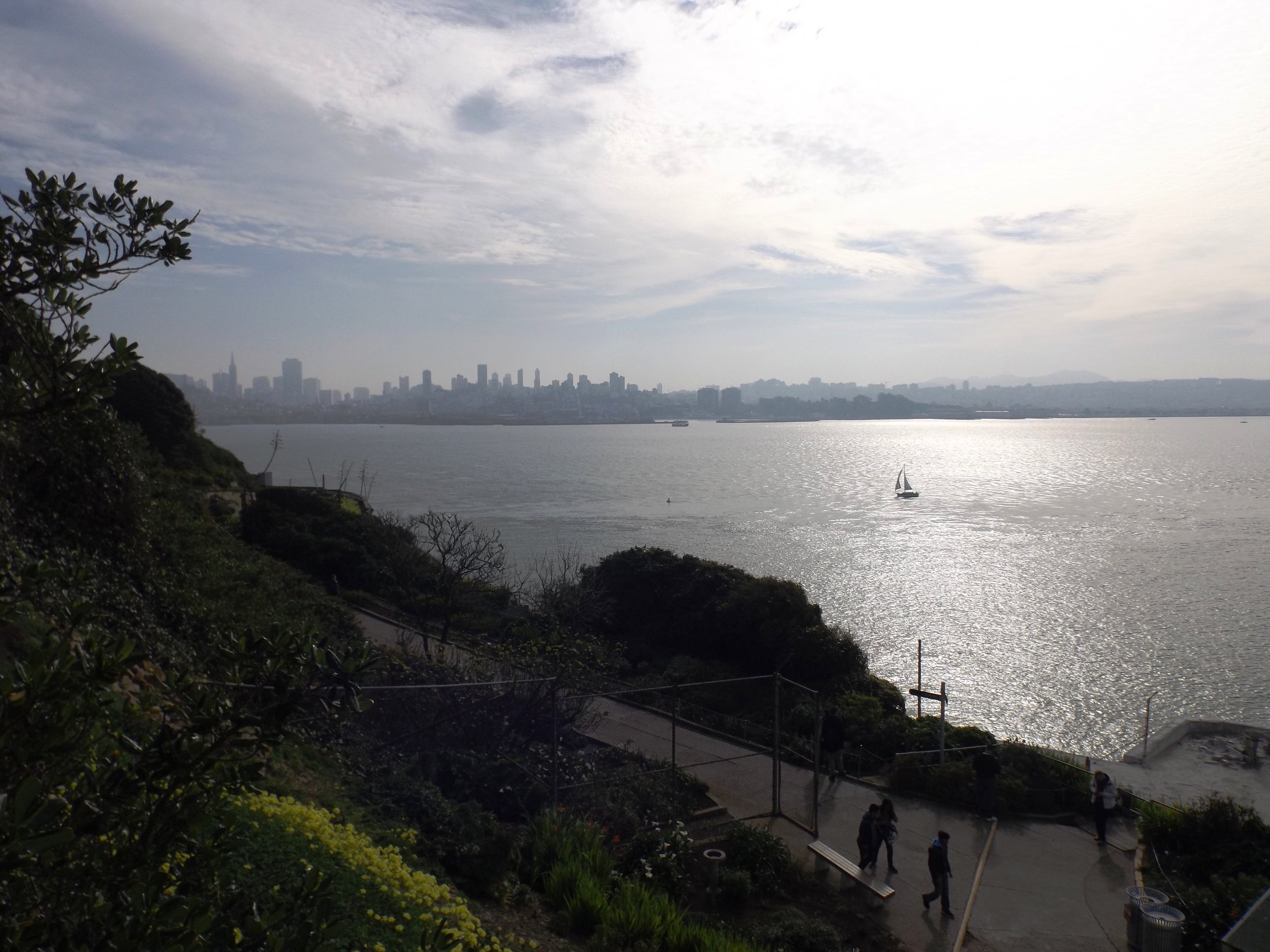
The murky clouds start to rise over the bay as the boat makes its way back to the mainland. Hordes of people are still waiting to board the next ferry. The isolation kicks in and no one really utters any words of optimism. Thoughts of incarceration fill the patron’s minds and no one is left with the sentiment that they will be returning anytime soon, no one is left with any kind of hope or joy. Only the whispers of the ghosts of Alcatraz utter any significant condolences as misery always loves company. Only the dead find any joy when people from all around the world come to visit them. Alcatraz Island is keeping their stories alive.
This file is licensed under the Creative Commons Attribution-Share Alike 3.0 Unported license.
One of South Africa’s most unique cultural icons Johnny Clegg has passed on, leaving behind an incredible legacy. He was well-known for embracing African culture in a time where it was frowned upon to do so by white South Africans. Clegg had been fighting a long battle with pancreatic cancer. News channels and social media platforms have been flooded with tributes to the singer/songwriter and anthropologist. Aweh.online pays tribute to the legendary artist, with a playlist of some of his most classic solo material and with two his band’s, Juluka and Savuka.
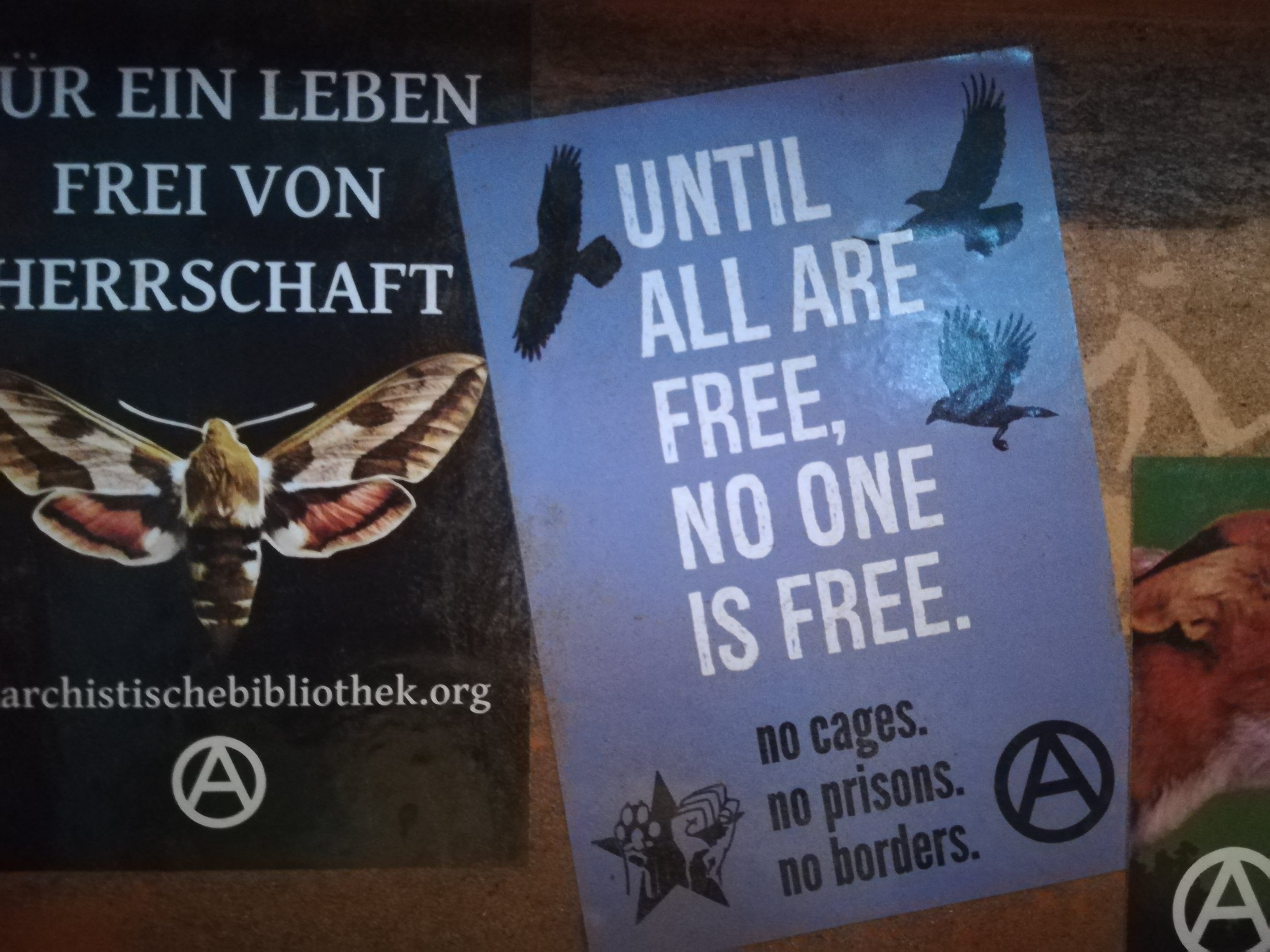
Hidden somewhere beneath the collective city subconscious,beyond the shadow of the liminal spaces and places we think of as boundaries, there lie the antithesis to the system of dependence and loss of sovereignty. These are ‘Free Havens’ or ‘Cultural FreeSpaces’. Beyond the fringe, where communities, projects and action groups gather, connect, experiment and commune towards common purpose and under autonomous self governance. FreeSpaces, where freedom is the currency and expression of the self is not a thing to explain or make apologies for.
Free thought havens for those rebels who wish to see themselves contribute as little as possible to the ‘System’ and find-force a new and different set of social codes, and in this way clear the pathway towards whatever our next governance systems will be, whether its completely decentralized, or city states or on continental nodes.
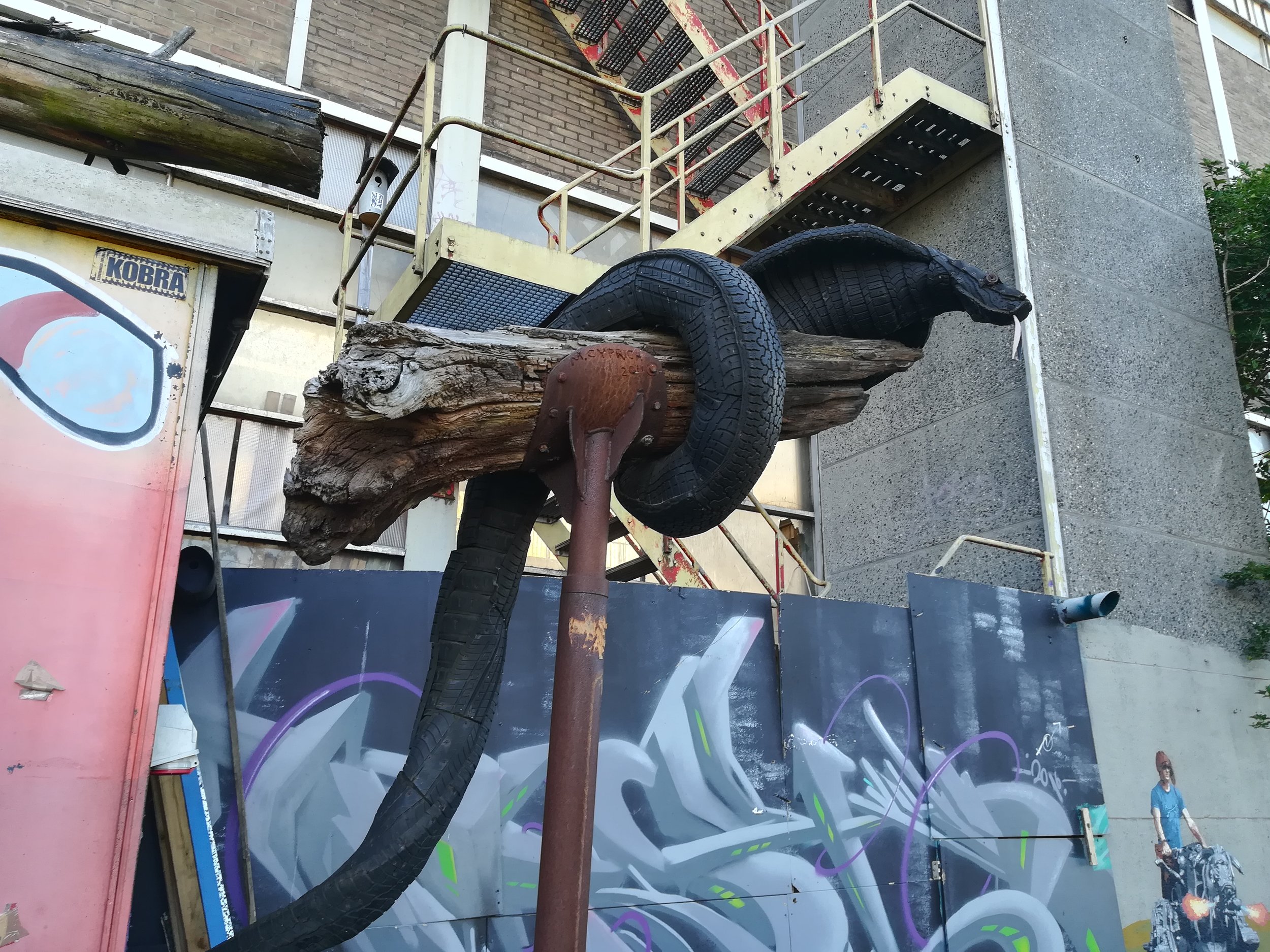
Art in the toilet of ADM
“A free cultural space is a topographically open space, whether located in a landscape or structure, a Freiraum (German: “free space”) that sustains countercultural values and traditions, such as happenings, pop-up festivals, gatherings and squatting movements (Waalwijk, 2016)”
“Free space is the breathing space of the city. Free space actually questions the applicable principles. It shows unseen possibilities and makes social unusual practices visible. It is about the space in your head, a space without logos, slogans or dull revenue models. An allotment garden is a green making space, organized collectively. A free-space is an active living workplace with an alternative program. An experimental place for new forms of collaboration and personal responsibility. The practice of free-space in the city shows that alternatives are possible. That change is possible ”
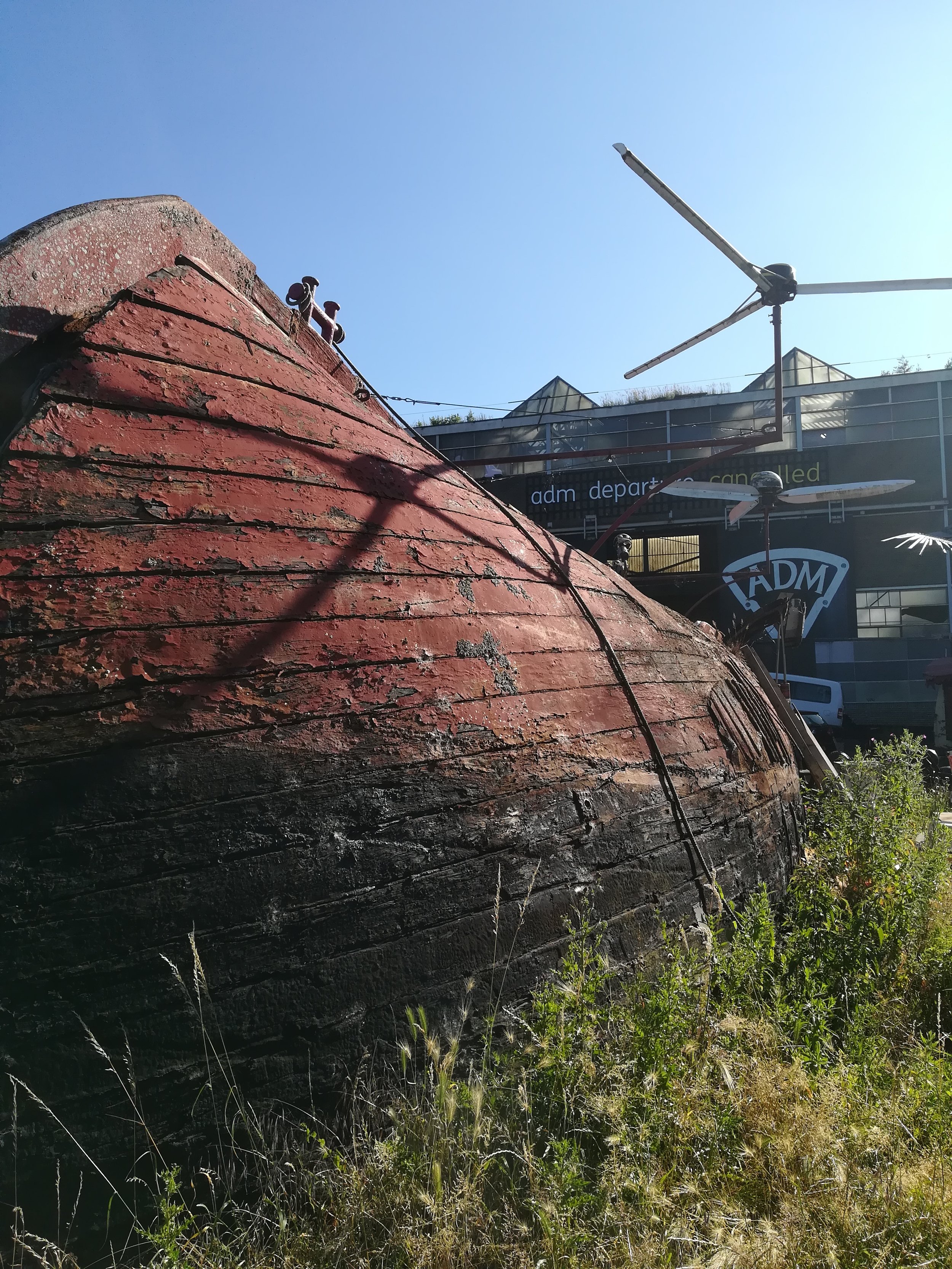
History is rich with tales of the Zapatista (RATM’s ‘People of the Sun’), ‘FreeTown’ Christiania in Denmark (see how the self governance system works), and the squat culture of Berlin , from La ZAD (read about the successful defence of land and permanent autonomous community ) to Ruikgoord . These spaces created generational frameworks, maintained hope in crumbling times and inspired generations of dreamers and defenders, to be themselves in a conforming society. ADM, one of the more renowned squats of Amsterdam, stands among these giants, having been host to hundreds of artists, families, dreamers and healers all finding a place in the crazy world that, for them at least, made perfect sense. Creating a Utopia
“These venues offer prospective spaces for experimentation, selfdiscovery and different forms of learning/re-skilling, which in turn provide inspirational models to learn from as artists, cultural workers, or art educators committed to imagining micro-utopias through politically and socially engaged art. Free cultural spaces that emerge from autonomous movements offer frameworks for collective creativity, carving out spaces for freedom of expression.
As cities face crucial issues directly related to gentrification, reduction of public or free spaces, and an increase in state and corporate surveillance and control, how can artists cultivate strategies for freedom of expression through autonomous ways of living and working?
(Ultimately, the question being asked is..)
What is the relationship between autonomous spaces, communalising and freedom of expression?”
An unregulated self organizing space, here is also the basics of Home
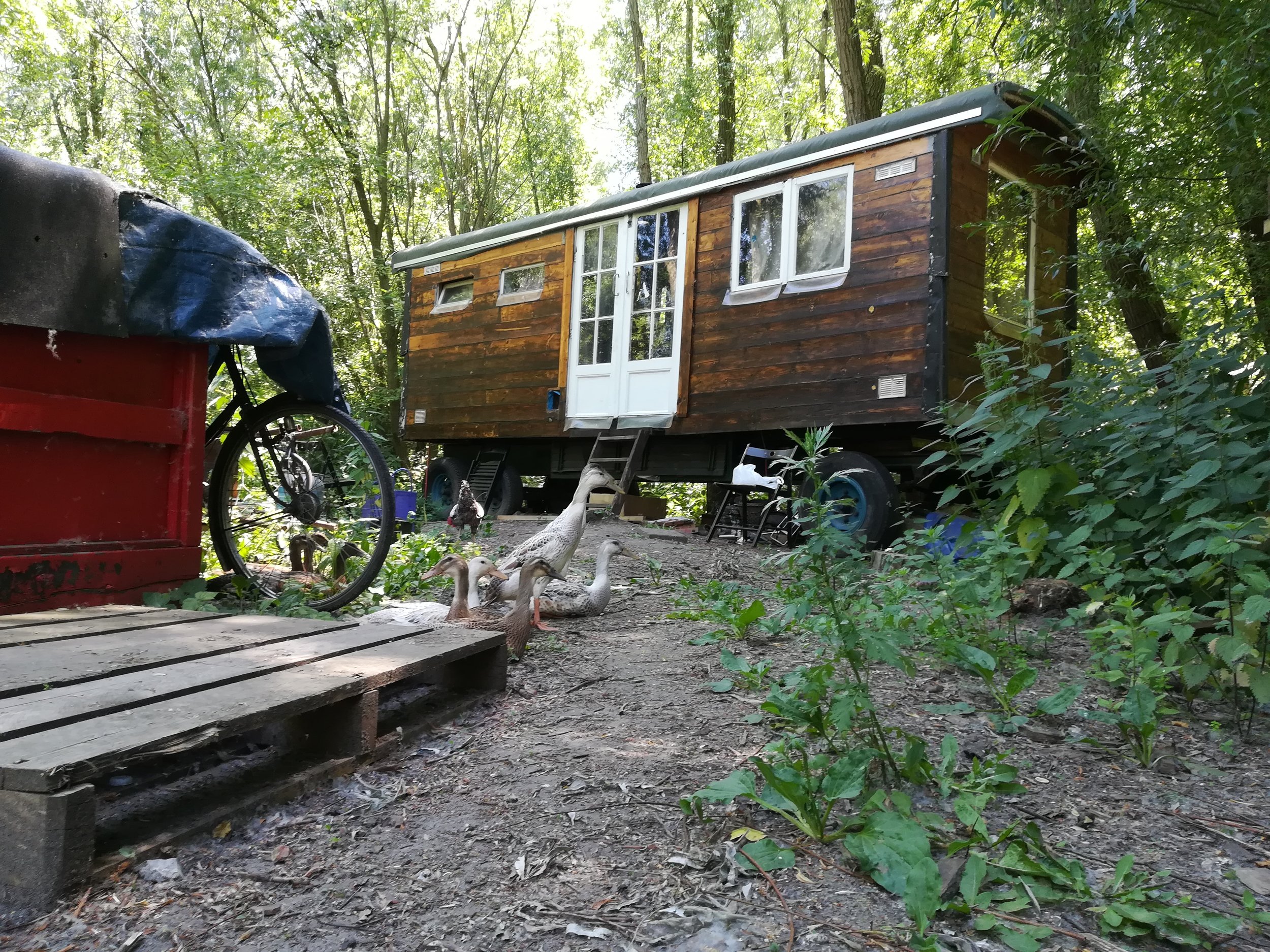
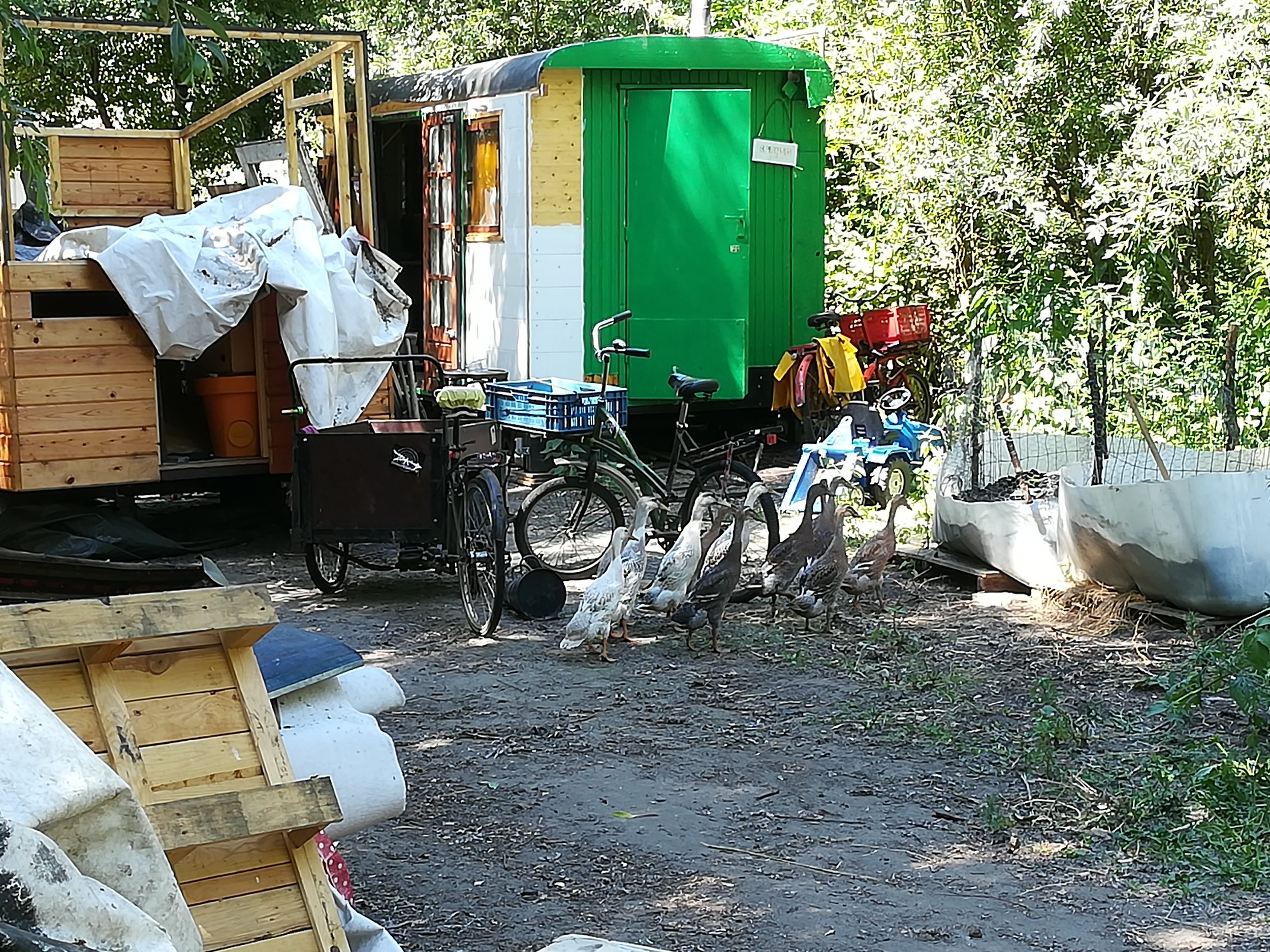
Neighbours included this noisy bunch
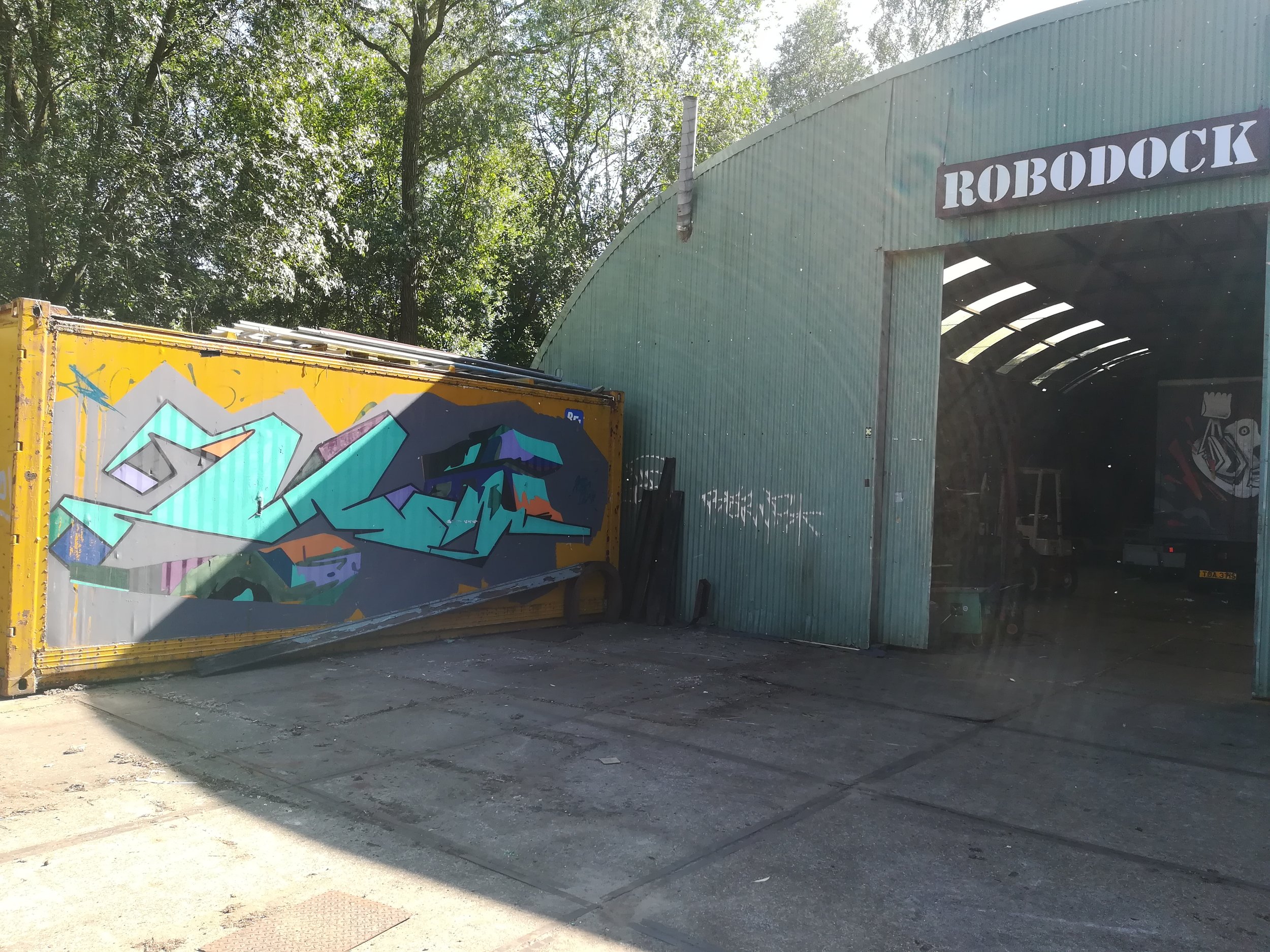
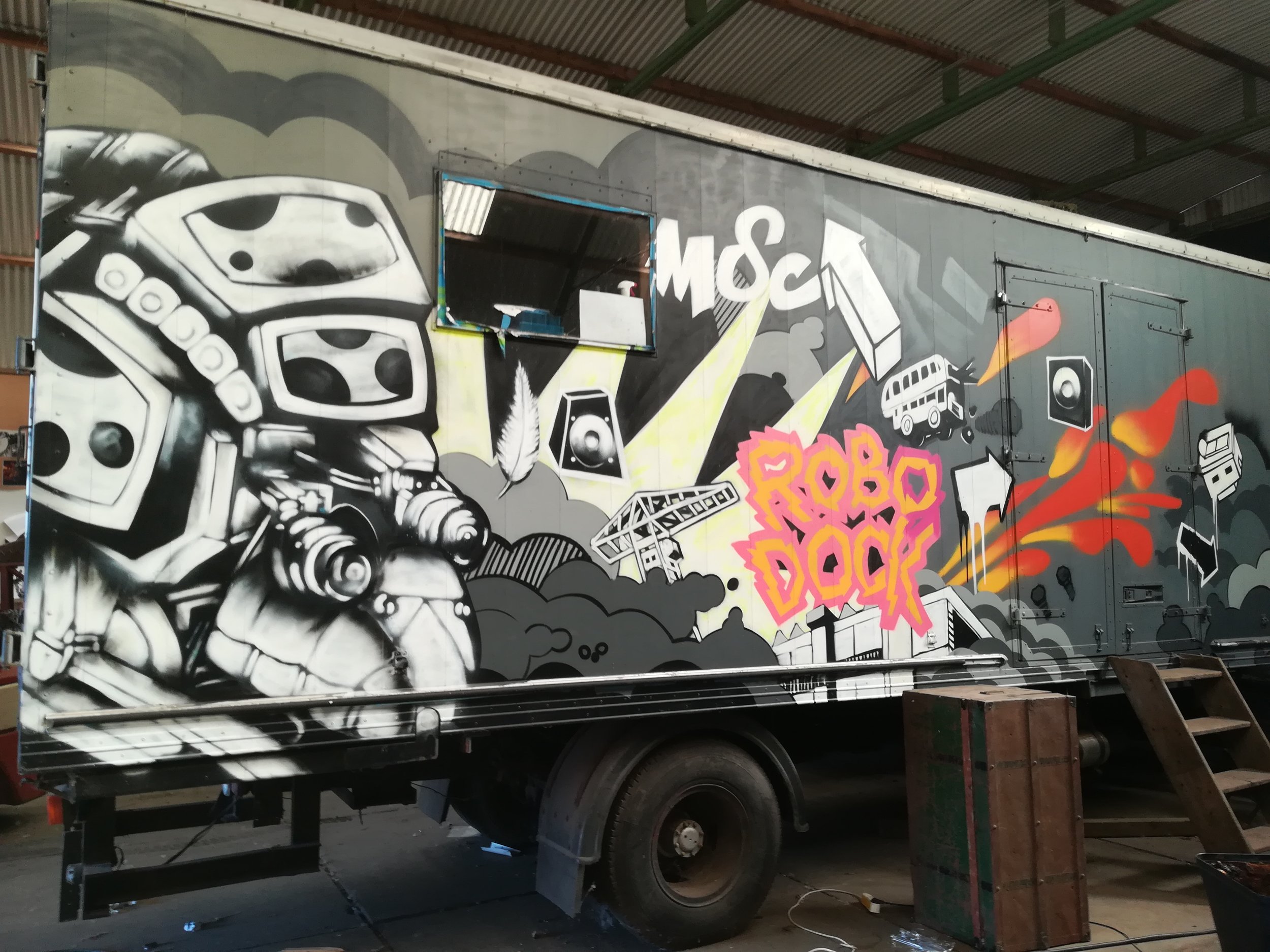
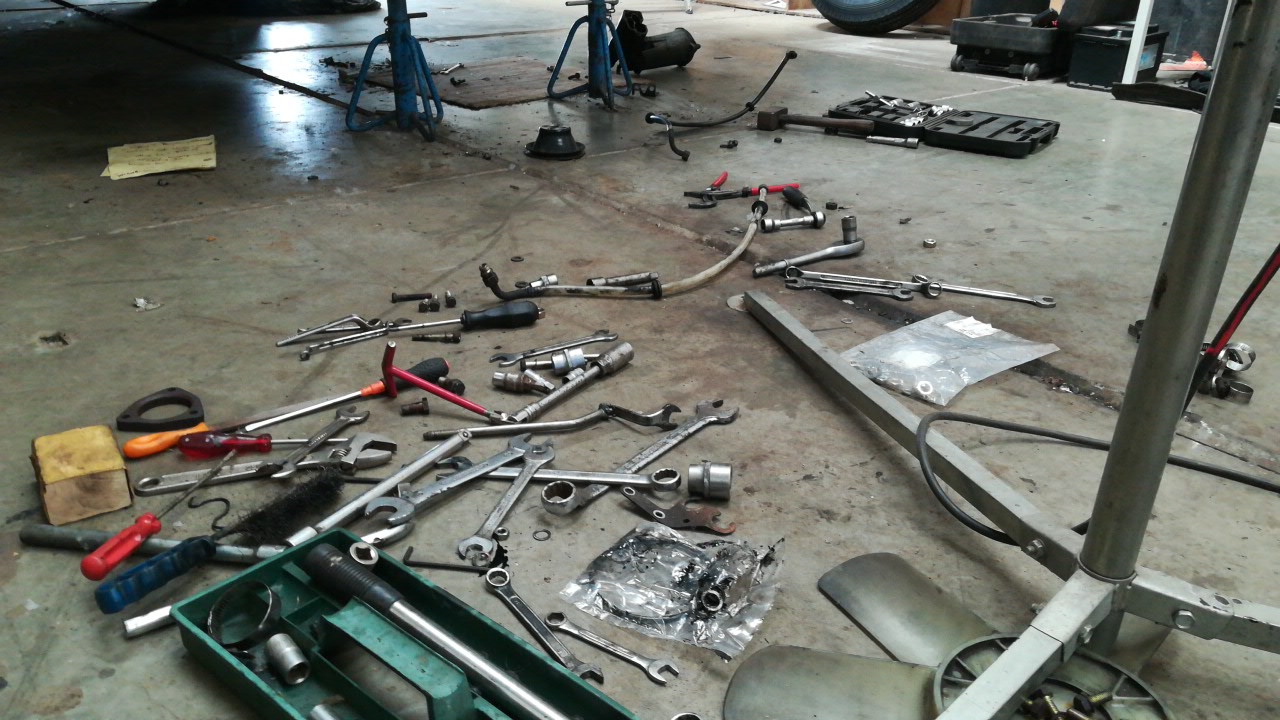
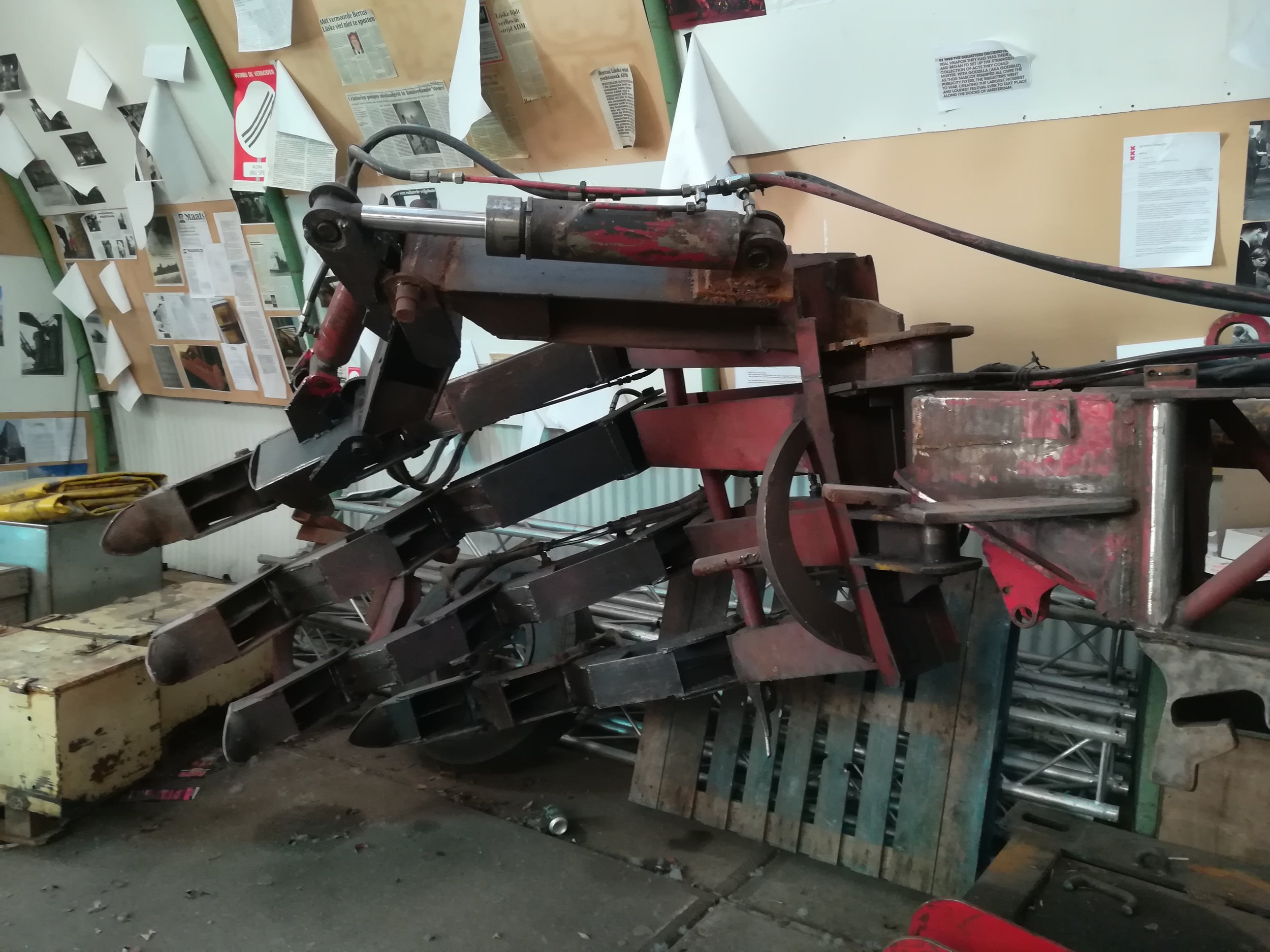
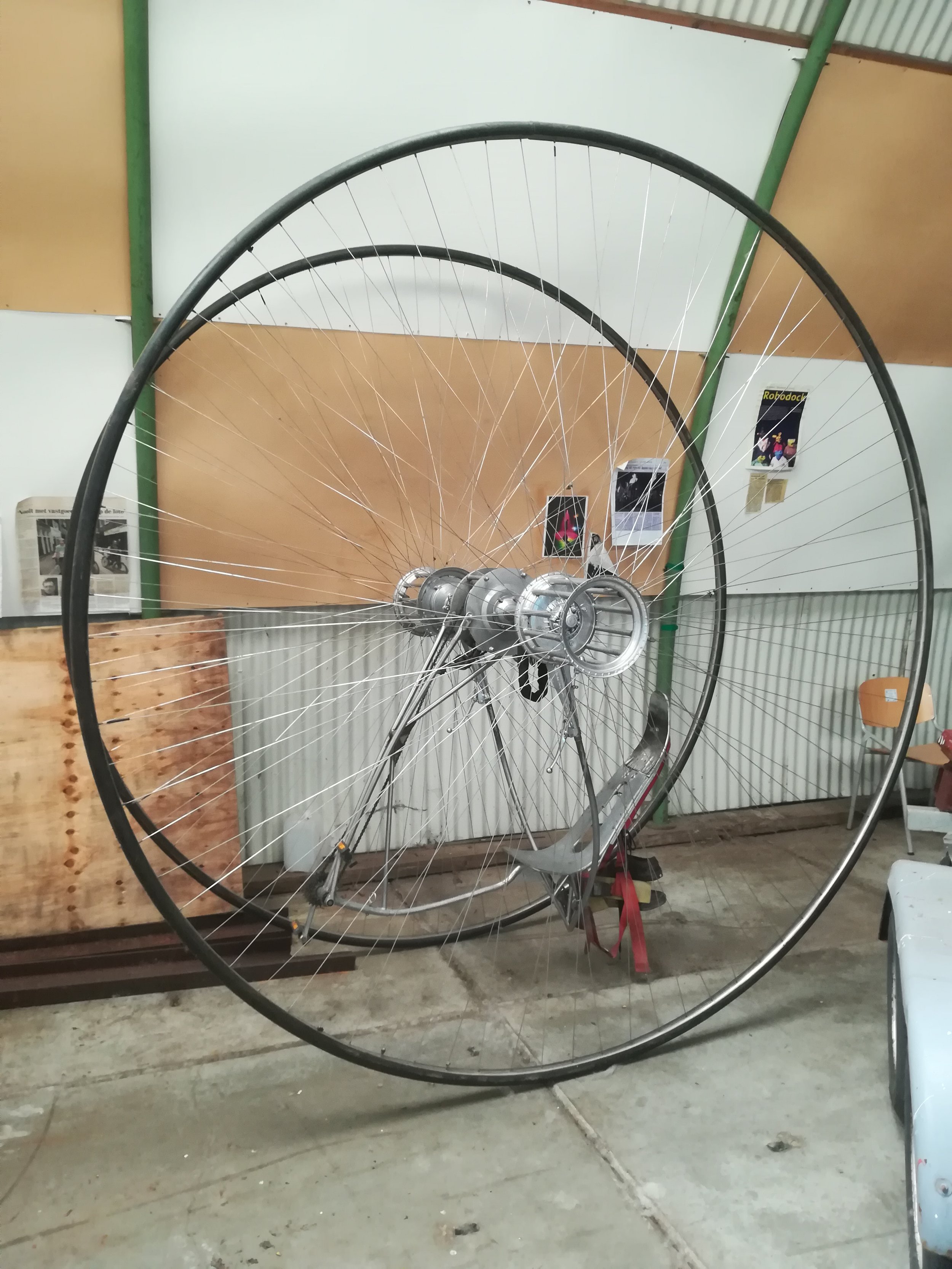
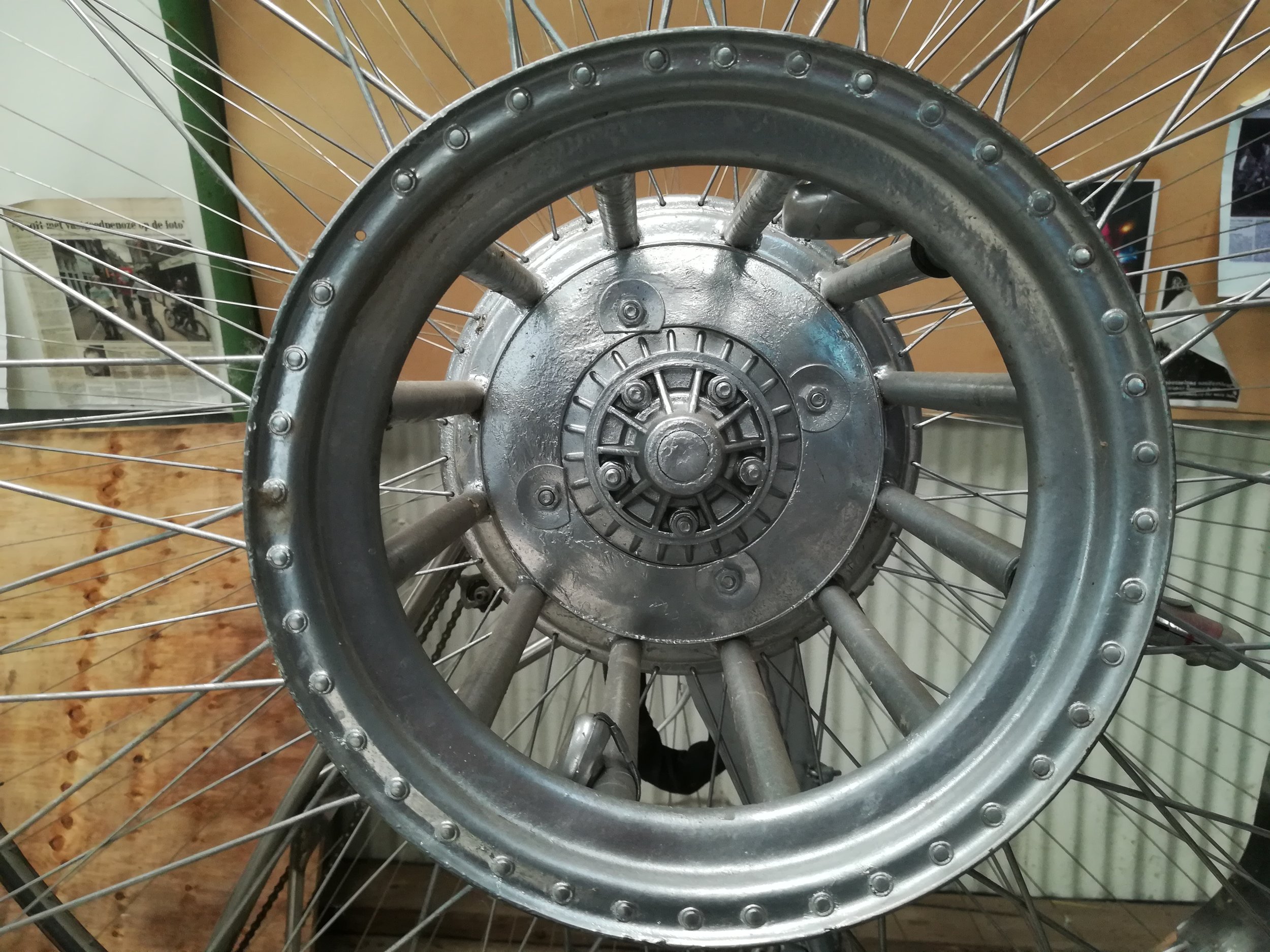
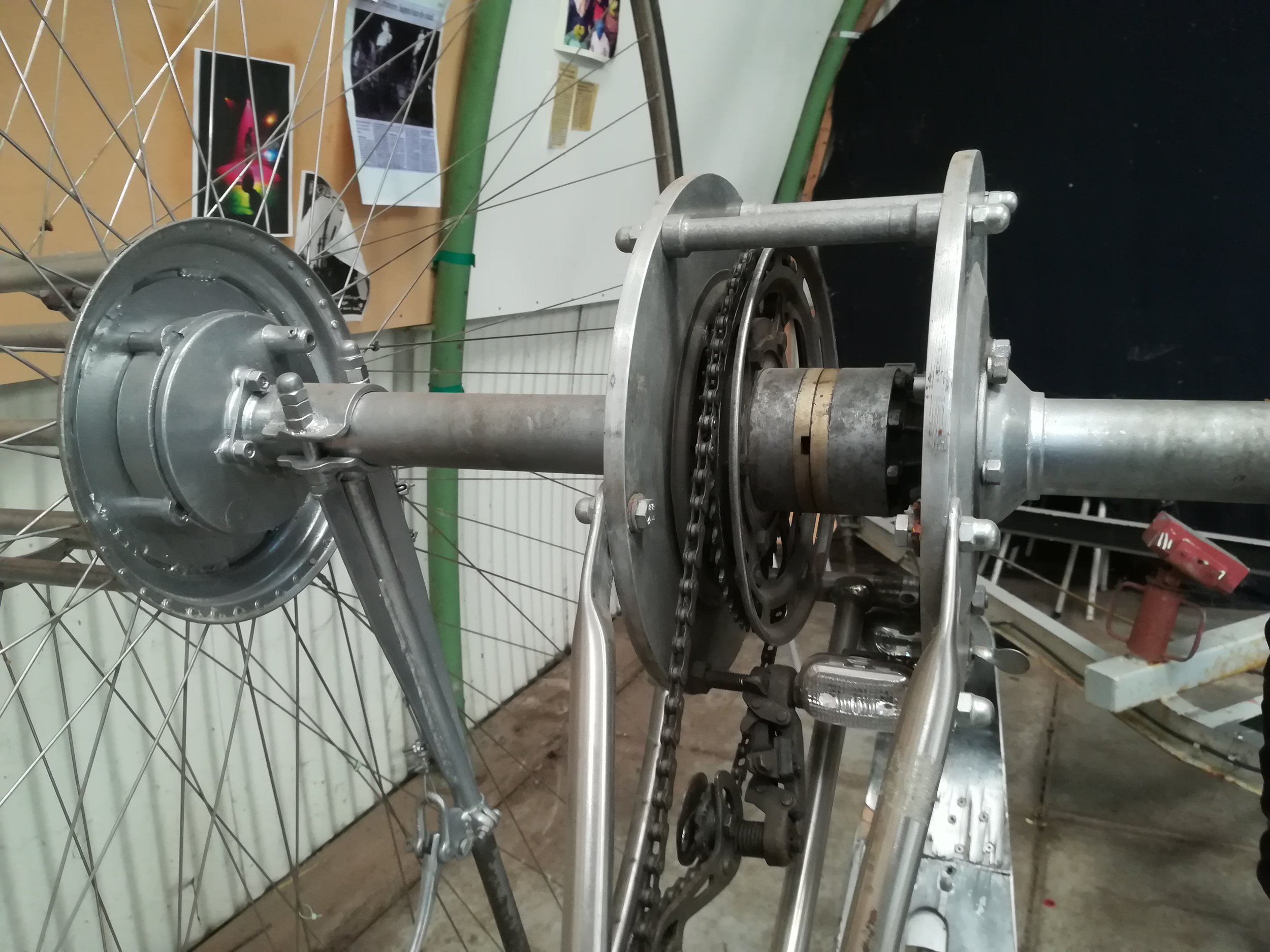
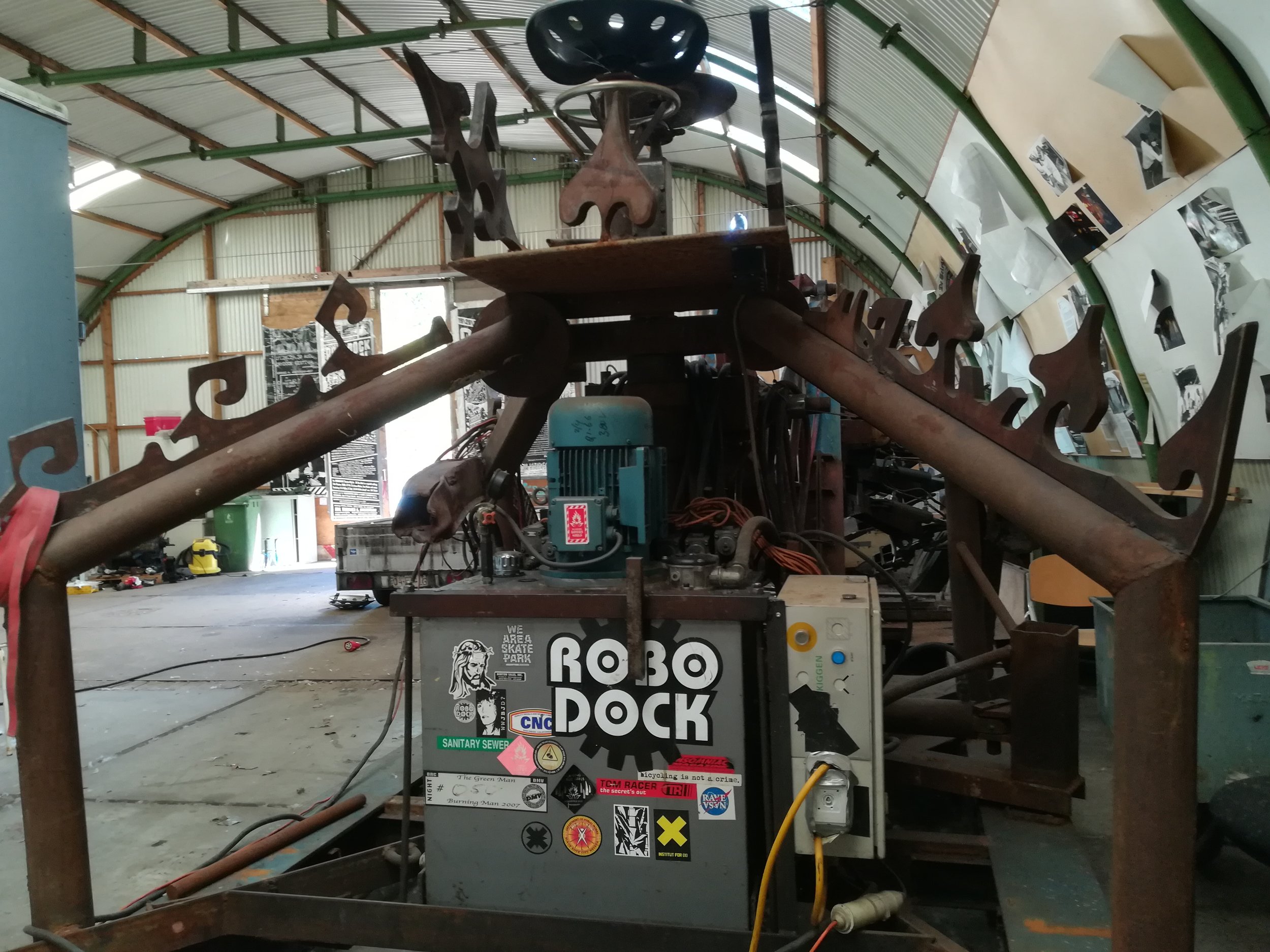
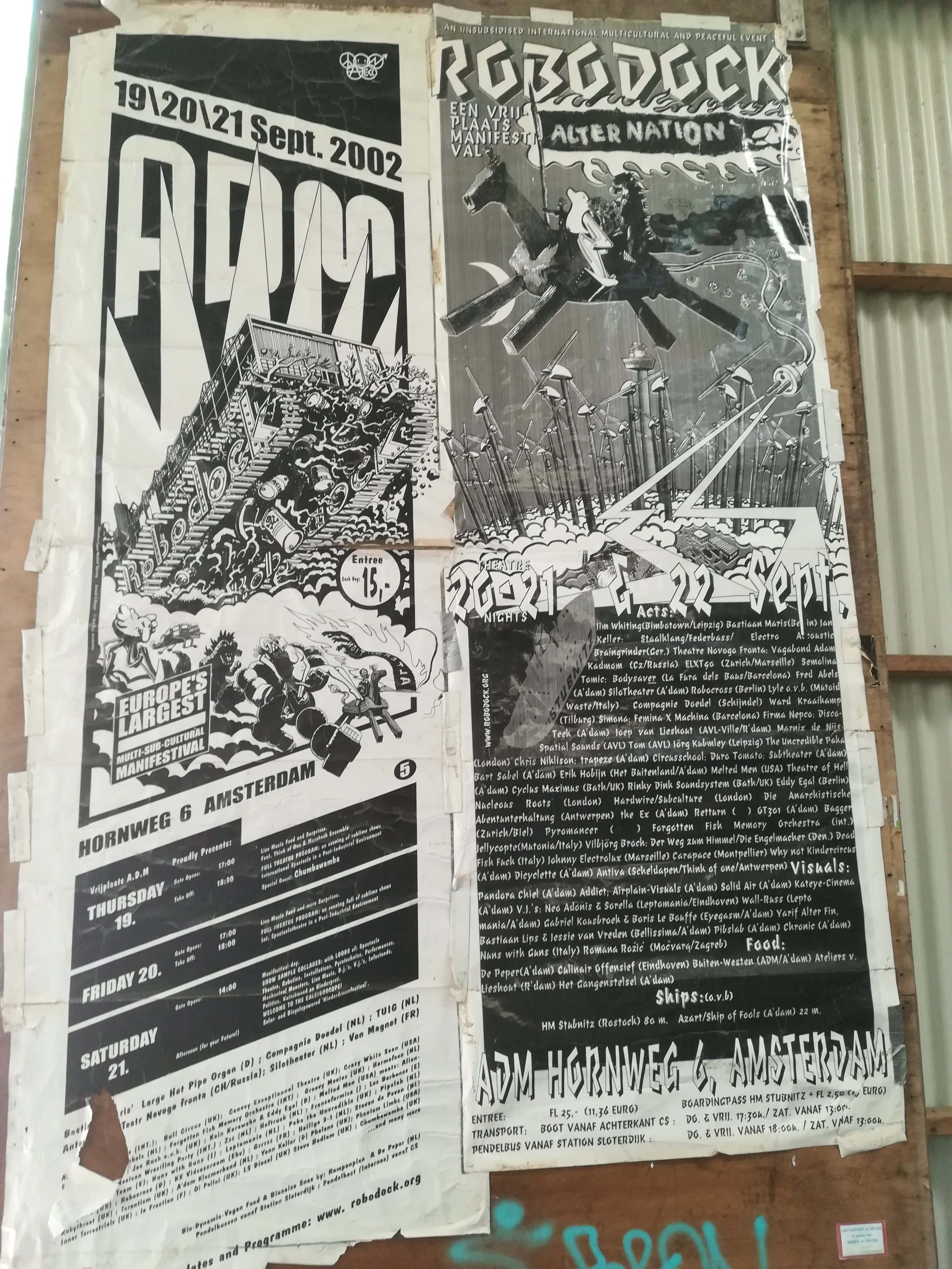
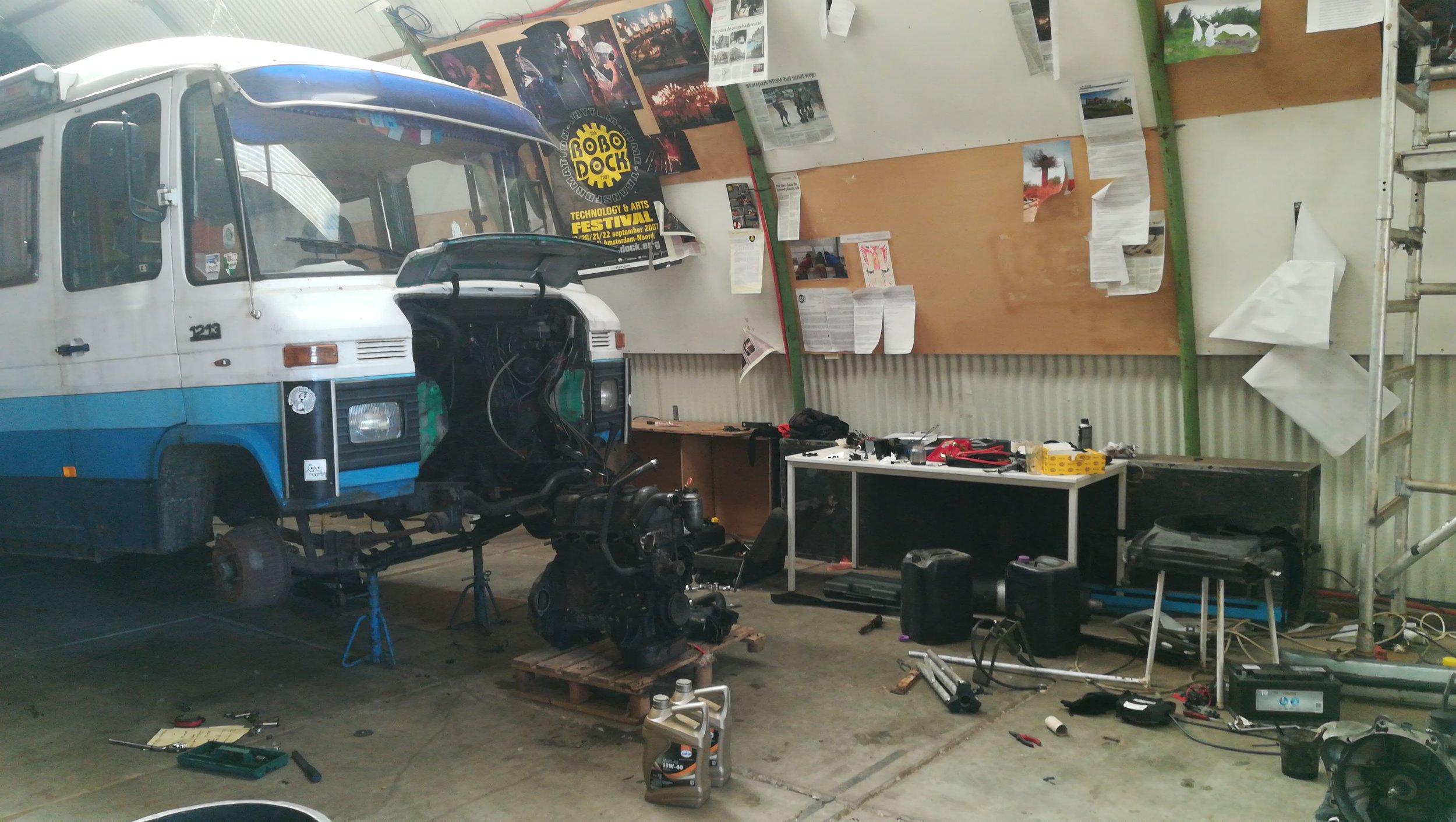
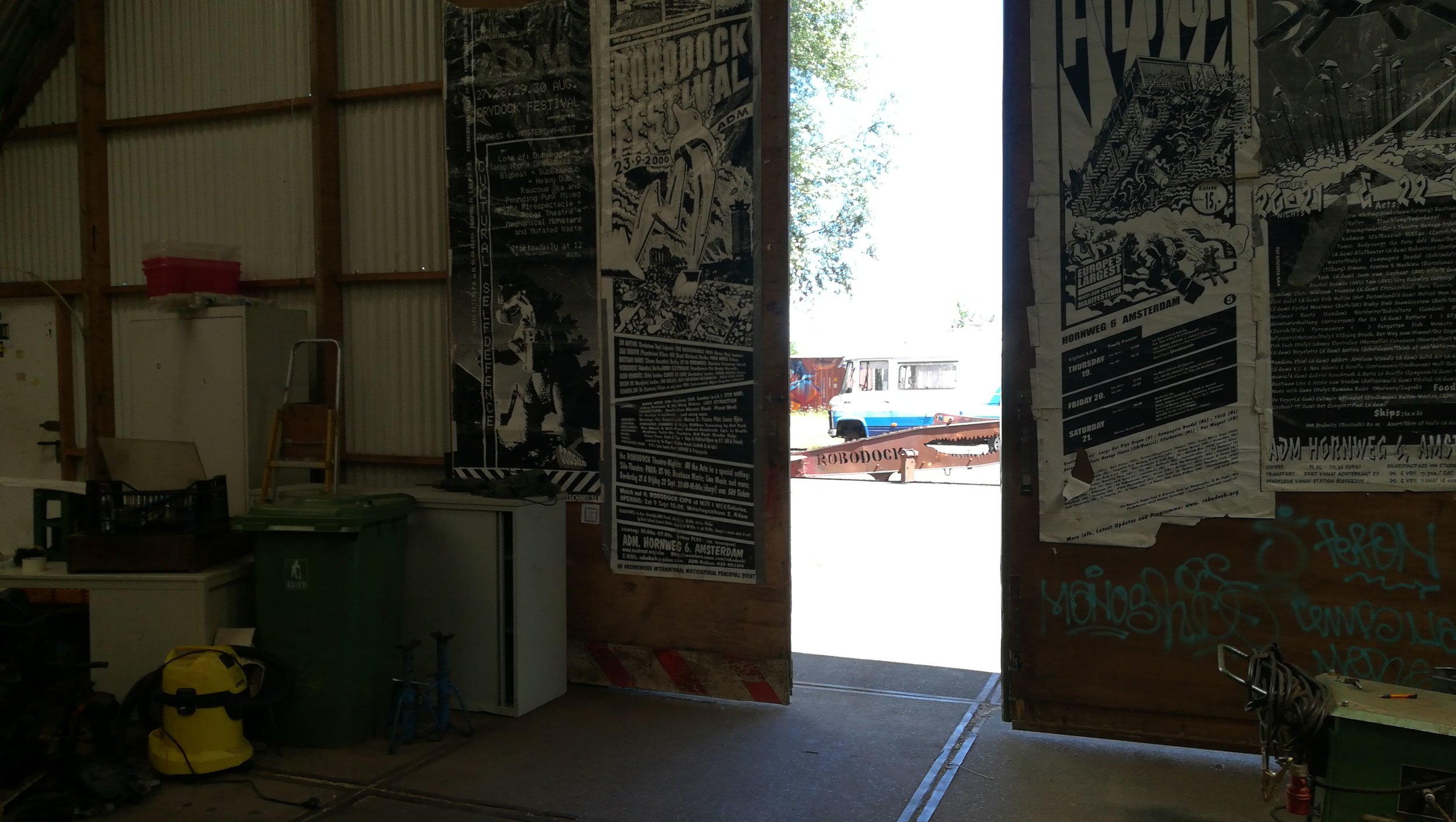
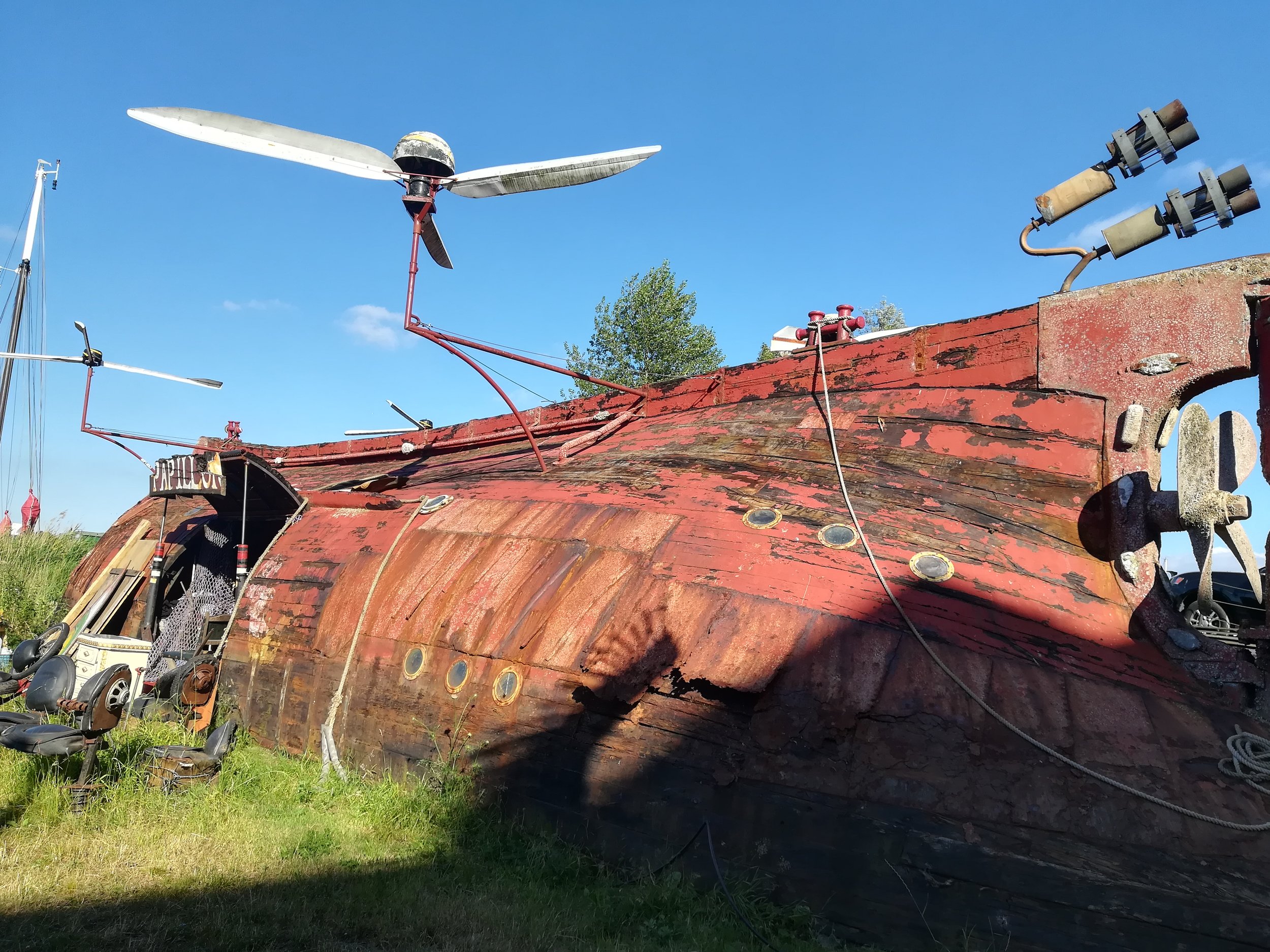
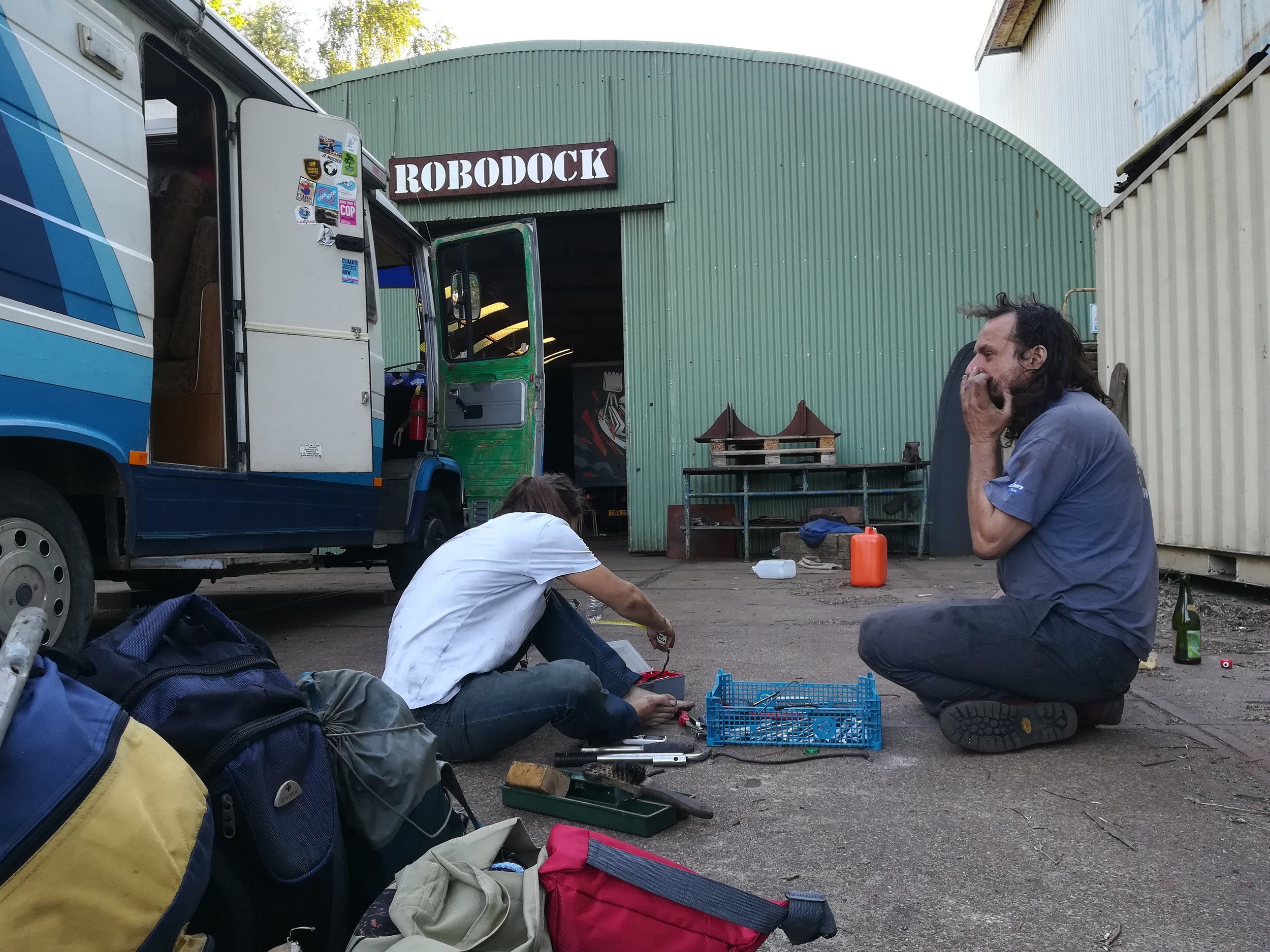
I was fortunate enough to spend a few weeks in ADM in the summer of 2018, where I got to step beyond the rhetoric and learn the rhythm of the life there. I was there to fix a vehicle (first time for everything, right?) and got to use the infamous RoboDock space (read about RoboDock and the creative response to gentrification that was ADM)
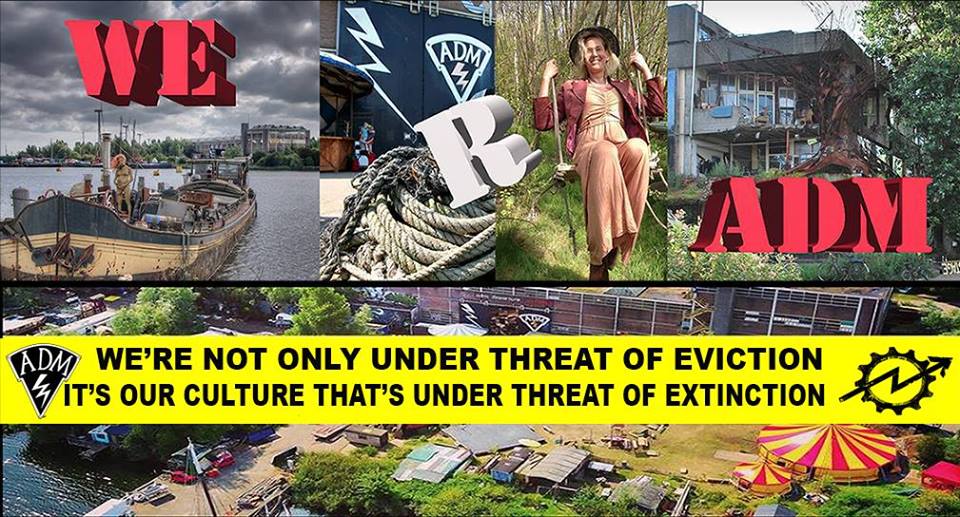
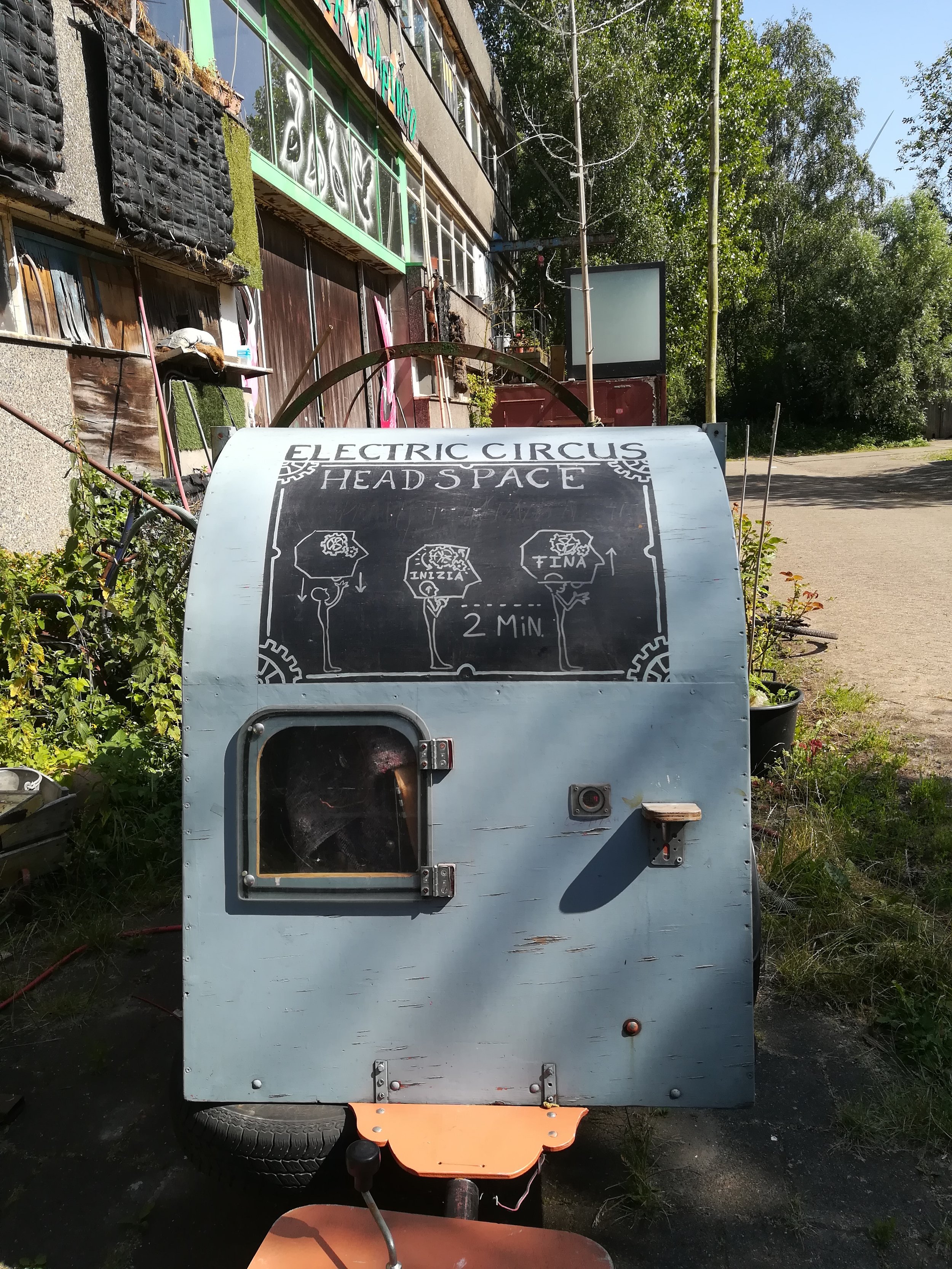
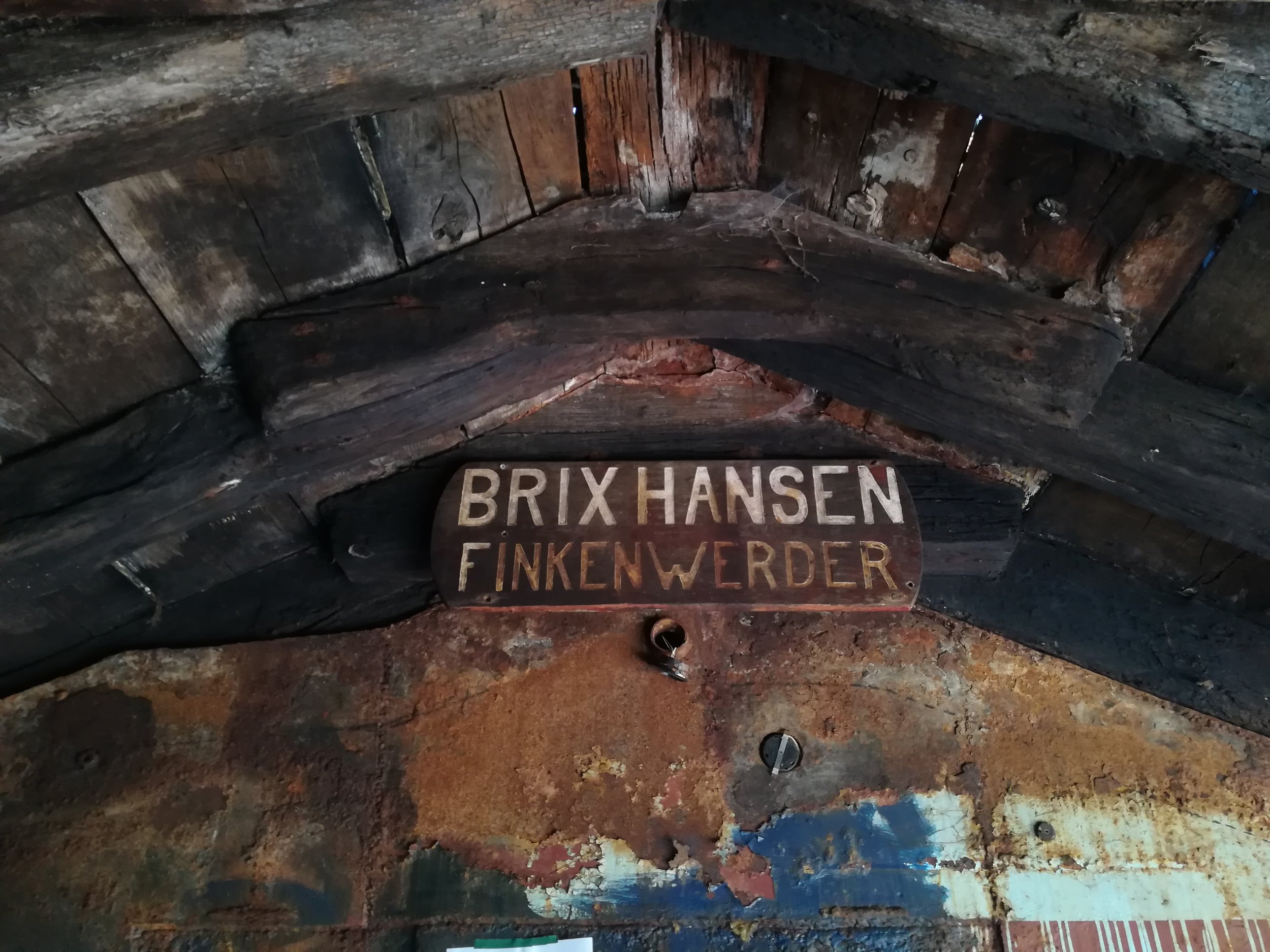
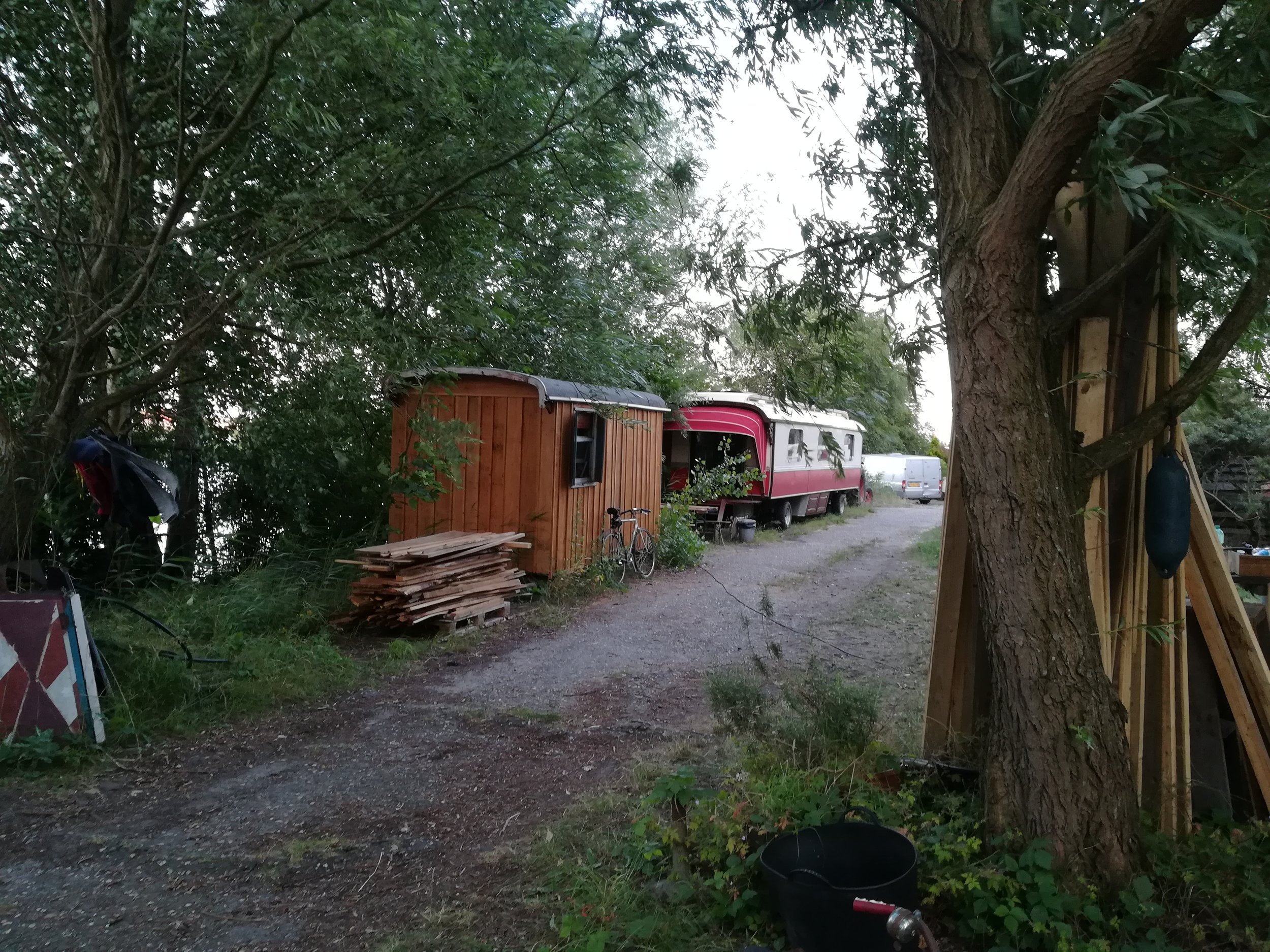
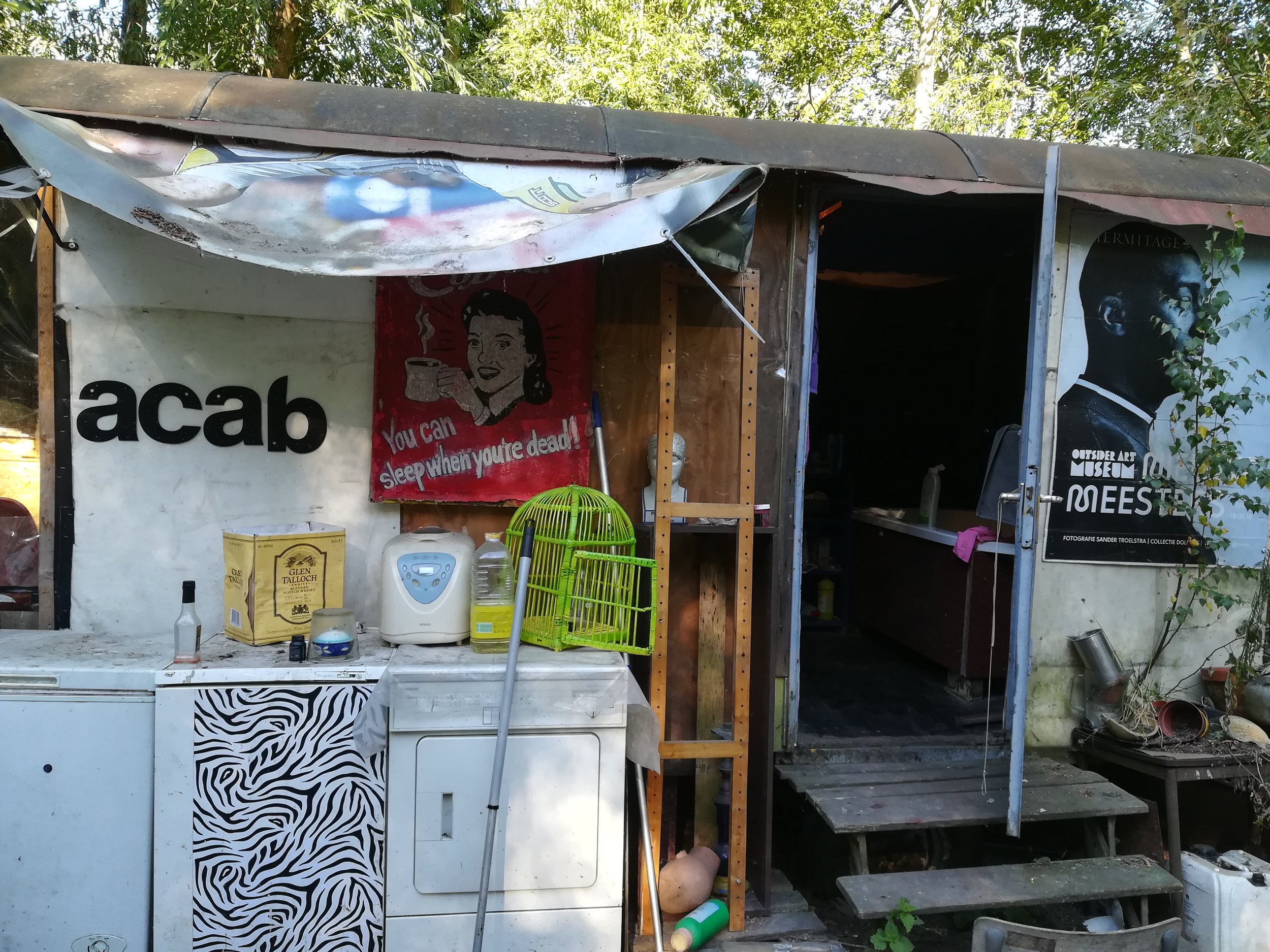
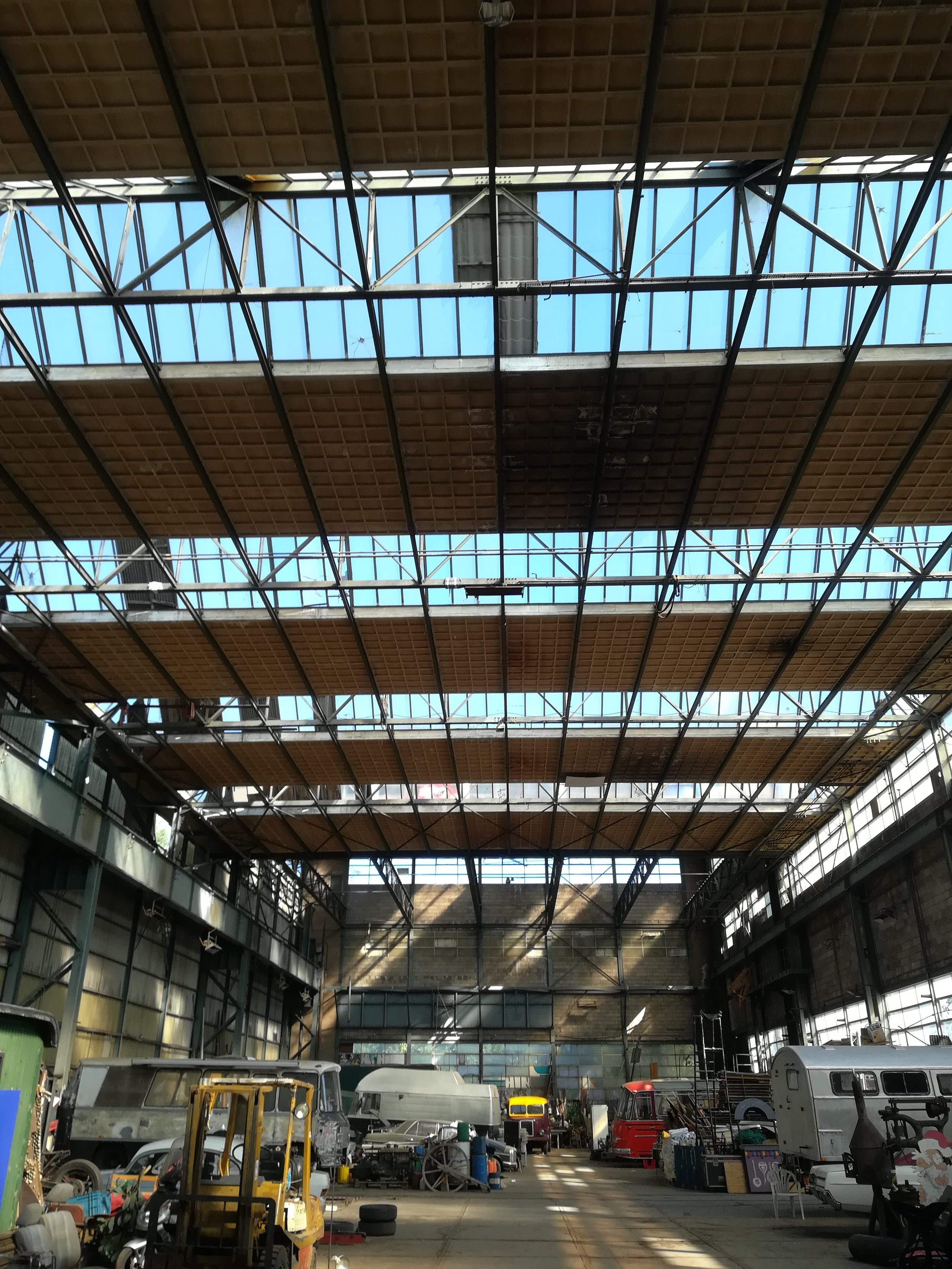
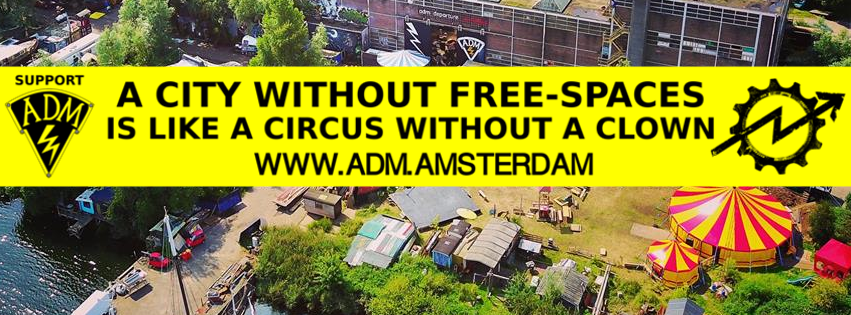
ADM was a special place in the world, situated on the outskirts of Amsterdam in the industrial harbour area north of the city center. It was abandoned and subsequently squatted in the 90s. Around the families and artisans that gathered there since then, the space became a haven for free -thinkers, a laboratory for the metal- and fire-artists that congregated, gardeners and anarchists living with children and the circus folk. The ADM space was known to be a collection point for creators to make and shape beyond the need for capital as the incentive, as well as providing a base for the struggles against gentrification
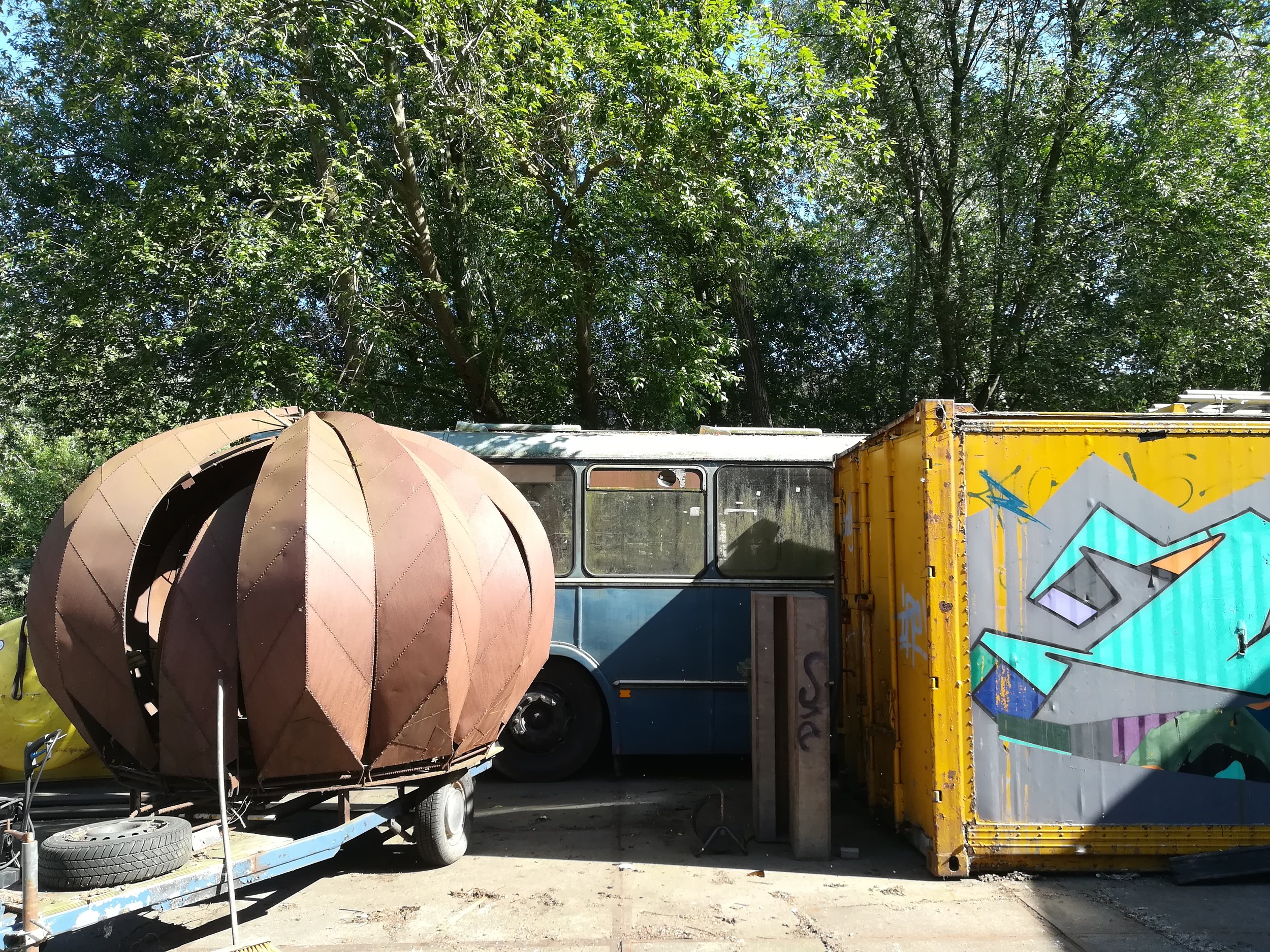
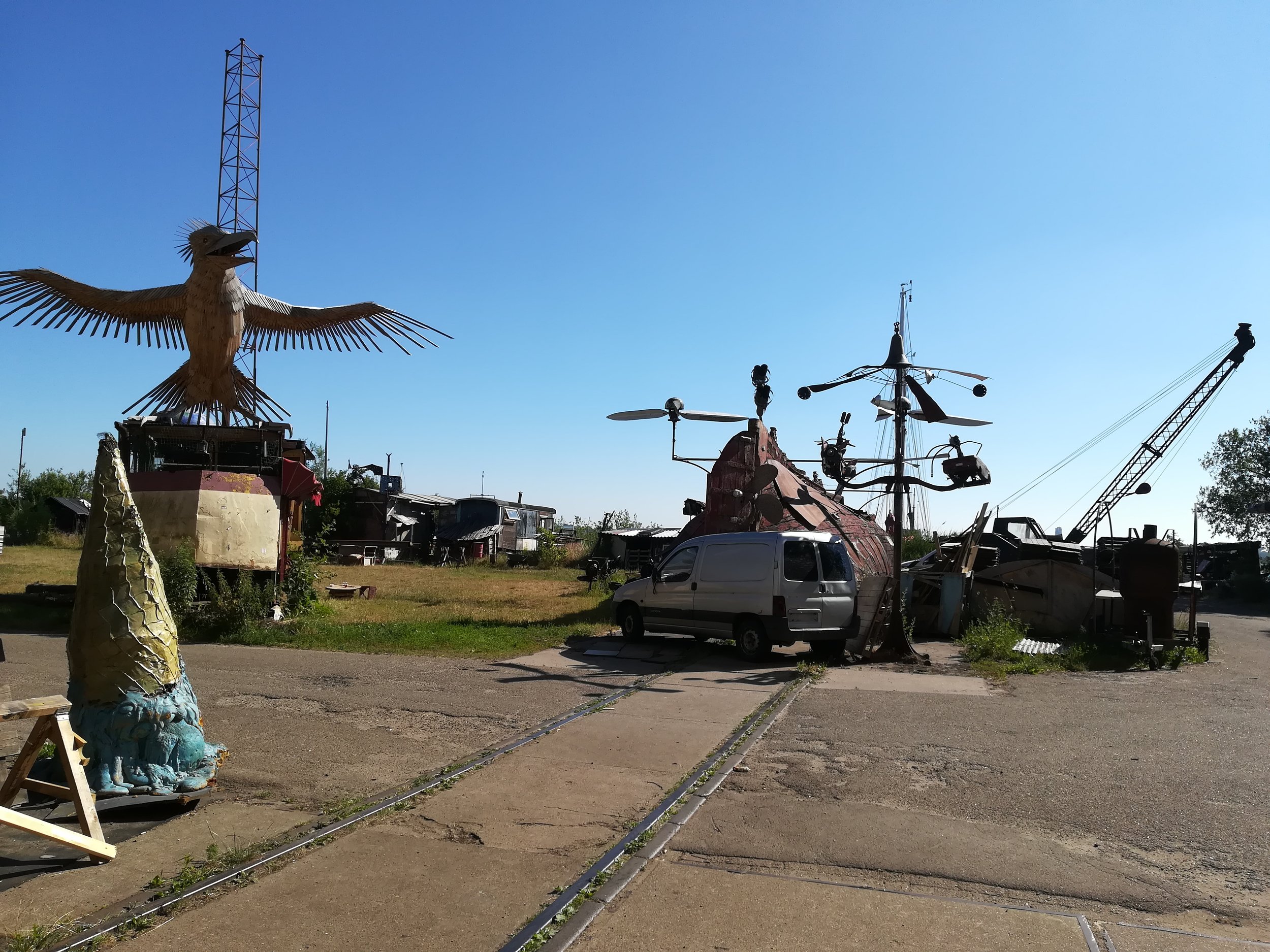
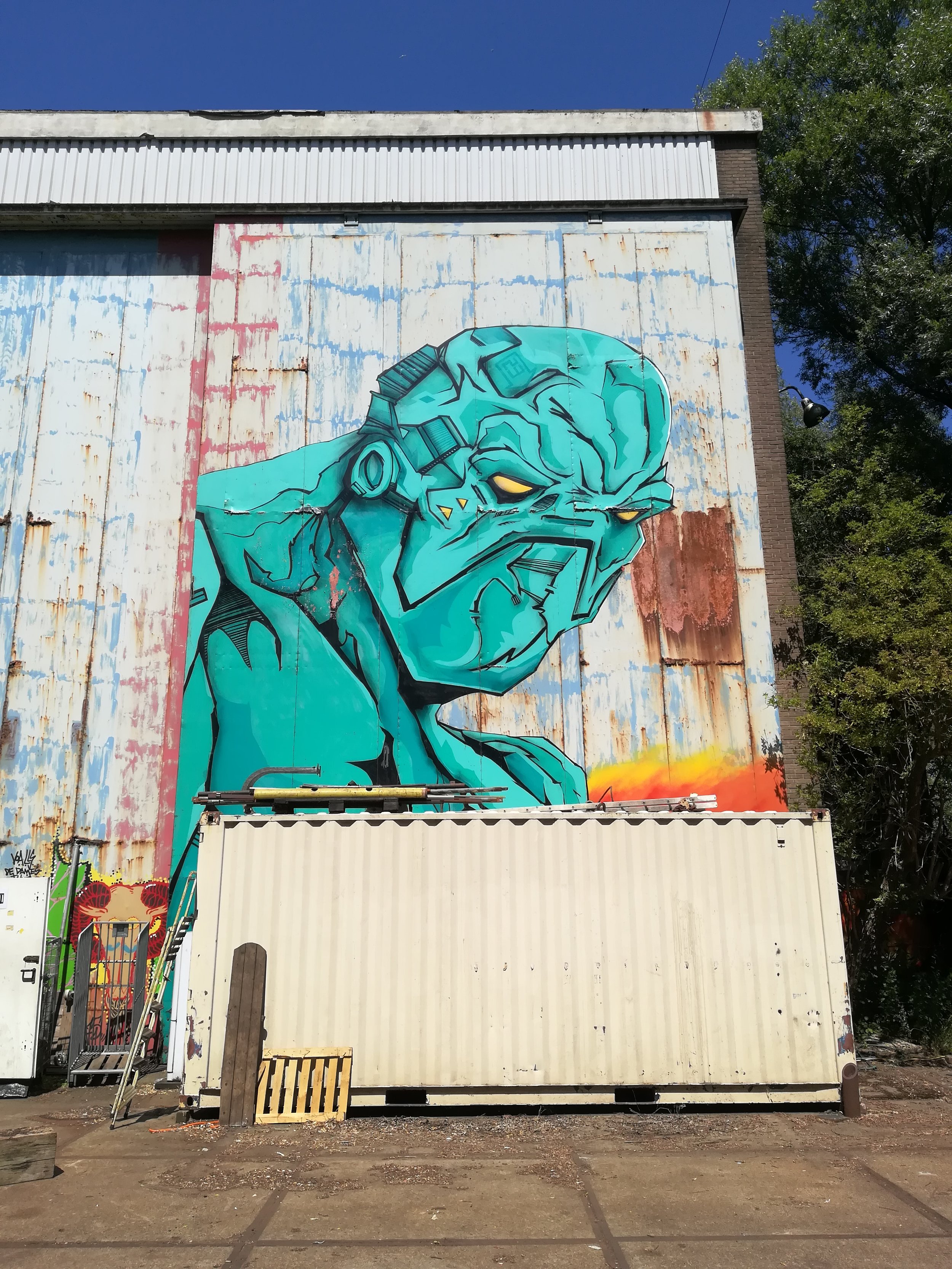
Just one of the many art pieces that adorned the corners and centers of ADM
Everyday was AfrikaBurn
You know you are in Amsterdam…..
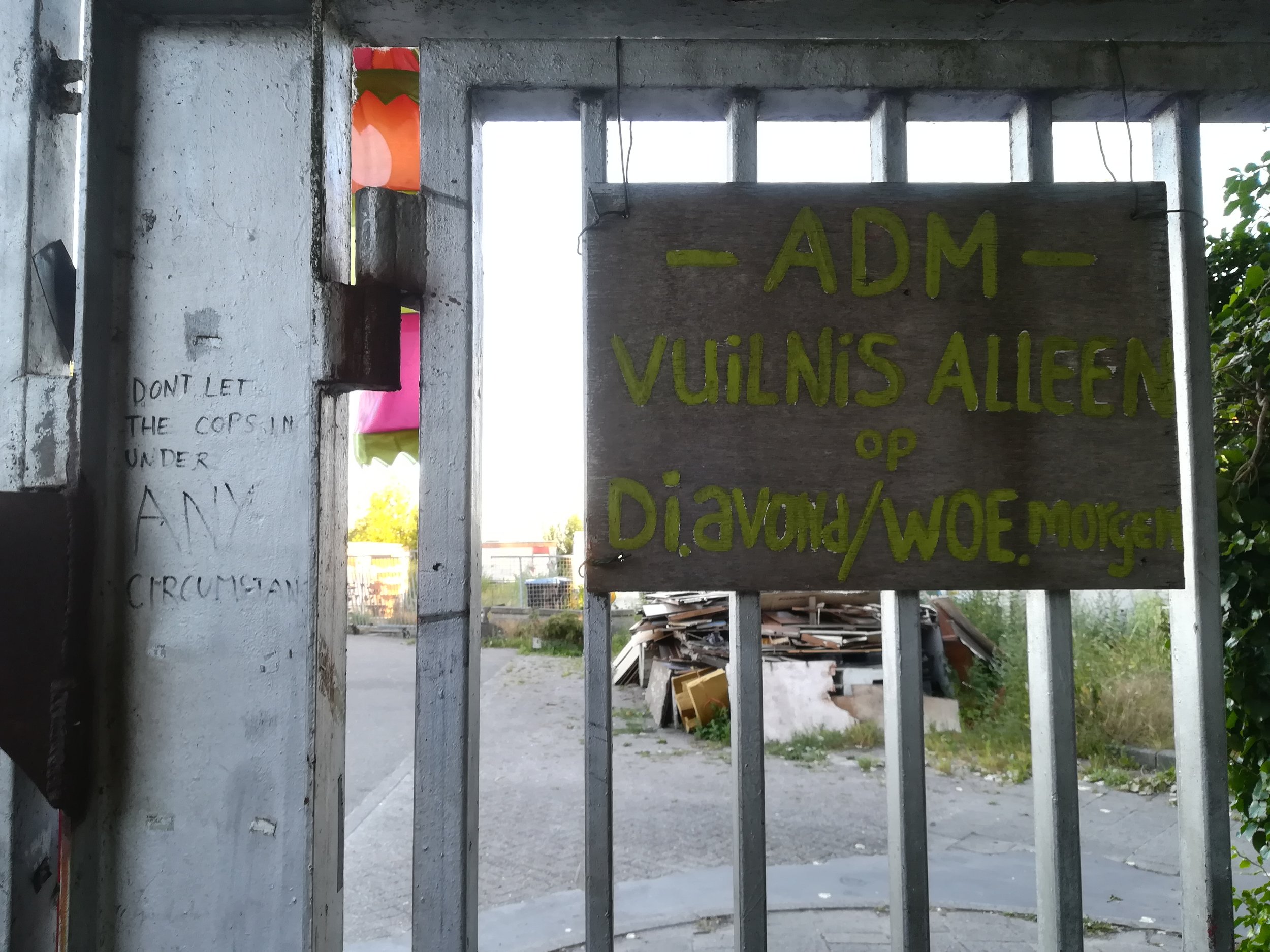
Besides the amazing sculptures, murals, mutant vehicles and amazing architecture, the space has hosted festivals, parties, symposiums, concerts and every other kind of communalisation. The space became synonymous with the advancement of the circus theme, using robotics and fire displays. The freedom held in place through that front gate made space for so many to meet, mingle, make and master artforms, the most common being the art of being free.
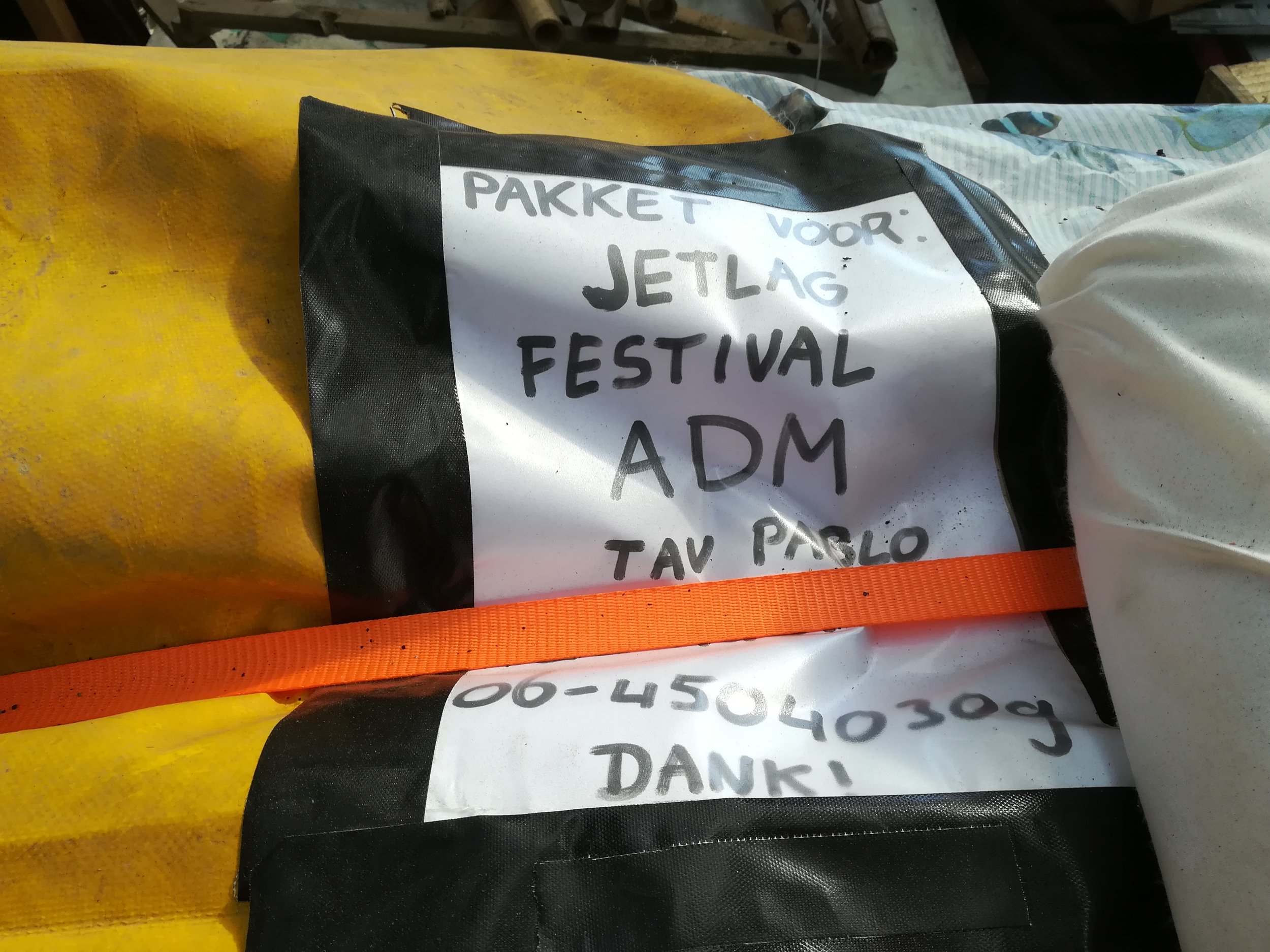
JetLag Festival was one of the highlights of the annual culture program of ADM
Check out Lora’s video that explores some of the history of ADM, and documents the arrival of the Ship of Fools project for ADM’s birthday party
I found a small knit community defiant and proud of the life they had defended for so long. For them, ADM was the dream manifested, not an investment in some theoretical future. Magic is of course always in the moment, and my time at ADM was filled with magical moments and people, mostly highly skilled and compensated artists and artisans who preferred to live in the shadows of Society, according to their own rules and in the belief that it is always possible and indeed necessary, to write another story.
Home to humans and beyond
Without the ADM crew, we would have never fixed our vehicle
Seriously larger than life art
I chatted to some of the residents, many of them key people who helped establish and defend the space, competent people and crazy people, living a not always comfortable life yet being free or having some freedom and autonomy. Though we were all unaware of what would unfold in the coming 6 months, we spoke candidly about the threat of eviction, what they planned to do, and what had made ADM such a significant occupied space for so many. These people had the bravery of an idiot, drawing a line and defending what they loved, living their life according to their individual beat, yet marching together as one community. They proved, over decades, that this was not only possible, it could provide the container for genius and expression to emerge as a natural consequence.
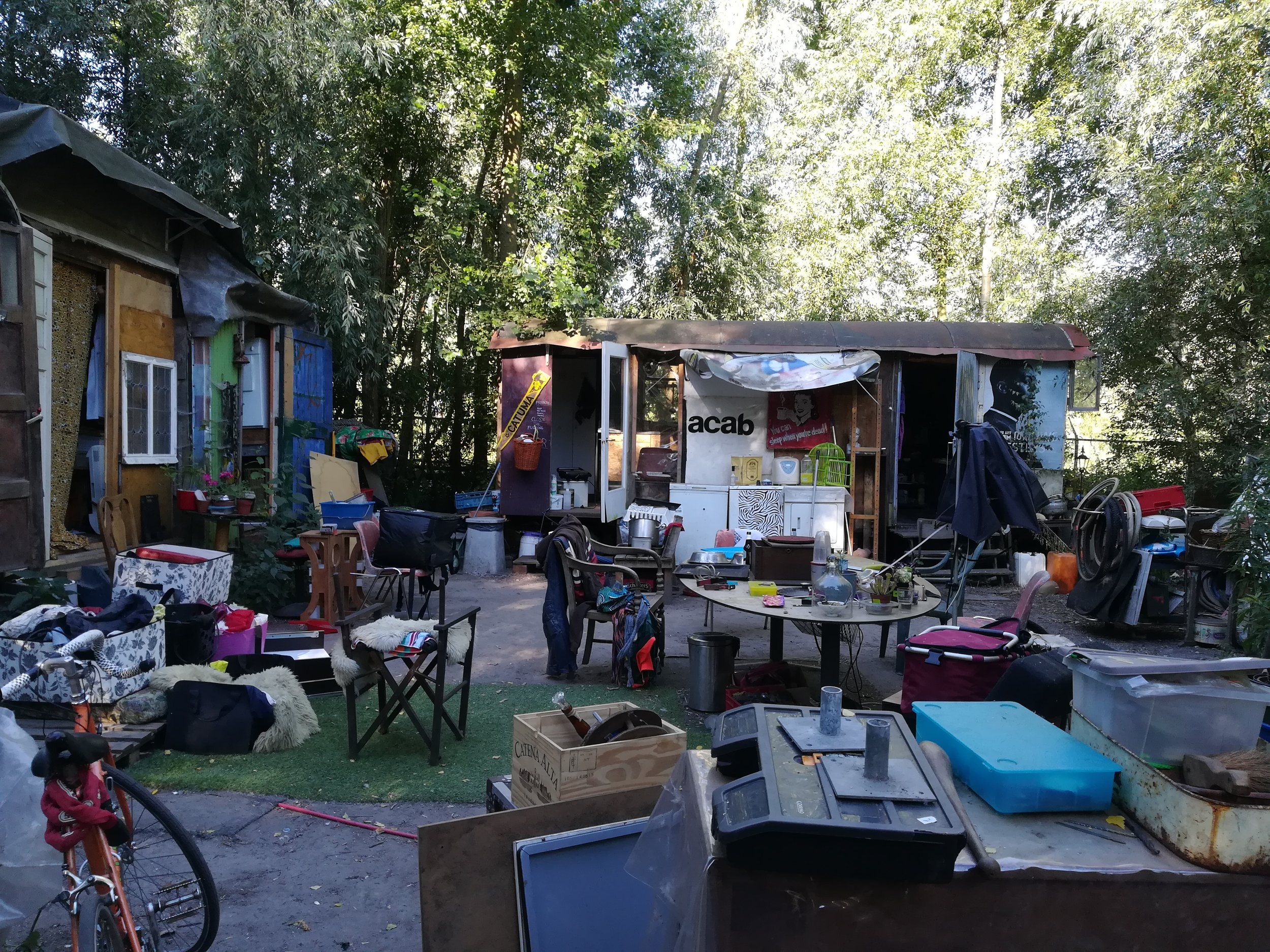
Wagon Life on the edges of the city
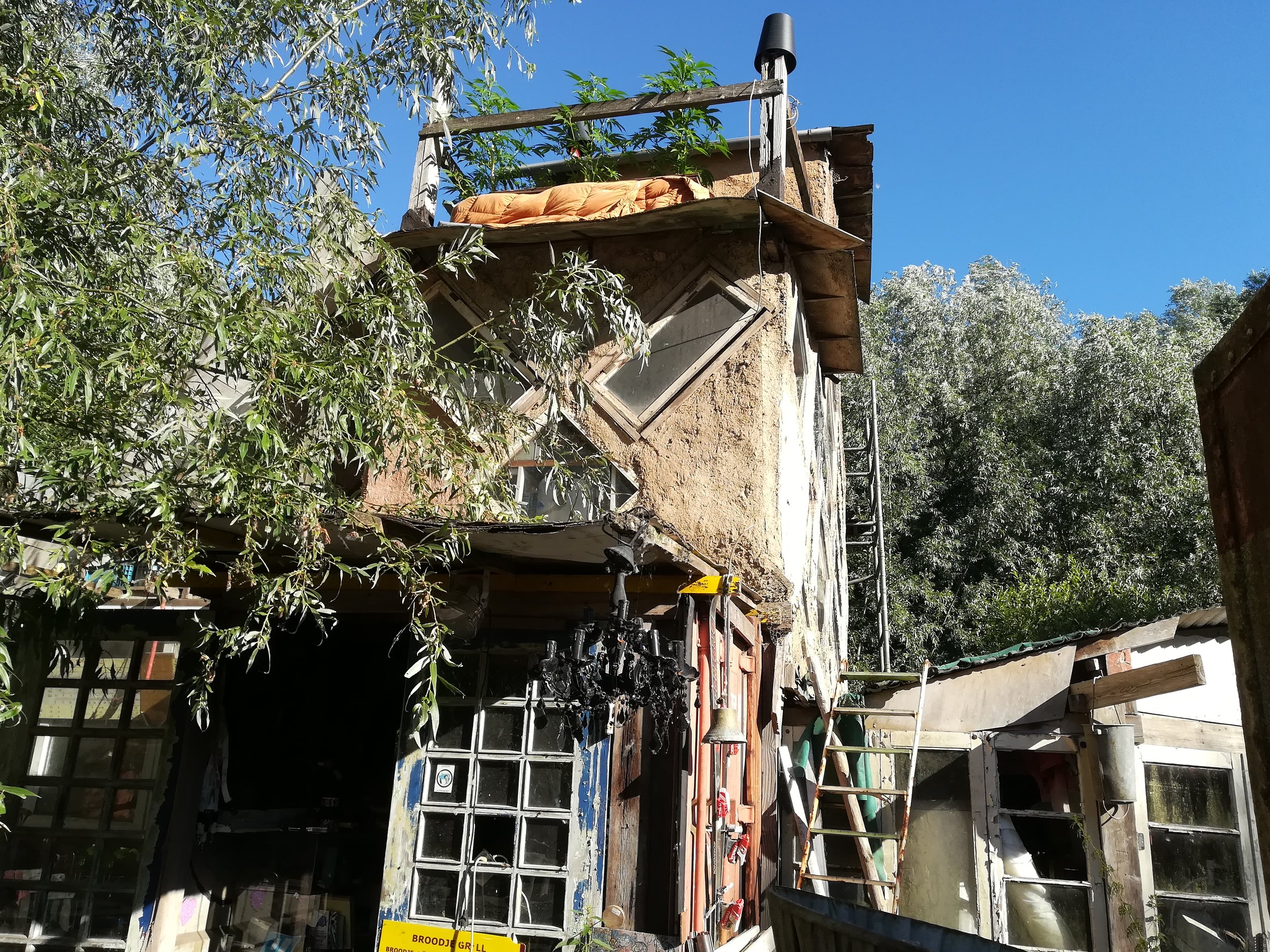
Visionary spaces, here a communal kitchen space and sleeping quarters made from earth and shipping containers
One of the communal kitchen areas
Stress and challenges often galvanize communities, yet in ADM there’s two sides to that coin. Firstly, the daily life has a cloud of potential violence and the impending eviction looming overhead. Like many other zones to be defended ( Hambi Forst and the resistance treehouses is a very viral example), this tension dominates and intoxicates. And still, the ADM crew has a long history of defending and winning, the flagship being the 1998 demolition aborted. A huge machine started demolishing part of the main building while there were people still inside, and the ADM home crew ran to shut down the machine and eject the eviction team.
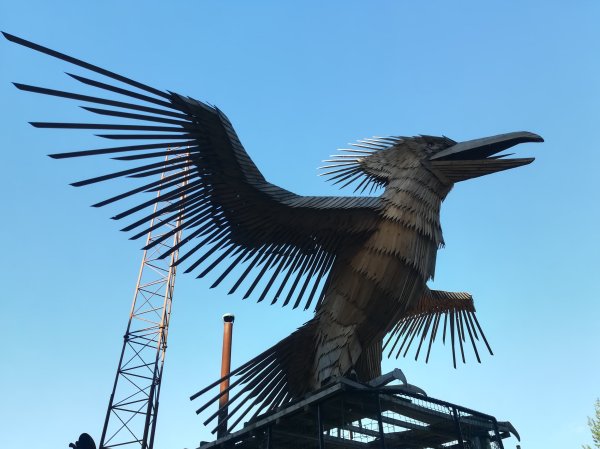
That building was lovely re-crafted and reoccupied, and became one of the central spaces of ADM, with an amazing metal tree growing out of the wounds to symbolize the tenacity of the human spirit of resistance and the search for justice. In so many ways, this tree represented the gutsy and grimy grasp that this community had on the psyche of Amsterdam. Metal, forged in fire,shaped and strong, conductive, reflective, fragile and functional, a bold statement to the world that out of the ashes of repression, beauty can and does emerge.
I didn’t realise that last time I closed the front gate, that that would be the last time I would be there. Casting back, I’m filled with gratitude for having spent some time at such a legendary space, and grateful to all those people who never gave up, who innovated and fought to save one space, as a means to secure freedom for all. My time at ADM brought me new skills, a new sense of hope and a firmer belief that when people come together as sovereign individuals and are empowered, impossible is nothing!!!
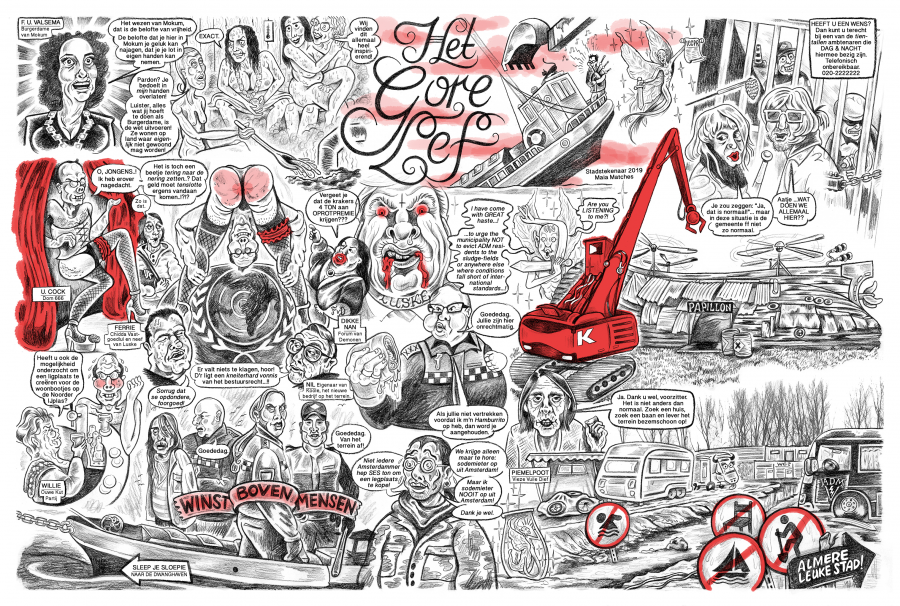
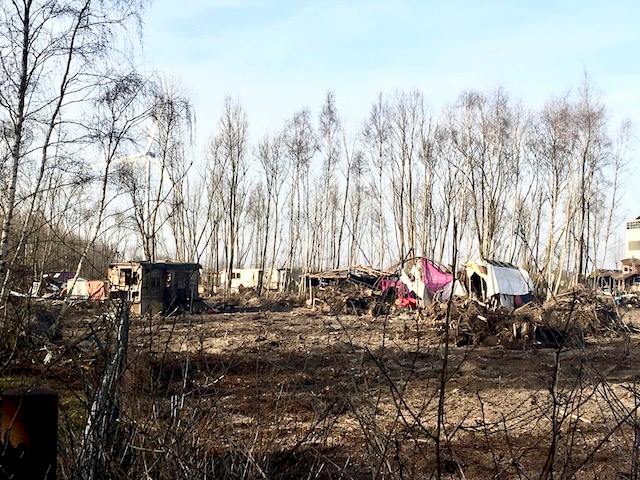
Like a thief in the night, the forces of greed and violence slipped behind the fences of one of these last Cultural Free Spaces in Amsterdam. Ignoring even a UN recommendation, the community of ADM in Westpoort, north of Amsterdam, was swiftly and violently evicted from their homes, many not having enough time to take out their equipment and possessions. One of the last of the truly FreeSpaces had its gates closed, and with that closes a story of resistance and growth and magic and mystery and wonder.
The people of ADM were given a ‘deal they couldn’t refuse’, which was actually a pretty shitty deal, if one could call it that :
To ease the pain the council is offering the current ADMers a 2 ha piece of polluted wasteland beside the A10 motorway in the north of Amsterdam, for the duration of only two years. With this land come many restrictions: no more cultural events or festivals, very little space to work and no communal or public spaces. There is not enough room for even half the ADMers, and where are all the ships supposed to go? The ADM forest, habitat for wild animals and rare species will not be relocated…
Amsterdam’s oldest and most well known squat was in the making for decades, as they stood against the Real Estate Mafia to defend this space. Still, the eviction force moved quickly, and in a few days had torn down what had taken years of mischievous magic to craft. The FreeSpaces are shrinking around Amsterdam and the world, and with ADM being evicted and flattened, a powerful message has been sent out to other radical freespaces as well. Sustained post-capitalism will eat Anything and Everything
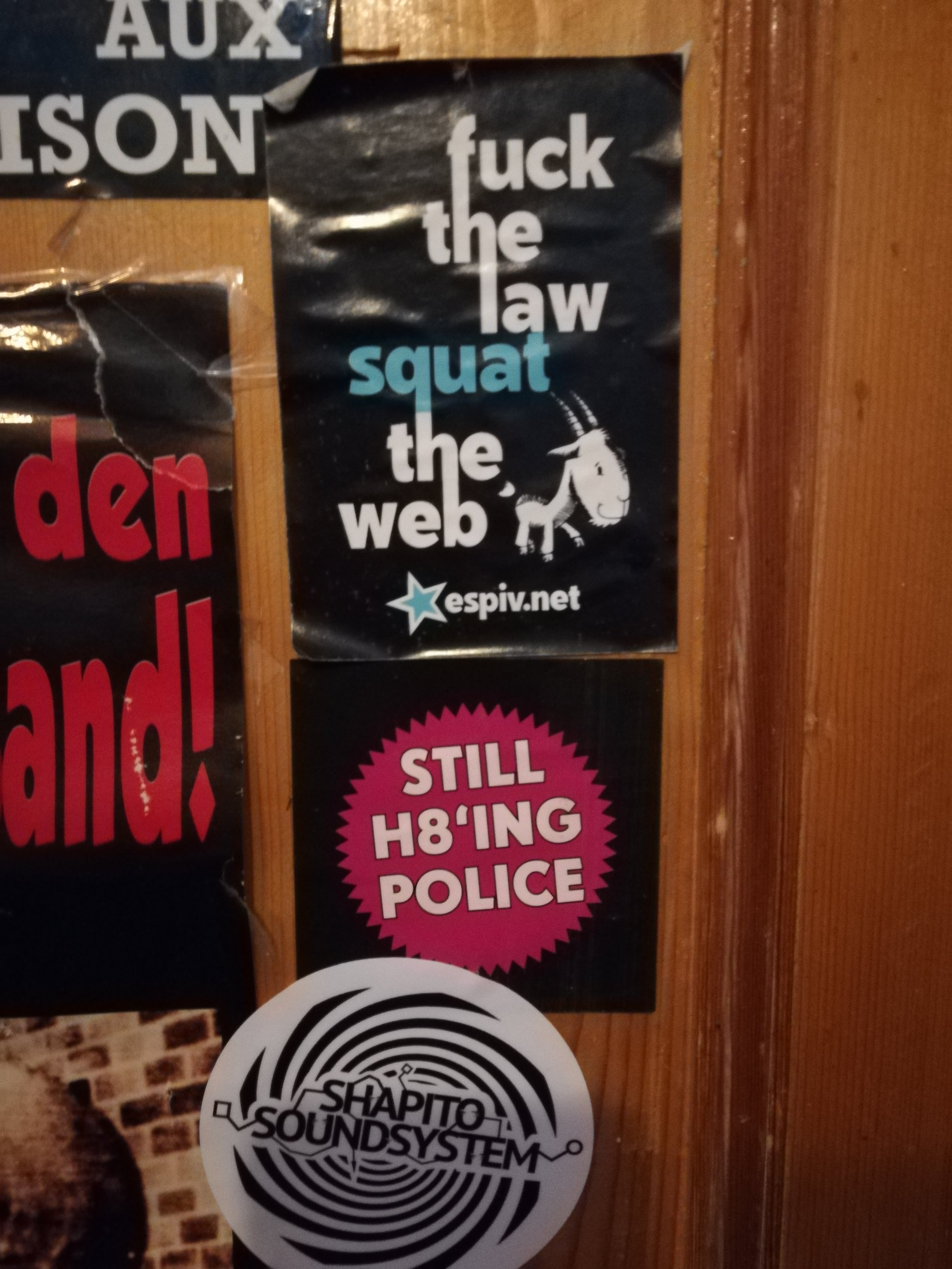
Around the world we see the closing down of these spaces, true spaces of experimentation and authenticity, where value can be seen for itself and community can see for itself, and figure things out for itself. Like other FreeSpaces such as Can MasDeu in Barcelona, ADM was a distinctly anarchist space, open, inclusive, inventive and not up for taking bullshit! Indeed both spaces were claimed and fought for, and both places have used the elements of the people to make a different vision for the world, a different way to live together, while being apart of the System.
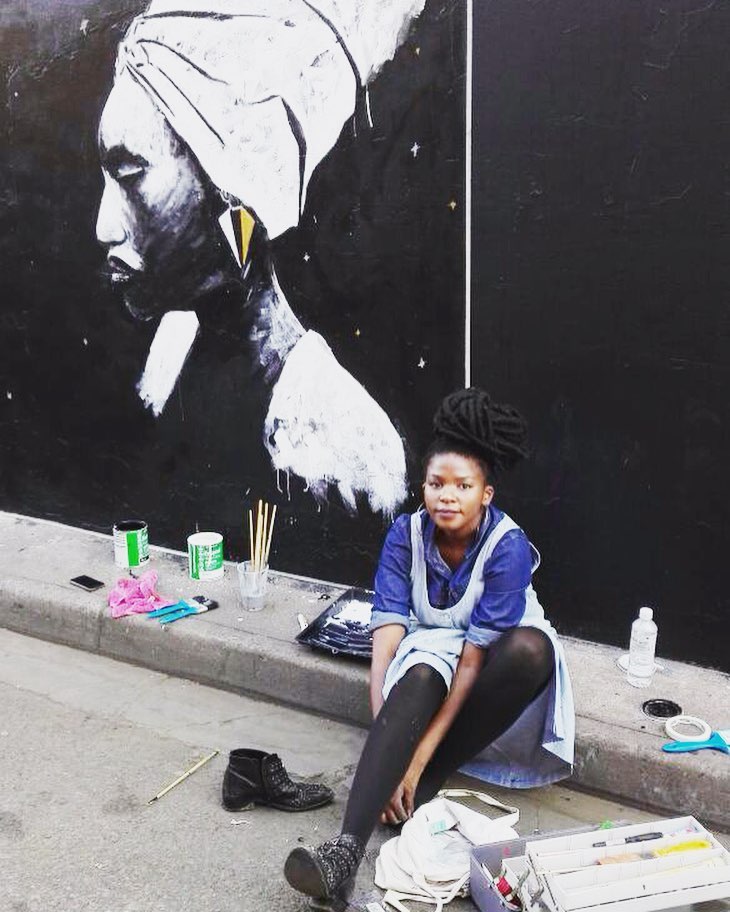
I first met Selloane in 2003 at tertiary. We were still fragile beings back then. Our attire very teenage. She mostly dressed exactly as she is in one of her oldest and one of my favorite pieces “Basotho Barbie”, a fitting title for a self-reflexive portrait by a student artist at that age. She always dashed across the courtyard, wearing a repellent look on her face. You could only just stare at her, admire and wonder. She wore dreadlocks and was to me naturally fascinating. I thought she was cold but in a fragility masking type of way. I saw through that shield however, but, I will not indulge you on my shoddy and instantly and constantly rejected attempts to serenade her with my famously seductive intelligent conversation. Since those days, many bottles of wine, Phumla’s bankies and other friendship trysts later we are here, both artists and independent individuals, with a large circle of mutual friends, a common love and hate for art, music, wine and social media.
Her artwork has fascinated me for as long as I can remember. As with any artist, techniques and philosophical prerogatives change and develop to precision with the years. This change and evolution is usually influenced by a milieu of personal and socio-political and economical impositions or realities.
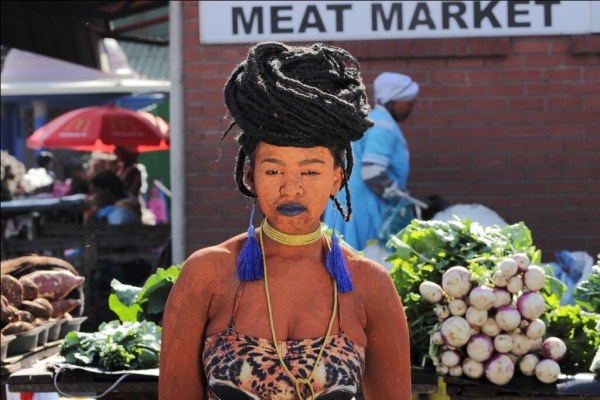
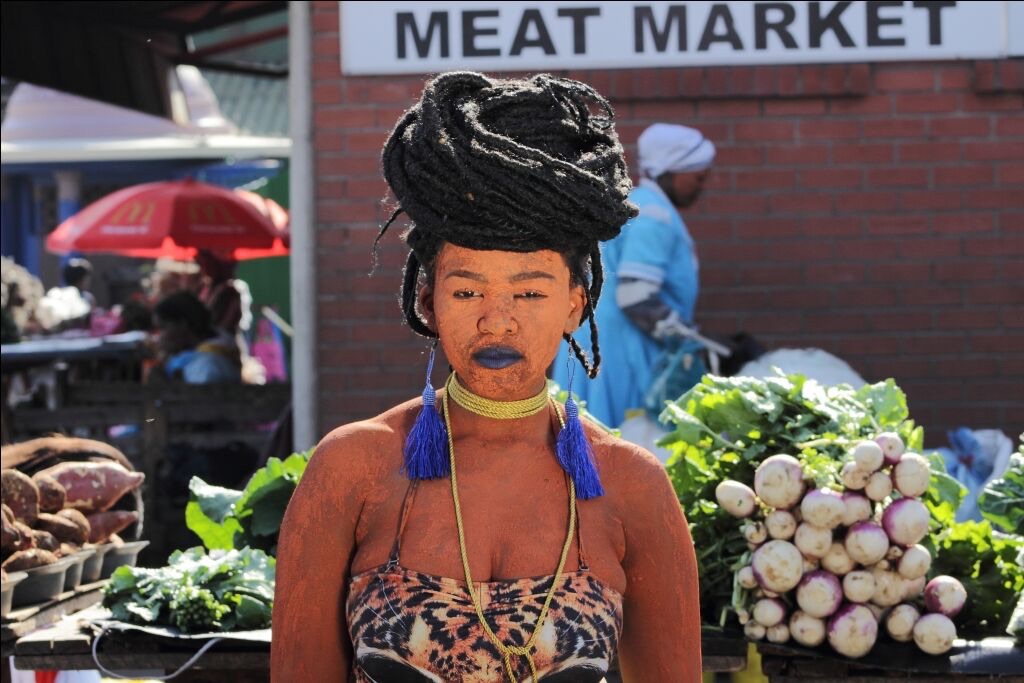
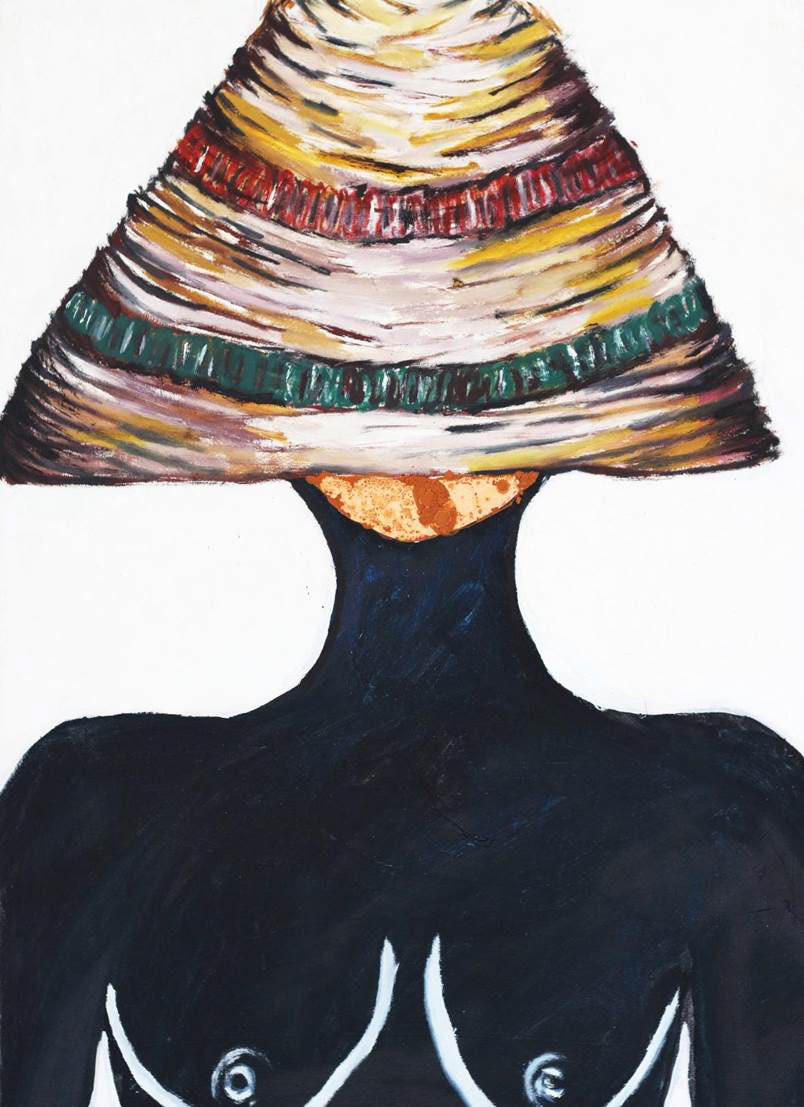
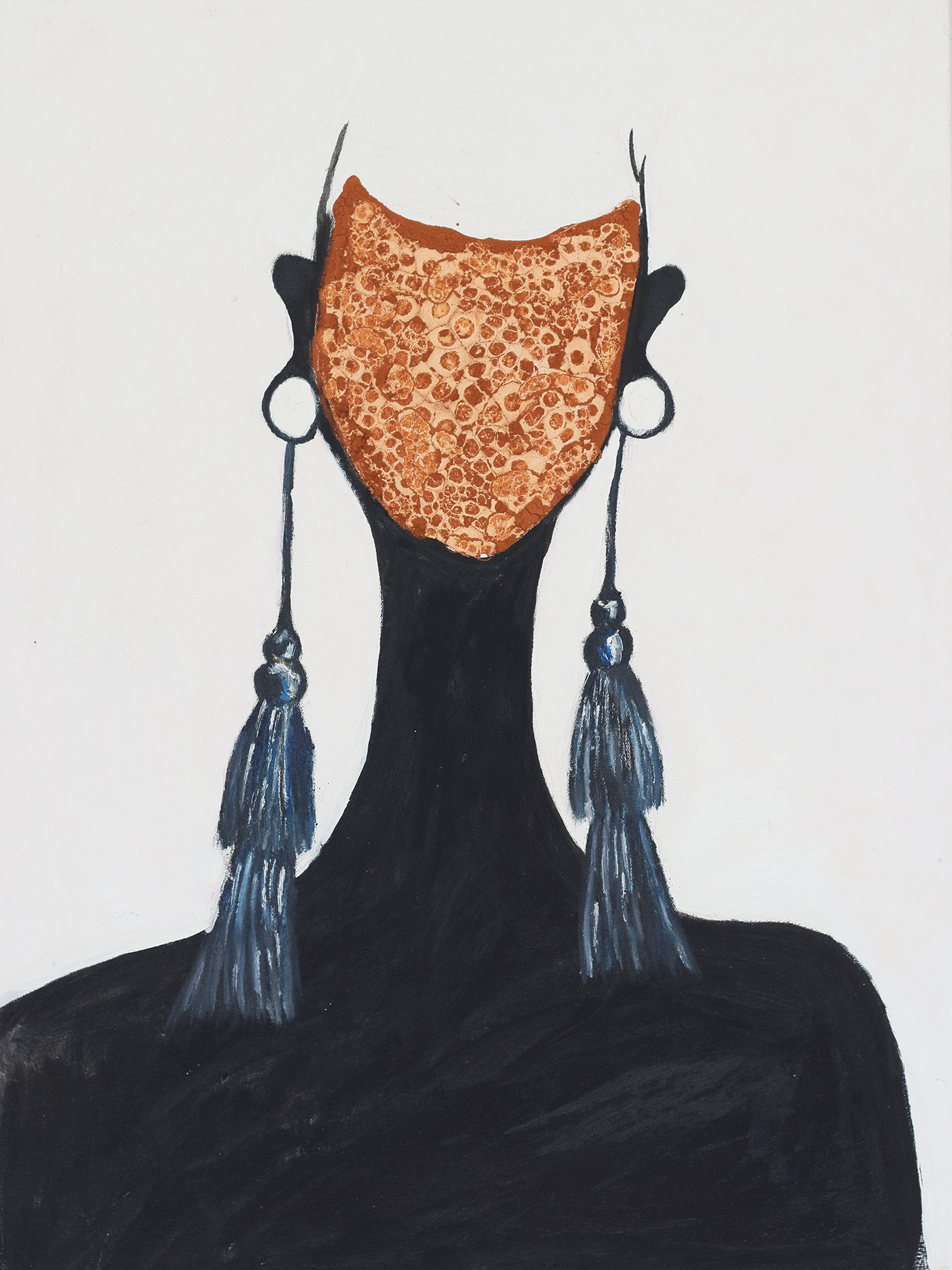
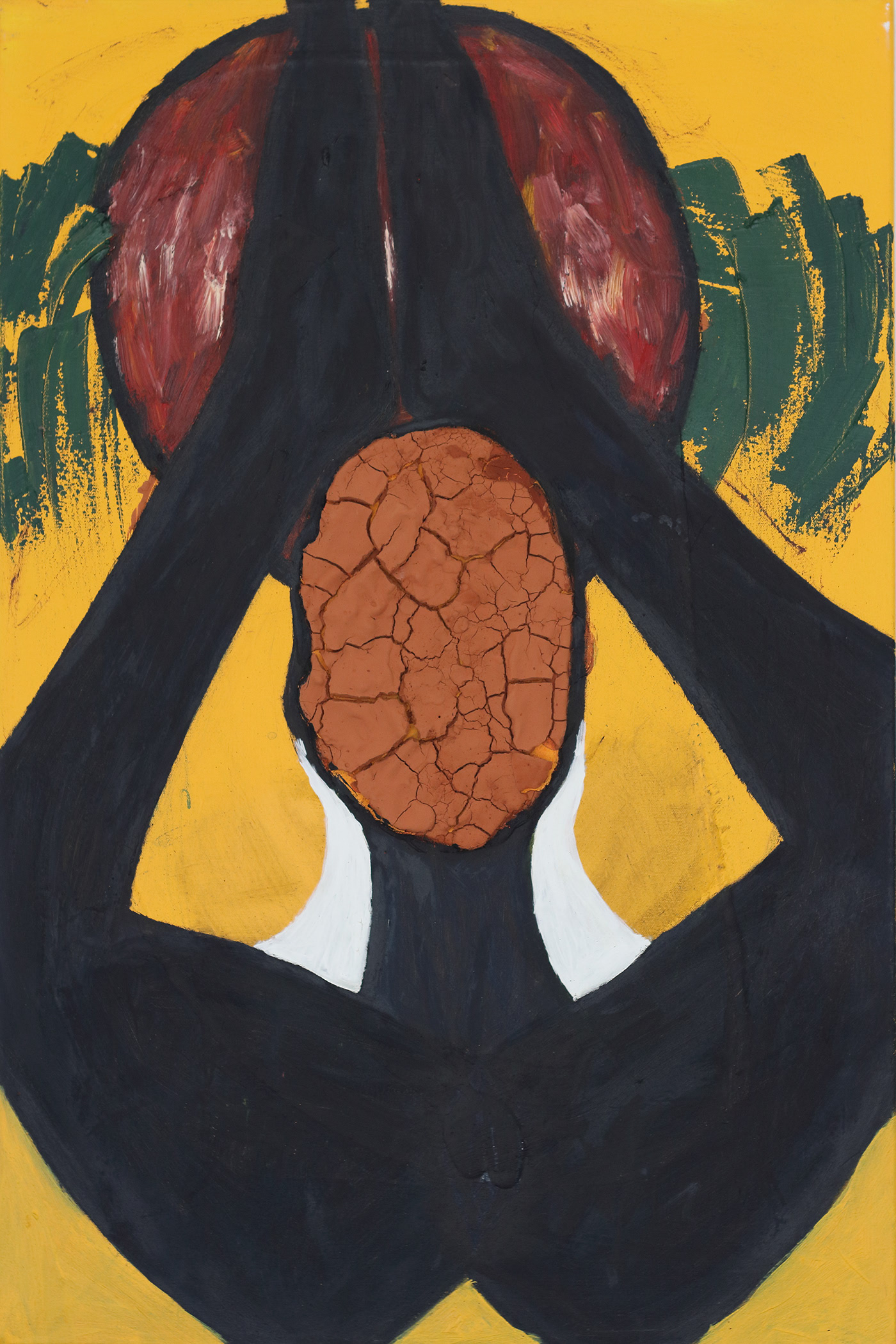
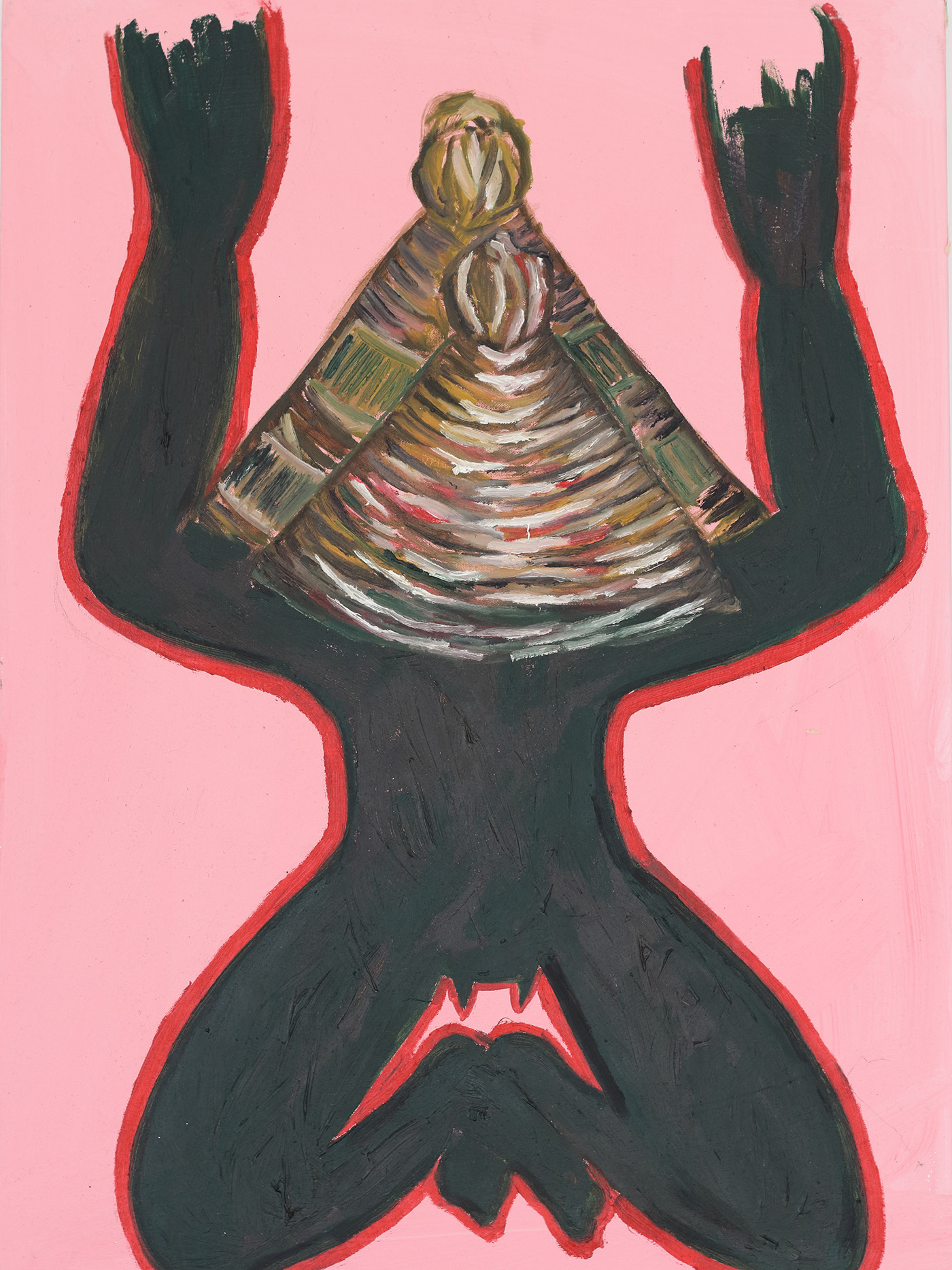
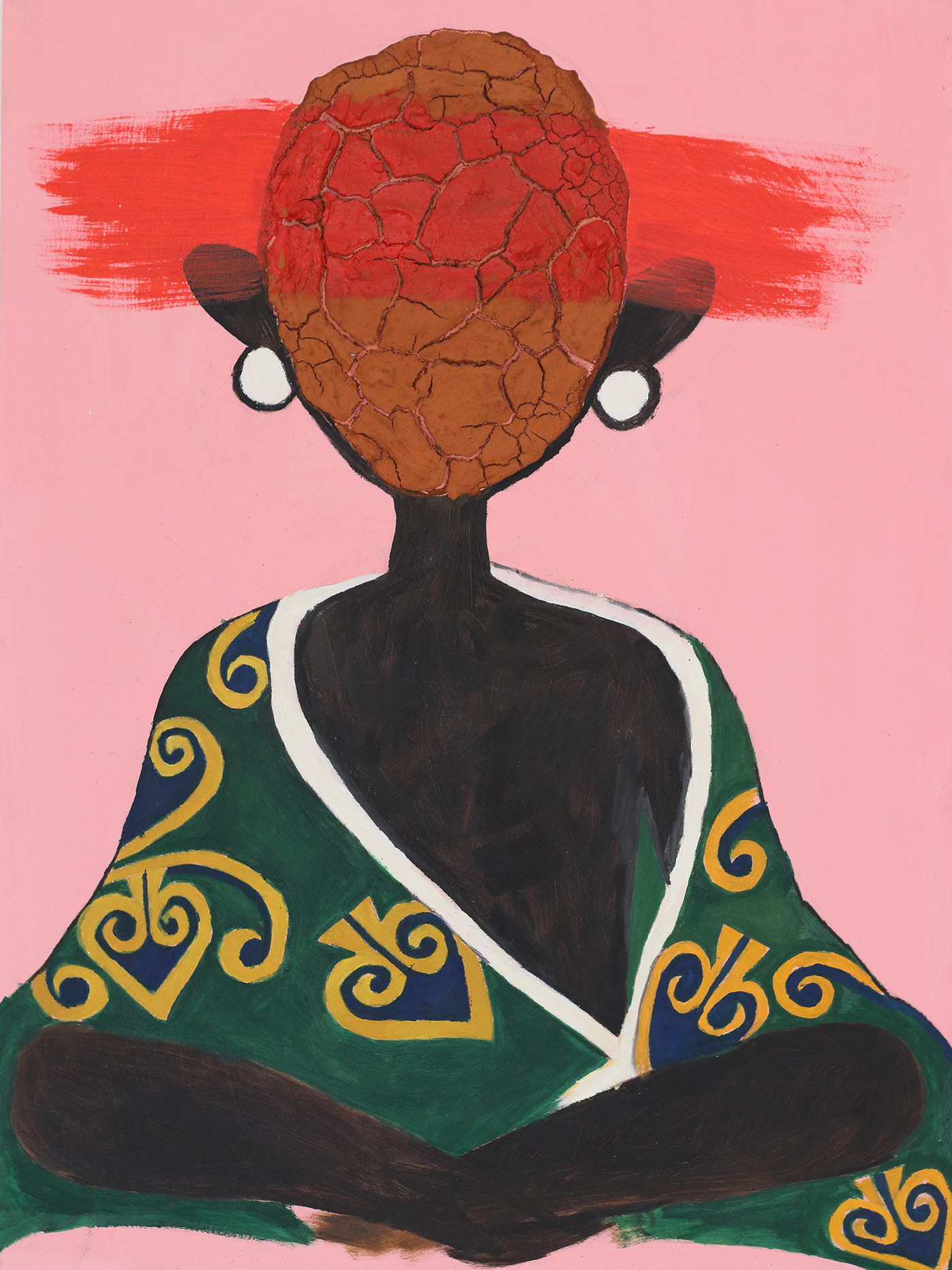
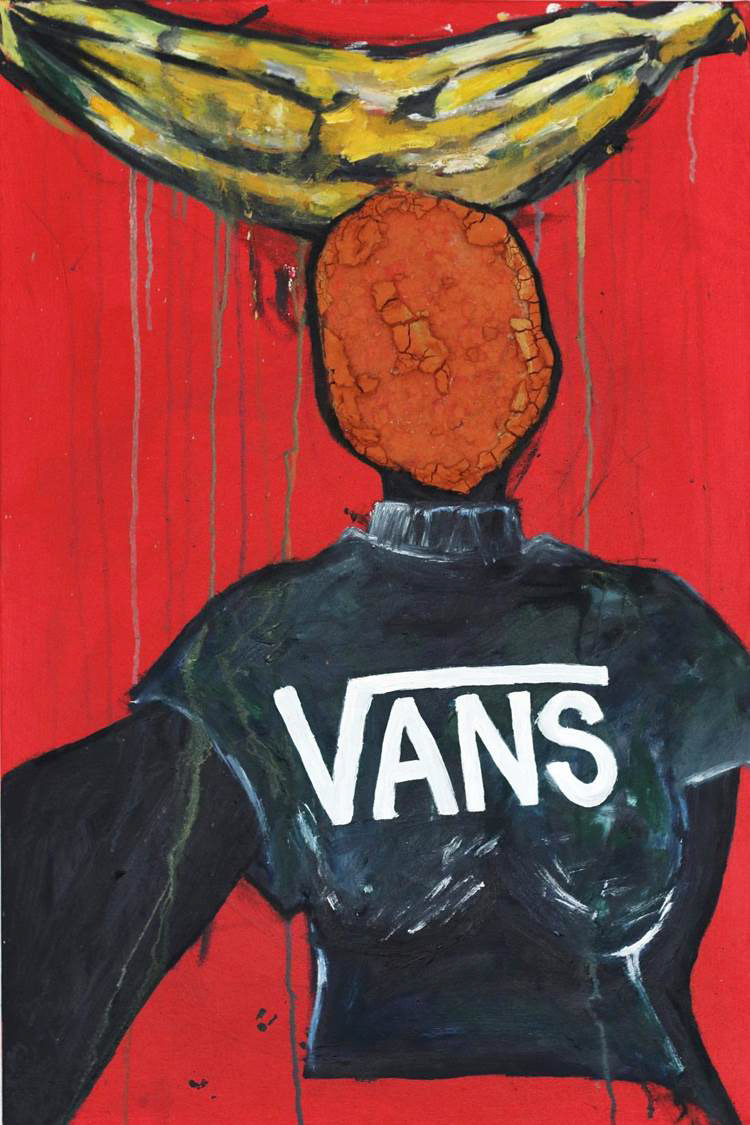
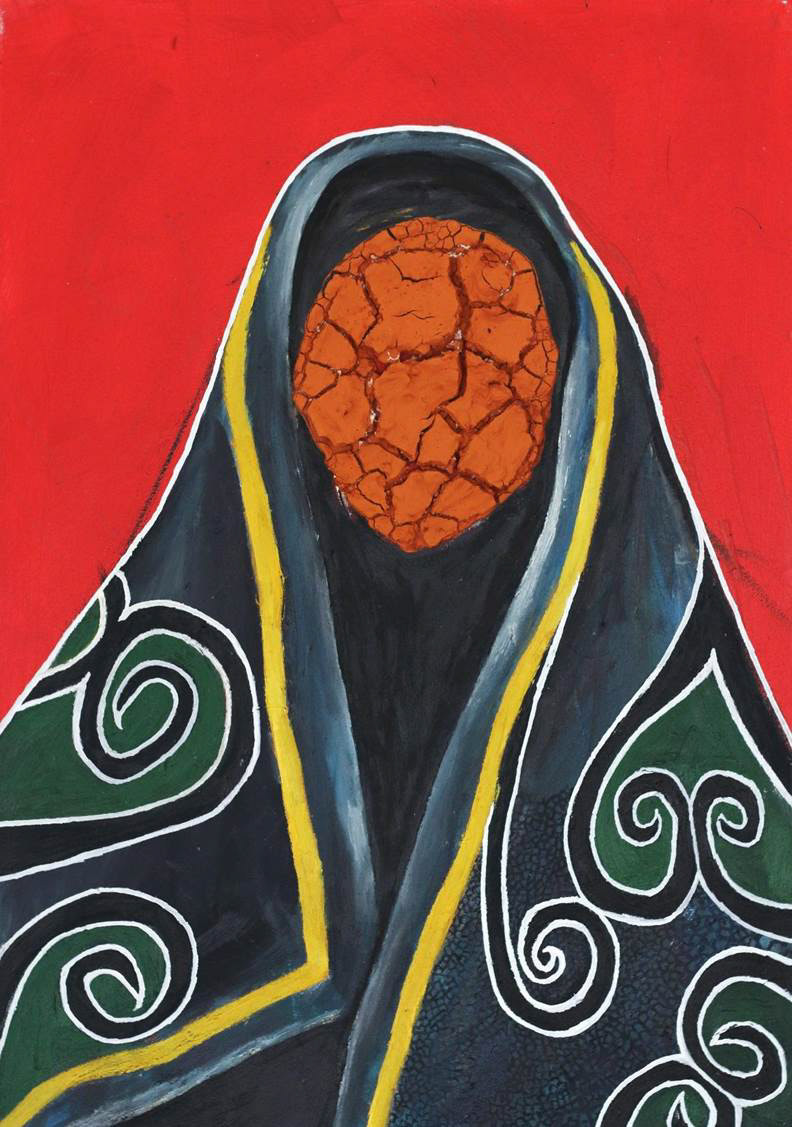
What is most striking, is her use of “imbola” (red clay) around naked women’s bodies or faces including her own. The use of red clay in Nguni cultures has spiritual and ritualistic implication. It is used by newly initiated sangomas, and in Xhosa and Sotho cultures it is used by young initiates returning home from circumcision school. It symbolizes rebirth and is also used as a fortification against exterior forces that may seek to harm the still fragile spirit or soul of the initiated/newly born. In this transformation one undergoes a rite of passage in which they shed old skin and unload old baggage in order to become anew.
I find Selloane’s work to be both a seduction and a vexation of the mind. It seduces your senses, allows you to speculate on its meaning, its intended message and then vexes your intellect, because just as you think you have it pinned down, such as the abyss it is, it gazes back. It is therefore always better to ask the artist herself.
What, if anything, informs your process if you have a process?
I start by a voice recording my concepts. Then conduct my research while I sketch, before transferring to the canvas or performance piece.
If I am right, what fueled the transition from your earlier traditional work towards the abstract use of imbola?
Earlier in my work I managed to get caught up within the politics of the industry, I was too young to know who/how/what. Then my paths lead me to fashion and styling space for a good 4 years. It was a deliberate move cause I felt my concept and work were bigger than me at the time and was not mature enough to articulate them as I can right now.
So when I returned to the Visual art industry I was less fearful of portraying the pain and spiritual conflict I was dealing with. I started to include my personal traumas of physical, psychologically and spiritually displacement as a Basotho woman. I am now acknowledging my purpose; I have started to question culture, family dynamics. I have made sure I am releasing and unlearning of the old, that is where the use of red clay came from. I am becoming.
Traditionally Imbola has very specific uses. What does it represent in your work?
My body of work speaks loudly about personal cleansing, dislocation and relocation while investigating the gender roles within the cultural boundaries of a Sotho woman born in KwaZulu-Natal. As you know in our culture ibomvu has been used as a representation of becoming used for spiritual and physical purification.
In the past 4 years I have also seen you begin to venture into performance, just as much as you paint. What inspired this shift?
I started painting to tell stories, whether the stories disturbs or comfort my audience that was not my concern. I started performing in 2017 by invading public spaces, so the shift was inevitable. I feel before my paintings start relating socially or politically they start with me, my experience, my subconscious mind, and my spiritual connection with my ancestors. I paint from pain which it’s something I’ve been avoiding to admit. It became a natural move for me to start performing, my heart became so heavy and I wanted to heal, I didn’t feel I was doing justice to myself by only portraying painful experiences. I wanted purge and I did that through performance. Performance for me it’s where I allow the public to engage, I become vulnerable in my healing, I allow them to go on a journey with me.
The performances I have seen carry very ritualistic injections, do you not fear to delve into the spiritual realm. As you know, if you gaze at the abyss for too long it gazes back…
Whether it’s a painting, installation or performance I rely a lot of on shifting energies. So yes, I am aware my work carries imoya. My late grandmother was Umthandazi (spiritual healer) when she was younger and my mother is blessed with a gift of premonitions through dreams and heals through prayer. Through years of creating I’ve realized I’ve used myself as a subject and a conduit or vessel between the two worlds. I’m very much aware I am spiritually sensitive being. Currently it’s something I struggle with understanding fully, but it’s an energy filled journey I’m not really sure where it’s taking me.






















 Aweh Online