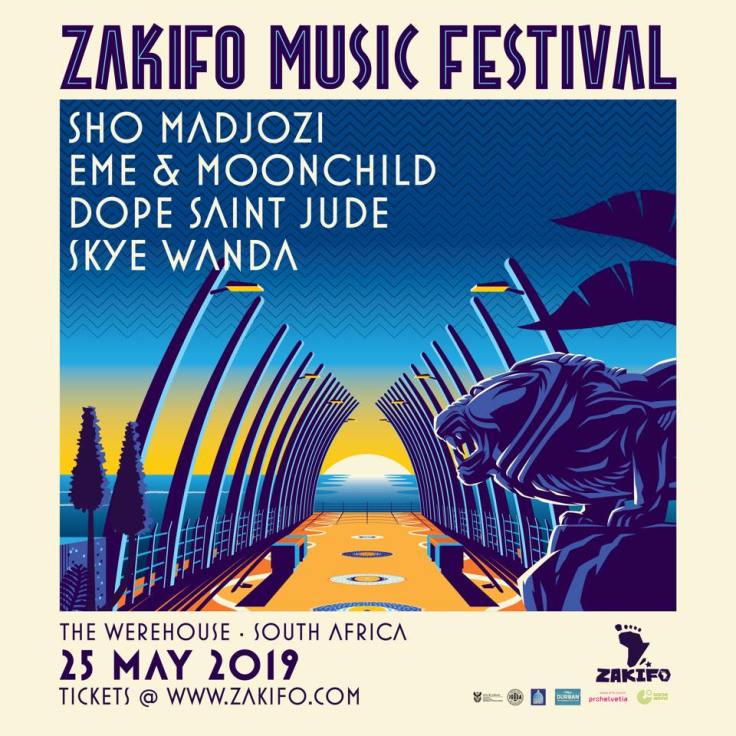
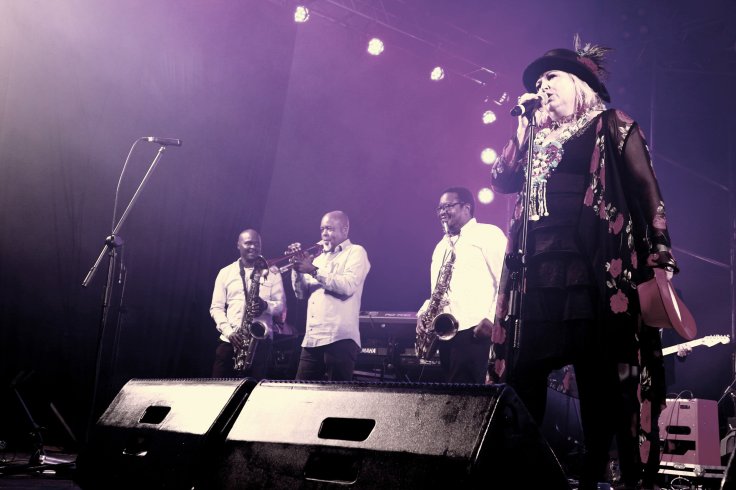
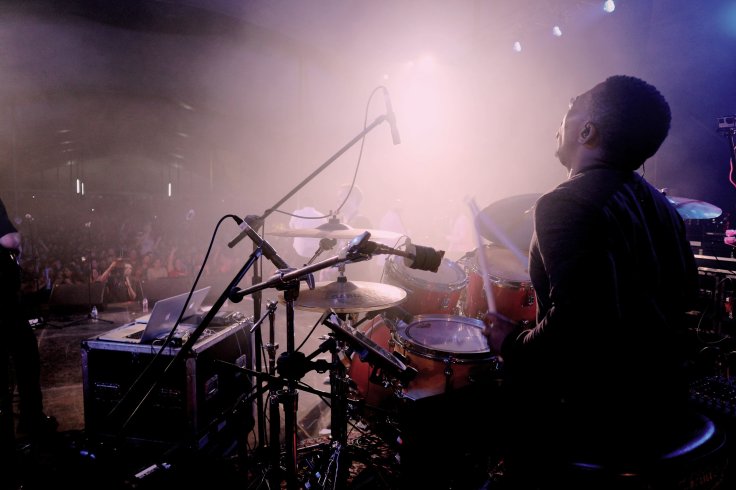
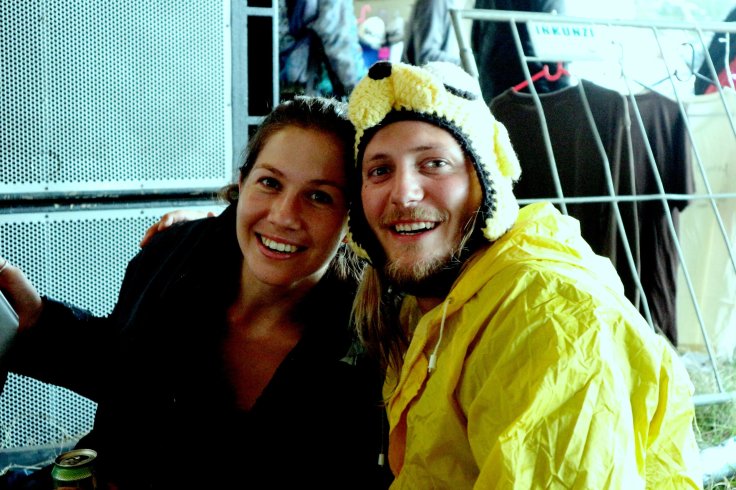
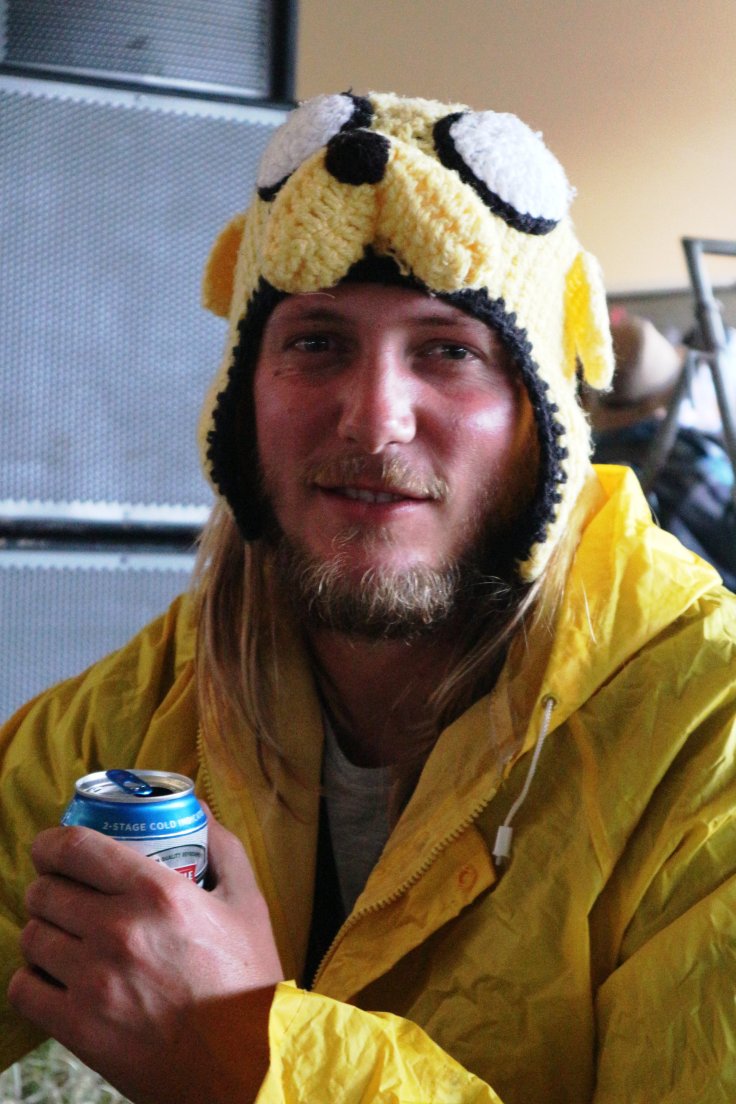
For 5 consecutive years, Zakifo Musical Festival has put Durban on the map in terms of being a city that caters for a discerning musical palate. The festival which prides itself in quality over quantity has gone for a more boutique approach to the curation of the concept. Which has an air of nomadic sensibility as it utilizes numerous venues and spaces around the city in their eclectic series of “bespoke” concerts which make up the unique Zakifo experience.
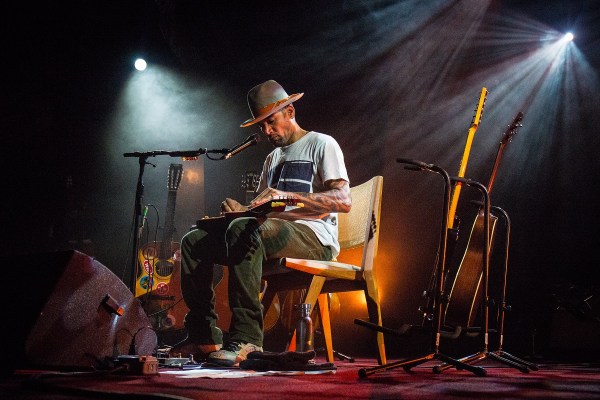
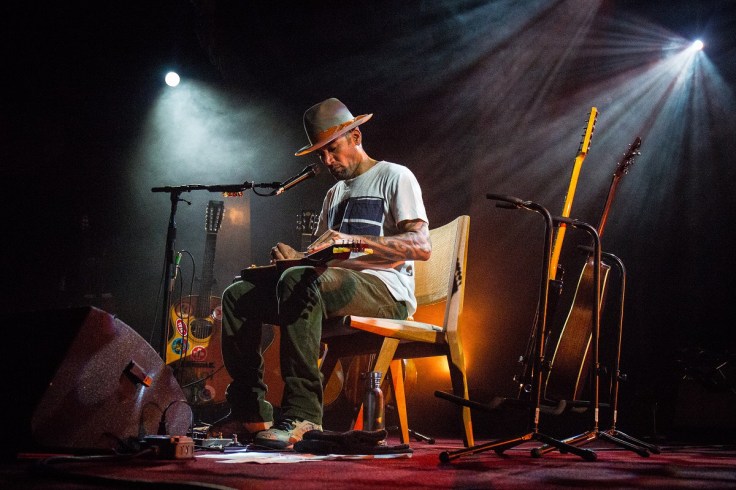
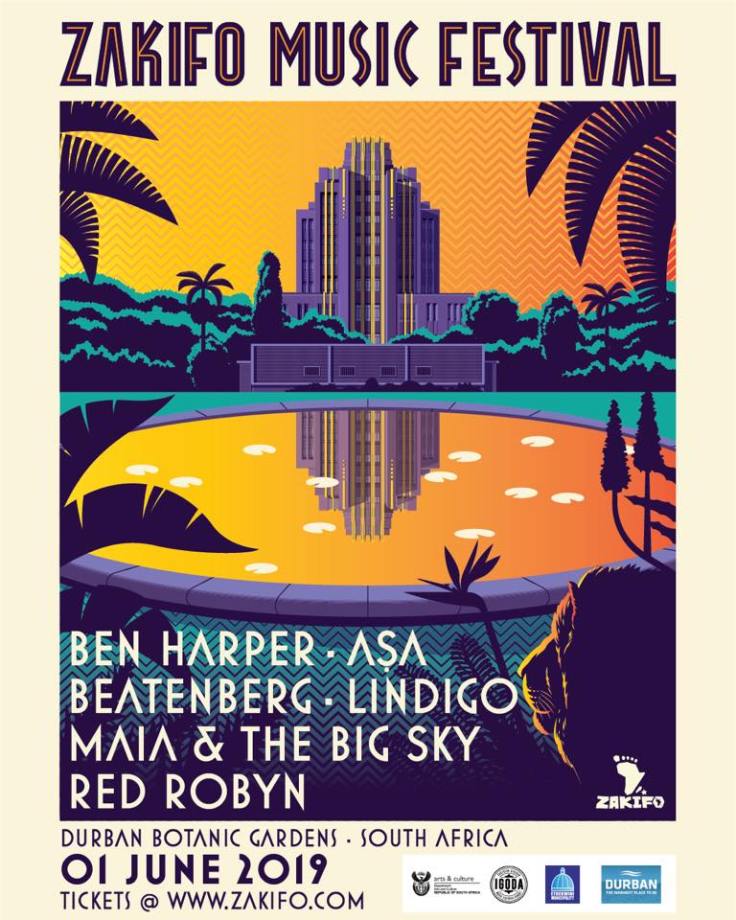
Ben Harper to perform at Botanical Gardens – Sunday June 1st
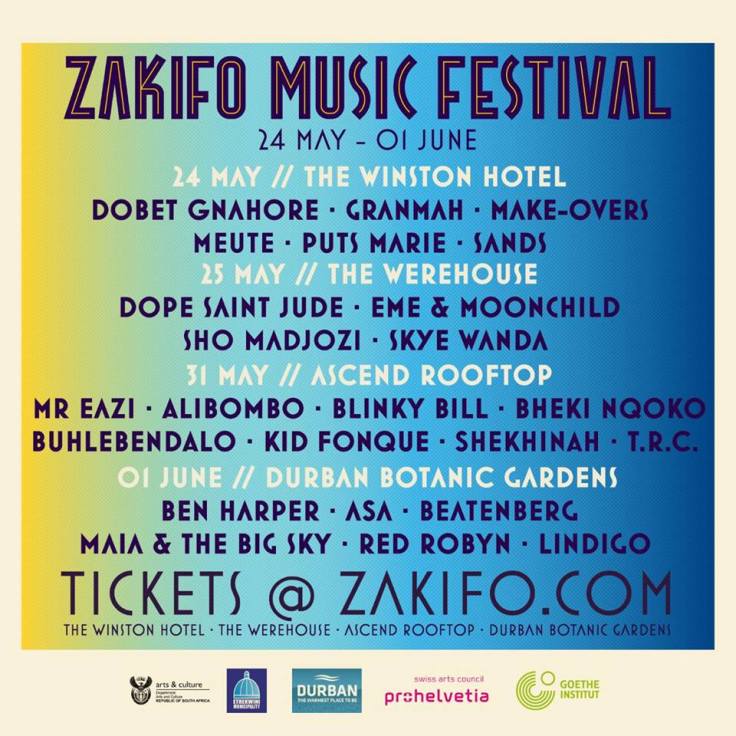
The event is a part of the Igoda Music Festival circuit which partners with other festivals in the region including Azgo Festival in Mozambique, Bassline Africa Day concert in Johannesburg, South Africa and Bushfire Festival in Swaziland. As well as being the sister event to the highly sought-after Sakifo Festival in Reunion Island. This year they are occupying some of Durban’s stalwart underground spaces as well as they city’s most obvious outdoor concert venues in an event which is sure to capture the hearts and minds of both the underground “scene kid” as well as the more mainstream music listeners. All due to a line up with both nuanced integrity and mass market appeal. Below is everything you need to know about the events and venues, which kick off this Friday at the infamously beloved Winston Pub.
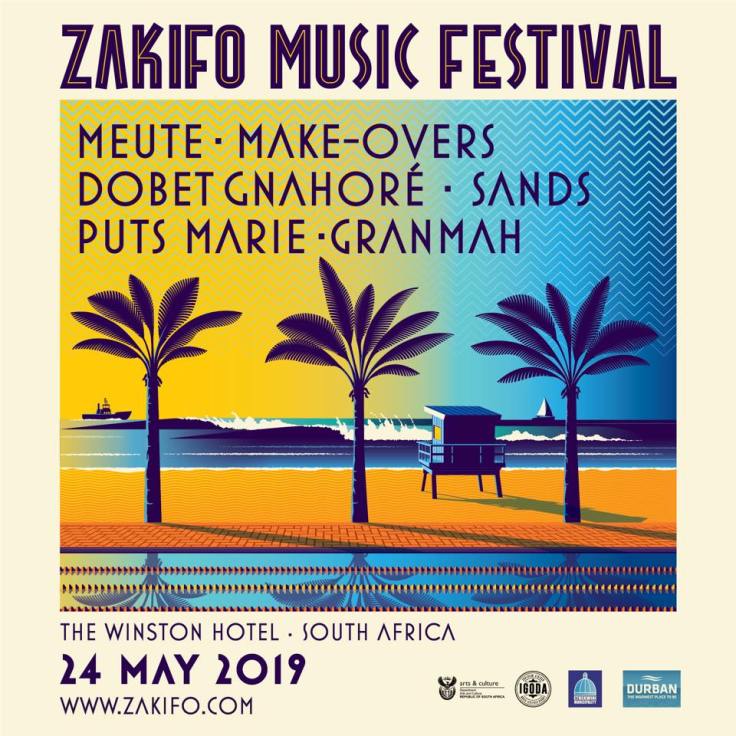
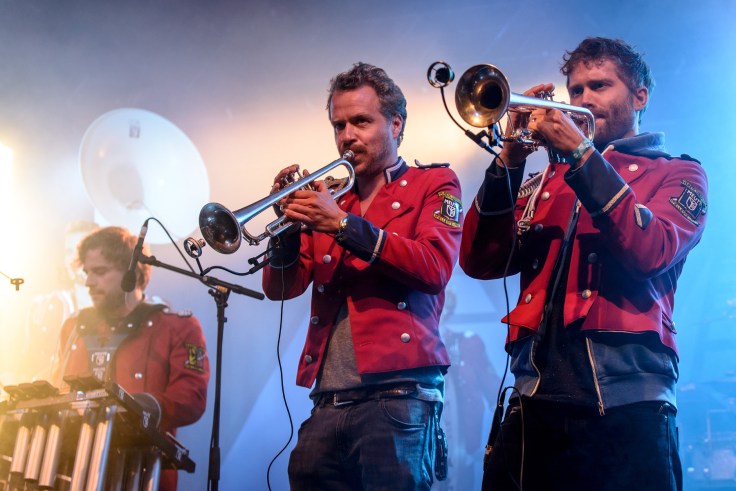
The Winston Pub (parking lot stage) and Origin’s Engine Room team up for a night of fantastic live and electronic music. With fabulous brass techno marching band, Meute (Germany); alternative Indie Puts Marie (Switzerland); Dobet Gnahoré (Côte d’Ivoire / France) and her urban / alternative French / Tunisian band; psychedelic garage rock band – Make-Overs (SA) ; guitarist, songwriter, performing artist and singer, Sands Eswatini, (Swaziland); and six-piece Dub Reggae fusion band Granmah (Mozambique).
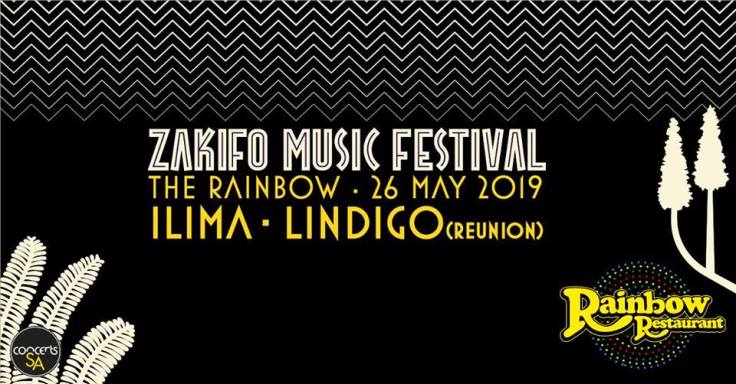
The Rainbow Restaurant: Zakifo Music Festival, in conjunction with Concerts SA, brings the island sounds in a small intimate performance by Lindigo (Reunion) a band committed to champion Reunion Island’s vibrant musical symbol of Creole culture – Maloya; and South Africa’s Ilima band (presented by Concerts SA) together for your listening pleasure.
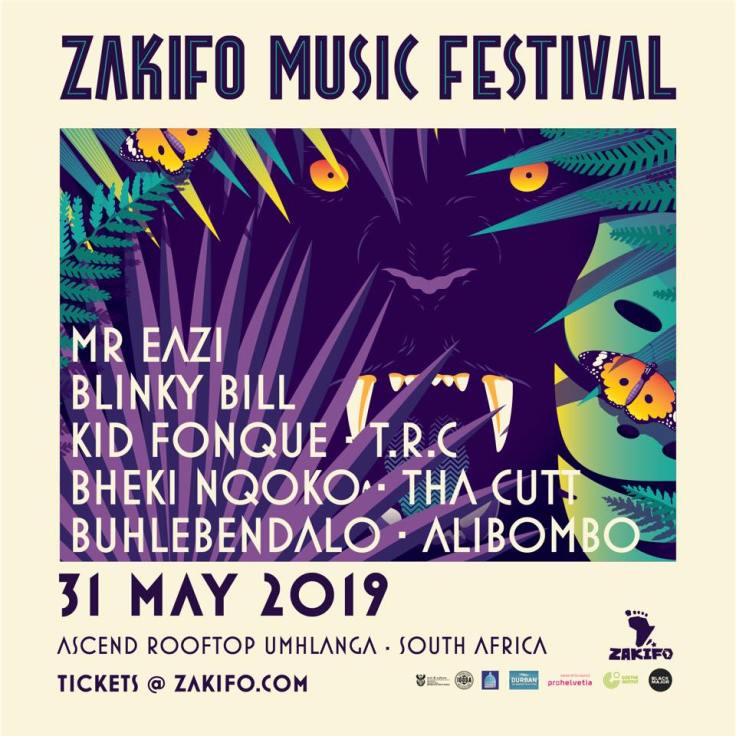
Friday 31 May
Ascend Rooftop uMhlangain the company ofMr Eazi (Nigeria) pioneer of Banku music which fuses Ghanaian nightlife with Nigerian chords and Afrobeat; Blinky Bill (Kenya) hip-hop / rap artist and DJ; Kid Fonque – SA electronic music and club culture taste-maker; Bheki Nqoko – singer, songwriter, arranger and producer; Tune Recreation Committee – SAMA Nominated contemporary jazz quintet; Buhlebendalo – accapella group, the Soil’s, lead vocalist doing a solo set.; Alibombo Percussion (Colombia) who perform experimental percussion on home-made, recycled instruments and commute to hometown gigs in a three-wheel auto rickshaw.
Saturday 01 June:
Durban Botanic Gardens in a concert named: What you Need, a variation of “Sakifo which means ‘what is needed’ in Creole” with international artists Grammy-Award winning, multi-platinum-selling artist Ben Harper (USA); iconic Nigerian singer/songwriter Aṣa who will stop by Zakifo Festival on her Southern African tour, Aṣa rose to prominence with the release of her hit song ‘Jailer’ in 2007; Lindigo (Reunion); Maia & The Big Sky (Kenya) who blend soulful funk influences with Kenyan rhythms along with the sensational Durban talent of Red Robyn (ZA).
Kurt Peinke is one of Durban’s most iconic and prolific musicians and producers. Since he was very much a part of Marques Mkhize’s growth as an artist (click here for the full story), we decided to ask him a few questions to bulk up the Marques Mkhize article. Kurt’s interview came out so well, we decided to make it a stand-alone Q & A.
Kurt is a person who has achieved a fair amount of success with his pop/rock/rockabilly outfit, City Bowl Mizers. After their breakup a few years ago, Kurt has been living in both Cape Town and Mexico City respectfully and has written and fronted for bands such as Young Hands (Cape Town), Enter The Mirror (Mexico City) and Dead Lizards (Mexico City).
A teacher by trade, he has decided to carry on pursuing music for the passion. However, this hasn’t stopped the man from rubbing shoulders with some of the biggest names in central American music, as well as opening for bands such as Clap Your Hands and Say Yeah.
We caught up with Kurt over email, and asked him questions that sent him down memory lane. Giving Aweh.Online readers a clear path to his introduction into the pop/hip hop/rock ‘n roll music scenes of both Durban and Mexico City.
1. Firstly can you give me your name, age and what you do for a living?
Kurt, 34 years. I am a geography teacher.
2. So you played in City Bowl Mizers and a couple of other successful bands how did you get into music?
On tour with City Bowl Mizers – photo by Kevin Goss-Ross
I’ve always been listening to music since I can remember. My dad was in some pretty cool bands before I was born and we had it everywhere! The house, the car and the garage where he worked on his motorcycles. I got into playing music after seeing my close friends ripping it up in a clubs and societies meeting, it was called the “pit club”. I lost my shit and knew that I wanted to be in a band right there and then.
3. How did you get into hip hop music?
Man, I can remember it clearly, I was 14 and knew the run of the mill; 2Pac, Biggy and Snoop, still love all that but it was when I heard Wu-Tang Clan during a show and tell in English class. This dude played the song “Tearz” and I was so into the sample of Wendy Rene’s “After laughter (comes tears)”. It was discovering old and new music at the same time. I later learned that RZA used all sorts of samples, even one where he took a bite of an old Peter Pan record.
4. How did you first meet Marques?
Marques was hanging out at a studio/ rap boutique called “Gangster Culture” up the road from my parent’s house. I was walking past to get a loose (South African slang for a single cigarette) from the Engen garage and he was standing in the driveway of the place with his crew. I was a little intimidated by their presence, guys with chains, tattoos and gold in the teeth. They were really nice and so was Marcus! They invited me inside to check the place out and Marcus was kind of like their ambassador showing me the music they were making there. The music was sick! Tough beats and chorus’s which was Marques’s specialty. He could rap and sing which was impressive. They were still putting his voice on auto-tune though which was the sound back then, and still is I guess.
5. How did D’urban Knights and the K-Bomb form?
The orginal D’urban Knights line up – photo by Grant Paine.
Marques and I hung out more frequently and between University and gigging with the Mizers he would come over to my bedroom studio which was pretty basic at the time. The first song we recorded was Banana Clip, He started with the lines “What you know about rap? my Rhymes are laced with crack, so strong you get a fucking heart attack!” He wanted two other guys on the song, Viv AKA Breezy V and Genie, they were all killing it. The K- Bomb was something that transpired from D’urban Knights down the line.
6. Tell us a little bit about Marques his character and what was it like working with him?
Marques was hungry, he had the attitude and anyone he could call out as being fake or arrogant he would fucking cut them down to size real fast. There was this other rapper on the scene getting a lot of attention his name was Princeton and Marques asked him if he was named after the cigarette, getting clever with the owe. He could also take it though, some kid he was burning turned around and tuned him “Oh ja! Where’s your tooth bra?” We knew what he was up to. On the microphone he was like a dog barking at the gate, it would be soaked in spit and bad breath, but the takes were great and had power.
7. What is the difference between being in a band like the K-Bomb or D’urban Knights compared to being in a band like City Bowl Mizers?
They were completely different, I was experiencing a lot of success with the Mizers and we were playing some big gigs. D’urban Knights and the K- Bomb were much smaller outfits and the shows were happening in the cracks of the scene. It was much easier to hold a band together like the Mizers, we were family and close. But with D’K shit was always spiraling out of control. Marques was excessive with the jol, showed up to gigs fucked and sometimes didn’t show up at all, the guys were mega pissed about that. Genie left and found God after being arrested and I never heard a word from the guy again, not a word. Viv liked the jol but he was also focused in a LL Cool J kind of way, we both had the same drive and wanted to be a little more serious so that’s how the K-Bomb happened. We were all still tight but that just all fizzled out, unfortunately.
8. How is Mexico City treating you? What projects are you involved in there?
Enter The Mirror live in Mexico City – photo by Raúl Campos.
Mexico City is big, and like LA there’s something for everyone. It’s heavily populated and so is the music scene. Nonetheless well established, Mexico City gets all the bands that tour the States and most the bands here are heavily influenced by music from England. There is a crazy Elvis like obsession with Morrisey; people cry, people faint and he acts like a dick. He recorded at a studio where a good friend of mine worked at and he didn’t want to see any of the staff, a last minute request. They all had to cram in the basement while he went upstairs to lay down some vocals. Apparently, his manager yelled at everybody. Told the producer and the engineer to take off their leather gear and shit. Crazy! Anyway, I’ve had the pleasure of recording at that very same studio with my band ‘Dead Lizards”. it was fucking expensive and it’s going to take a long time to release everything but I also have another three-piece band called Enter the Mirror which has taken a more affordable route in home recordings etc. I’ve been teaching at an international school here to stay financially sound so that I can enjoy my music. Music hasn’t paid in a while but I do it for fun you know. The fun runs out when you make your passion your primary focus in life and your financial dips make you hate what you love.
Kurt recording with Dead Lizards at Panoram Studios – Mexico City.
9. Tell us a bit about Durban, the scene there, the negatives and positives and general vibe of the city?
Durban is fucking sick, it’s a paradise and the variety of cultures make it one of a kind. The only problem it’s an old age home and a gym at the same time. The live gig scene has been put on its knees over and over by the cops or conservative property owners who want no part of it. But we will always have The Winston! Long live that place and the friends that have kept it going through the ups and downs.
The K-Bomb live at The Willowvale Hotel.
10. What attracted you to someone like Marques in the first place?
He was really funny and was great at impersonating people, he could give Trevor Noah a run for his money!
11. Any interesting stories about the Durban hip hop/punk/rock scene?
Yeah, for a while the hip hop scene and the punk scene worked well together, everybody liked to get pissed and have a good time.
There was this one time where we did a show with D’K at an Irish pub called The Jackie Horner and mid-gig, a gnarly fight breaks out! A friend of ours smashes a beer draught in this dudes face and that was that. Our first or second gig, great start.
It was really naturally integrated, supportive and complimentary at the same time. There were some pretty cool Dj’s like Bob Perfect, Fuego Heat, Ballie Mike, Rocco and the Nut-Scratchers to name a few. they all played really good music of all genres and people could be dancing to Carly Simon’s “You’re So Vain” and the next thing “Still Dre” is going down nicely with a cold black label!
12. Any interesting stories about Marques?
We all went to a festival called “Spogweni Fest”, with a fucked up name like that you would already know that it was a proper flop. Anyway, it was a gig in support of raising funds to help combat rhino poaching. Marques went up there and shouted out at the crowd “Fuck the Chinese for using rhino horn to make their dicks hard!” Right in front of families and kids. It was like a movie, absolute silence until someone shouted: “Yeah, Fuck that shit!” Then we went on to play a song called “We gonna fuck shit up”. You can imagine how the chorus went.
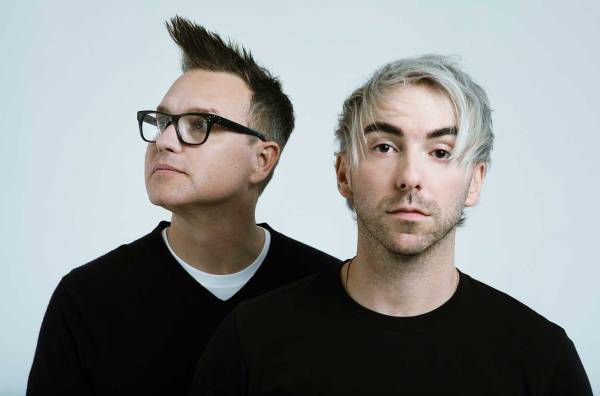
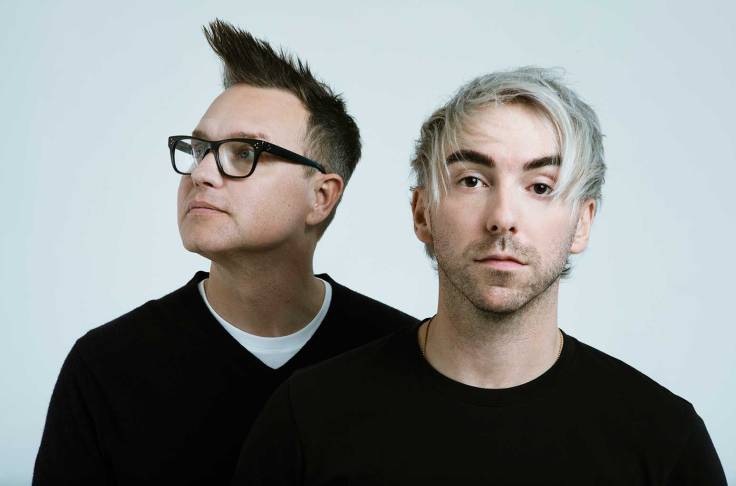
Pop/punk royalty Mark Hoppus (Blink-182) and Alex Gaskarth (All Time Low) have started a new band called Simple Creatures, this is their new video for the track Adrenaline.
“I don’t want to waste the precious moments I have, and I’ve felt that way since I was 17. I have to take risks because why else would you be alive? Put your pirate patch on and go on an adventure because you only have one life to live”.-Kathleen Hannah (Bikini Kill)
I’m still perplexed that with the rise of equality in numerous facets of society, I still live in a town with a fiercely male dominated underground music scene. There are exceptions to the rule, and it would seem that the hip hop and neo-soul music genres have embraced a more gender inclusive and diverse array of performers. Yet it’s sad to note that rock ‘n roll in my harbour hometown of Durban is still very much dominated by men. The salt air and suffocating humid weather keeps everyone subdued, hence people in Durban generally live in the past.
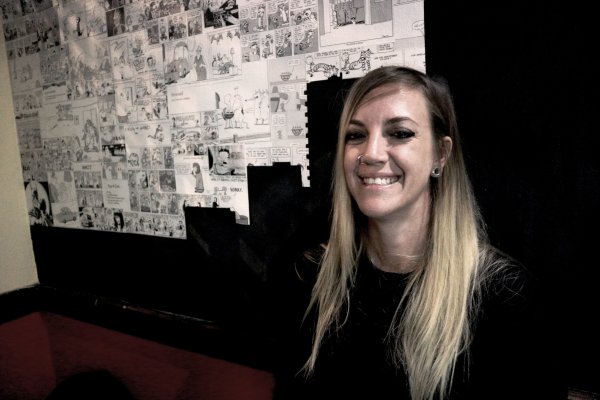
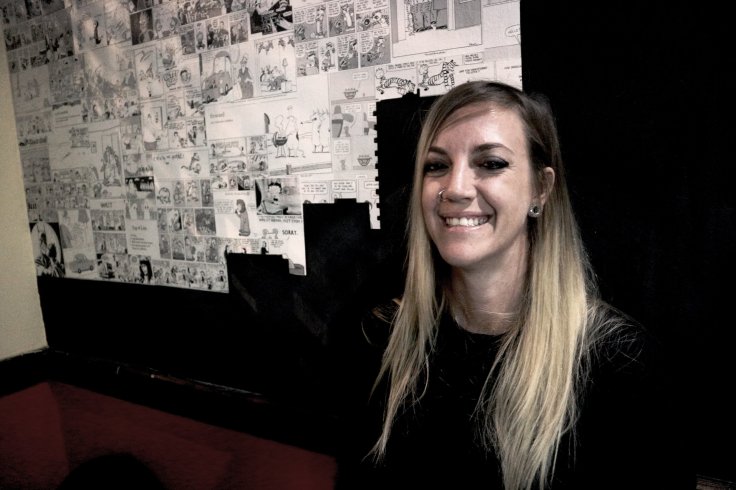
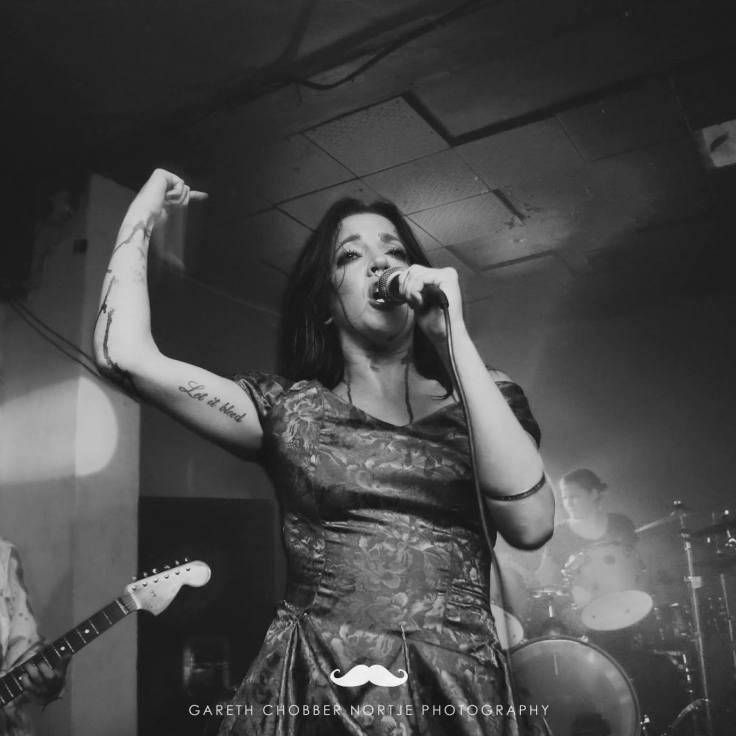
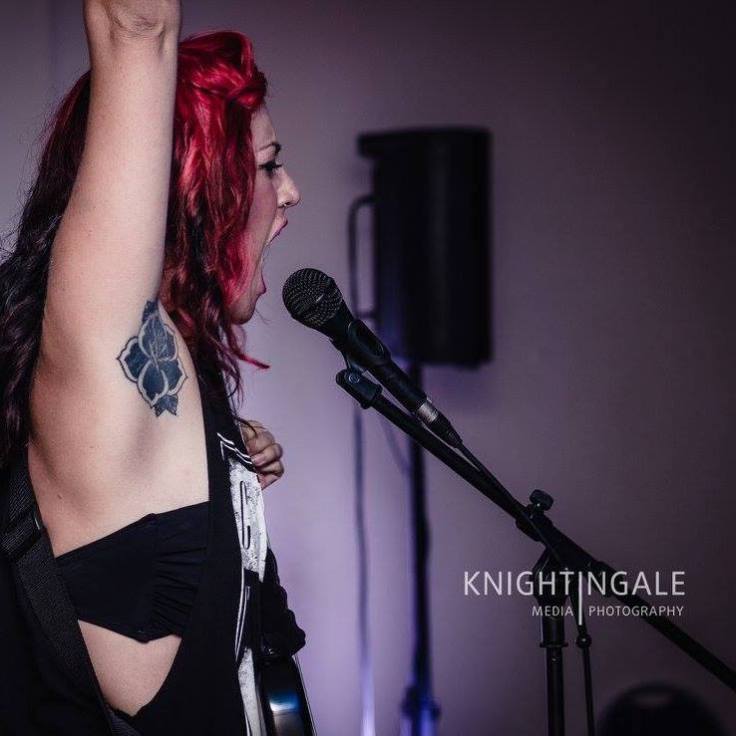
That’s why I feel individuals like Cara Munroe are important for the “scene” because people like Cara do what they do, purely because they love what they do and are dedicated to being up on stage, even if they have to fight for their place among a sea of sweaty men. I can’t really remember the first time I met this wonderfully bubbly and genuine human. It must have been many years ago now. However, I also remember from my initial interaction, that we became friends fairly quickly.
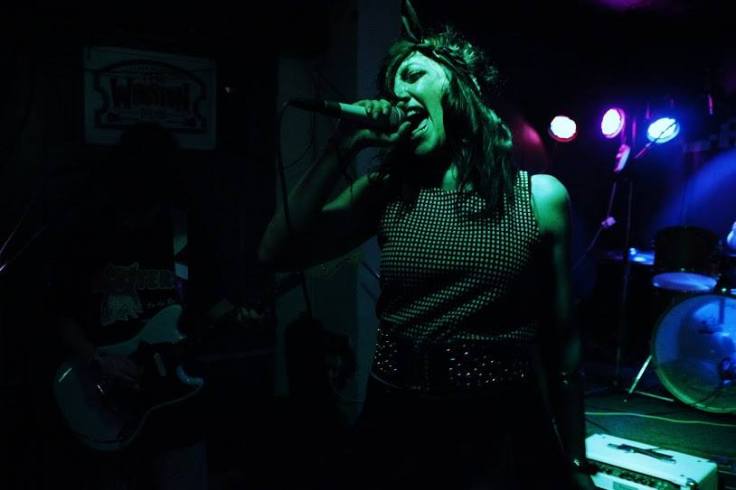
Watching her growth as a performer has been quite something, and the fact that she has a background in performance and drama, sees her bring a somewhat theatrical element to her live performance. Which is also an element that is missing in the current, Durban, punk/metal and hard-core wasteland.
It’s a random Monday night, winter is starting to rear its miserable head, and I’m not really feeling up for the interview. I’m run down and burnt out, however Cara lightens the mood and I instantly feel more comfortable in her presence. She orders a gin and tonic, I order a rooibos tea and lemon and the conversation starts to flow. Cara is keen to impart the story of how she got into music.
“I started by playing in a drum marching band when I was in grade 9, then I decided I wanted to play a full drum kit so I went for lessons at “Ronnie’s Allbang & Strumit” which is an awesome music shop in Johannesburg. Neil and Ronney, two Scotsman who run the shop were both a huge influence, in my life. I went to lessons there for a few years. After that I always wanted to be a drummer, and singing and screaming actually came much later. I started drumming in a boy band called Penny Lane, and then an all-girl band called Calamity Jane. I’d also write lyrics and sing occasionally, and then everyone in the band suggested I start singing. I started performing vocals on a few songs, yet I wasn’t that comfortable with it as yet, until I started studying music at AFDA which led me to sing in front of people for the first time – I still felt extremely shy. I read about Jim Morrison and The Doors and I adopted that style of turning your back to the audience, largely due to my lack of confidence” –recalls Cara.
Pietermaritzburg born Cara then decided to move back to KwaZulu-Natal. She relocated to Durban, where she formed a band. This time as one of the main singers, opting to play a ukulele instead of a drum kit. The band was called The Volsunga Saga and this is where she found her voice and confidence as a front person. The Volsunga Saga was short lived due to one of the members falling pregnant and another relocating overseas. This gave Cara an opportunity to get her first taste of what being a rock vocalist, was all about – when she was recruited to join the grunge act-Deadpandoll. Again this band didn’t last long due to various circumstantial occurrences out of her control. Yet Cara had now built up her chops as a vocalist, which enabled her to join Write Off, a hard-core/punk band which can be found performing at many of the alternative shows around the city. Cara laments about the struggle of being in a place with little to no support for alternative music, yet she still loves Durban for the fact that it’s a suitable destination in which to hone ones’ skills and craft.
“I love Durban because it’s a blank canvas and it’s been really good in building my confidence. I’m not nervous any more, I can get up there and belt it out. Playing here has been a great foundation, because it’s given me the space, it’s helped me to take those baby steps to getting on stage and now that I’m up there, it’s a lot easier to perform. It’s also shit because there is pretty much only one dedicated music venue for the genre of music we play – The Winston Pub. Its shit because there isn’t that much support for the type of music we play, there is only a certain amount of times that an audience can watch you play before they are over it. To play to the same crowd constantly and expect a different reaction each time is asking far too much from them. It’s also soul destroying for the performer, who gives it their all only to discover that people are either so drunk they don’t give a shit, or they are quite bored because they have seen the band before, and I can’t blame them actually. That’s why it’s really nice to tour, I’ve found we have had our best shows in Johannesburg and Pretoria and we are also performing soon with one of my favourite bands The Slashdogs” – states Cara excitedly.
The reality of being a creative in South Africa and especially Durban is the duality that artists have to adopt in order to make ends meet. During the day Cara is a drama teacher, and she talks of having to play certain roles to keep aspects of her life private.
“I’m quite reserved about the fact that I play in a punk band because people’s opinion on rock ‘n roll aren’t always positive, I think if my students see me, they might be quite frightened by what I look like or how I sing, they don’t really expect it, because they are two very separate things, some of my students have found what I do online and are quite shocked as they remark how “sweet I am” as opposed to the aggressive music I make, even though some of the kids have seen what I do from the internet, I try keep them as two different things, this does create a situation, where it feels as if I am living two lives, however people can be quite judgmental and apprehensive, so I have to take this into account largely for the sake of my teaching career” – states Cara.
Taking risks and feeling alive is very much a part of the ethos of the punk subculture. Yet Cara embodies the idea that everyone is on their own personal journey of self-discovery. Reckless exploration and abandonment can be coupled with a healthy dose of normality and routine. You can be a hardcore singer and a school teacher at the same time, and in 2019 it’s perfectly acceptable to explore the dichotomy of this strange paradigm called post-modernity. Even though society does pose its judgmental glare, people such as Cara are living proof that if our intention is to face every waking moment with bravery and honesty, we can be our own heroes in a world that teaches us to cower, instead of rise up and scream.
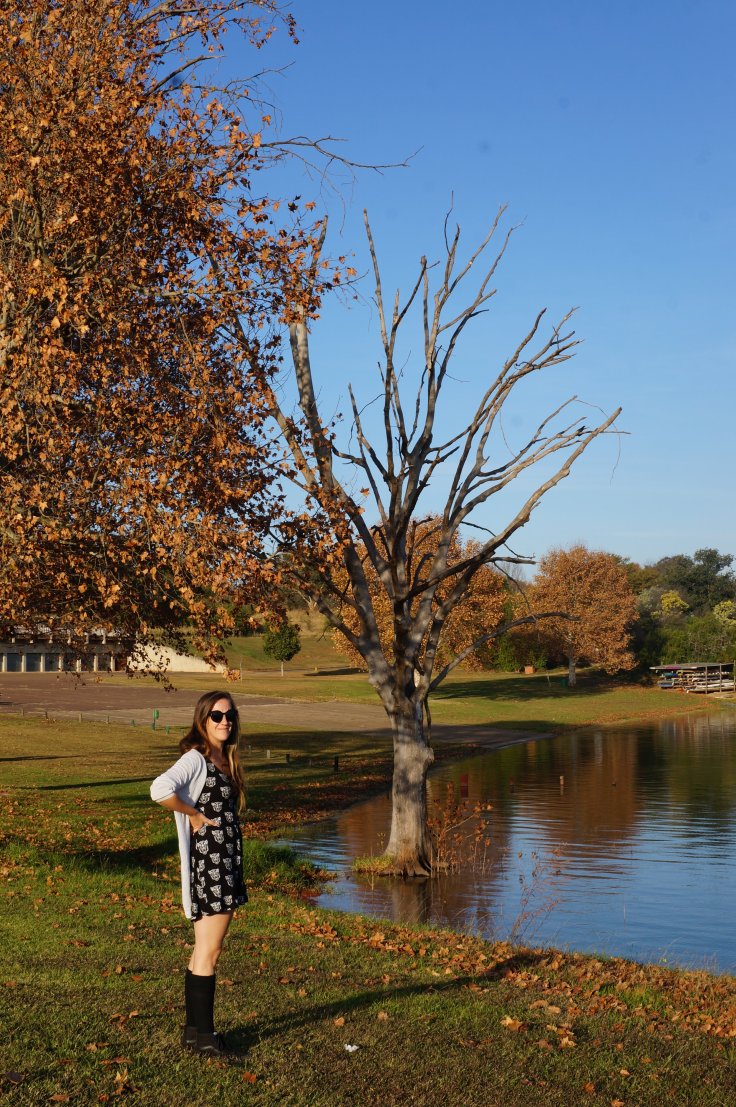
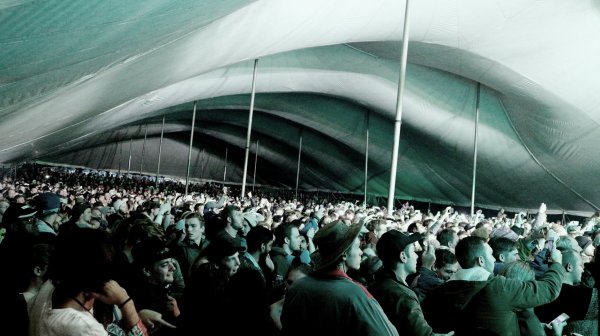
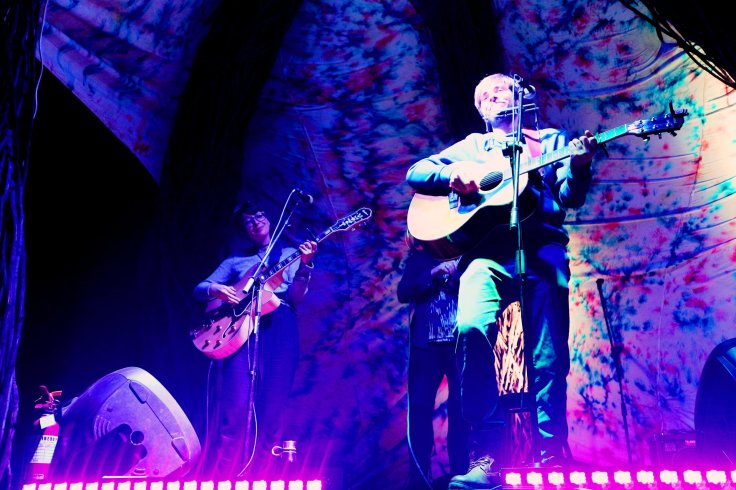
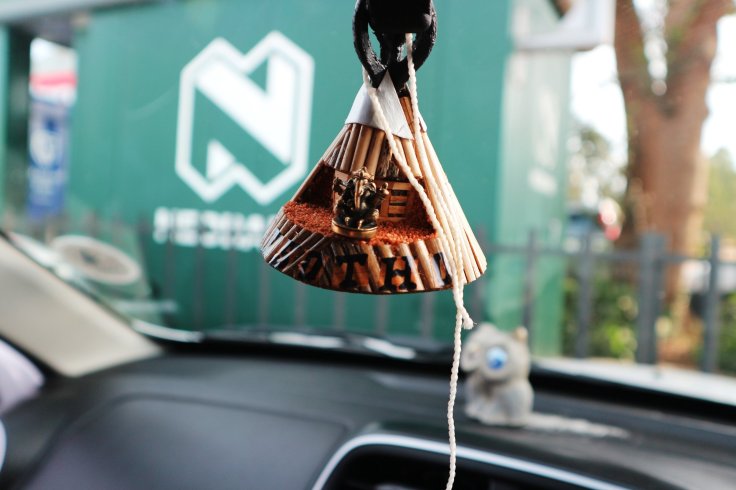
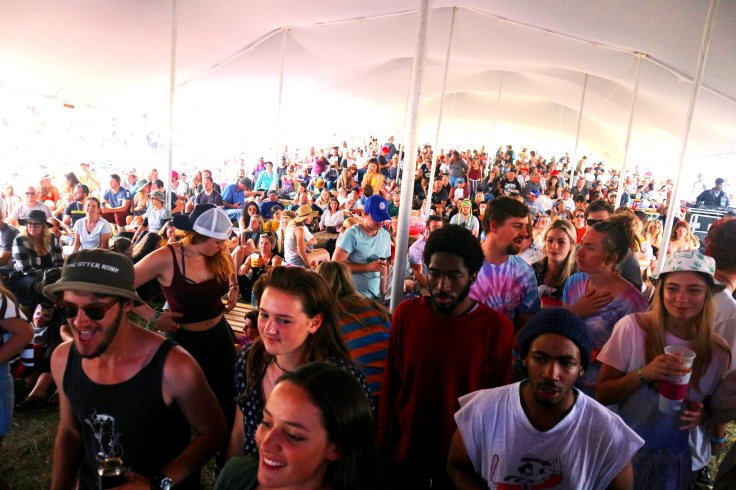
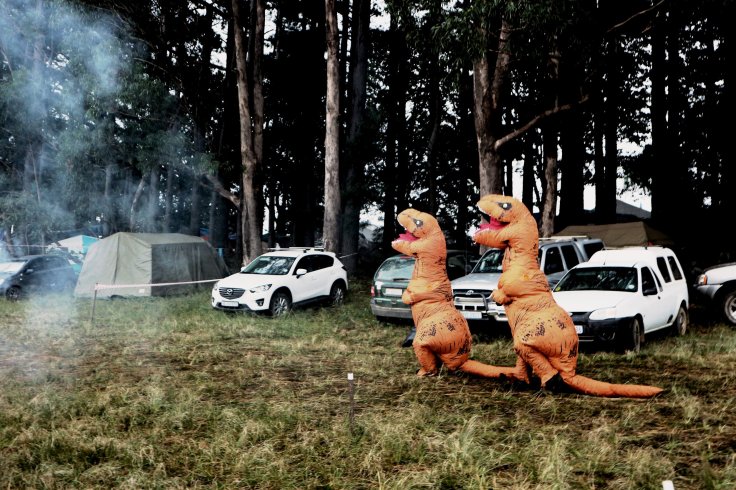
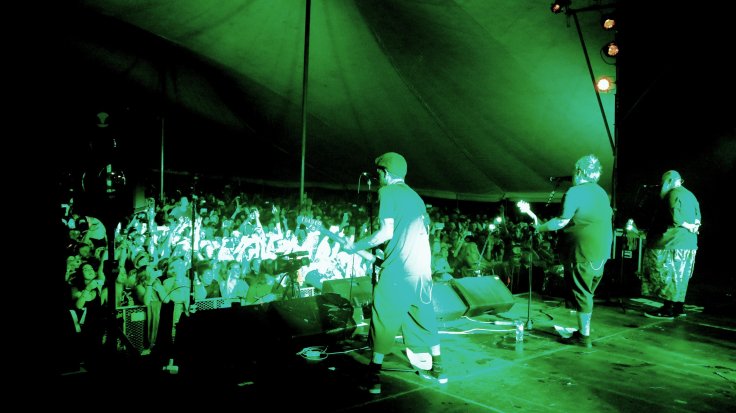
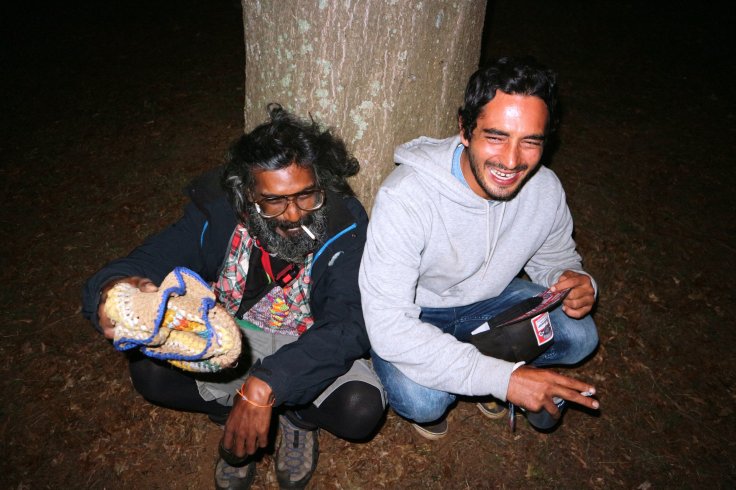
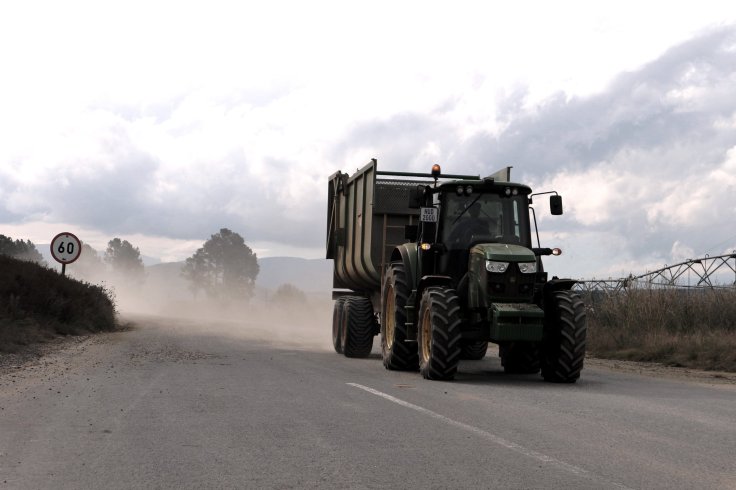
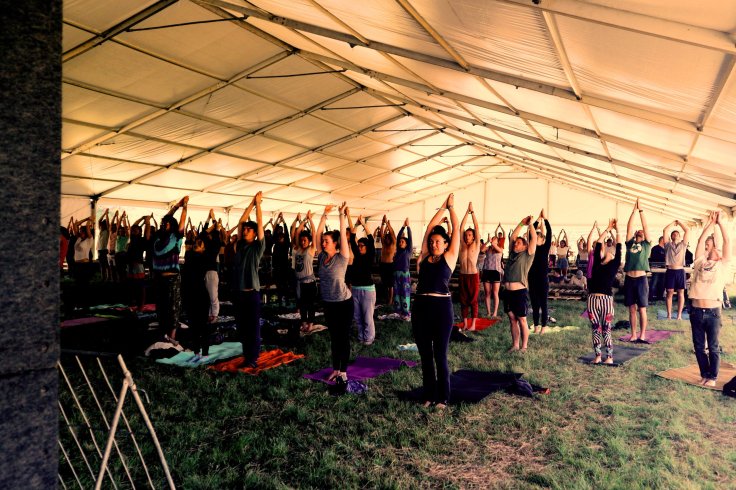
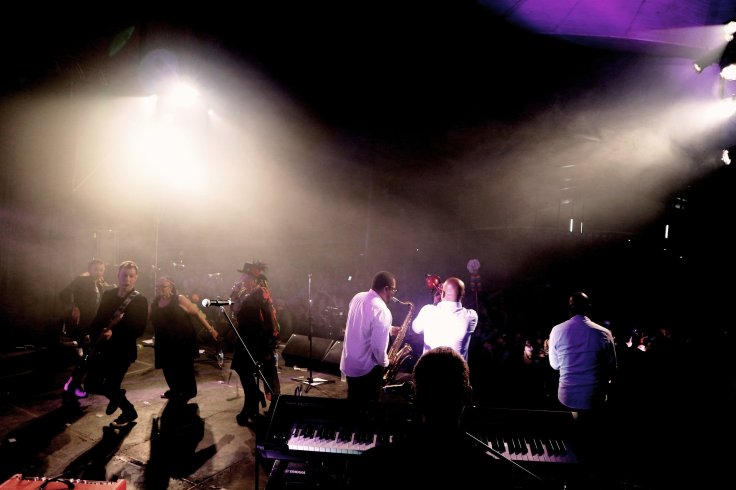
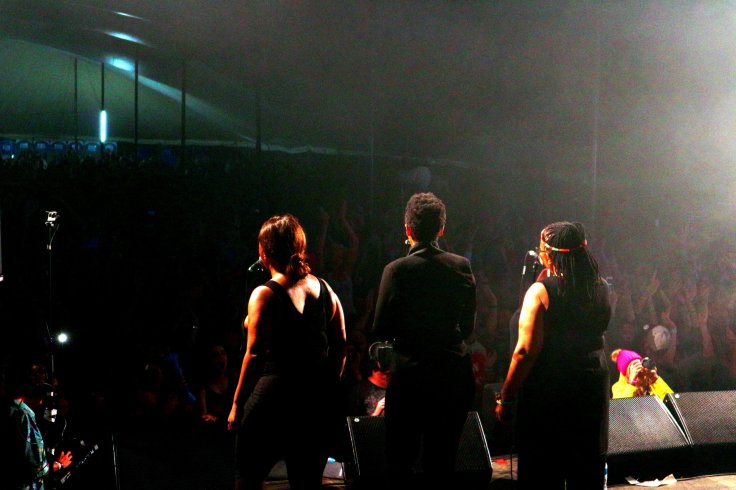
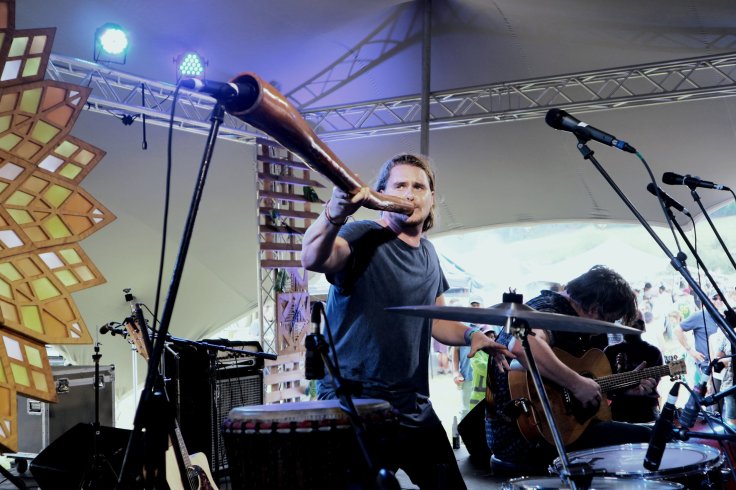
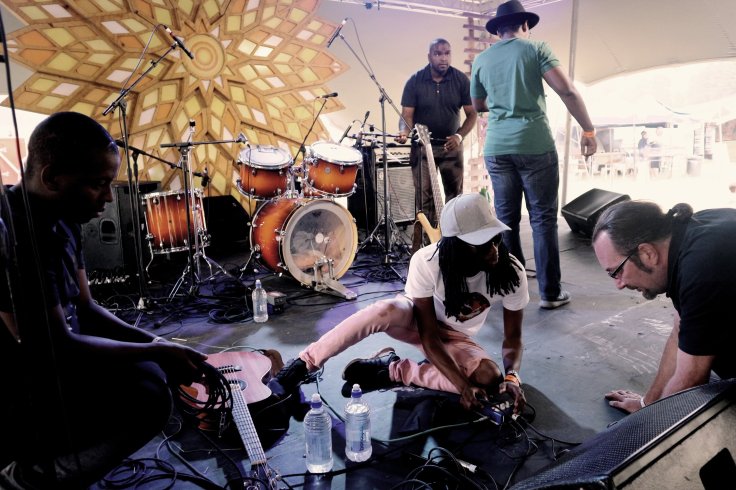
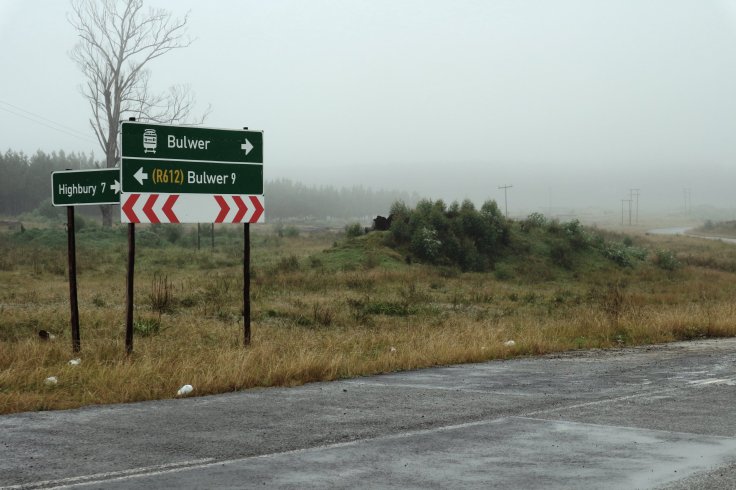
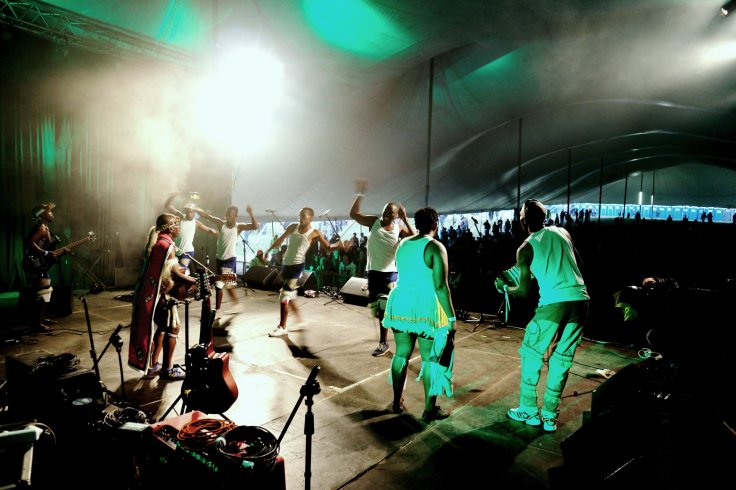
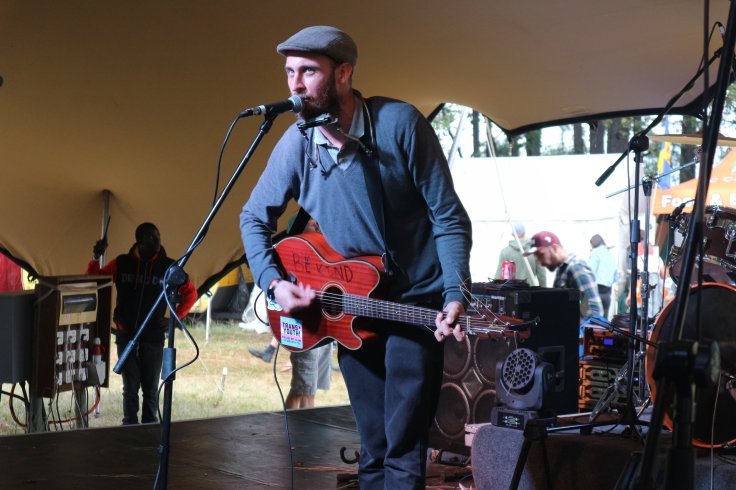
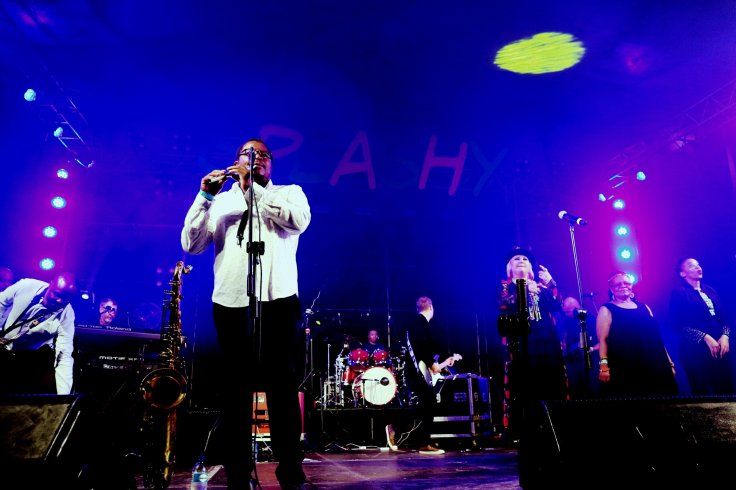
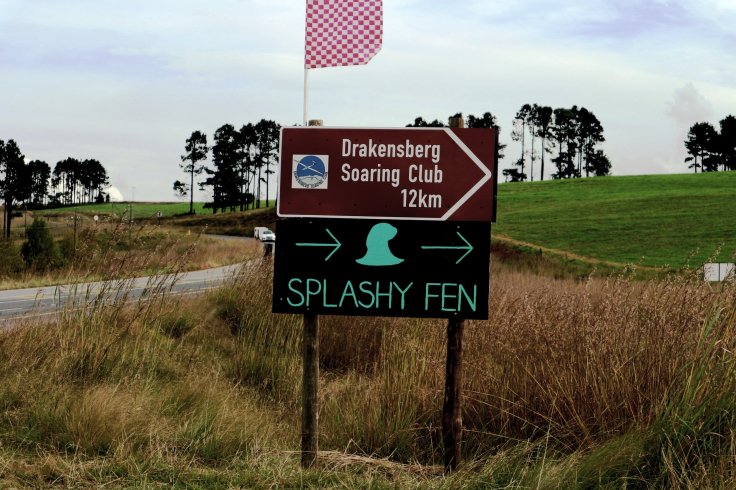
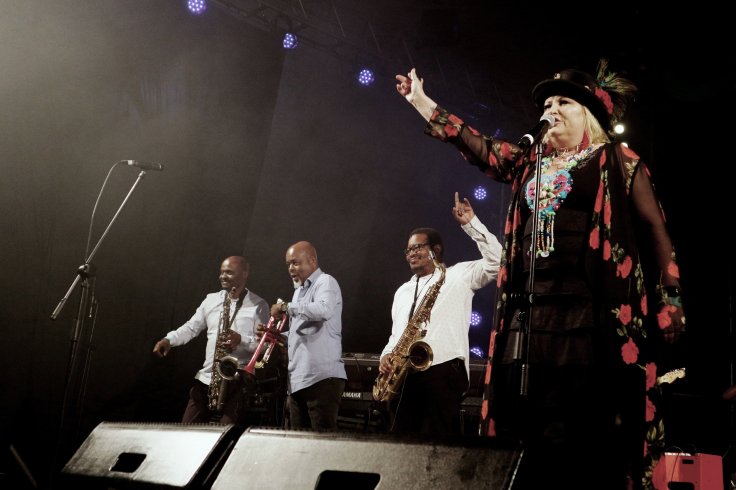
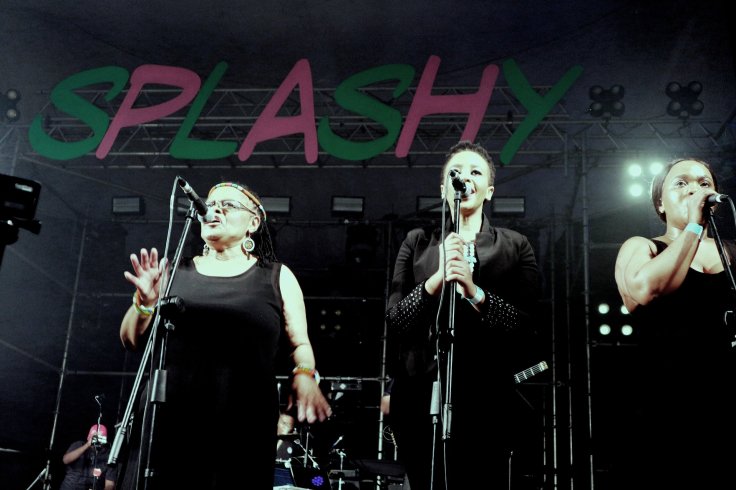
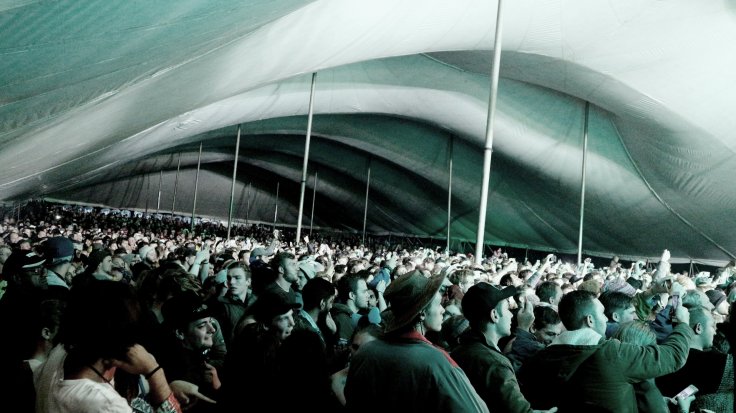
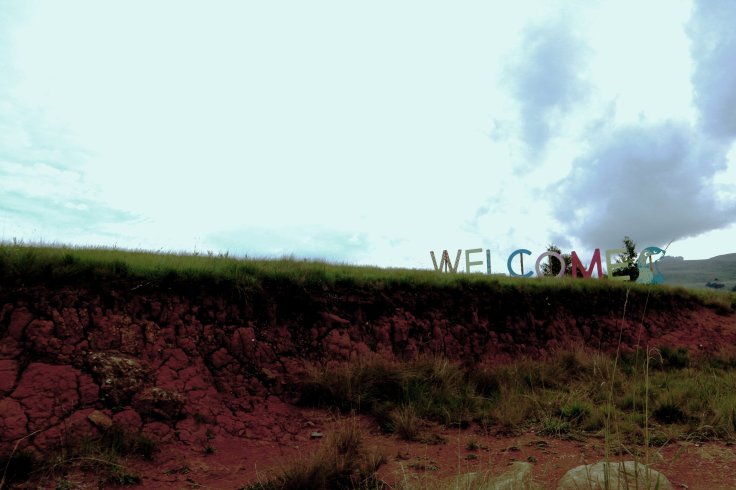
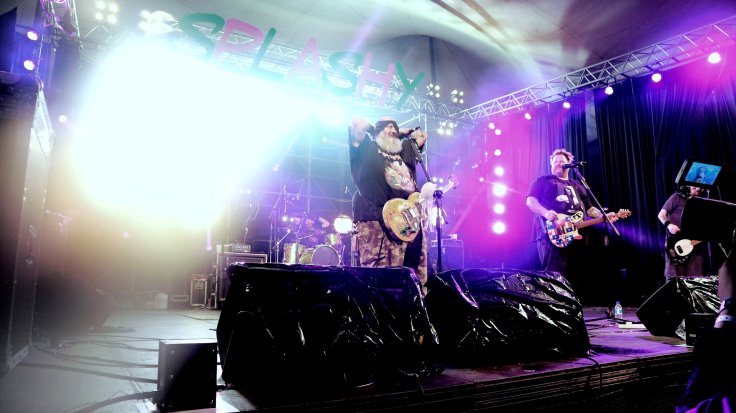
A random selection of photos from Splashy Fen Music Festival, 2018 and 2019. Images by Urban Nomad…
Ganesha guidesView from the main stage….2018Signs of the times – 2109Mango in the Groove – 2018Faye and Wren – Tree House Stage 2019River Stage – 2018Dinosaurs out on the jol…Bowling for Soup – 2018Time travel with Angus and Gian…2019Mango Groove – 2018
Juzzi Smith – 2019Farm life…Yoga
Mango Groove – 2018Dirt roadsPierce Brothers – River Stage 2018Malibongwe Mali Zulu setting up…The way home…
There was a time when everything in my life was about punk rock music, largely due to the fact that it always seemed to be the soundtrack to the numerous surf and skate films I devoured as a grommet (surf kid).
My introduction to Californian surf and skate punk rock led me to discover another genre called “ska”. At the very impressionable age of 15, I was duped by the two other “punks” I knew at school into believing that “ska” was a bastardised hybrid of punk and reggae. Played predominately by bands such as Less Than Jake and Reel Big Fish. After further investigation I discovered that “ska” was paramount in helping conceive a lot of popular Jamaican music as well as being the predecessor to reggae and dub.
I started to enjoy “ska” and the more I got into the genre, the less I liked the American ska-punk variety. I liked the ska from Jamaica, and if it wasn’t from Jamaica it had to at least sound as if it was inspired by the island nation.
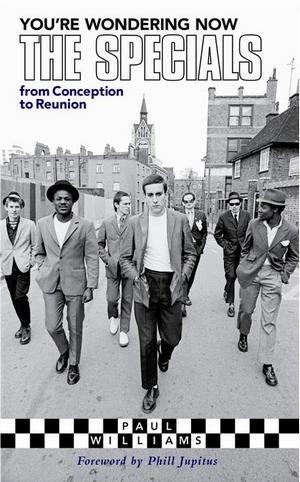
One faithful day in the music store (somewhere in the late 90’s when people still bought CDs), I surreptitiously stumbled upon an album originally pressed in 1979 by a band called The Specials. I had heard of this band before, and soon after reading the liner notes in the album after purchasing it, I discovered that none other than Elvis Costello (songwriting 70’s icon) had produced this fantastic piece of music.
I’d later learn as my opinion of ska/reggae and dub became more informed, that this album marked a turning point not just for British music but also for racial unity in the UK as well.
The Specials were part of a movement that they had a huge role in creating – that movement was called 2Tone. With the introduction of this new musical revolution came a record label with the same name.
“2-Tone was conceived and aesthetically overseen by The Specials’ Jerry Dammers, and launched from Coventry. They released records by Madness, Specials, The Beat, The Selecter, ska veteranRico, and later,the punk-funk ofThe Higsons. The bands featured black and white members on an even footing, which was still pretty unusual. They recycled Sixties Ska, injecting its tight-or-nowhere riddims with punk’s ragged energy and witty, direct socio-political lyrics that pulled no punches in stories about unfortunate characters that were half familiar and wholly believable”.-David LaurieJuly 18, 2016 (https://sabotagetimes.com/music/how-ska-2tone-woke-up-the-country)
So when I recently revisited the debut Specials album (circa 2018), after all those years, I couldn’t help but still hear the relevance behind some of the words, the relevance that could easily be imparted into a South African context some 40 years later. With lyrics addressing certain social dilemmas of the time.
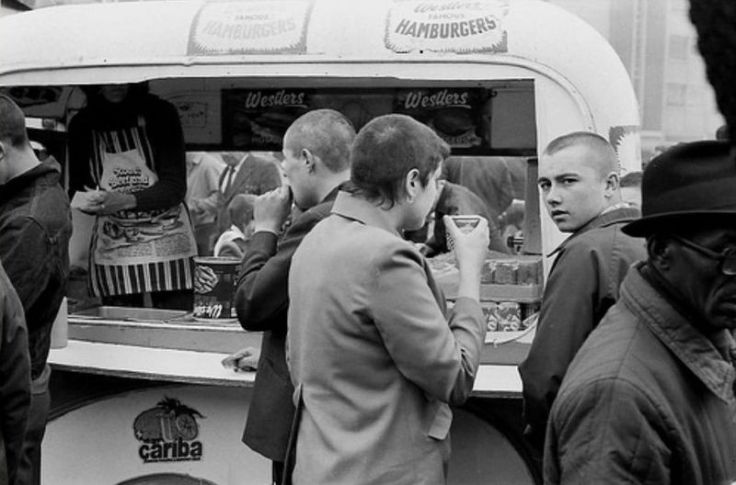
Punks’ Racist underbelly in 70’s England:
This image was originally posted to Flickr by nicksarebi at https://www.flickr.com/photos/34517490@N00/3332783357 . It was reviewed on 25 January 2010 by FlickreviewR and was confirmed to be licensed under the terms of the cc-by-2.0.
Research soon became vital to my existence so I delved, deeper than ever before into my obsession with “punk” and its various ideologies and movements. Often my readings led me to the blatant racist activities and ideals of some of the punk related sub-genres which were prevalent during 1970’s England.The word ‘skinhead’ started getting thrown around, and an organisation called The National Front was introduced into my vocabulary for the first time.
“Skinhead culture faded in the early ‘70s, but revived as a response to the commercialization of punk at the end of the decade. At the same time, many skinheads became involved in far-right and racist politics.Some factions of skinheads had previously been known to attack immigrants and gay people in addition to their usual brawling; now many were openly sporting swastikas and giving Nazi salutes. By the mid-1980s, the term “skinhead” had become synonymous with neo-Nazism, fascism and xenophobia”. -Alex Q. Arbuckle (https://mashable.com/2016/03/29/british-skinheads/#0FqepdiiMgqC)
Although skinhead culture wasn’t all about racism and white power, it seemed a lot of the rhetoric being thrown around just before the late 70’s was violently bigoted. And sadly there was a cloud of racism hanging over the British underground musical subcultures.
Bands such as The Specials were hell bent on changing this ugly part of the UK underground around the late ’70s. White working-class youth found themselves sharing space with Jamaican immigrants. Clashes started to happen, but with these clashes came the birth of something new, interesting and inclusive for British culture.
“Whilst some of the acts may not even have recognised it as such, having black and white musicians on the same stage was a political act in itself in the late 70’s. The decade had seen the growth of the British Movement (BM) and the National Front (NF) not just as political forces electorally but with boots on the ground as violence and extremism made its way onto the streets. The BM standing on an explicitly Nazi manifesto and including images of Adolf Hitler on their election material managed to secure over 300 votes in the Birmingham Ladywood By-election in 1969. Meanwhile rival far-right organisation the NF polled just under 200,000 votes in the 1979 General Election. Many of the early 2-Tone gigs were marred by fights and violence as far-right skinheads fought with black youth and anti-Nazis. Young people wearing the clothes, buying the records and associating with the 2-Tone scene were making a political statement against racism and for multiculturalism. The courage this took in many parts of British cities should not be underestimated. To underline this point, guitarist Lynval Golding was attacked simply for walking down the street in London with two white girls and had ended up hospitalised with 29 stitches in the head and neck”. -Graeme McIver (http://www.thepointhowever.org/index.php/culture/226-the-dawning-of-a-new-era-a-brief-history-of-2-tone-and-the-specials)
South Africa in the 80’s:
While The Specials started becoming a pop sensation in England, Europe and the world, South Africa was experiencing the dying days of Apartheid and the situation was reaching boiling point. Violence was rampant all over the country, and the rest of the world was starting to take notice of how bad the situation was becoming in South Africa.
“There was little change in the situation from the late 1970s to the early 1980s in South Africa. After the crisis of the early and mid-70s, the government’s ‘total onslaught’ had managed to suppress much unrest and had it under some measure of control. With leaders from the 1976 uprising either imprisoned or exiled, the liberation struggle did not move forward much. It was in this climate that anti-apartheid organizations in the country realized that they needed flexible structures and leadership to survive in the future, as well as have a mass movement focus. This would facilitate the continuation of resistance even when the government imprisoned major leaders. The obvious importance of unity was also acted on”. –https://www.sahistory.org.za/article/apartheid-early-1980s
How The Specials played a part in the anti-apartheid movement:
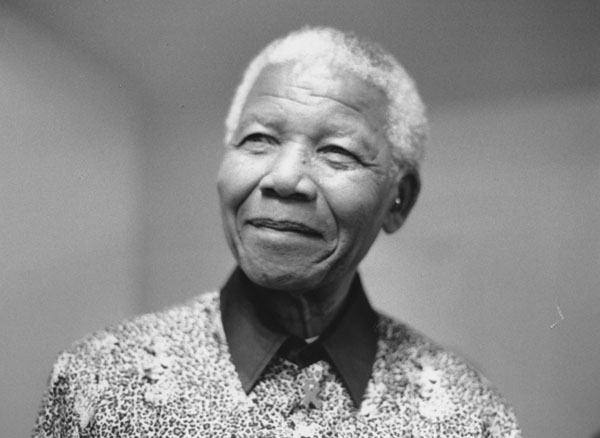
Finally, the world was becoming aware of the horrors of apartheid, sanctions started to be imposed, and people of notoriety were speaking up globally against the situation in South Africa. It was becoming widely unanimous that apartheid wasn’t good for humanity, and wasn’t good for the future of South Africa or the world.
This image, originally posted to Flickr , was reviewed on May 29, 2011 by the administrator or reviewer File Upload Bot (Magnus Manske) , who confirmed that it was available on Flickr under the stated license on that date.
In the year 1984, The Specials released a track to stand in solidarity with the ANC (African National Congress) and it was their way of showing their disdain for the unjust system in South Africa. The song was regarded to be a catalyst and a contributing message to enable the end of this plague that kept a country hostage for several decades. The song was simply titled “Free Nelson Mandela” and the lyrics were presented in a simple and understandable way to get the message across loud and clear.
Free Nelson Mandela – The Specials AKA (1984):
Free, free, free, free, free
Nelson Mandela
Free Nelson Mandela
Twenty-one years in captivity
Shoes too small to fit his feet
His body abused but his mind is still free
Are you so blind that you cannot see?
I said free Nelson Mandela
I’m begging you, free Nelson Mandela
Pleaded the causes at the ANC
Only one there in a large army
Are you so blind that you cannot see?
Are you so deaf that you cannot hear his plea?
Free Nelson Mandela
I’m begging you, free Nelson Mandela
Twenty-one years in captivity
Are you so blind that you cannot see?
Are you so deaf that you cannot hear?
Are you so dumb that you cannot speak?
I said free Nelson Mandela
I’m begging you, free Nelson Mandela
Free Nelson Mandela
Although it was just one song, amongst a myriad of world-wide protests against the oppressive regime, it seemed to become somewhat of an anthem for the anti-apartheid movement globally, and this was also heightened by the fact that the song became a top ten hit.
CNN would later reflect on this jivy pop-ska anthem which saw the band take on a more South African groove in the arrangements and composition. It could even possibly be compared to similar South African bands during this period, maybe this statement will be met with contention, but Mango Groove comes to mind. Especially with the layered and harmonious back up chant of “free, free, Nelson Mandela”.
“The anti-apartheid message was serious and heartfelt but the song that alerted many around the world to the injustices of the South African regime could not have been more upbeat. “Free Nelson Mandela” was a Top 10 hit in the United Kingdom for The Special AKA in 1984, and it instantly became the unofficial anthem and slogan for the international anti-apartheid movement”. – Peter Wilkinson 2013 (http://edition.cnn.com/2013/12/06/showbiz/south-africa-mandela-protest-song/index.html)
One of the founding members of The Specials was made aware of the wrongs that was happening in South Africa in 1983 after he attended an anti-apartheid concert. The keyboardist and songwriter had never even heard of the man before this period.
“The composer of “Free Nelson Mandela,” Jerry Dammers — the founder of the multiracial English ska-punk band The Specials, later renamed The Special AKA — admits he knew little about Mandela before he attended an anti-apartheid concert in London in 1983, which gave him the idea for the song”. — Peter Wilkinson 2013
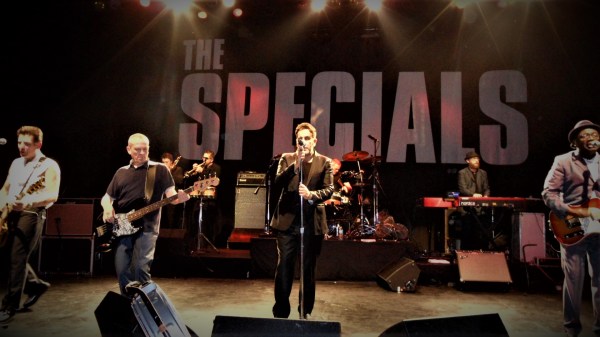
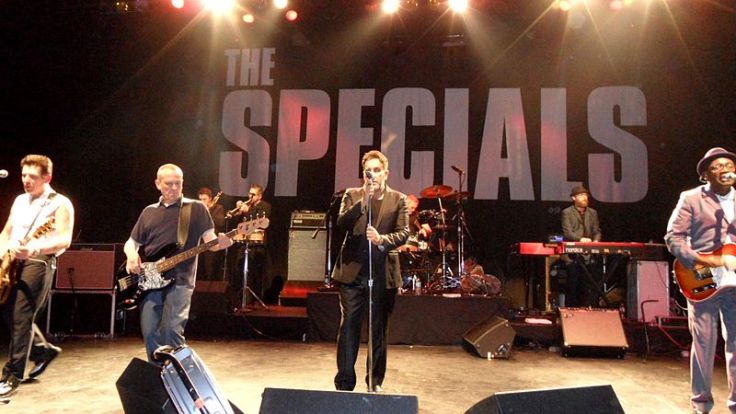
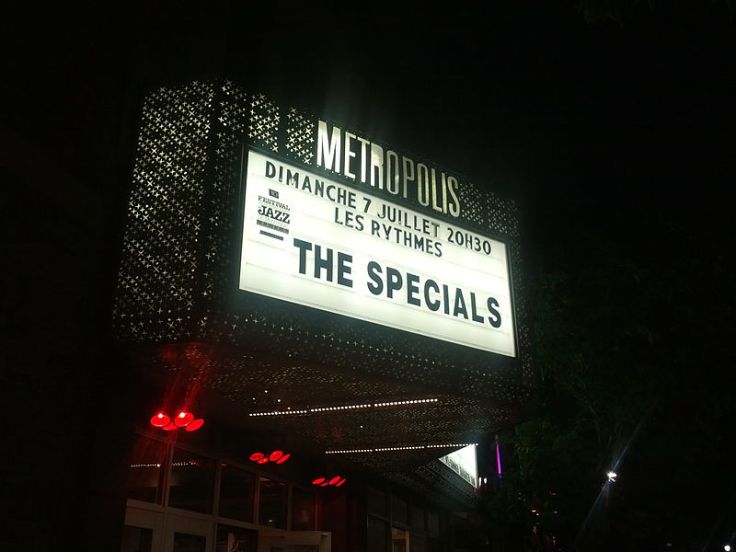
The Specials in 2019 and the release of their new album Encore:
A few weeks or so ago, an image on my Twitter feed popped up : “New The Specials Album out tomorrow”. It goes without saying that I was excited, it’s incredible to see a band still putting out music almost 40 years after they started, and their sound and message is still relevant. I quickly searched YouTube to see if I could find a song and I was pleasantly surprised by the first single “Vote For Me”, which is a politically charged ska-anthem which music journalists and fans say, is in a similar vein to their 1981 hauntingly sublime hit – Ghost Town.
The song Ghost Town would later be praised for its accuracy in documenting the devastation and desolation of Margaret Thatcher era Britain, as reported by the BBC.
“Few songs evoke their era like the Specials’ classic Ghost Town, a depiction of social breakdown that provided the soundtrack to an explosion of civil unrest. Released on 20 June 1981 against a backdrop of rising unemployment, its blend of melancholy, unease and menace took on an entirely new meaning when Britain’s streets erupted into rioting almost three weeks later – the day before Ghost Town reached number one in the charts”. -Jon Kelly (2001) –https://www.bbc.com/news/magazine-13780074
In Vote For Me, the message of protest music that has spanned decades remains true, that politicians do not have our best interest at heart, with lyrics that could very well be a call to arms, in a similar vein to “Free Nelson Mandela”. Yet this time around it seems the message is personal and a lot closer to home.
You’re all so drunk on money and power
Inside your Ivory tower
Teaching us not to be smart
Making laws that serve to protect you
But we will never forget that
You tore our families apart
Except taken from Vote For Me – The Specials – Encore 2019
A new kind of activism with “10 Commandments” the second single on Encore:
Essentially, The Specials started out as a band who paid homage to a lot of Jamaican music during the 1960’s. Their debut album was littered with popular Jamaican classics, with a new edgy Coventry punk rock undercurrent. Its what gave the band it’s power.
However, in any culture it’s necessary to take a conscious look at the past and readjust things to suit a contemporary message, yet also make right some of the wrongs of the reggae subculture. Bob Marley preached love and unity, yet it’s hard to ignore the ugly sides of Jamaican and reggae music. It can often be soaked in patriarchy, misogyny and homophobia. Some of the biggest names in reggae have openly spread a violent homophobic message including reggae or dancehall public property such as Buju Banton or Sizzla.
“Jamaica has a bad reputation for anti-gay prejudice. This small island in the Caribbean has become notorious not only for its anti-gay laws, political rhetoric and murders, but also for its broad societal acceptance of severe sexual prejudice and openly hostile music.” -theguardian.com/commentisfree/2014/jun/06/jamaica-music-anti-gay-dancehall-homophobia
One of the genres’ most liked and respected artists is Prince Buster. But on a track from 1967 titled “The 10 commandments of man”, it’s clear after listening to the song that its soaked in sexist undercurrents. Even though you can hear the tone is light and the artist in question is using humour, it’s still cluttered with problematic or even violent themes, especially in the current political climate of the “me too” movement.
The Specials decided to do a remix of this classic yet controversial ska-tune, yet this time collaborating with 21 year activist Saffiyah Khan. Khan rose to prominence a few years ago, after a photograph of her bravely facing an English Defence League activist at a protest outside a Birmingham Library went viral.
“Horace Panter, bass player and founding member of The Specials, happily admits the Prince was a big influence on why he started things in the first place.”The band had done a cover of Enjoy Yourself and sampled Al Capone on Gangsters,” he remembers.”But Ten Commandments has not travelled very well, and from listening to it again it felt important to do a contemporary version.”The problem is our attempts ended up sounding like comedy versions of the song.”It led to the idea of turning it “completely on its head” by getting a woman to do the vocals – and getting Khan onboard injected real excitement”.- David Schaffer 8 February 2019
When the song was released as a lyric video on Youtube, the comments section erupted Many were praising the band for the message, yet some where utterly horrified.
“Great music! Lyrics are expressed as forcefully as Prince Buster did over 50 years ago…updated – Told by a woman with an ego-driven message too…she put PB’s version up for a great challenge…I think this Specials version is going to be remembered for decades” -KTWOA
“Shockingly bad… Disrespectful to Prince Buster r.i.p” -CAZCOUNTRY70
“Specials cashing in on neo liberalism…not edgy in the slightest just more of the same ….disappointed fan” -Dc Marvel
“The specials have really gone down hill, to have this wannabe feminist far left nobody singing for them is pathetic. The original Prince buster would turn in his grave if he heard this shit.” -snodds88
“Men offended in the comment section are either heteronormed straight white men born in a first world country within a privileged middle class family… or they’re completely blind”. -Maria Paula CB
True protest music creates contention and debate, and that’s exactly what 10 Commandments does. The fact that they allowed Khan complete creative control with the words is testament that The Specials are a band willing to bring new life to old traditions, in order to change perceptions and do something original.
Their multi-cultural message was met with equal contention and violence from white power groups like the National Front at some of the 2 Tone concerts of 1970’s Coventry. Now they are creating a stir on the Internet. Showing that even though the band is roughly 40 years old, they are still contemporary or even post-modern in their focused intent on sparking debate and conversation.
I’ll let you decide what you feel about both versions with the lyrics presented below:
The Ten Commandments of Man – Prince Buster – 1967:
The Ten Commandments from man given to woman
Through the inspiration of I, Prince Buster
One, thou shall have no other man but me
Two, thou shall not encourage no man to make love to you
Neither kiss nor caress you
For I am your man, a very jealous man
And is ready to lay low any other man that may intrude in our love
Three, remember to kiss and caress me
Honor and obey me, in my every whim and fancy
Seven days a week and twice on Sundays
Because at no time will I ever be tired of I-T, it
Honor my name so that every other woman may honor it also
Five, thou shall not provoke me to anger
Or my wrath will descend upon you heavily
Commandment Six, thou shall not search my pockets at night
Or annoy me with your hearsays
Commandment Seven, thou shall not shout my name in the streets
If I’m walking with another woman
But wait intelligently until I come home
Then we both can have it out decently
For I am your man, a funny man
And detest a scandal in public places
Commandment Eight, thou shall not drink, nor smoke
Nor use profane language
For those bad habits I will not stand for
Nine, thou shall not commit adultery
For the world will not hold me guilty if I commit
Murder
Ten, thou shall not covet thy neighbor’s dress
Nor her shoes, nor her bureau, nor her bed, nor her hat
Nor anything that’s hers
Neither shall thou call my attention to anything that may be for sale
In any stores, for I will not give thee anything but what
You actually need for your purpose
Those are the Ten Commandments given from man to woman
By me, Prince Buster
10 Commandments – The Specials words by Saffiyah Khan – 2019:
The commandments of I, Saffiyah Khan
Thou shall not listen to Prince Buster
Or any other man offering kindly advice
In matters of my own conduct
You may call me a feminazi or a femoid
And then see if I give a stinking shit
Pseudointellectuals on the internet
They tell me I’m unhappy because I’m not feminine
Failing to consider that I may be unhappy
Because it’s 3 AM and I’m in the depths of YouTube
Watching them… whining
Thou may catcall me on the street
But thou should take note that I’ll catcall you right back
To tell you that you look pretty sexy too in your joggers
Or your suit, or your new-found look of confusion
Girls should not turn on each other
Or use man-made ideals like paths
Don’t you realize that you’re only making a fool of yourself
When you ask… “Why don’t you wear makeup?”
Is that what it takes to impress a bloke
Whose brain is made up of promises of curvy size zeros
And anti-gravity tits?
Thou shall not tell a girl she deserved it
Because her skirt was too short
She walked home, streets lights illuminating her as a target
But she started it, because she looked at him
And he finished it ’cause he wanted to
And they’ll bring out her skirt as “exhibit A” before the judge
And she should have the right to say
“Thou shall not tell me what to wear
Nor how to wear it”
I shall not be the icing on your cake
And I shall not be the candy on your arm
But I shall be seen
And I will be heard
The commandments of I, Saffiyah Khan
Pseudointellectuals
Stay tuned for the album review of Encore coming soon to Aweh.online
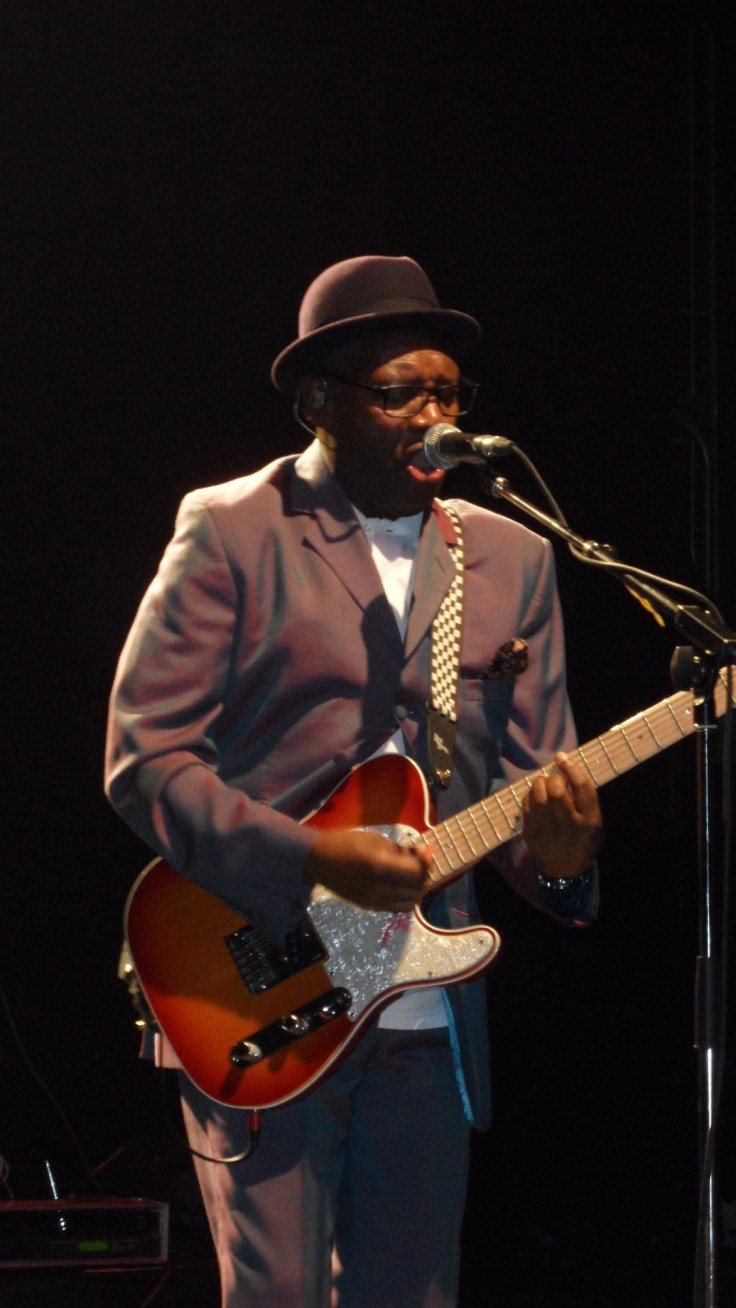
This image was originally posted to Flickr by Mohammed Jaffar at https://www.flickr.com/photos/29442760@N00/9267390478 . It was reviewed on 11 July 2015 by FlickreviewR and was confirmed to be licensed under the terms of the cc-by-sa-2.0.
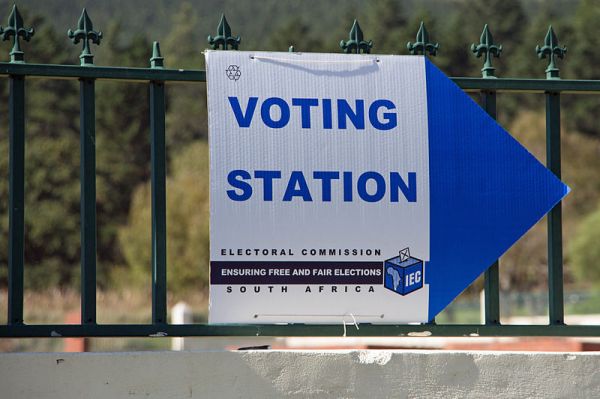
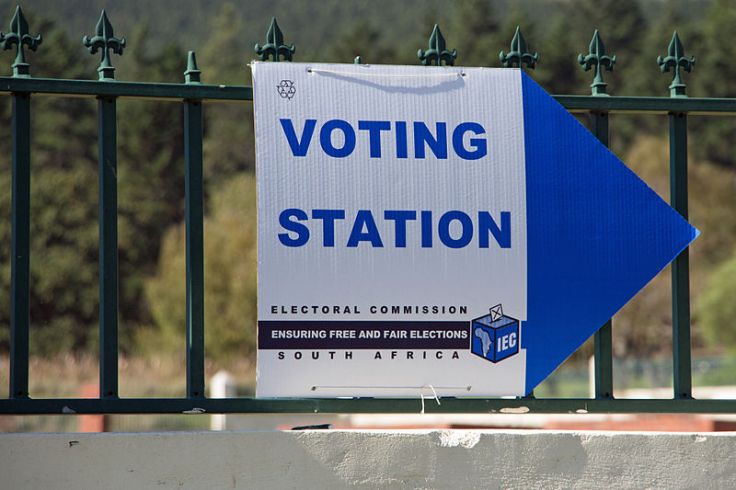
Today is Election Day across South Africa, and we thought we’d put a little playlist together, that reflects parts of the current political climate of the country. Some of the songs here are hopeful, abrasive, pensive and angry. Some of the songs featured are South African and some are international, yet they still correlate to South Africa both past and present. Those who are going to the polls today, we wish them well in their voting endeavors and we hope everyone has made an educated decision on who they will be voting for. Those who have chosen not to participate in voting, we hope that this playlist will inspire them to go out there and be active, during this day of significance in the history of South Africa’s young democracy
A new band has emerged from numerous prominent other South African bands, either dead or alive. Their first single has just dropped and its hooked laden power pop in the same vein as Weezer or Dillinger Four. Support your local Weed Dealer.
Photo by – Llwellyn Juice Makhanya from Fotobooth .
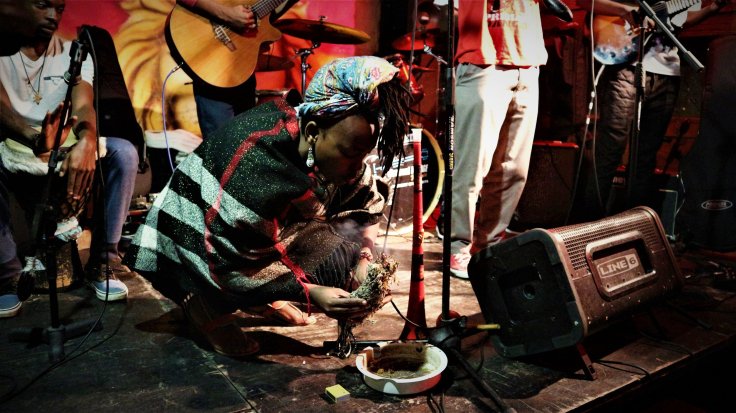
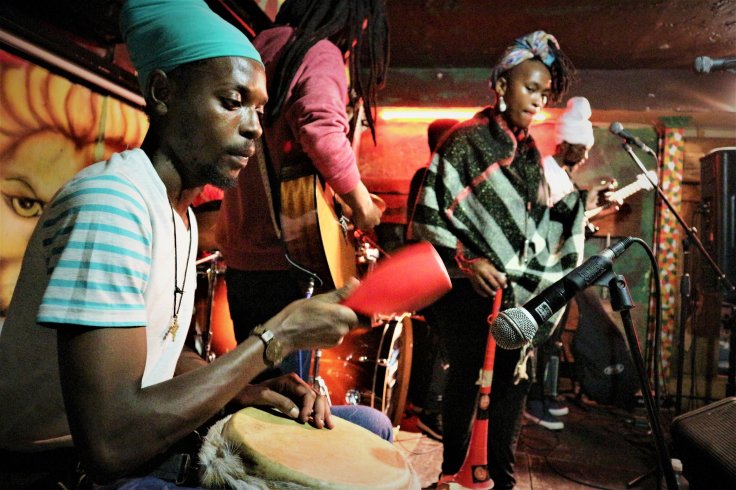
With a fiercely independent approach to the music industry and a sound which focuses on unity and healing instead of hatred and division, The Sun Xa Experiment is poised to become the next big thing out of Soweto, following in the footsteps of other “Afropunk” bands from the area including BCUC (Bantu Continua Uhuru Consciousness). Since 2014 they have been mixing the chemicals in the groove laboratory to develop a sound, feeling and live show which is entirely their own. 7 extremely unique individuals make up the band, where traditional rock and roll instruments collide, with deep-rooted, African drums, chants and a ritualistic spirituality that creates a culturally fascinating experience, which incorporates, other elements of the performing arts into the show. Which is evident in the delivery and aesthetic of the band members and performance. Watching a Sun Xa Experiment is almost like watching an oil painting being painstakingly made in real time, right before your very eyes. Its pure art and the dedication and commitment of every member is clearly evident every time they get up on stage.
Photo by – Urban Nomad
However, with every successful act, there is a driving force behind the scenes, pulling the strings and pushing the project forward. Lebohang More is that individual in Sun Xa, and he has taken the role of the most unforgiving job in the world – the band manager. We caught up with this dedicated born and bred Sowetan, to find out exactly what makes this band so special.
1. Firstly can you give me your name, age and what you do for a living?
Hello, my name is Lebohang More and I am 34 years old. What I actually do is I use 80% of my creative mind and I deal with ideas, and I also manage 3 projects (bands) through Digging Thoughts (Pty) Ltd.
2. What is that like being a manager in the South African music industry and how did you get into music in the first place?
It is the most challenging work as every day is a new day, new application, new event hunt, it never becomes old. I got involved in the music industry by making hip hop beats. I used to be an avid beat maker and produced a couple of albums and featured on a few compilations. I am a hip hop DJ and jazz/ancestral and world music selector. That is how I got into the music industry. Through time, I eventually found myself in a managerial position. It has been an amazing journey so far.
3. You are based in Soweto, seems the area has had a massive revival in the punk/rock and afro music genres, with bands like TCIYF, BCUC and various other edgier genres doing well both internationally and locally and all coming out of Soweto. Sun Xa seems to be a part of this scene in some way. What is like to live and experience this energy every day? And what do you think the future holds for the Sowetan underground music scene?
Yes, I am from the heart of Soweto, it is such a beautiful time to live in this area. It keeps us as a band on our toes since we are an independent movement. Bands you mentioned like BCUC put in a lot of work and that can only reverberate, good energy towards us. However the energy is not always clear in Soweto amongst bands. This (somewhat) lack of unity might cripple a great looking future for our industry as Sowetans.
However, the future is looking bright as many bands are coming out and the talent is emerging. I like the newer developing bands more, as they are exciting and it’s awesome experiencing their passion. We just need to nurture newer artists and create a sustainable music industry from Soweto.
4. Tell us a little about Sun Xa, what is the music all about and how did you get involved?
The Sun Xa Experiment I consider it as a family name first and foremost, a clan, a living body. Sun Xa Experiment is also a musical band that brings out a message for healing and love, it is an ancestral awakening, and our truth. The music is purely about spiritual upliftment and the influence of good. It is a voice for the lesser.
I got involved from its inception as the music started out with two guys, Tebogo and myself chopping up records by Ndhiko Xaba – Sunset and various angles from Sun Ra. The fusion of the samples over programmed drums gave birth to Sun Xa then later it became Sun Xa Experiment because it evolved into a full band and that’s when I stepped to the side to take care of the business aspect.
5. Tell us a little bit about Soweto, what is it like to live there and did you grow up there?
Soweto is not just a campsite for all our families but it is home to a lot of great people in our country, from politics, to sports to acting to music. It’s the birthplace of Kwaito Music and growing up there and living there is an amazing experience. The township on its own has become the capital mother of the system and before it became a suburb, we had the best of times going to hip hop sessions, to attending events like Lokxion live and Street Pop Culture. This is where live music used to be very alive. Soweto is that space where your neighbour is a banker, your other makhelwane (neighbour) is in expropriation and your best friend is a lawyer then you are a musician, which is the scene I grew up in. A Messed up chaos, but beautiful chaos nevertheless.
6. The Sun Xa Experiment seems to be making some big moves at the moment. What does the future hold for the band?
Thank you, yes the guys are putting in work and it’s amazing how they keep being driven and the future looks bright if we can build now at the present. We are currently building the movement with other artists to work with on tours around the country and to collaborate with as many artists as we can. This is us preparing for the future and we couldn’t be more excited.
7. You guys have a very clear message of healing, why do you think this is so vitally important for a diverse South African audience at a turning point in the history of the country?
Healing comes in many formats and we also heal ourselves with every performance. It is important for our country to hear our message as the music helps everyone and reminds individuals of who they are and where they come from. Whether black, coloured, white or Indian, the beautiful thing about musics healing properties is that it doesn’t have any prejudice towards who is receiving the message. It just catches you as a listener which is very important to us.
8. You guys seem to have a strong connection to Durban, so why do you frequent this city so much?
Apart from my first born son being born in Wentworth Hospital in Durban, and my fiancée coming from Lamontville Durban, I think for us as Digging Thoughts as a company we found a home down there and the respect we received from the people gave us that feeling of Durban being a second home to us. Also for every event we did, we connected with inspiring people and created families all over Durban and that is what keeps us amped to come back. We love it there. It has become our other “city” of choice where we just book bus and flights down. We also have been working quite closely with Ryan Van Rooyen as well, who has been booking the band many shows in the city for quite some time now.
9. What do you think are some of the biggest challenges for local bands trying to make it in the music industry at the moment?
The choices musicians make:
Choices how? This is how…the way we accept gigs, the type of gigs we take, the type of deals we make, that is the part that bands face as a challenge and lack of representation (Manager/PR). I always tell bands to choose wisely and if you want to put your name out there, keep rehearsing and be available at all times. Never put money first, but put it second as payment and reward. The music industry currently allows a lot of room for independence and that is how they crook you, because you as the musician accepts contracts or gigs without thinking of real benefits, but for the name of rocking the stage. We do not stop to think, and also a lot of musicians are not being professional. What I have noticed is that they are always scouting for talent but talent is not prepared sometimes, and that makes it difficult for bands to crack it.
10. Any plans for international tours anytime soon?
Yes. We are currently having discussions with a booking agent from the Netherlands, and are talking about gigs for 2020. At the moment we are still busy in our home country. We will keep Aweh publication updated on this movement. Our aim is to try being part of the move to Europe so we can do what we do in our country, but over there.
11. What sets Sun Xa apart from other bands doing similar things?
Constant rehearsals, spending almost 6 days of each week together even outside the band, and our vision as the band.
12. Tell us a bit about the members, their contribution to the band and what makes them so unique?
Cool. Firstly what makes them all unique is they are all self-taught and are very driven and dedicated.
Buyisiwe Njoko – is the lead vocalist who is also co-founder of Digging Thoughts (Pty) Ltd. and her roles not only include singing, but off stage activities for the project including a lot of admin, document typing, proposals and representing us on the media front.
Tebogo Mkhize – Original founder of Sun Xa Experiment who started out playing the Drums then moved to Guitar when Bopha came. He plays Acoustic Guitar.
Karolo More – Dancer and energy propellant during the experiment performances and he also does adlibs.
Benedict Watte – plays a wide range of percussion for the band and is also a solid poet.
Lerato Seitei – Electric Guitar, plays bass as well and is also a very good vocalist and is the oldest in the band and his role is the most important as the oldest, meaning in every idea we do we first ask him.
Musa Zwane – plays bass for The Experiment and also guitar for Shameless Band, a very good composer as well and vocalist who is very creative and smart and he also has a good ear.
Siphiwe Mgidi – Drummer for the band and does adlibs where he contributes many other sounds to the music, including percussion and whistles.
Photo by – Urban Nomad
13. The best and worst part of the music industry?
Best Part – being independent at this day in time whereby you determine your next moves and you do not have to wait for a phone call.
The Worst Part – seeing events and festivals being postponed, that is scary as it means that bands and musicians who are relying on music for their income have fewer opportunities.
14. What other bands and projects are you involved in?
TUG Time Unveils God – Live hip hop band who happen to be the first band in South Africa that is straight hip hop. Their message is also about awakening and introspection, their music speaks of a Black God whereby it translates to the ghetto youth that since God is made in our image as the global community. Meaning the God energy comes in all shapes colours and sizes and that they must remember that they too are gods. Other songs talk about- soul healing as well.
Zen Groove Project – Heavy percussion based ensemble by Sabelo, who is a former traveler and percussionist for the African Footprint. The project also is dedicated to the current souls and its sounds are also for reaching out and touching lives and writing history anew.
15. Anything you would like to add?
We are music and music is one harmony, the best part was the Cape Town tour and performing with Cami Scoundrel. We are ready for anything anytime and we are very dedicated. Thank you for interviewing me.
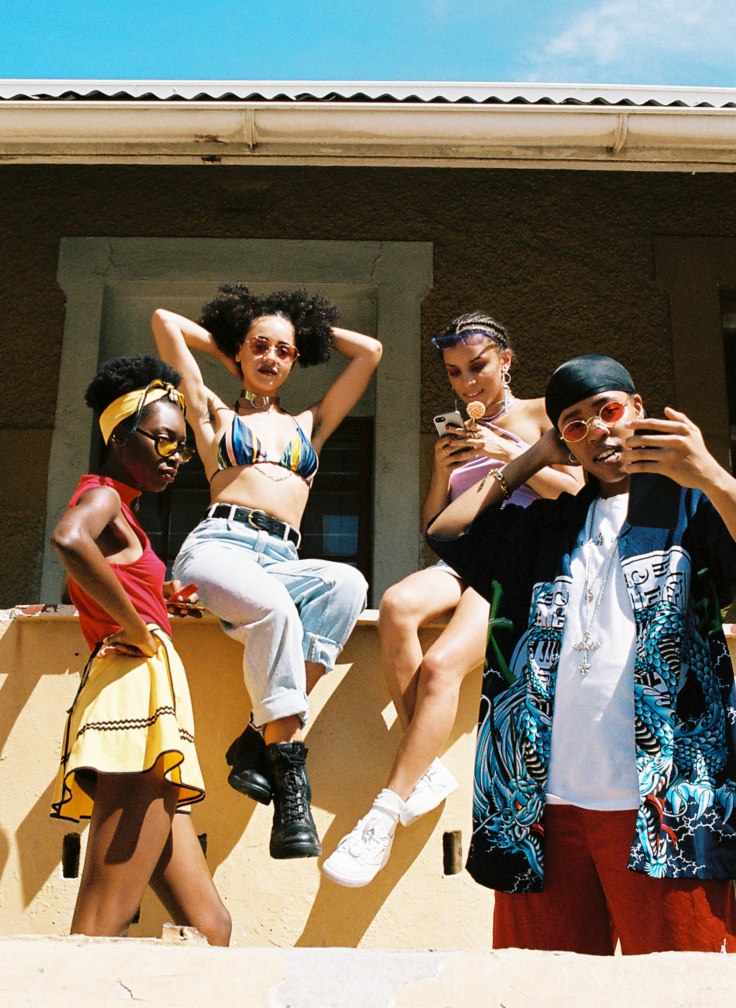
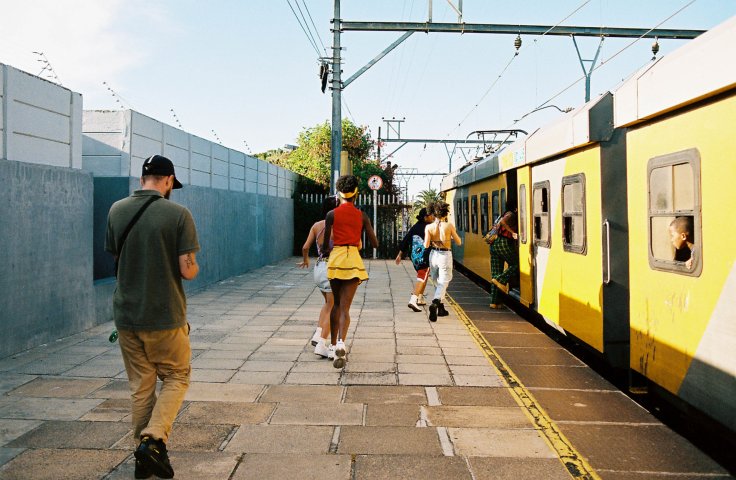
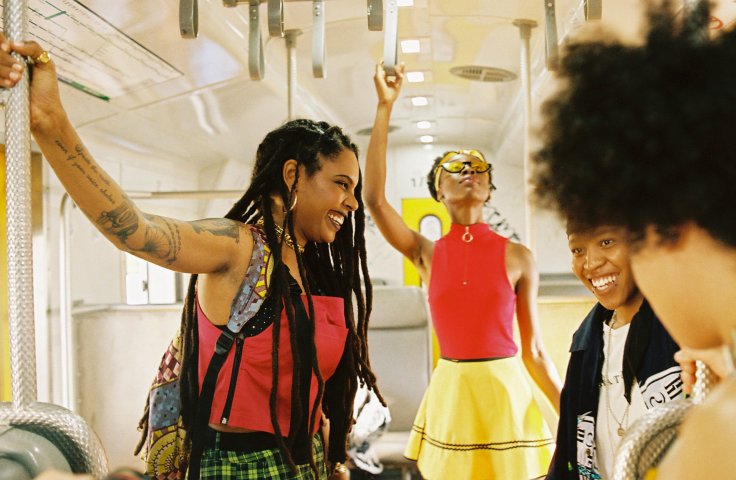
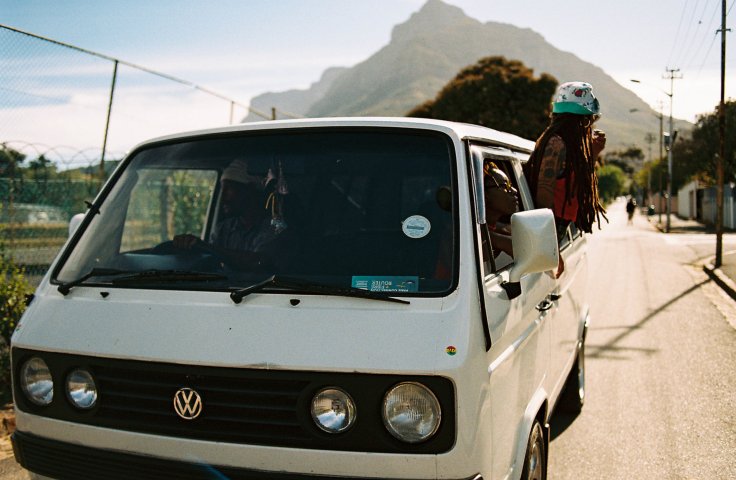
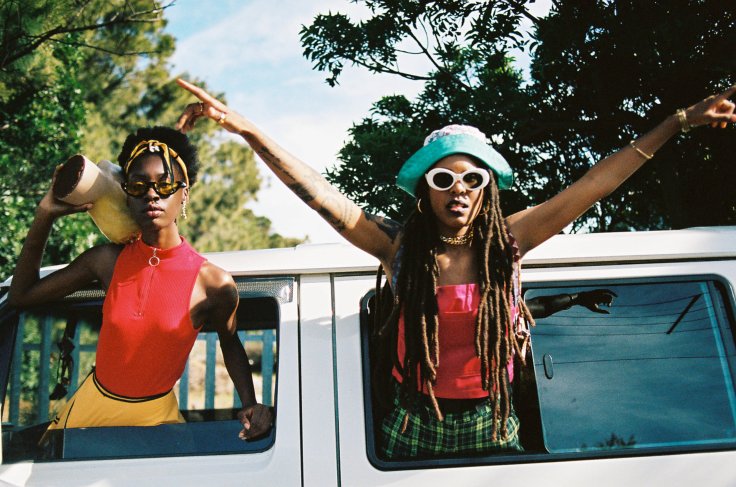
South African rapper Dope St Jude tackles interesting, provocative and somewhat disturbing subject matter in her new music video for the song Liddy. All while finding a way to make it look fun and youthful – in a Larry Clark kind of way. Awehalso managed to get some stills from the video shoot, courtesy of photographer -Elijah Ndoumbé. For more from Elijah, check out: https://www.elijahndoumbe.com/, IG handle: @elijahndoumbé | https://www.instagram.com/elijahndoumbe/ .
Video credits:
Director: Chris Kets DOP: Chris Kets Editor: Sisanda Msimango Producer: Dope Saint Jude Productions Assistant Director: Adrian “Diff” Van Wyk Set Assistant: Rory Bernickow Make up: Jireh Mannaseh Styling: Junk and Disorderly Shop and Gemma Swan Special Effects Make Up: Lauren Cloete Transport: Bobo Januarie Cast: Dope Saint Jude, Tatenda Wekwatenzi, Lenina Parks, Yana Abrahams, Khanya The Designer, Blaq Slim
Image -Elijah NdoumbéImage by – Elijah NdoumbéImage by – Elijah NdoumbéImage by – Elijah NdoumbéImage by – Elijah Ndoumbé




 Aweh Online