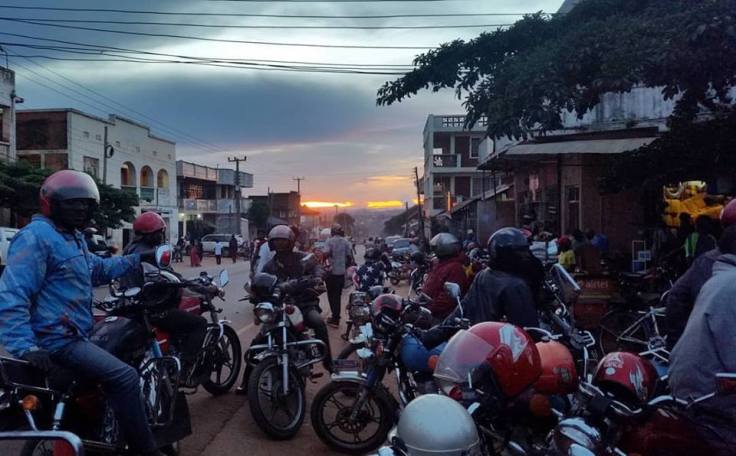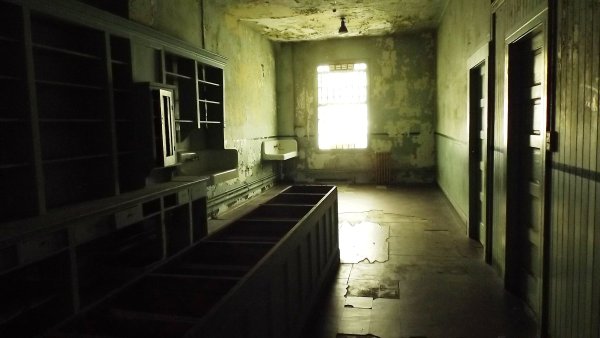
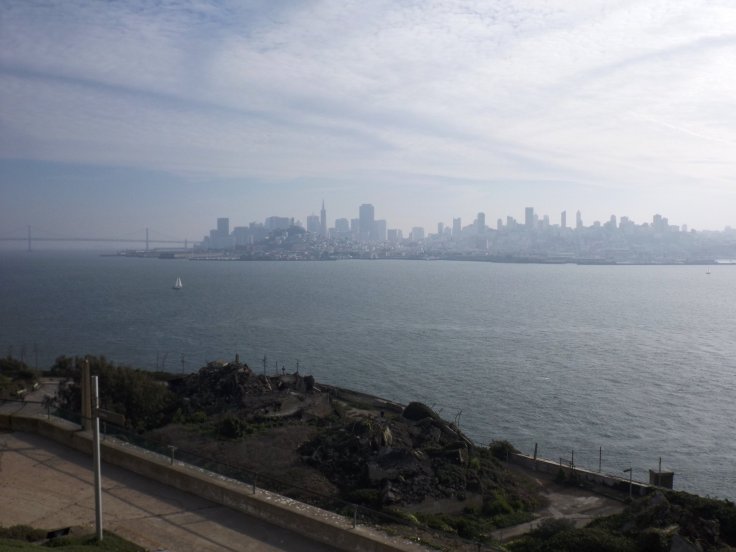
ESCAPE FROM ALCATRAZ

Words and images by The Mystic Wanderer

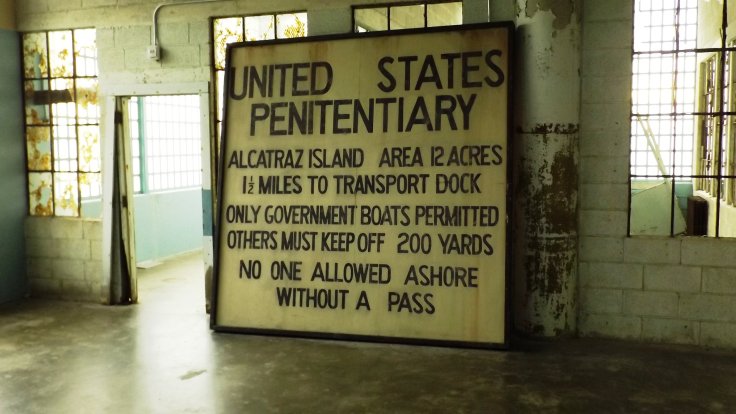
This article was originally written roughly 4 years ago, some of the information regarding trips to Alcatraz Island might have changed.

The iron bars slam shut ringing out in devastating unison. Cold drafts from the Pacific Ocean haunt the hallways. It’s almost as if the bricks have turned into the ghosts of people who had been incarcerated in its walls. It’s an eerie place, an island once used for imprisoning some of America’s most notorious criminals and also a major tourist attraction for the Northern Californian city of San Francisco. It’s Alcatraz, nicknamed The Rock, and for decades writers, actors and filmmakers have been capturing this brutal side of American history.
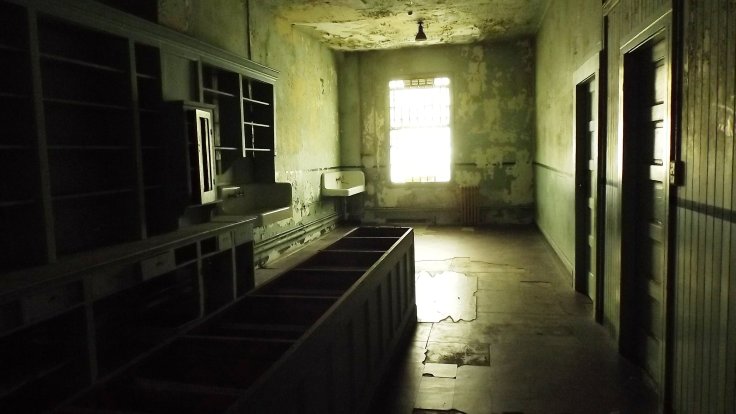
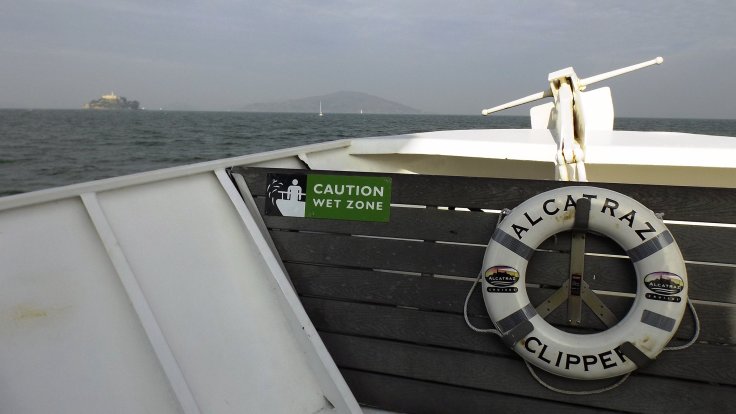
The cruise ship leaves from the famous and iconic Fisherman’s Wharf every 30 minutes or so and its 30 dollars to board which includes the ride there and your day on The Rock. I bought the tickets online and paid almost 20 dollars extra. So if you’re going to be in San Francisco a while look into getting the tickets from the Wharf instead of buying them online.

Alcatraz Island is now a national park. Once on the island, a park ranger gives everyone a superficially warm welcome and short presentation on safety, security and respecting the space. In 1964 after the area was declared government surplus land, there was an occupation by First Nation Americans, mainly students. Other sectors of the public were also in support of the indigenous population occupying the island, including the hippy movement of the bay area. The occupation seemed to gain traction, but with that traction, there were also other issues. More people decided to venture onto the island and join the protest. Eventually, Richard Oaks one of the original occupiers’ stepchildren, 13-year-old Yvonne Oaks, fell off the rocks on the island and to an untimely passing. This was regarded as one the catalysts in the island being turned into a national park and the tourist attraction it is today. Main objectives of the occupation included using the island to promote indigenous American culture including the implementation of a library and ecology centre, with its goal to employ indigenous Americans and preserve and acknowledge their culture. The island was occupied for somewhere around 19 months and was eventually ended by the police; it was believed to be a peaceful departure for the occupiers. It’s a little peculiar that this crucial part of Alcatraz’s history is given so little importance in the overall tour.
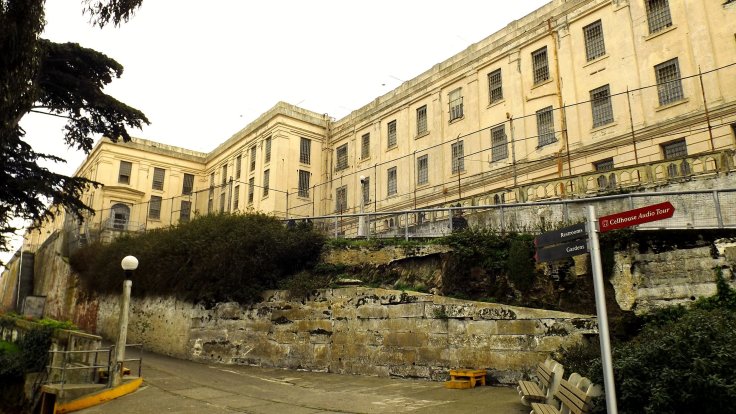
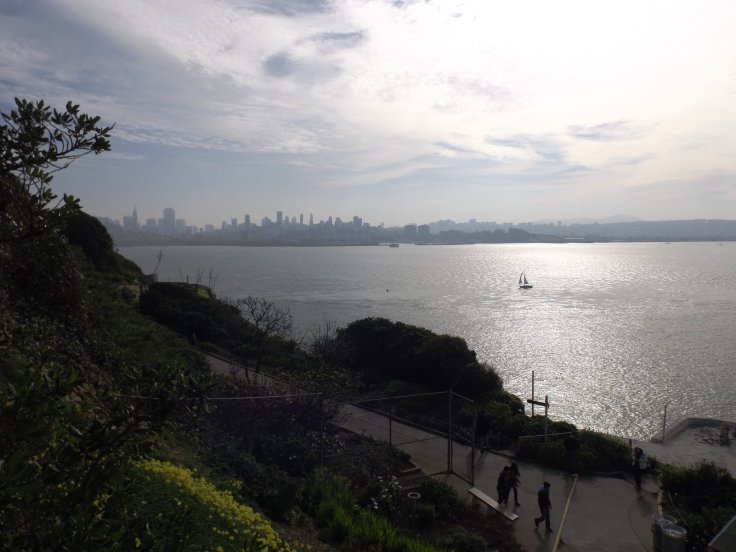
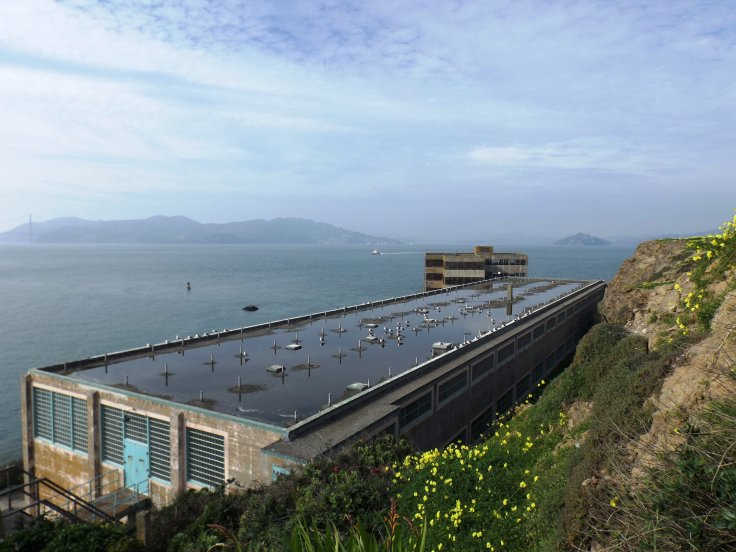
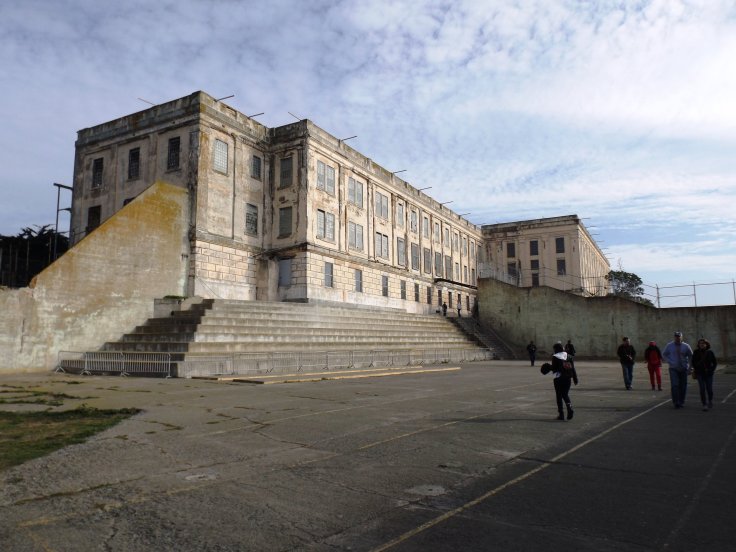
After the short tour it was time to explore the oppressive corridors, and cells where so many people spent their waking years behind bars. They have a full audio tour in the main cell block, with dialogue and narrative from old inmates and prison guards. The whole experience reeks of Hollywood. The emotion behind the escapade succeeded in creating moods of wretchedness. The breathtaking views coupled with the enduring, brutal and sombre narration left one with a feeling of hopelessness. Which was purposely packaged in gloominess, desolation, and longing? I suppose that’s exactly what they wanted to achieve and the sentimentality worked at least on me. Hollywood brouhaha aside, Alcatraz is a place that can’t be ignored when delving into the darker aspects of American history.

It also showed the exact location and handmade mannequins of the three only prisoners to ever have successfully escaped from Alcatraz. It is still a mystery as to what exactly happened to those three prisoners and there is uncertainty whether they made it to the mainland of San Francisco, or drowned in the attempt to get there. The Pacific Ocean isn’t exactly toasty and their hand made raft could have possibly been riddled with holes, submerging the escapees before they managed to reach the mainland. However, this is merely speculation and the 3 could have very well made a daring escape and survived to tell the tale. I guess all we can do is use a little bit of imagination merged with fact when it comes to drawing conclusions on this matter. This still hasn’t stopped Clarence Anglin, John Anglin and Frank Morris from capturing Hollywood’s imagination in the 1979 film Escape from Alcatraz, starring Clint Eastwood as the leading role. Nevertheless, some historians believe the true mastermind of the escape was Allen West, who was considered to have conceived the entire plan but was unable to leave on the night of the escape due to his exit hole in his cell not being large enough for him to get through. He did eventually manage to leave yet the others had already left on the makeshift raft. The following day, remnants of the raft were found on the shores of Angel Island near San Francisco, this has led many to believe that the three escapees died from hypothermia instead of making it out of the frosty waters alive.
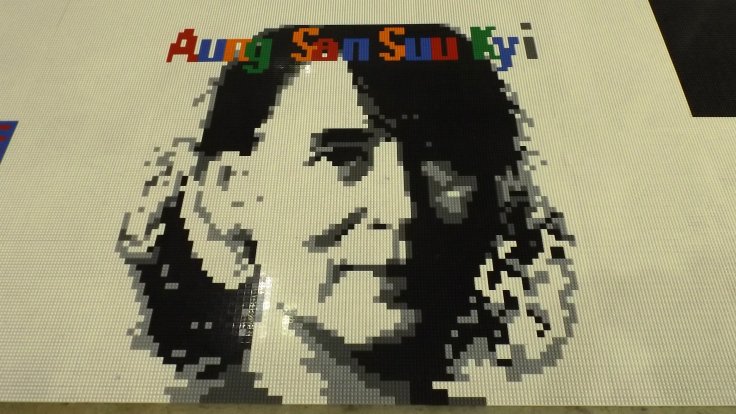
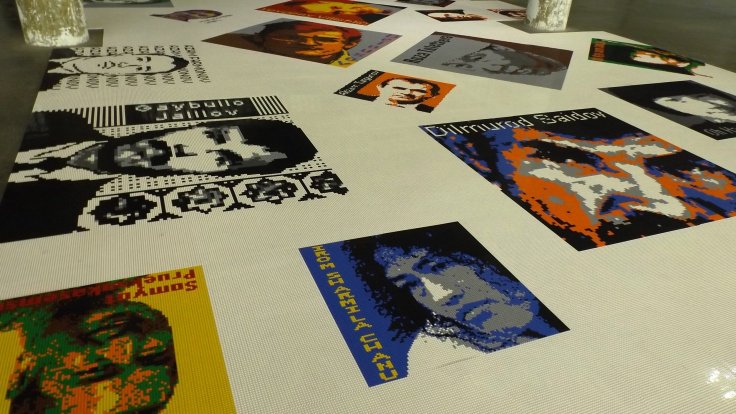
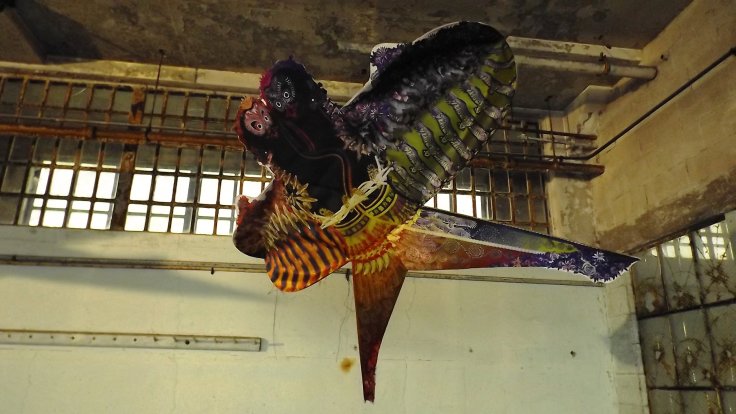
Alcatraz hosts art exhibitions and their work on display during my visit was by Ai Weiwei an artist from China, who lived in the United States from 1981 to 1993. Ironically during his time in America he became friends with Allen Ginsberg, a famous American Beat poet who spent time in the Bay area of San Francisco. Ai Weiwei’s father was also a prolific poet. In 2011, Weiwei was arrested at the Beijing Capital International Airport. He was later charged with tax evasion. Other charges were laid, claiming that Weiwei was involved in spreading pornography. He was soon put under house arrest. Although he is allowed to leave Beijing, he is still unable to travel outside of China. It is widely considered that all his misfortune with the law is due to his outspoken opinions on the Chinese government and their policies towards democracy and human rights abuse. The exhibition is presented in various locations on Alcatraz Island; some whereabouts have never been seen before by the public. One of my favourite Installations included the compilation of various audio samples from protest songs, chants, and sounds from all over the world. They are played back by tiny speakers in certain empty sells, and these particular sounds were created in the hope of conjuring emotive and desolate feelings about being incarcerated and the urgency behind revolution and solidarity. On display, there were giant murals made from Lego of various prominent political prisoners from both past and present including the obvious Nelson Mandela and Aung San Suu Kyi of Myanmar the latter was under house arrest for her candid political activism against the military regime of the infamous South East Asian country.
Visitors to the island also had the opportunity to write to various political prisoners who are locked up to this day because of their challenging political beliefs.
The murky clouds start to rise over the bay as the boat makes its way back to the mainland. Hordes of people are still waiting to board the next ferry. The isolation kicks in and no one really utters any words of optimism. Thoughts of incarceration fill the patron’s minds and no one is left with the sentiment that they will be returning anytime soon, no one is left with any kind of hope or joy. Only the whispers of the ghosts of Alcatraz utter any significant condolences as misery always loves company. Only the dead find any joy when people from all around the world come to visit them. Alcatraz Island is keeping their stories alive.
THE DONKEY MAN – KEEGAN HORN

 A Donkey’s Life
A Donkey’s Life

In the blink of an eye, wanderlust can grab the most resolute recluse by both hands, compelling them into a journey that transgresses time and space. The addiction of the road can become so intoxicatingly infinite, that it might seem that there is no end to the length of the journey. Around every corner a new escapade presents itself and life can become a series of sporadic moments, constant new experiences and perpetual newly acquainted individuals, people, places, ghosts, and shadows. Travel isn’t for everyone, yet once the urge and desire arise, it also can become a habit that is hard to kick.

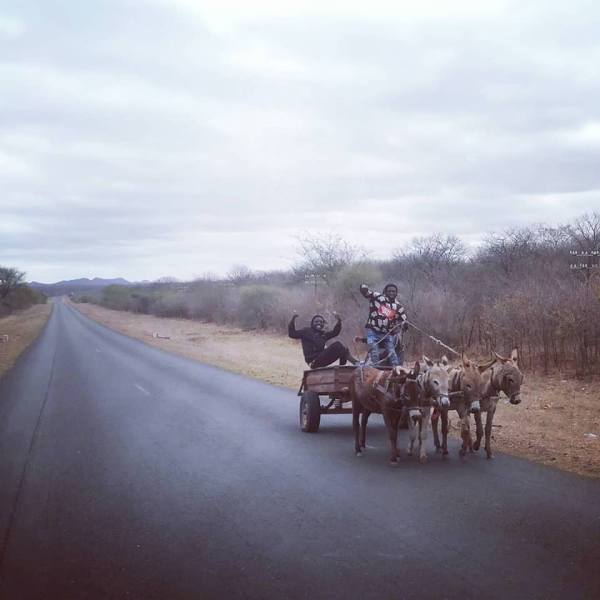
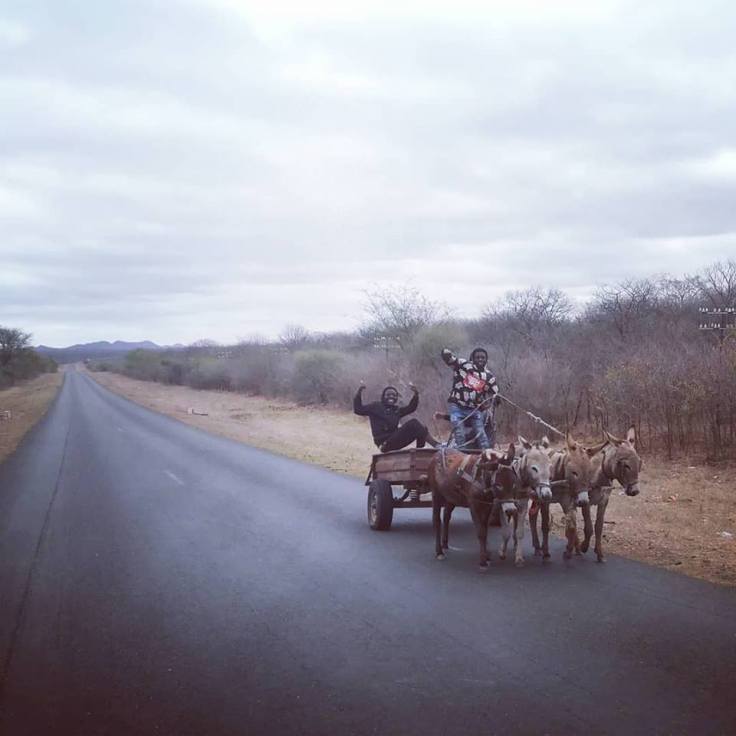
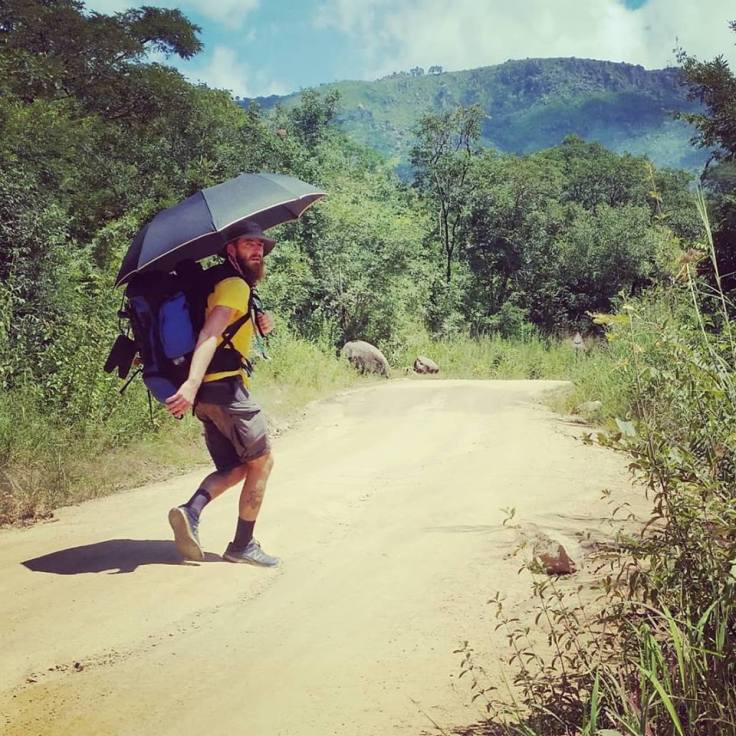
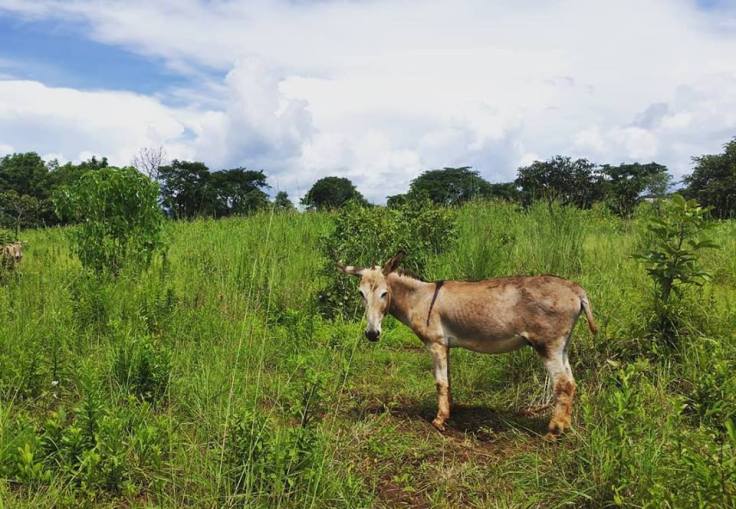
Keegan Horn left a successful job in the film industry to become a full-time traveller in aid of one of Africa’s, most unassuming, yet vitally important animals – the donkey. Some might argue that there are more pressing issues than gallivanting across a continent in support of an animal. Yet after a brief chat with this riotous voyager, one is reminded that the donkey also deserves a helping hand. Due to the animals’ modest nature, there isn’t as much support for the plight of donkeys across Africa, Keegan is on a fundraising mission to lend this helping hand. We caught up with the traveller, while he’s been volunteering in Tanzania.

Email: donkeyslifeafrica@gmail.com

Make a donation: http://www.mareszim.org/

Visit: Matabeleland Animal Rescue & Equine Sanctuary

Firstly, please can you give me your name, age and what you do for a living?

My name is Keegan Horn, I am 30 years of age and I am a full-time traveller now. My work is raising funds for a donkey sanctuary, MARES in Zimbabwe, Bulawayo.

You have been traveling through Africa, over the last few months; to save the donkey, tell us a bit about how you are achieving this?

It’s been a challenging task trying to raise funds, using only the Internet and word of mouth, unless you are a marketing wizard. Sometimes you get lucky or people find your content very interesting. My goal is to raise 4000$ US dollars and the way I go about this is utilising social media platforms such as Facebook, Instagram and a website. I talk to a lot of people on the way and see how they are contributing in their own ways in different countries. I post on these platforms roughly once a week on how far I travel using an app called Strava, and I write small stories about the things that happen in my daily life. Traveling by foot and bicycle and always taking alternative routes to keep it exciting.

Why specifically the donkey, as there are many other causes, what attracted you to this unassuming animal?

I wanted to do something for a good cause and I was doing research on the Internet and talking to people. I realised that many of the endangered animals had organisations and have funding and have money being put towards the safety and protection of these poor creatures. At this time I was working in a restaurant in the Eastern Cape. We were being supplied cheese from a goat farm. I was fetching the cheese directly from the farm. On the farm, there were a few donkeys in which I became acquainted with. After getting to know them, and their stories my heart was sore. I realised there is an issue worldwide with donkeys being abused due to lack of knowledge, and just pure cruelty. Then I discovered a grave problem of abattoirs opening up all over Africa for a ”medicine” the Chinese make using the gel underneath the hide of the donkey. So I thought we need to raise awareness and think of a way to preserve an animal that works very hard for our people and stop allowing others to keep pilfering our resources.

Tell us a bit about where you have been so far, and what kind of challenges come with this kind of undertaking?

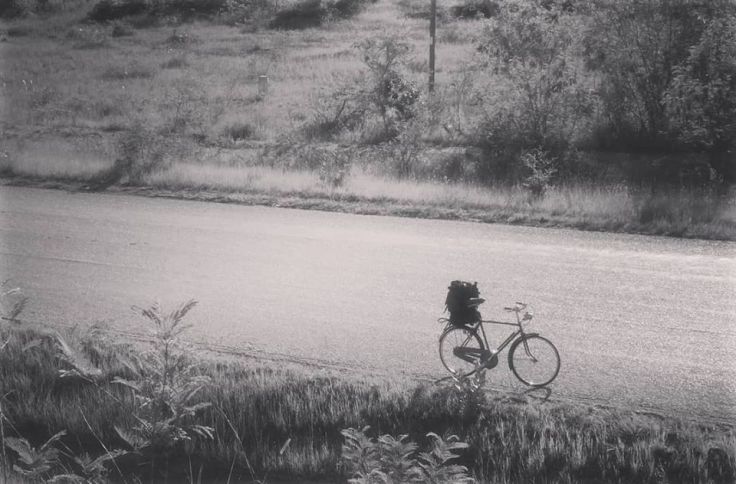
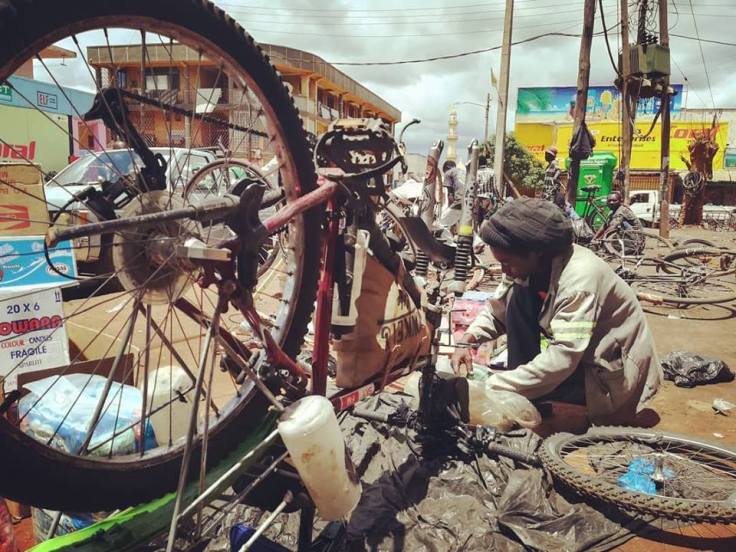
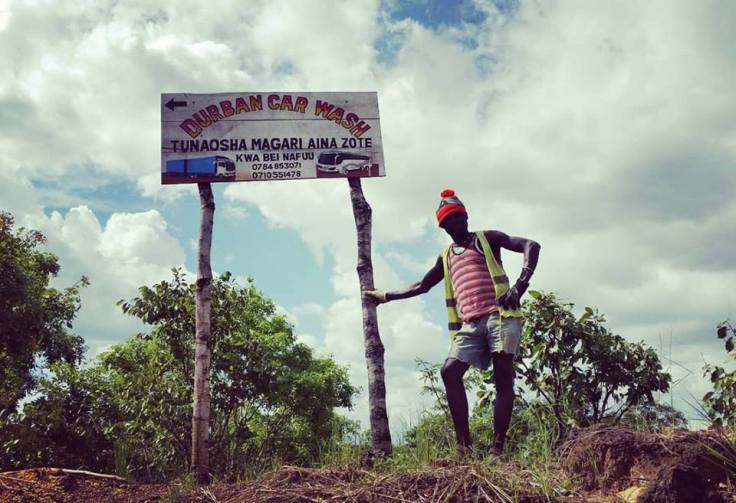
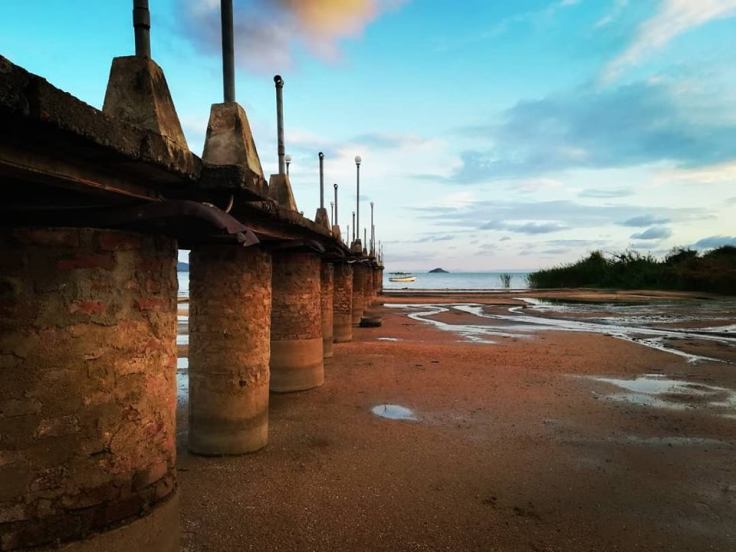
I started in South Africa in a small town called Bathurst, Eastern Cape. I walked across the wild coast up to Bulwer, KwaZulu-Natal. I was sponsored a bicycle by a good friend of mine because she was tired of me going so slow. I then rode into Lesotho through Sani-Pass and back into South Africa into the Free State, then Mpumalanga up to Limpopo crossing into Zimbabwe (Beit Bridge) to Victoria Falls and into Zambia, then Malawi from the south towards Mzuzu in the North. I then started walking again after selling my bicycle. I left Mzuzu, walked to Lake Malawi, crossed the lake to Mbamba bay in Tanzania, then I walked to the Indian Ocean on a pretty straight path eastward. In Lindi on the coast I then bought another cheap bicycle and made my way north. So far the road and people have been so good to me. There are many challenges every day. You use a lot of energy and you need a lot of energy. Living on the road on a tight budget makes you quite easy going. You will eat and drink anything because you are just so happy to get more energy. Your body has its limits which I have learned on the road. When you travel long distances and you get tired and the distances are long between places which results in a tendency to push yourself “if I go just a little further it will be easier tomorrow”. I think anyone can do this; they just have to want to. Some of the issues are equipment breaking during the ride or sometimes it’s your leg that hurts. I got shin splints on the road and then after that, I was scared it could happen again. Other issues can be that you are not getting enough nutrition during the journey because you are in places that are scarce on resources, especially in more remote areas. It’s always exciting to see how things will change on the journey. At times people would warn me that it’s going to get dangerous the further I go, but it is always nothing as they say. But fear becomes less of a thing in this form of travel. Since I have started I have had no bad experiences with people. Once in Zambia, I was told not to sleep in the forest because someone had been murdered there, so I made a different plan.

Tell us about Africa and how people have treated you on your journey so far?

Africa is a unique and beautiful place with a kaleidoscope of cultures, languages, and food. I have learned a lot since I have started, like how to appreciate small things, for example, every drop of water is vital, and to take it easy because life is too short to worry all the time. The people have been so good to me. Feeding me when I am out in the sticks, even when they have so little, they have shown me short cuts on the route, letting me sleep in their gardens or houses. People here are still purer than places more ‘developed’. Wherever you go, even if its 10kms, things change so you have to adapt. Generalising is difficult because of this diversity, but Africa so far has been a gem to me. I have appreciated the way I have been looked after.

How is the fundraising going and how can people get involved?

The fundraising has not gone so well. We have currently made about R5000 so far, but are still hoping for the best. Our goal is 4000$ US Dollars. We really want to kick-start this community project “MARES” (Matabeleland Animal Rescue and Equine Centre) in Bulawayo, Zimbabwe. People can follow me on Instagram, Facebook and there are links there for the donation, so help out and share the page.

You have you been traveling for quite some time now and when do you think this mammoth journey will end, where is the last destination?

I want to arrive in Morocco and I am thinking one more year.

Any advice for those thinking of doing similar things?

Go for it. The world has a lot to offer. You will find out in very little time what the necessities are.

So what gave you the idea to do something like this in the first place?

Truly I just wanted to give back somehow.

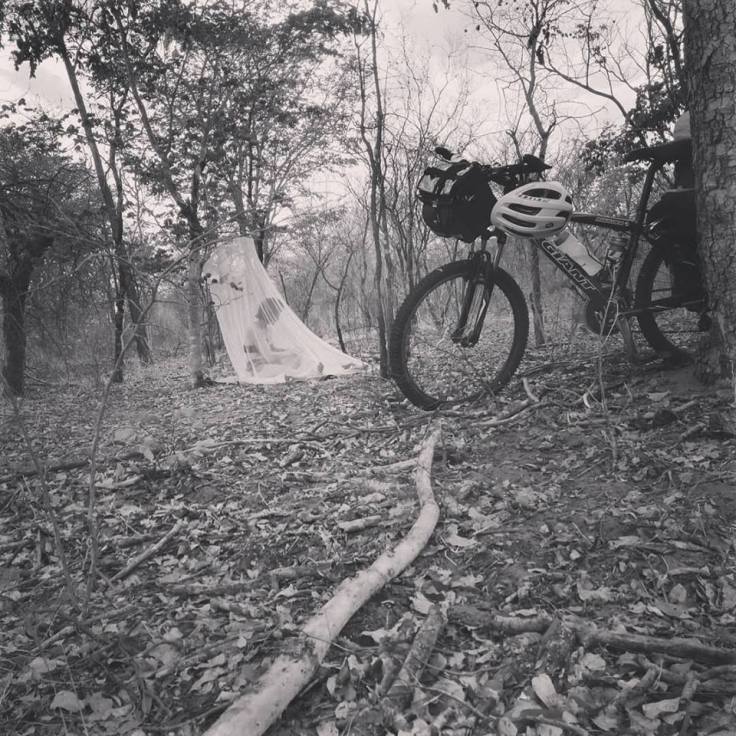
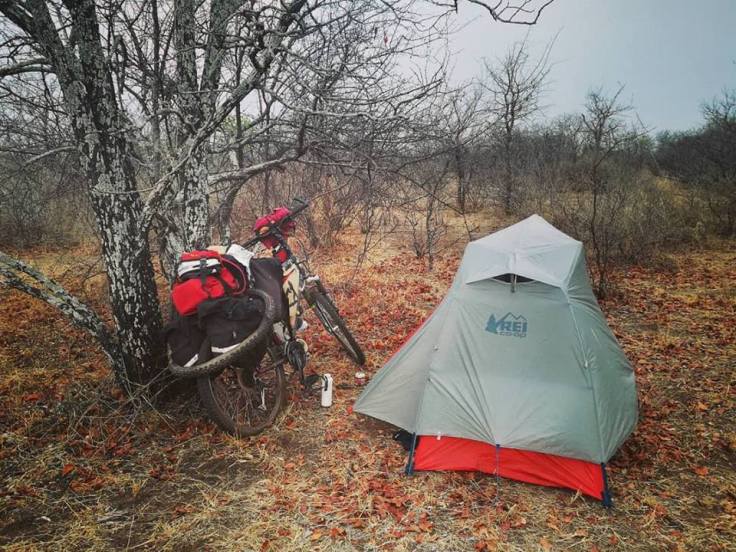
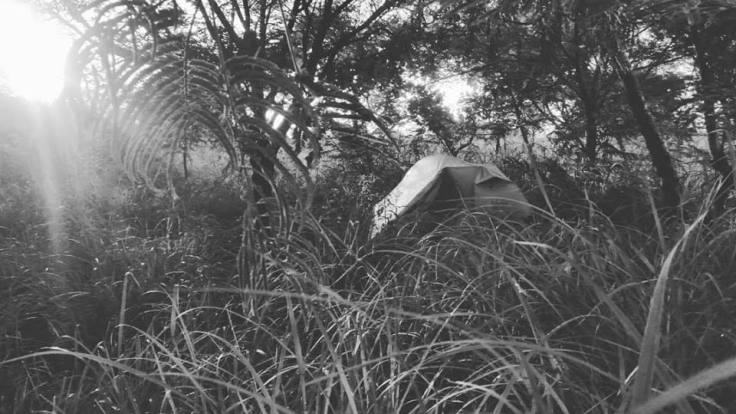
I see you have been on foot mainly and sleeping in tents, has this not been a somewhat terrifying experience, also how is it to travel alone?

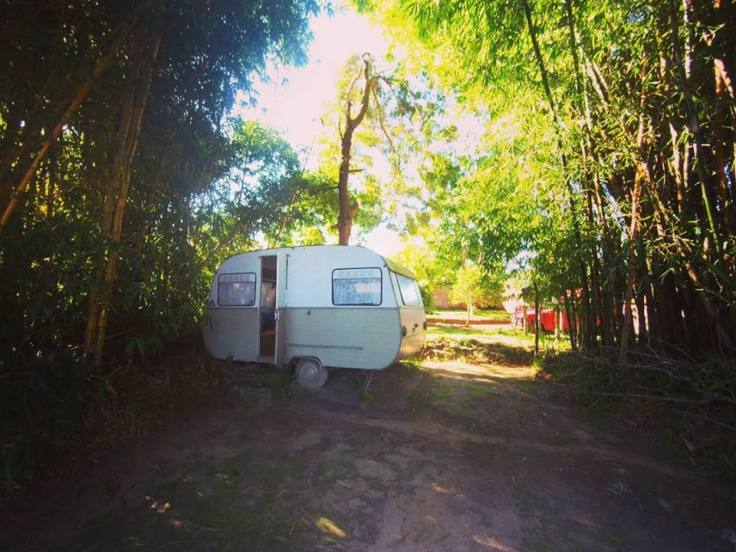
 Tent Life
Tent Life

Traveling alone is great, you are able to make decisions on hand and be very spontaneous. It has been scary at times, but when it gets scary and you are alone, you can’t just call your mom to come to get you – unless your family is in the helicopter business. You adopt a technique, well I have, and you just breathe and let things flow. Whatever happens, you have to embrace everything with open arms.

So you have been traveling by foot and bicycle, what has that been like?

Yes, I like to mix it up and try different things. Walking and riding are so different exercise wise. Walking is tough. You can’t go as far and when you finished at the end of the day you just want to lie down and you don’t care where. You eat and drink a lot more and your legs get skinny and toned. With cycling, it’s a lot, breezier. You can freewheel and when you arrive somewhere you have a free ride all over. I really love riding but walking teaches you valuable lessons, like to be patient, and how lucky we are to have the things we do.

Where are you now?

I am in Tanzania, a super beautiful country. I am on route to Arusha.

Anything else to add, please do?

I really want to thank all the people who have helped me with this cause during the journey so far, your funds and kindness have been greatly appreciated. I just realised the smaller things are so important. Just be nice, it really does go a long way. I always think of how I can help others. I meet so many people that it would be impossible to help everyone. But in a subtle way, we can all help each other just by respecting each other and giving each other the time of day. “Love is a state of being” – Eckhart Tolle.

Keegan is currently in Arusha, Tanzania at the Society for the Protection of Animals (ASPA) volunteering at an animal protection unit specialising with donkeys. Keegan has been traveling for just over a year, with his last destination being Morocco.

IMAGES BY – KEEGAN HORN

BCUC AND SAUL WILLIAMS – MUSIC VIDEO

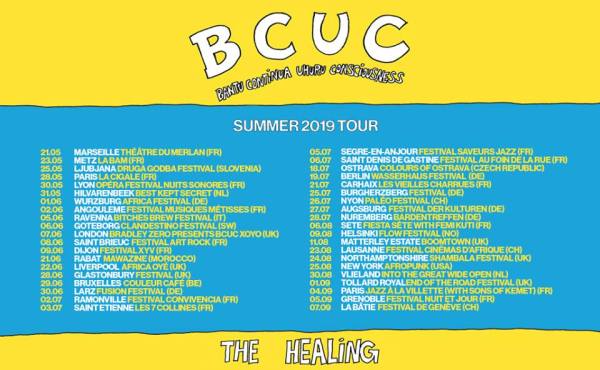
BCUC, have been making an enormous impact on the music industry over the last few years. This has led to massive shows and epic tours all over the world. They have just finished recording their second album in Paris, France. Check out their collaboration with one of the poetry world’s most distinct voices – Saul Williams in the video below. They are also about embark on a mega tour throughout various locations in Africa, Europe and North America. All dates above. – AwehOnline…

ROCKING IN THE FREE-SPACE

WORDS BY MINIMAL_MYSTIC

FREESPACE CULTURAL HAVEN : ADM

Hidden somewhere beneath the collective city subconscious,beyond the shadow of the liminal spaces and places we think of as boundaries, there lie the antithesis to the system of dependence and loss of sovereignty. These are ‘Free Havens’ or ‘Cultural FreeSpaces’. Beyond the fringe, where communities, projects and action groups gather, connect, experiment and commune towards common purpose and under autonomous self governance. FreeSpaces, where freedom is the currency and expression of the self is not a thing to explain or make apologies for.

Anarchy in Action.

Democracy(direct) in Action

 Source:  https://www.facebook.com/groups/WEareADM/
Source: https://www.facebook.com/groups/WEareADM/

Free thought havens for those rebels who wish to see themselves contribute as little as possible to the ‘System’ and find-force a new and different set of social codes, and in this way clear the pathway towards whatever our next governance systems will be, whether its completely decentralized, or city states or on continental nodes.

 Art in the toilet of ADM
Art in the toilet of ADM

A free cultural space is a topographically open space, whether located in a landscape or structure, a Freiraum (German: “free space”) that sustains countercultural values and traditions, such as happenings, pop-up festivals, gatherings and squatting movements (Waalwijk, 2016)

Free space is the breathing space of the city. Free space actually questions the applicable principles. It shows unseen possibilities and makes social unusual practices visible. It is about the space in your head, a space without logos, slogans or dull revenue models. An allotment garden is a green making space, organized collectively. A free-space is an active living workplace with an alternative program. An experimental place for new forms of collaboration and personal responsibility. The practice of free-space in the city shows that alternatives are possible. That change is possible

https://www.trespass.network/?p=1454&lang=en
 Toilet Art ( anarchist hub MKZ Overtoom)
Toilet Art ( anarchist hub MKZ Overtoom)

History is rich with tales of the Zapatista (RATM’s ‘People of the Sun’), ‘FreeTown’ Christiania in Denmark (see how the self governance system works), and the squat culture of Berlin , from La ZAD (read about the successful defence of land and permanent autonomous community ) to Ruikgoord . These spaces created generational frameworks, maintained hope in crumbling times and inspired generations of dreamers and defenders, to be themselves in a conforming society. ADM, one of the more renowned squats of Amsterdam, stands among these giants, having been host to hundreds of artists, families, dreamers and healers all finding a place in the crazy world that, for them at least, made perfect sense. Creating a Utopia

These venues offer prospective spaces for experimentation, selfdiscovery
and different forms of learning/re-skilling, which in turn provide inspirational models
to learn from as artists, cultural workers, or art educators committed to imagining micro-utopias
through politically and socially engaged art. Free cultural spaces that emerge from autonomous
movements offer frameworks for collective creativity, carving out spaces for freedom of
expression.

As cities face crucial issues directly related to gentrification, reduction of public or
free spaces, and an increase in state and corporate surveillance and control, how can artists
cultivate strategies for freedom of expression through autonomous ways of living and working?

(Ultimately, the question being asked is..)

What is the relationship between autonomous spaces, communalising and freedom of
expression?

— crir.net/Img2018/Tina_Carlisi_Free%20Cultural%20Spaces.pdf
 An unregulated self organizing space, here is also the basics of Home
An unregulated self organizing space, here is also the basics of Home
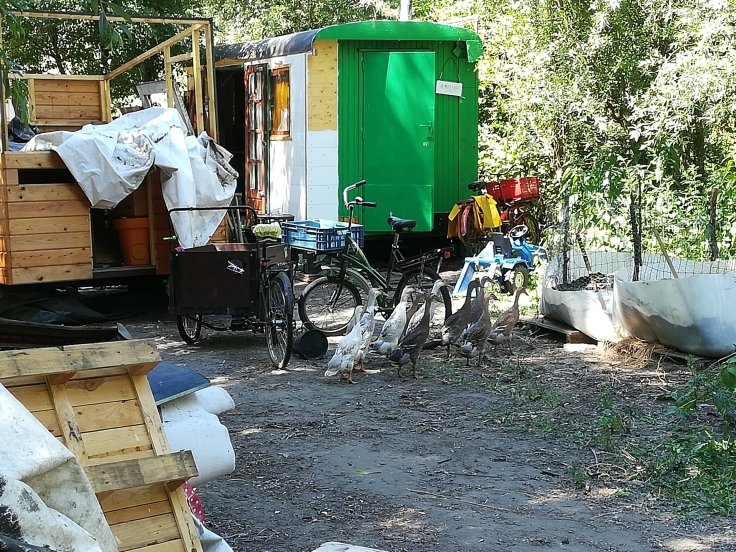
 Neighbours included this noisy bunch
Neighbours included this noisy bunch

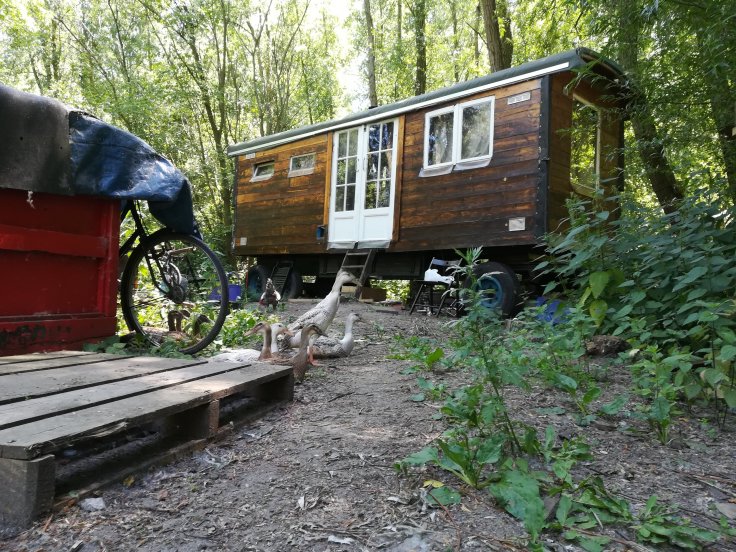
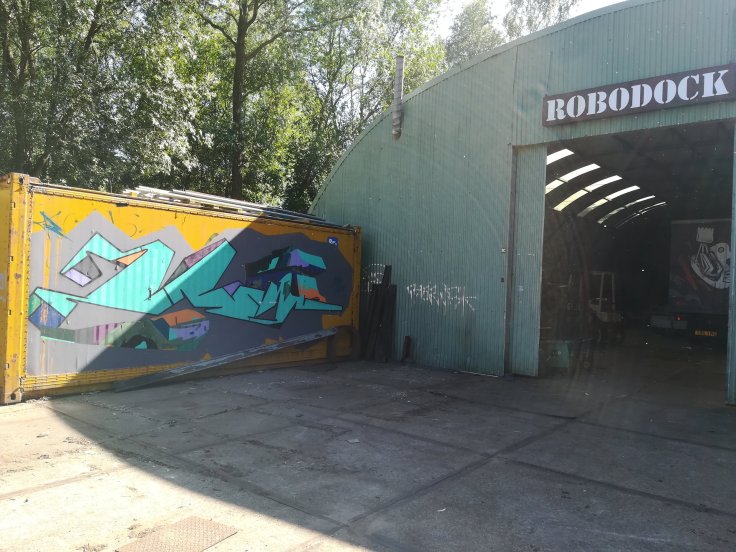
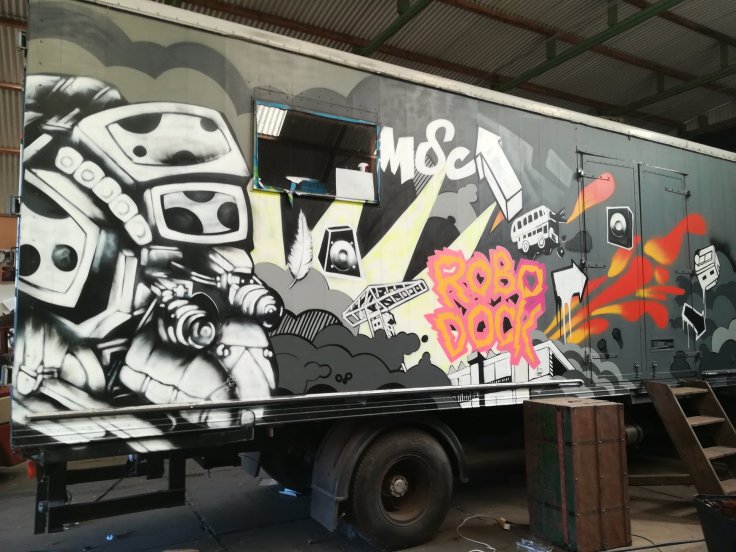
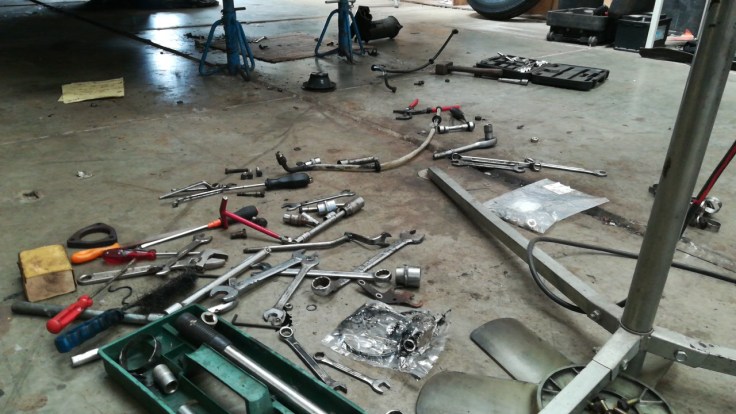
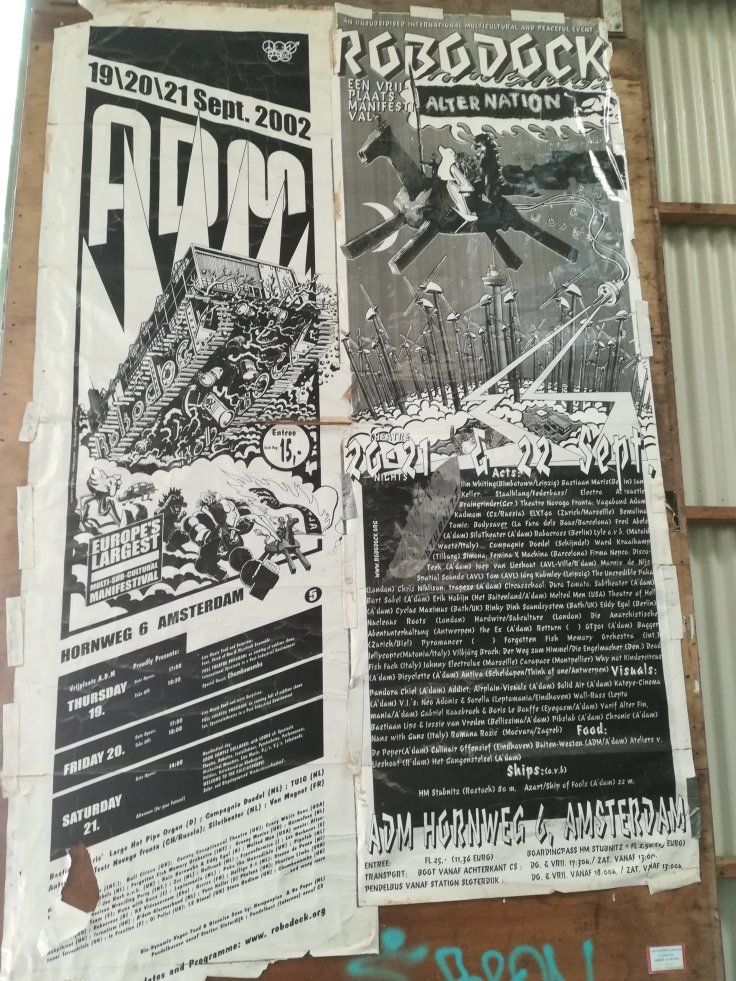
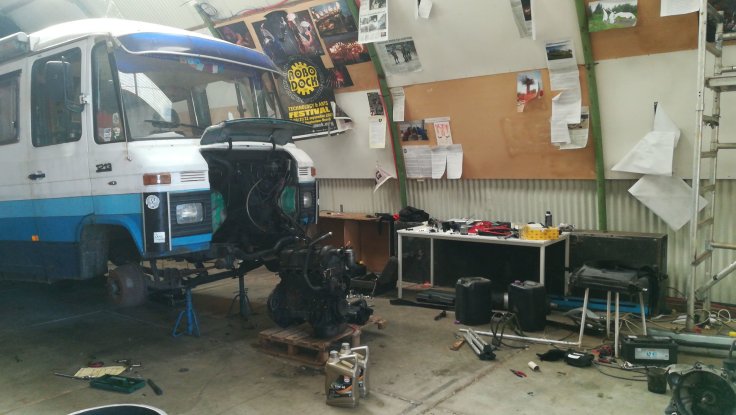
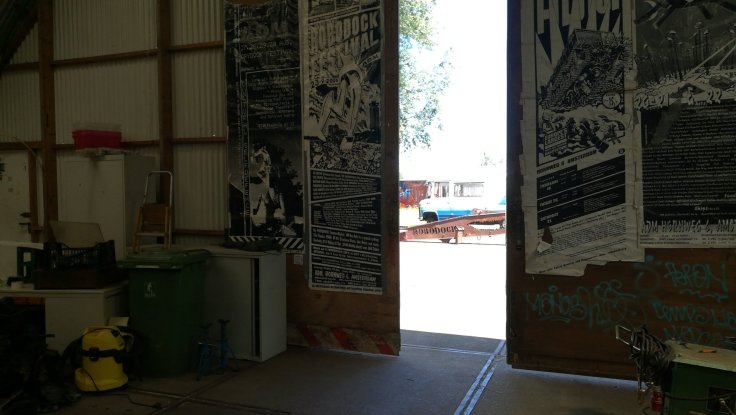
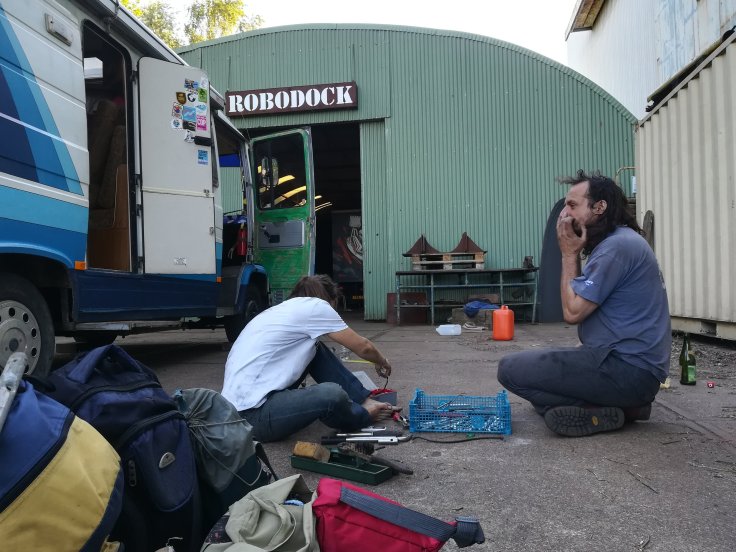
I was fortunate enough to spend a few weeks in ADM in the summer of 2018, where I got to step beyond the rhetoric and learn the rhythm of the life there. I was there to fix a vehicle (first time for everything, right?) and got to use the infamous RoboDock space (read about RoboDock and the creative response to gentrification that was ADM)

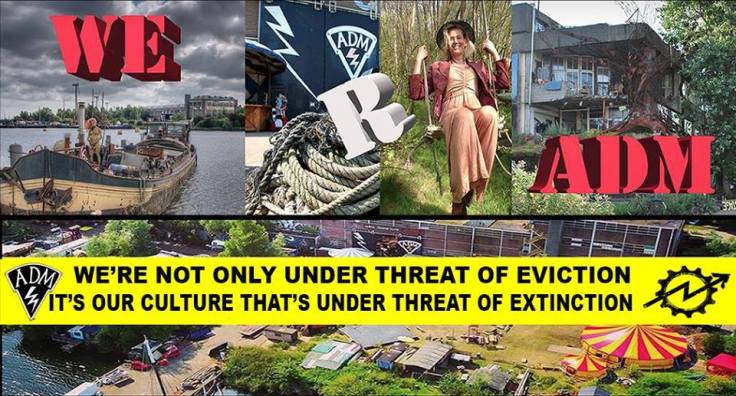
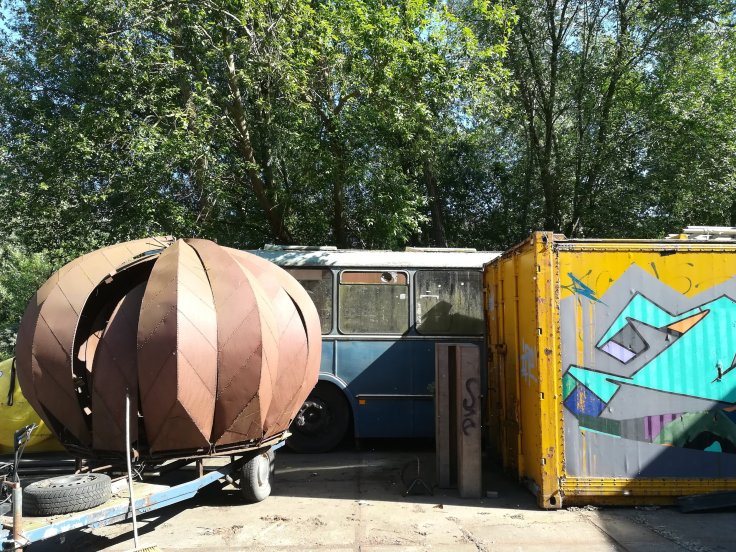
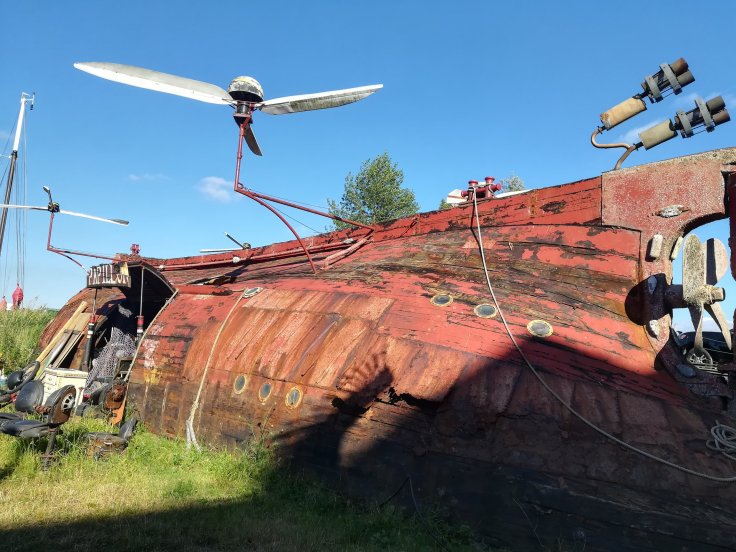
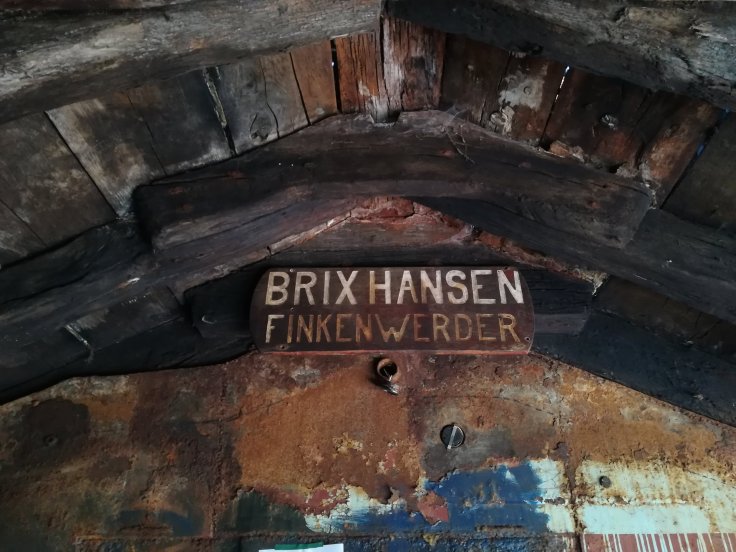
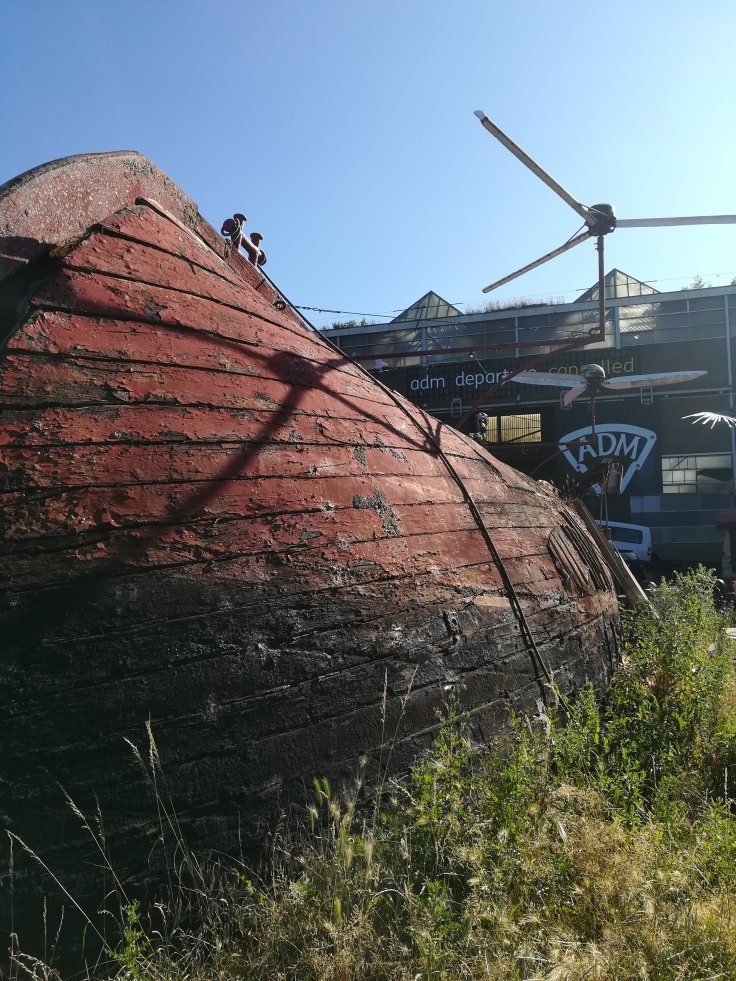
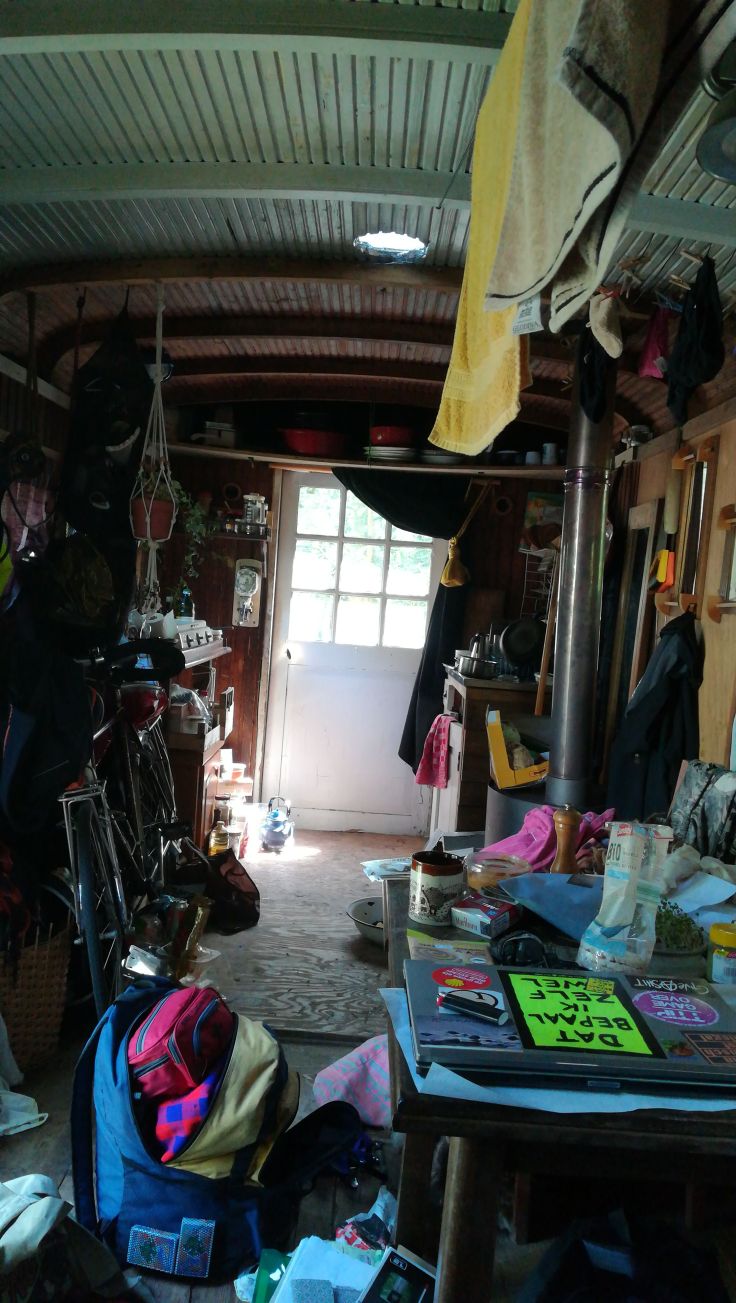
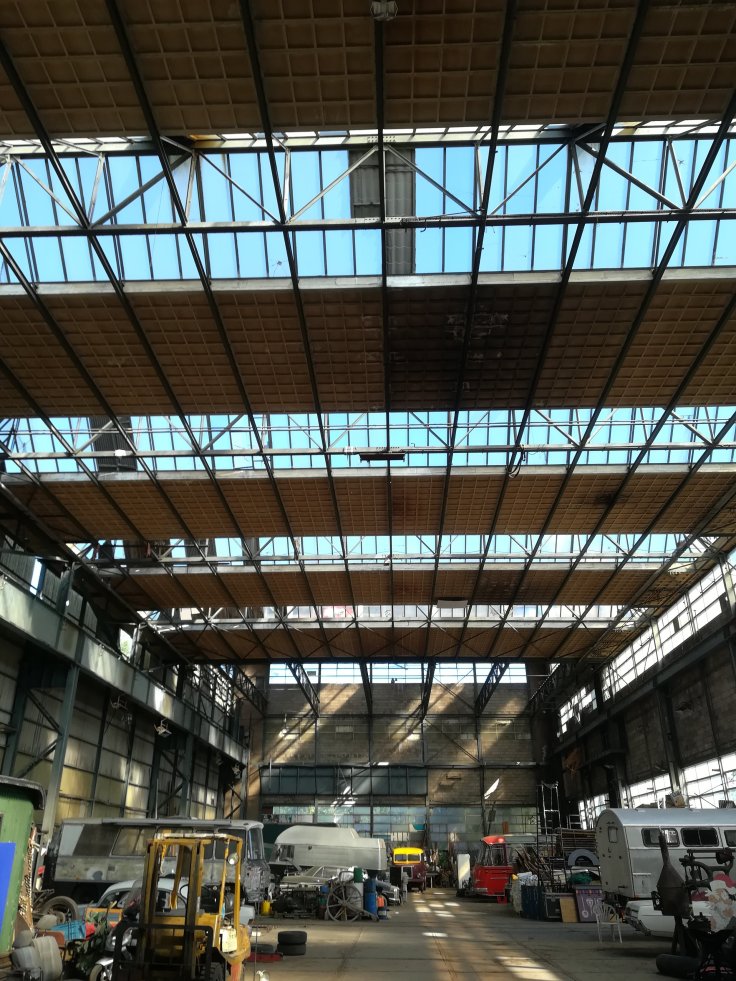
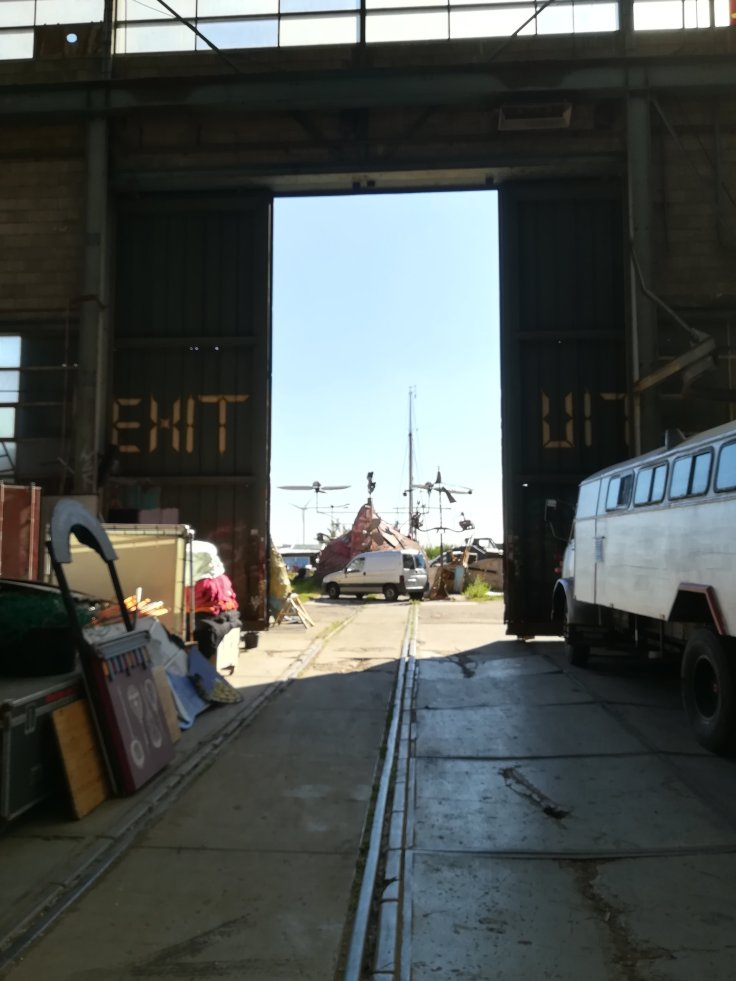
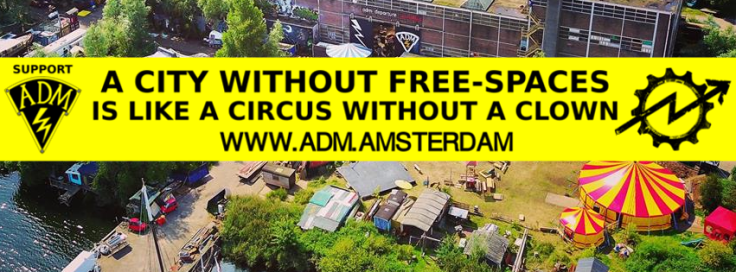
ADM was a special place in the world, situated on the outskirts of Amsterdam in the industrial harbour area north of the city center. It was abandoned and subsequently squatted in the 90s. Around the families and artisans that gathered there since then, the space became a haven for free -thinkers, a laboratory for the metal- and fire-artists that congregated, gardeners and anarchists living with children and the circus folk. The ADM space was known to be a collection point for creators to make and shape beyond the need for capital as the incentive, as well as providing a base for the struggles against gentrification

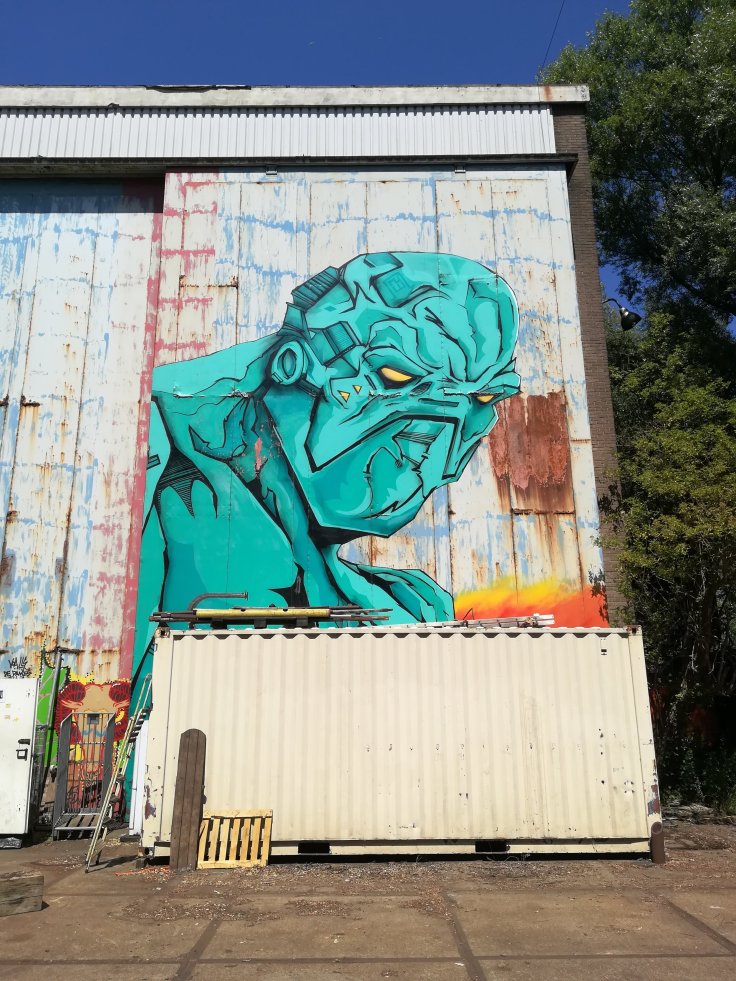
 Just one of the many art pieces that adorned the corners and centers of ADM
Just one of the many art pieces that adorned the corners and centers of ADM
 Everyday was AfrikaBurn
Everyday was AfrikaBurn
 You know you are in Amsterdam…..
You know you are in Amsterdam…..

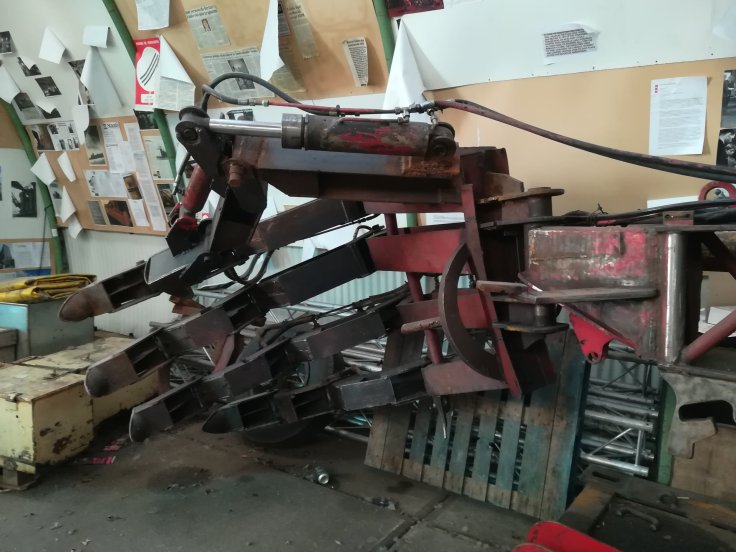
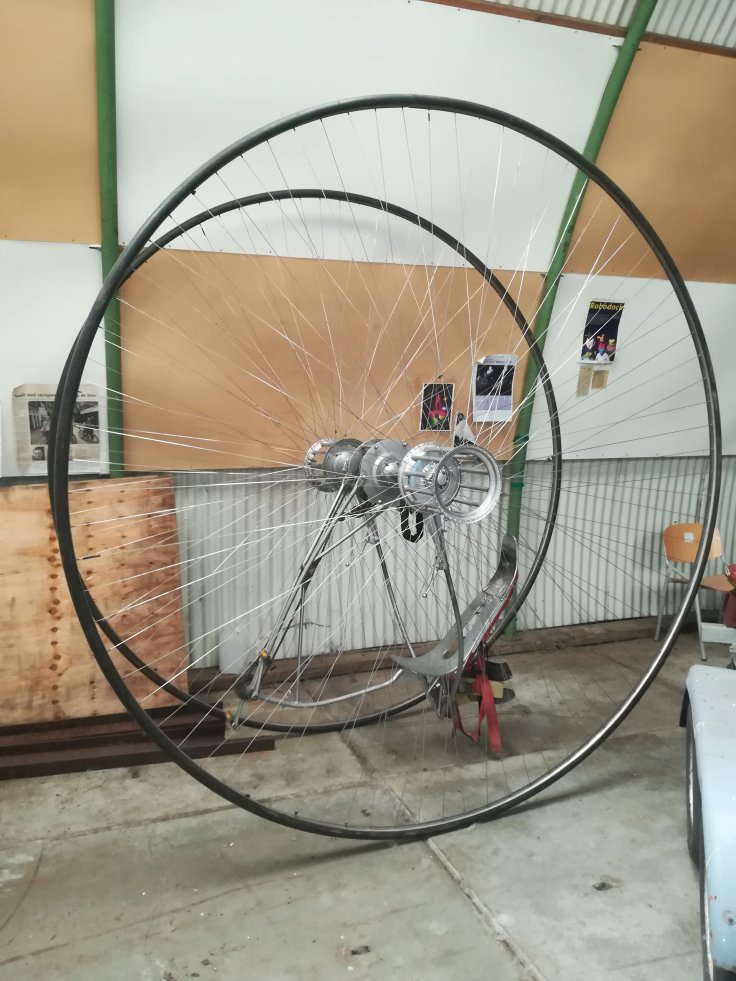
Besides the amazing sculptures, murals, mutant vehicles and amazing architecture, the space has hosted festivals, parties, symposiums, concerts and every other kind of communalisation. The space became synonymous with the advancement of the circus theme, using robotics and fire displays. The freedom held in place through that front gate made space for so many to meet, mingle, make and master artforms, the most common being the art of being free.

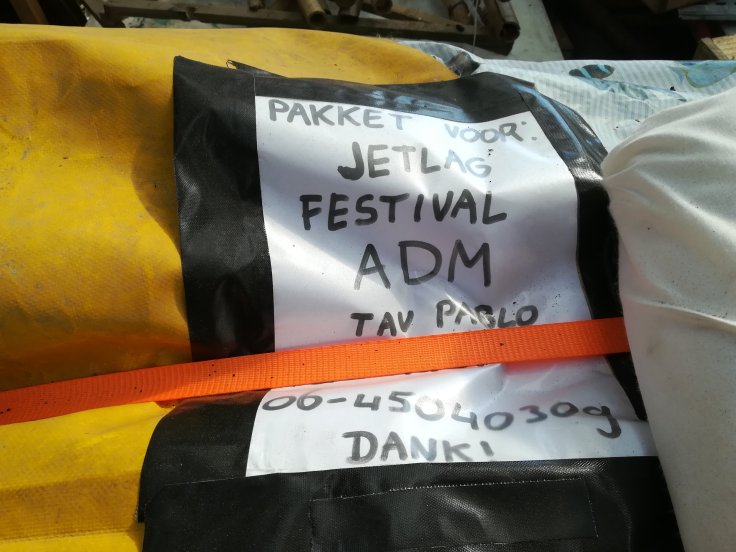
 JetLag Festival was one of the highlights of the annual culture program of ADM
JetLag Festival was one of the highlights of the annual culture program of ADM

Check out Lora’s video that explores some of the history of ADM, and documents the arrival of the Ship of Fools project for ADM’s birthday party

I found a small knit community defiant and proud of the life they had defended for so long. For them, ADM was the dream manifested, not an investment in some theoretical future. Magic is of course always in the moment, and my time at ADM was filled with magical moments and people, mostly highly skilled and compensated artists and artisans who preferred to live in the shadows of Society, according to their own rules and in the belief that it is always possible and indeed necessary, to write another story.

 Home to humans and beyond
Home to humans and beyond
 Without the ADM crew, we would have never fixed our vehicle
Without the ADM crew, we would have never fixed our vehicle
 Seriously larger than life art
Seriously larger than life art

I chatted to some of the residents, many of them key people who helped establish and defend the space, competent people and crazy people, living a not always comfortable life yet being free or having some freedom and autonomy. Though we were all unaware of what would unfold in the coming 6 months, we spoke candidly about the threat of eviction, what they planned to do, and what had made ADM such a significant occupied space for so many. These people had the bravery of an idiot, drawing a line and defending what they loved, living their life according to their individual beat, yet marching together as one community. They proved, over decades, that this was not only possible, it could provide the container for genius and expression to emerge as a natural consequence.

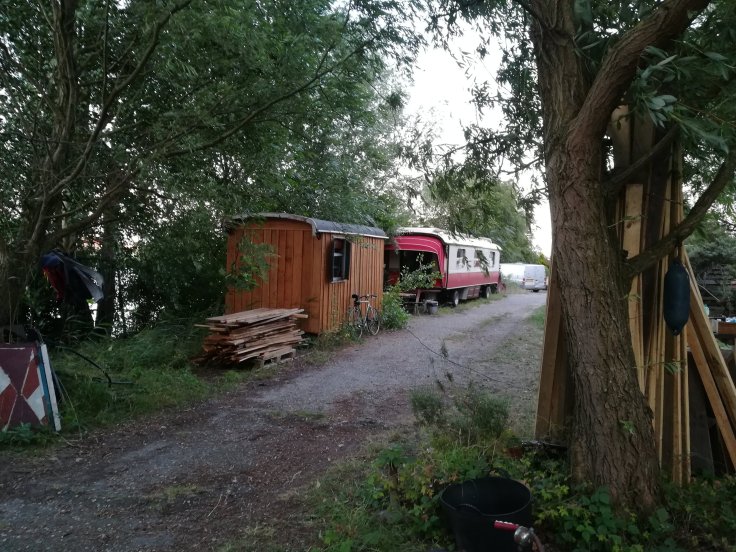
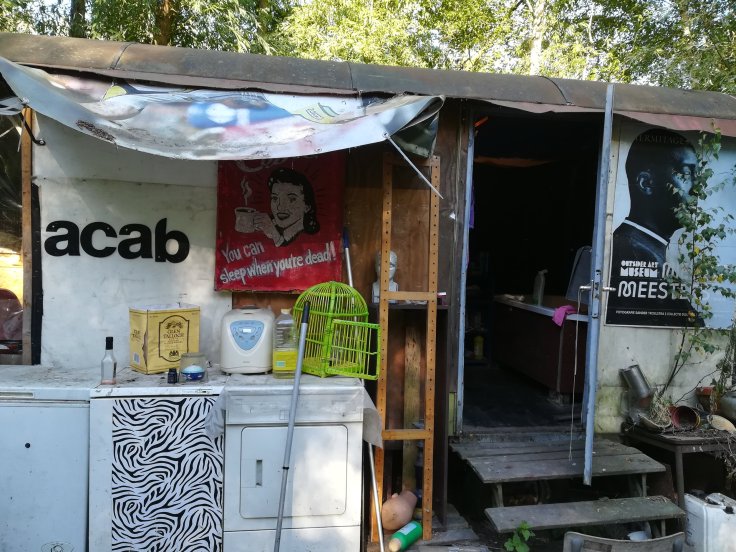
 Wagon Life on the edges of the city
Wagon Life on the edges of the city
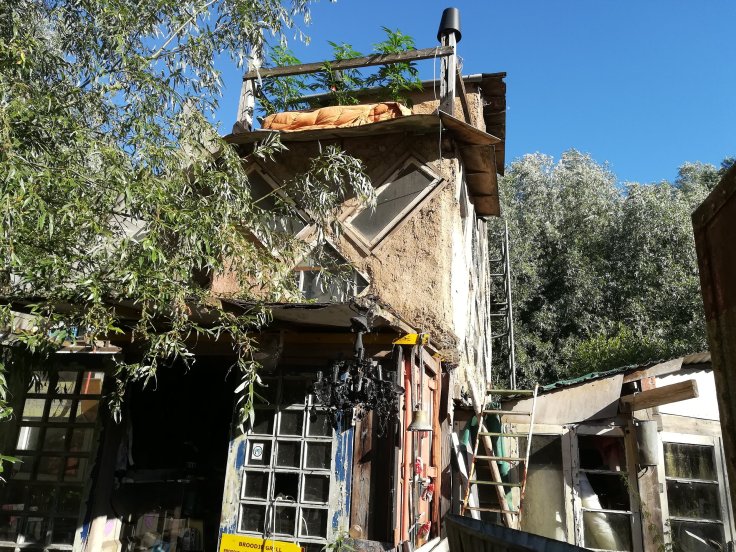
 Visionary spaces, here a communal kitchen space and sleeping quarters made from earth and shipping containers
Visionary spaces, here a communal kitchen space and sleeping quarters made from earth and shipping containers
 One of the communal kitchen areas
One of the communal kitchen areas

Stress and challenges often galvanize communities, yet in ADM there’s two sides to that coin. Firstly, the daily life has a cloud of potential violence and the impending eviction looming overhead. Like many other zones to be defended ( Hambi Forst and the resistance treehouses is a very viral example), this tension dominates and intoxicates. And still, the ADM crew has a long history of defending and winning, the flagship being the 1998 demolition aborted. A huge machine started demolishing part of the main building while there were people still inside, and the ADM home crew ran to shut down the machine and eject the eviction team.

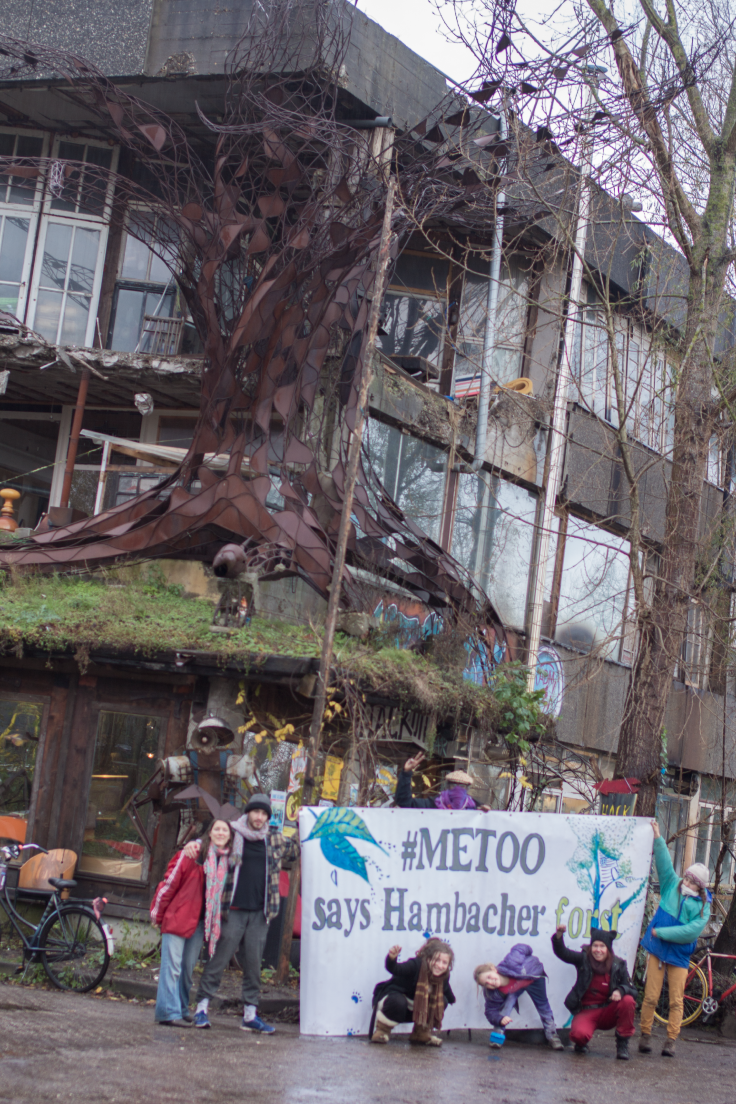
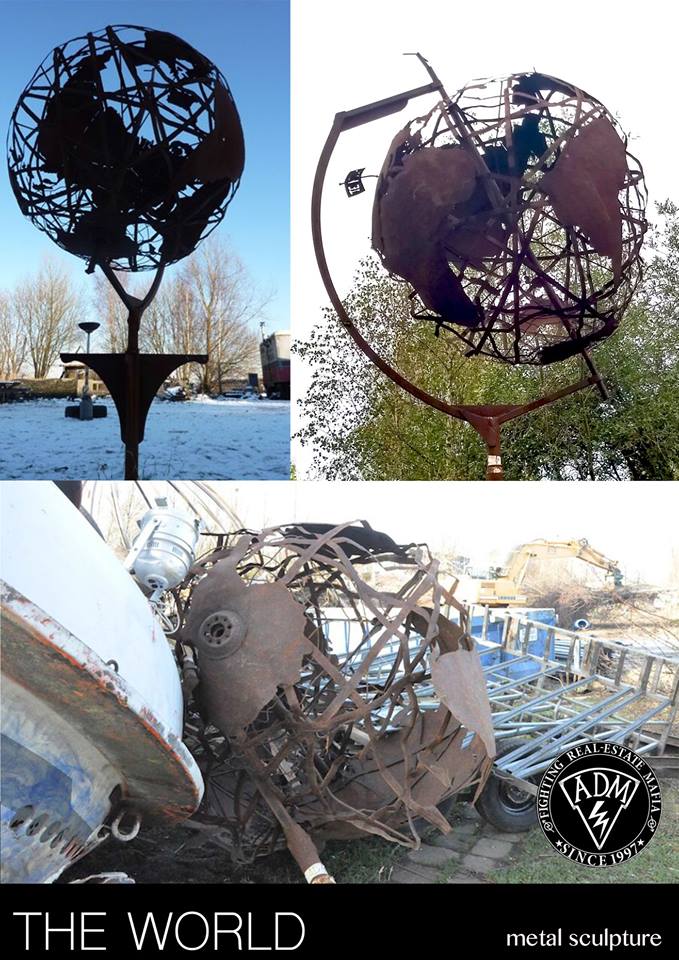
That building was lovely re-crafted and reoccupied, and became one of the central spaces of ADM, with an amazing metal tree growing out of the wounds to symbolize the tenacity of the human spirit of resistance and the search for justice. In so many ways, this tree represented the gutsy and grimy grasp that this community had on the psyche of Amsterdam. Metal, forged in fire,shaped and strong, conductive, reflective, fragile and functional, a bold statement to the world that out of the ashes of repression, beauty can and does emerge.

 Solidarity Action : Hambi Forst photo @elffindepelffin
Solidarity Action : Hambi Forst photo @elffindepelffin

I didn’t realise that last time I closed the front gate, that that would be the last time I would be there. Casting back, I’m filled with gratitude for having spent some time at such a legendary space, and grateful to all those people who never gave up, who innovated and fought to save one space, as a means to secure freedom for all. My time at ADM brought me new skills, a new sense of hope and a firmer belief that when people come together as sovereign individuals and are empowered, impossible is nothing!!!

 The Main Workshop
The Main Workshop
 Looking onto Papillion
Looking onto Papillion

In the dark of winter they finally arrived. The eviction of ADM (full timeline of eviction : https://www.indymedia.nl/node/45111 ).

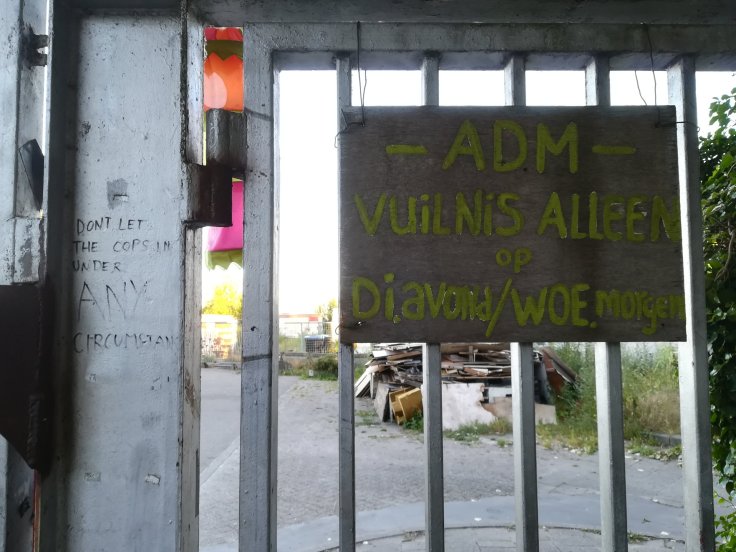
 The Front Gate of ADM
The Front Gate of ADM

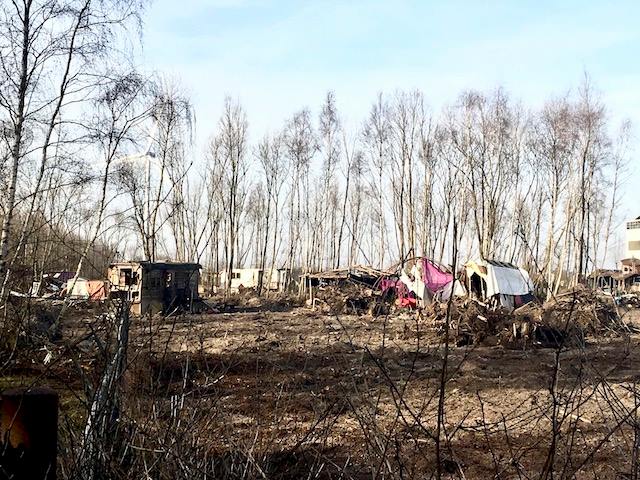
Like a thief in the night, the forces of greed and violence slipped behind the fences of one of these last Cultural Free Spaces in Amsterdam. Ignoring even a UN recommendation, the community of ADM in Westpoort, north of Amsterdam, was swiftly and violently evicted from their homes, many not having enough time to take out their equipment and possessions. One of the last of the truly FreeSpaces had its gates closed, and with that closes a story of resistance and growth and magic and mystery and wonder.

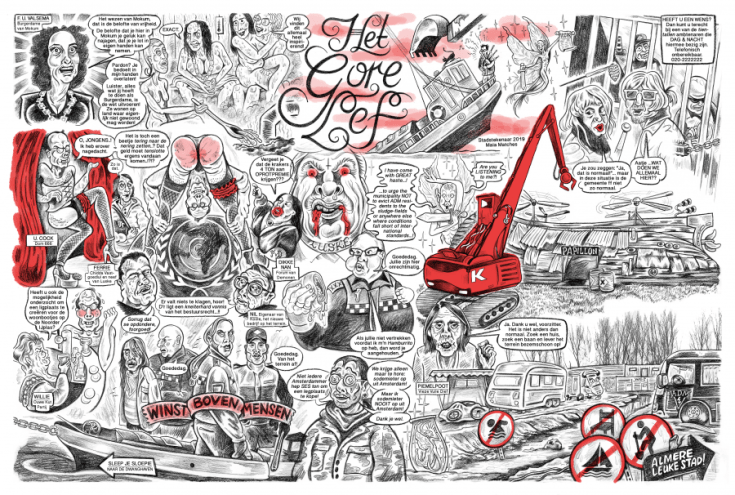
 Original Image: @Maia Matches. Original source   https://adm.amsterdam/article/het-gore-lef-audacity-cartoon-maia-matches-het-parool
Original Image: @Maia Matches. Original source https://adm.amsterdam/article/het-gore-lef-audacity-cartoon-maia-matches-het-parool

The people of ADM were given a ‘deal they couldn’t refuse’, which was actually a pretty shitty deal, if one could call it that :

To ease the pain the council is offering the current ADMers a 2 ha piece of polluted wasteland beside the A10 motorway in the north of Amsterdam, for the duration of only two years. With this land come many restrictions: no more cultural events or festivals, very little space to work and no communal or public spaces. There is not enough room for even half the ADMers, and where are all the ships supposed to go? The ADM forest, habitat for wild animals and rare species will not be relocated…

https://en.squat.net/2018/10/07/amsterdam-adm-news-update/

 Source:  https://www.facebook.com/groups/WEareADM/
Source: https://www.facebook.com/groups/WEareADM/
 Source :  https://www.facebook.com/groups/WEareADM/
Source : https://www.facebook.com/groups/WEareADM/

Amsterdam’s oldest and most well known squat was in the making for decades, as they stood against the Real Estate Mafia to defend this space. Still, the eviction force moved quickly, and in a few days had torn down what had taken years of mischievous magic to craft. The FreeSpaces are shrinking around Amsterdam and the world, and with ADM being evicted and flattened, a powerful message has been sent out to other radical freespaces as well. Sustained post-capitalism will eat Anything and Everything

 Source:  https://www.facebook.com/groups/WEareADM/
Source: https://www.facebook.com/groups/WEareADM/

Around the world we see the closing down of these spaces, true spaces of experimentation and authenticity, where value can be seen for itself and community can see for itself, and figure things out for itself. Like other FreeSpaces such as Can MasDeu in Barcelona, ADM was a distinctly anarchist space, open, inclusive, inventive and not up for taking bullshit! Indeed both spaces were claimed and fought for, and both places have used the elements of the people to make a different vision for the world, a different way to live together, while being apart of the System.

For now, the disneyfication of Amsterdam continues…

Further Reading:

crir.net/Img2018/Tina_Carlisi_Free%20Cultural%20Spaces.pdf

https://research.vu.nl/ws/portalfiles/portal/72506732/ADM_report_Dalakoglou_FINAL_26_11_18_1_.pdf

http://freeculturalspaces.net/blog/

https://en.squat.net/

https://research.vu.nl/en/publications/evicting-amsterdam-preliminary-report-on-the-eviction-of-adm-comm

KURT PEINKE – Q & A

Kurt Peinke is one of Durban’s most iconic and prolific musicians and producers. Since he was very much a part of Marques Mkhize’s growth as an artist (click here for the full story), we decided to ask him a few questions to bulk up the Marques Mkhize article. Kurt’s interview came out so well, we decided to make it a stand-alone Q & A.

Kurt is a person who has achieved a fair amount of success with his pop/rock/rockabilly outfit, City Bowl Mizers. After their breakup a few years ago, Kurt has been living in both Cape Town and Mexico City respectfully and has written and fronted for bands such as Young Hands (Cape Town), Enter The Mirror (Mexico City) and Dead Lizards (Mexico City).

A teacher by trade, he has decided to carry on pursuing music for the passion. However, this hasn’t stopped the man from rubbing shoulders with some of the biggest names in central American music, as well as opening for bands such as Clap Your Hands and Say Yeah.

We caught up with Kurt over email, and asked him questions that sent him down memory lane. Giving Aweh.Online readers a clear path to his introduction into the pop/hip hop/rock ‘n roll music scenes of both Durban and Mexico City.

1. Firstly can you give me your name, age and what you do for a living?

Kurt, 34 years. I am a geography teacher.

2. So you played in City Bowl Mizers and a couple of other successful bands how did you get into music?

  On tour with City Bowl Mizers - photo by Kevin Goss-Ross
On tour with City Bowl Mizers – photo by Kevin Goss-Ross

I’ve always been listening to music since I can remember. My dad was in some pretty cool bands before I was born and we had it everywhere! The house, the car and the garage where he worked on his motorcycles. I got into playing music after seeing my close friends ripping it up in a clubs and societies meeting, it was called the “pit club”. I lost my shit and knew that I wanted to be in a band right there and then.

3. How did you get into hip hop music?

Man, I can remember it clearly, I was 14 and knew the run of the mill; 2Pac, Biggy and Snoop, still love all that but it was when I heard Wu-Tang Clan during a show and tell in English class. This dude played the song “Tearz” and I was so into the sample of Wendy Rene’s “After laughter (comes tears)”. It was discovering old and new music at the same time. I later learned that RZA used all sorts of samples, even one where he took a bite of an old Peter Pan record.  

4. How did you first meet Marques?

Marques was hanging out at a studio/ rap boutique called “Gangster Culture” up the road from my parent’s house. I was walking past to get a loose (South African slang for a single cigarette) from the Engen garage and he was standing in the driveway of the place with his crew. I was a little intimidated by their presence, guys with chains, tattoos and gold in the teeth. They were really nice and so was Marcus!  They invited me inside to check the place out and Marcus was kind of like their ambassador showing me the music they were making there. The music was sick! Tough beats and chorus’s which was Marques’s specialty. He could rap and sing which was impressive. They were still putting his voice on auto-tune though which was the sound back then, and still is I guess.
5. How did D’urban Knights and the K-Bomb form?

  The orginal D’urban Knights line up - photo by Grant Paine.
The orginal D’urban Knights line up – photo by Grant Paine.

Marques and I hung out more frequently and between University and gigging with the Mizers he would come over to my bedroom studio which was pretty basic at the time. The first song we recorded was Banana Clip, He started with the lines “What you know about rap? my Rhymes are laced with crack, so strong you get a fucking heart attack!” He wanted two other guys on the song, Viv AKA Breezy V and Genie, they were all killing it. The K- Bomb was something that transpired from D’urban Knights down the line.

6. Tell us a little bit about Marques his character and what was it like working with him?

Marques was hungry, he had the attitude and anyone he could call out as being fake or arrogant he would fucking cut them down to size real fast. There was this other rapper on the scene getting a lot of attention his name was Princeton and Marques asked him if he was named after the cigarette, getting clever with the owe. He could also take it though, some kid he was burning turned around and tuned him “Oh ja! Where’s your tooth bra?” We knew what he was up to. On the microphone he was like a dog barking at the gate, it would be soaked in spit and bad breath, but the takes were great and had power.

7. What is the difference between being in a band like the K-Bomb or D’urban Knights compared to being in a band like City Bowl Mizers?

They were completely different,  I was experiencing a lot of success with the Mizers and we were playing some big gigs. D’urban Knights and the K- Bomb were much smaller outfits and the shows were happening in the cracks of the scene. It was much easier to hold a band together like the Mizers, we were family and close. But with D’K shit was always spiraling out of control. Marques was excessive with the jol, showed up to gigs fucked and sometimes didn’t show up at all, the guys were mega pissed about that. Genie left and found God after being arrested and I never heard a word from the guy again, not a word. Viv liked the jol but he was also focused in a LL Cool J kind of way, we both had the same drive and wanted to be a little more serious so that’s how the K-Bomb happened. We were all still tight but that just all fizzled out, unfortunately.

8. How is Mexico City treating you? What projects are you involved in there?

  Enter The Mirror live in Mexico City - photo by Raúl Campos.
Enter The Mirror live in Mexico City – photo by Raúl Campos.

Mexico City is big, and like LA there’s something for everyone. It’s heavily populated and so is the music scene. Nonetheless well established, Mexico City gets all the bands that tour the States and most the bands here are heavily influenced by music from England. There is a crazy Elvis like obsession with Morrisey; people cry, people faint and he acts like a dick. He recorded at a studio where a good friend of mine worked at and he didn’t want to see any of the staff, a last minute request. They all had to cram in the basement while he went upstairs to lay down some vocals. Apparently, his manager yelled at everybody. Told the producer and the engineer to take off their leather gear and shit. Crazy! Anyway, I’ve had the pleasure of recording at that very same studio with my band ‘Dead Lizards”. it was fucking expensive and it’s going to take a long time to release everything but I also have another three-piece band called Enter the Mirror which has taken a more affordable route in home recordings etc. I’ve been teaching at an international school here to stay financially sound so that I can enjoy my music. Music hasn’t paid in a while but I do it for fun you know. The fun runs out when you make your passion your primary focus in life and your financial dips make you hate what you love.
  Kurt recording with Dead Lizards at    Panoram Studios    - Mexico City.
Kurt recording with Dead Lizards at Panoram Studios – Mexico City.

9. Tell us a bit about Durban, the scene there, the negatives and positives and general vibe of the city?

Durban is fucking sick, it’s a paradise and the variety of cultures make it one of a kind. The only problem it’s an old age home and a gym at the same time. The live gig scene has been put on its knees over and over by the cops or conservative property owners who want no part of it. But we will always have The Winston! Long live that place and the friends that have kept it going through the ups and downs.
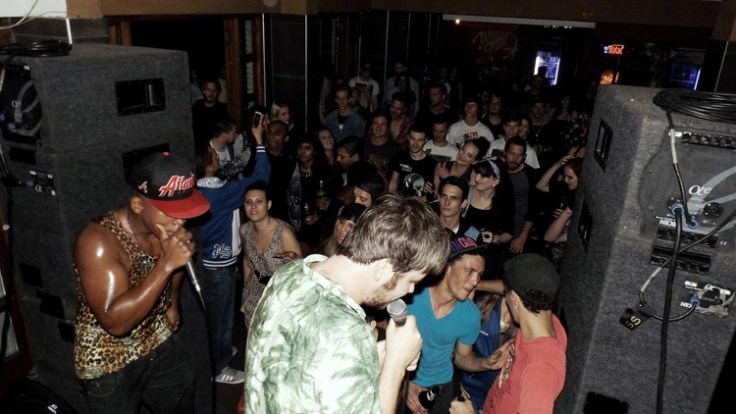
  The K-Bomb live at The Willowvale Hotel.
The K-Bomb live at The Willowvale Hotel.

10. What attracted you to someone like Marques in the first place?

He was really funny and was great at impersonating people, he could give Trevor Noah a run for his money!  

11. Any interesting stories about the Durban hip hop/punk/rock scene?

Yeah, for a while the hip hop scene and the punk scene worked well together, everybody liked to get pissed and have a good time.

There was this one time where we did a show with D’K  at an Irish pub called The Jackie Horner and mid-gig, a gnarly fight breaks out! A friend of ours smashes a beer draught in this dudes face and that was that. Our first or second gig, great start.

It was really naturally integrated, supportive and complimentary at the same time. There were some pretty cool Dj’s like Bob Perfect, Fuego Heat, Ballie Mike, Rocco and the Nut-Scratchers to name a few. they all played really good music of all genres and people could be dancing to Carly Simon’s “You’re So Vain”  and the next thing “Still Dre” is going down nicely with a cold black label!

12. Any interesting stories about Marques?

We all went to a festival called “Spogweni Fest”, with a fucked up name like that you would already know that it was a proper flop. Anyway, it was a gig in support of raising funds to help combat rhino poaching. Marques went up there and shouted out at the crowd “Fuck the Chinese for using rhino horn to make their dicks hard!” Right in front of families and kids. It was like a movie, absolute silence until someone shouted: “Yeah, Fuck that shit!” Then we went on to play a song called “We gonna fuck shit up”. You can imagine how the chorus went.

A JOURNEY INTO THE WASTELAND

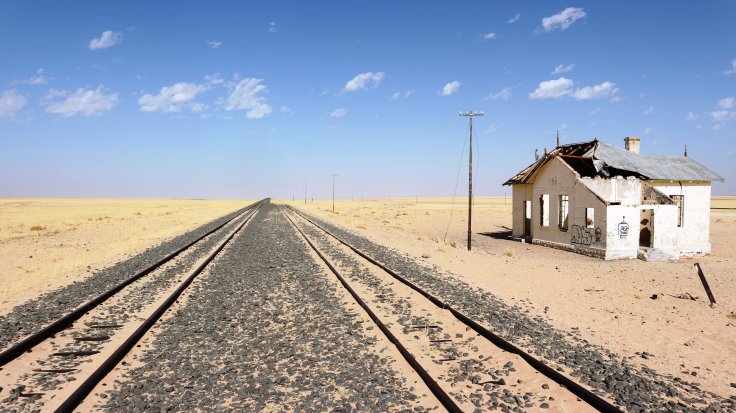
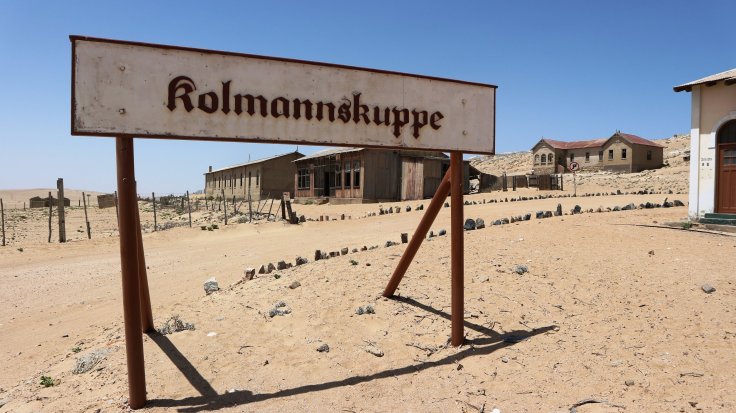
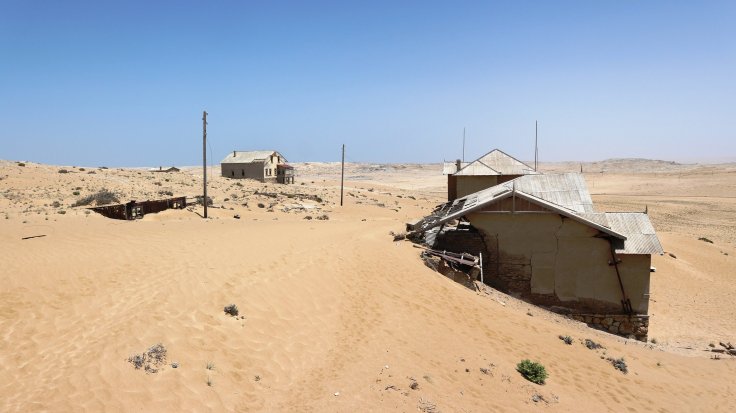
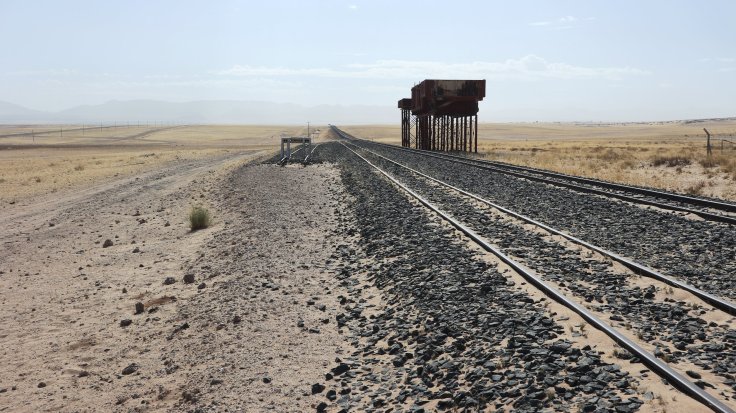
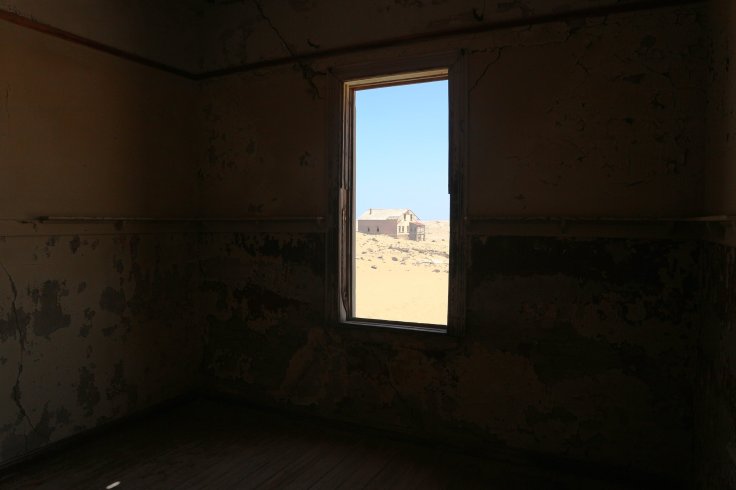
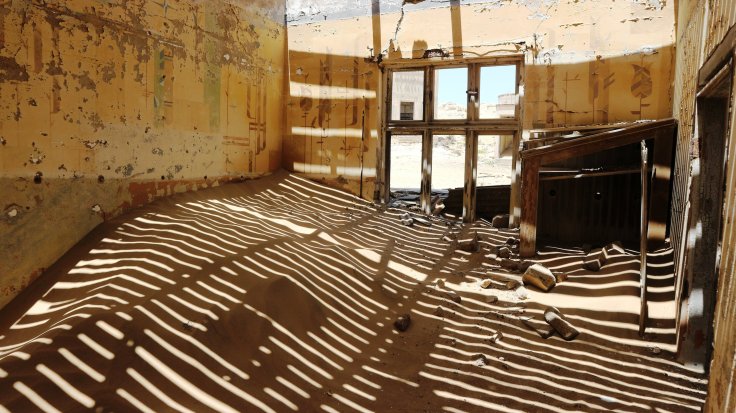
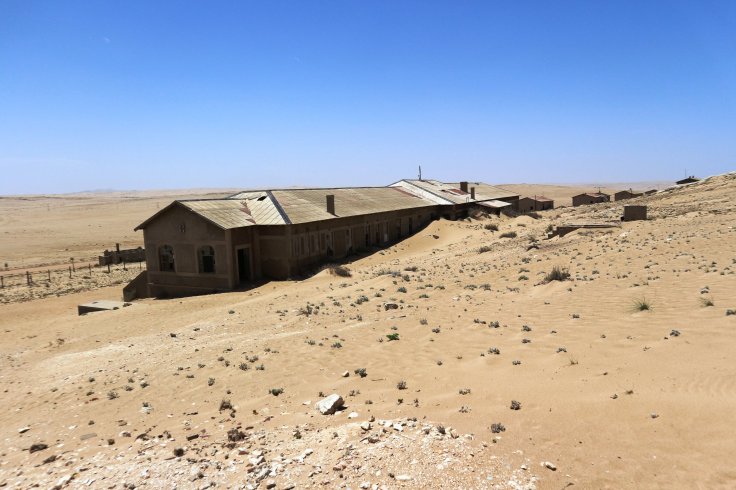
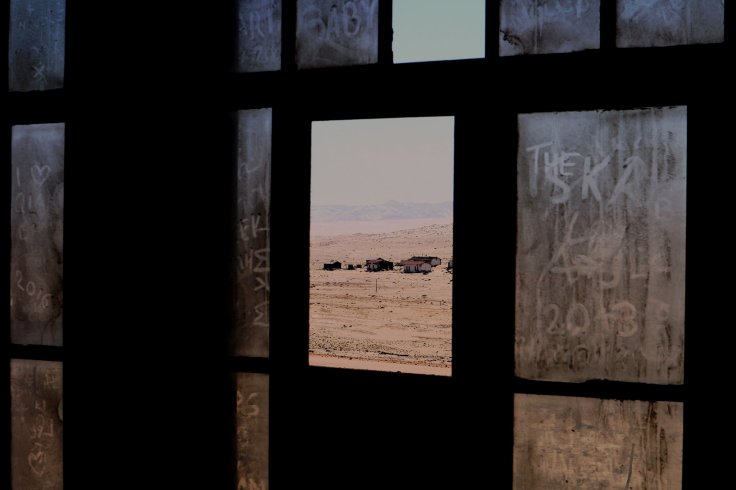
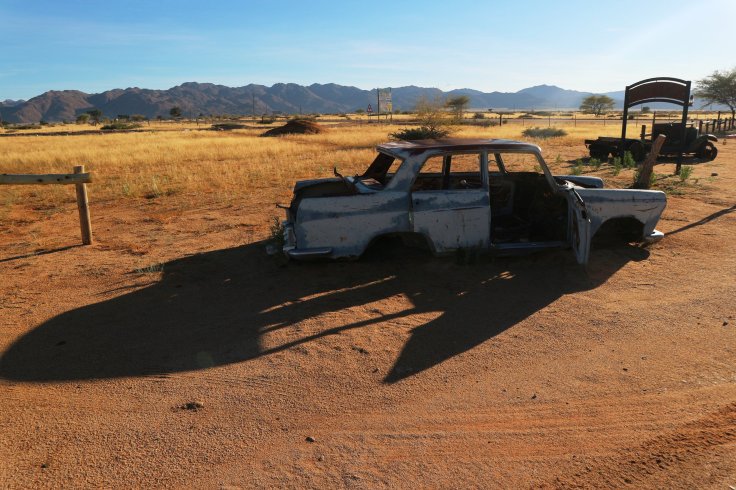
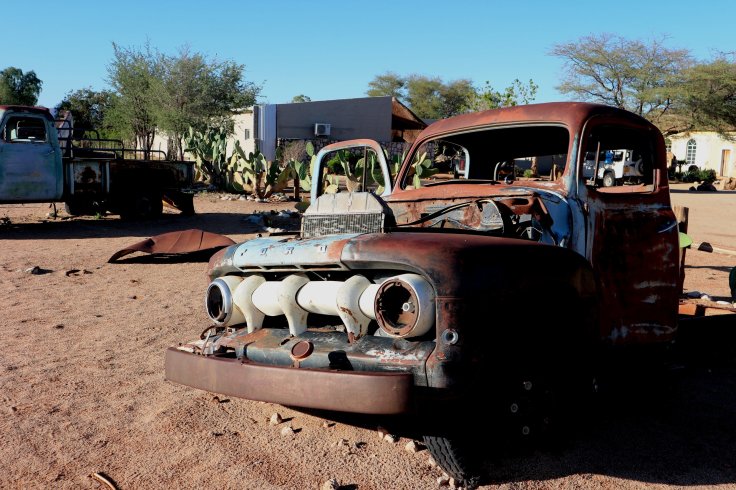
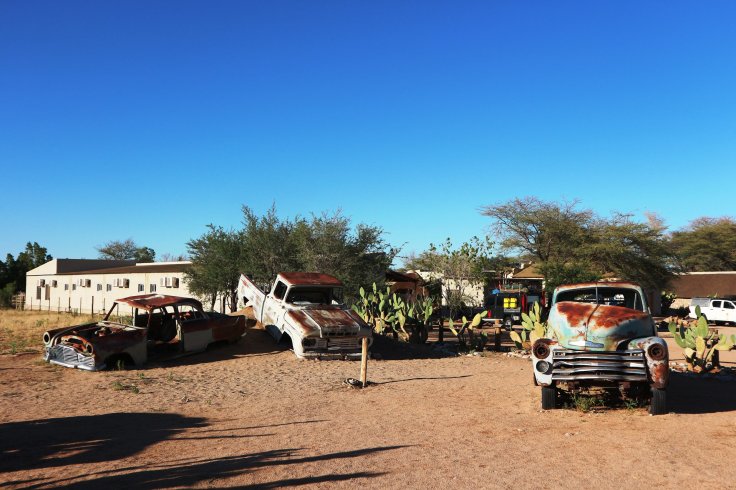
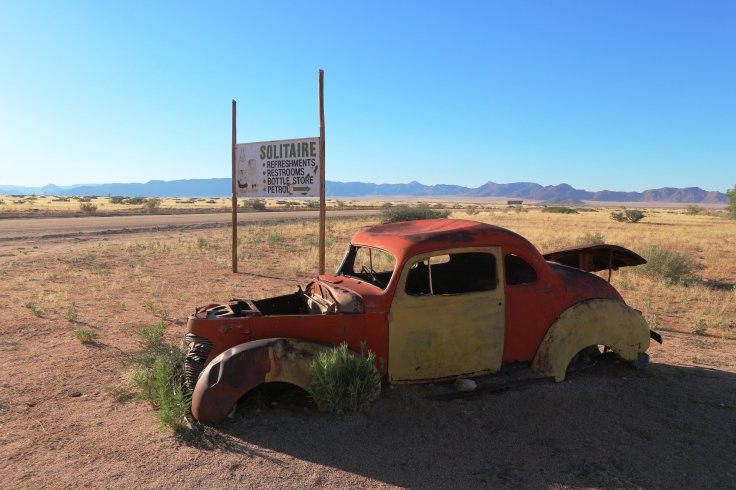
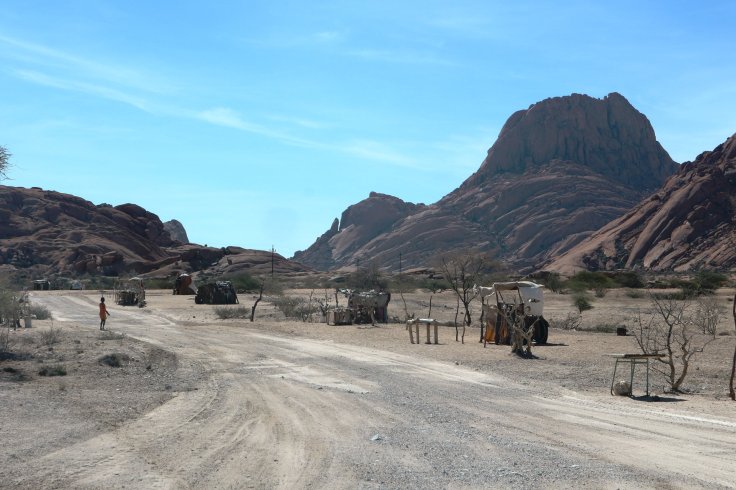
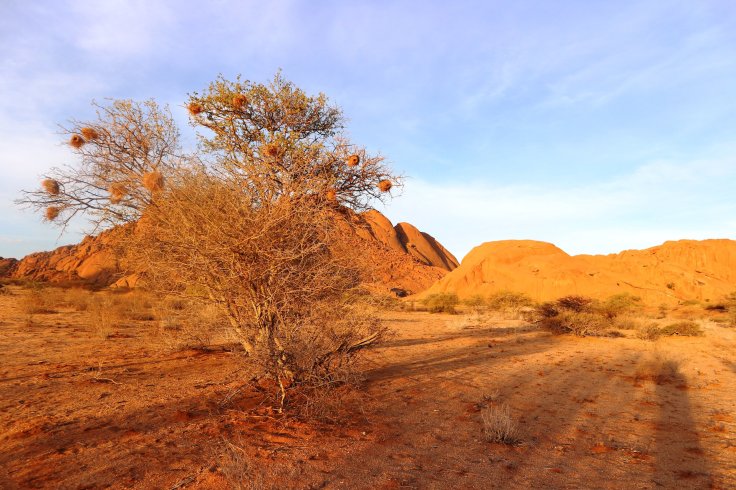
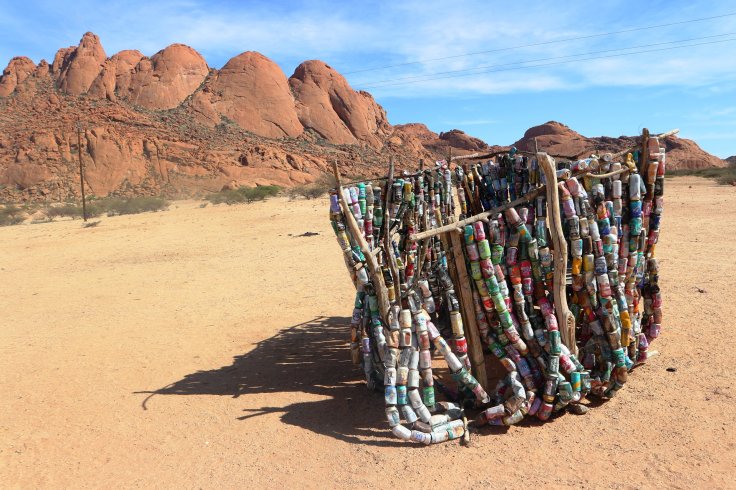
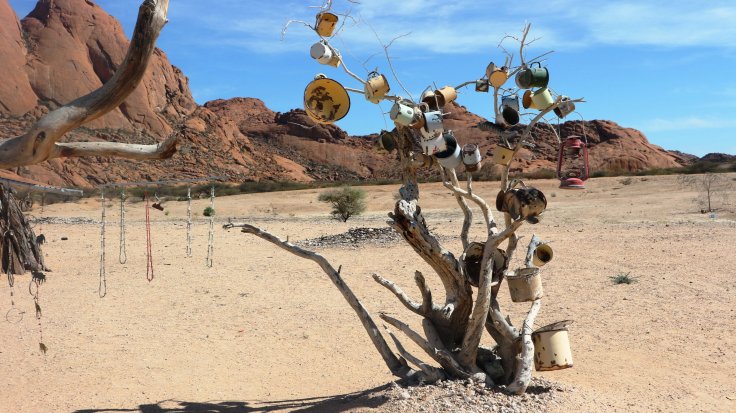
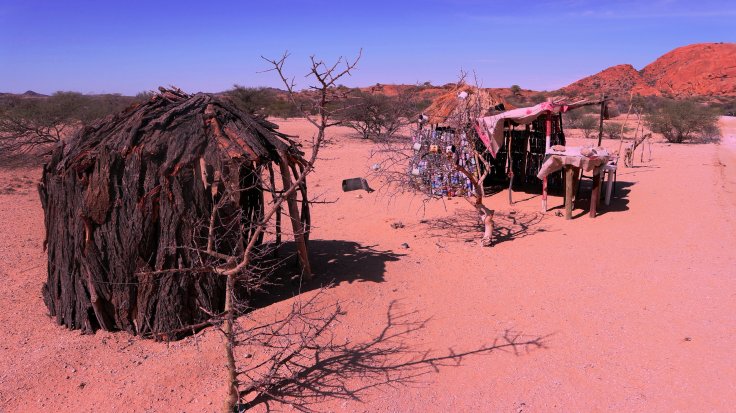
Past the confines of the city’s boundaries, where very few tread unless they have the latest model 4×4 wheel-drive vehicle, is a place called Namibia. Revered by few and an intriguing apocalyptic oddity to others. Places such as this often present wholly strange, macabre and mythical attractions.  Nightmares, dreams, horror, fantasy, in a wasteland of utter, beauty, desolation and abandonment. This in turn romanticizes the idea that isolation can be appealing. In the forgotten crevices of reality, a lot can be derived from the aftermath of rustic automobiles in deserts of forlorn, beholden only to the desire of the wanderer.

Taking the long way around isn’t always easy, and a journey through a land such as this should have some on-route stops in countries known for their captivating, yet unforgivingly brutal veracity.

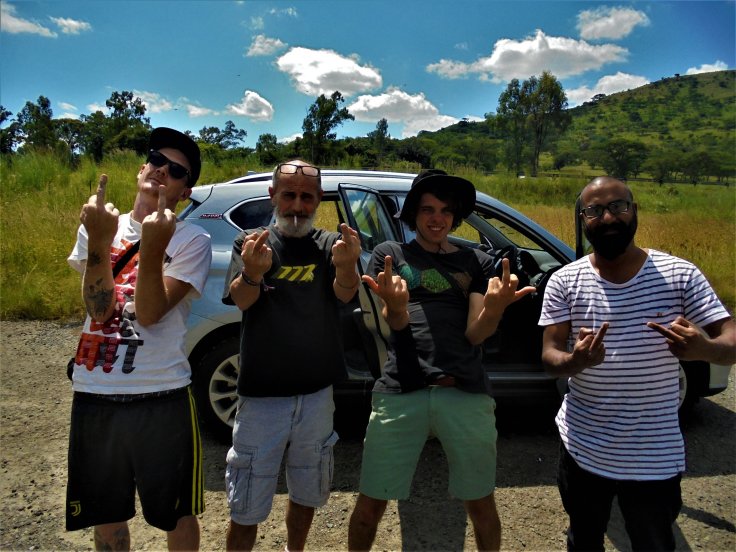
The Urban Nomad went on such a voyage stopping over at numerous, other dusty and interesting destinations through South Africa and Namibia. Below is a collection of photos from Mad Max country and beyond. 

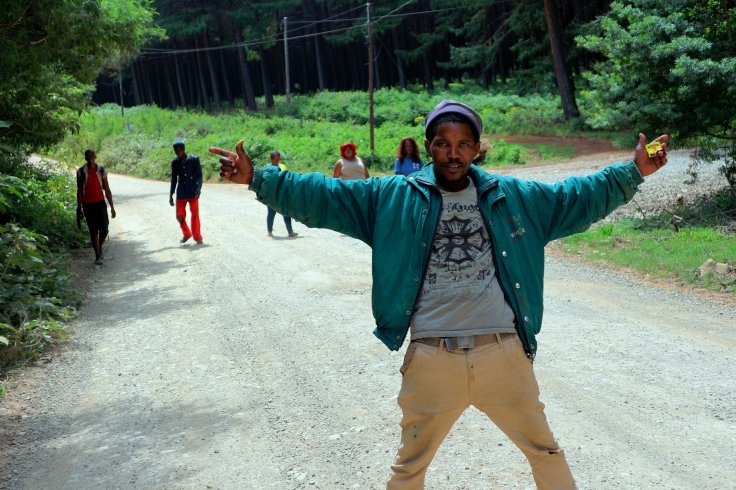
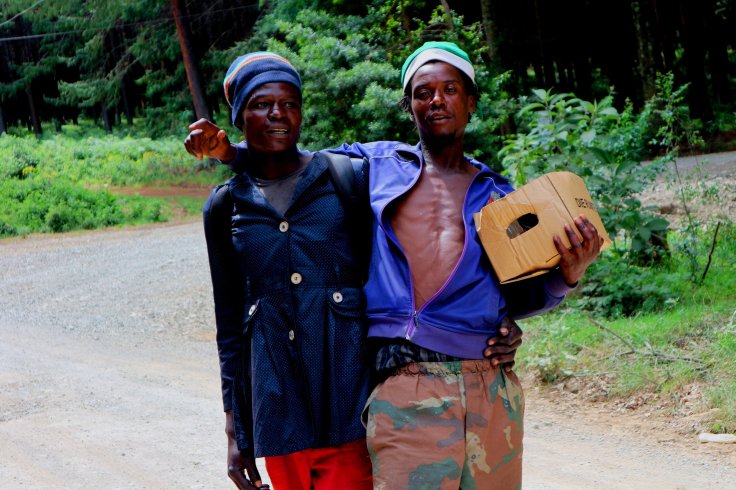
 Hogsback locals
Hogsback locals
 Besties in Hogsback
Besties in Hogsback
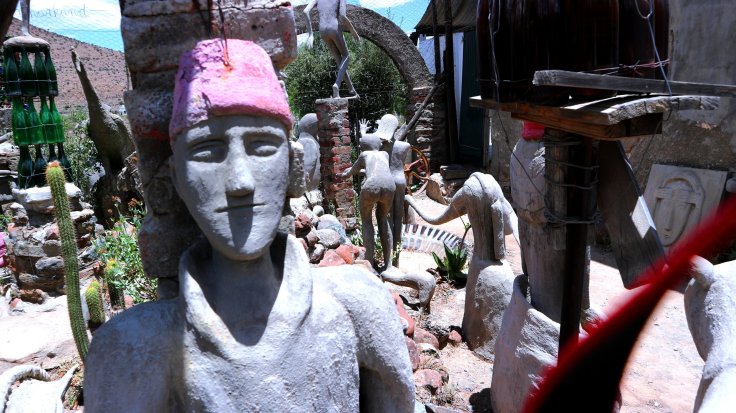
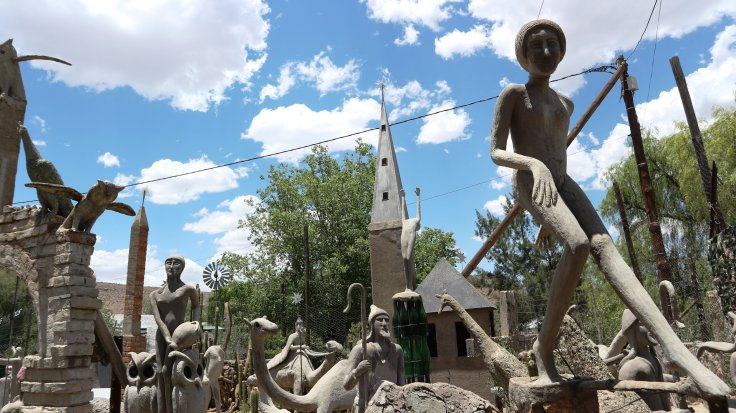
 The Owl House -Nieu-Bethesda
The Owl House -Nieu-Bethesda
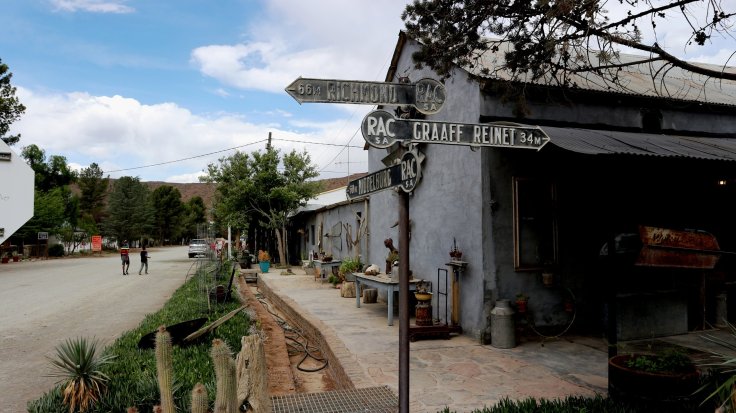
 The streets of Nieu-Bethesda
The streets of Nieu-Bethesda
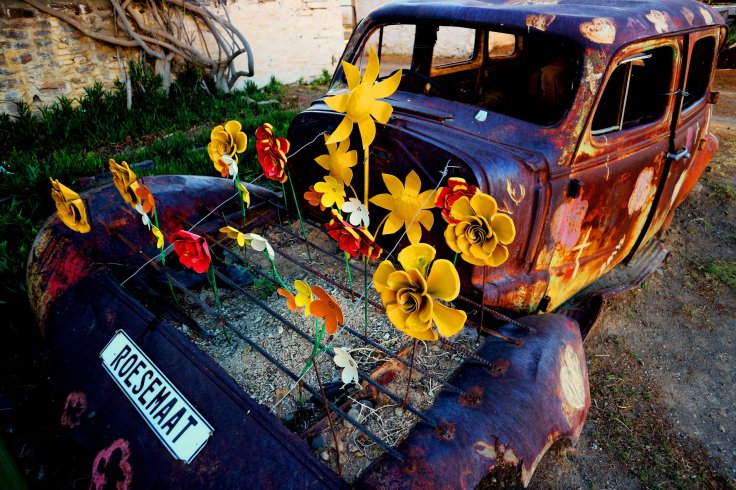
 Flowers made of iron - Nieu-Bethesda
Flowers made of iron – Nieu-Bethesda
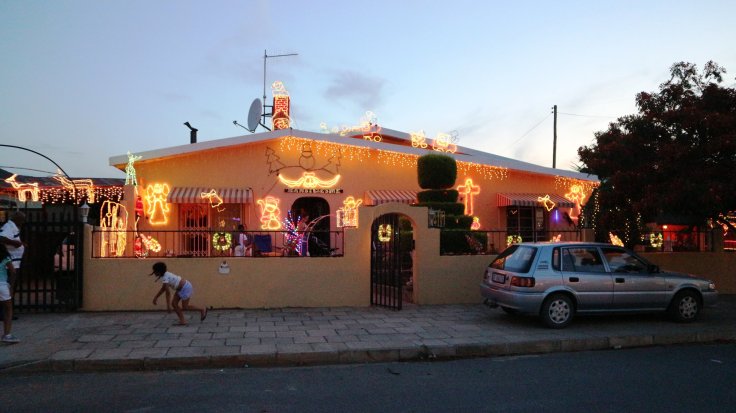
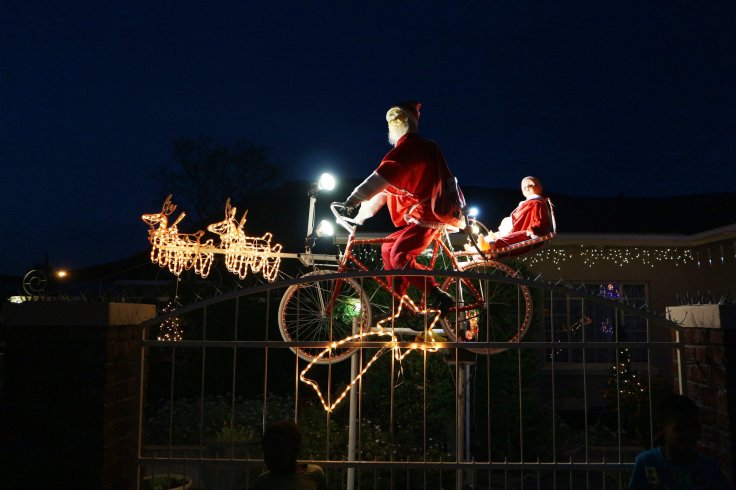
 Acacia Street Christmas Lights - Graaff-Reinet
Acacia Street Christmas Lights – Graaff-Reinet
 Acacia Street Christmas Lights - Graaff-Reinet
Acacia Street Christmas Lights – Graaff-Reinet
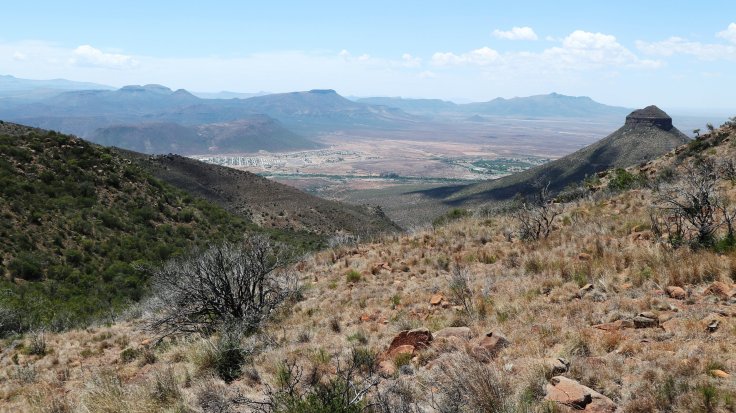
 Valley of desolation
Valley of desolation
 Valley of desolation
Valley of desolation
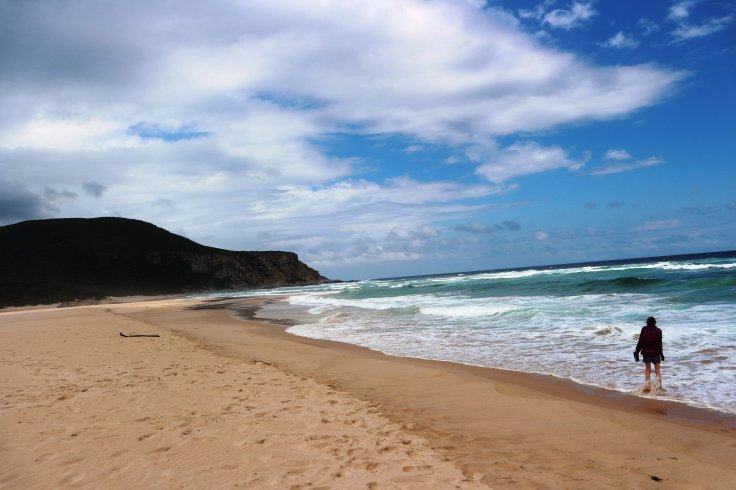
 Nature’s Valley
Nature’s Valley
 Western Cape
Western Cape
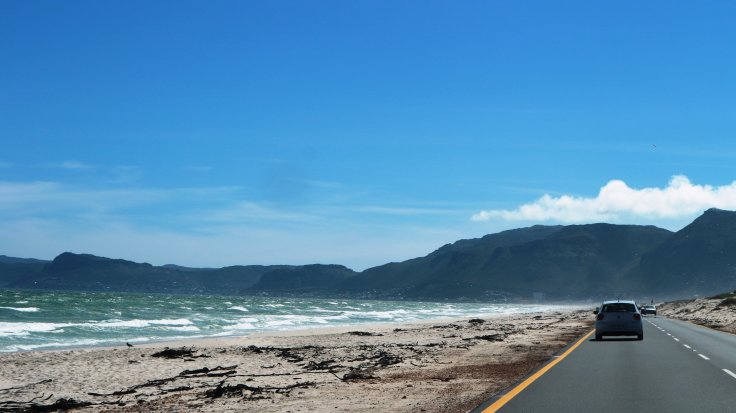
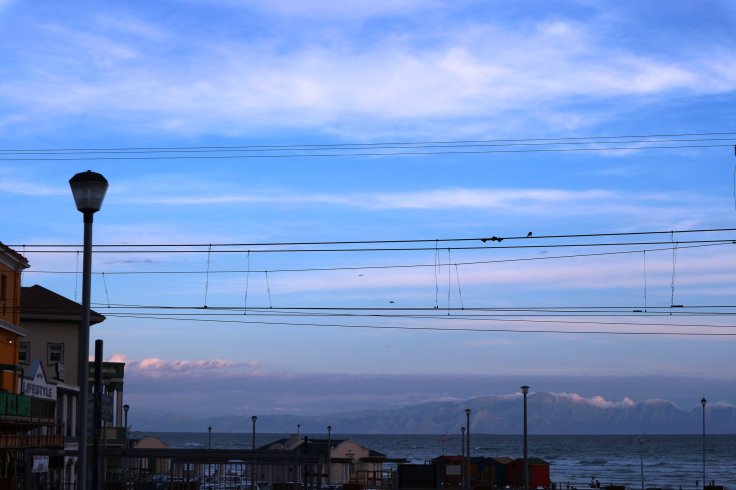
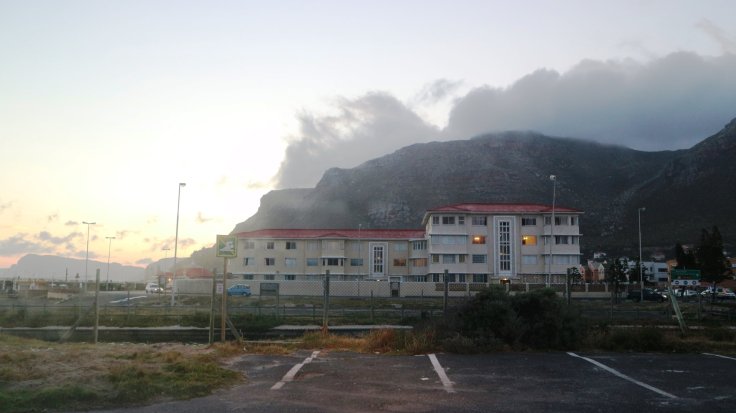
 Muizenberg
Muizenberg
 Muizenberg
Muizenberg
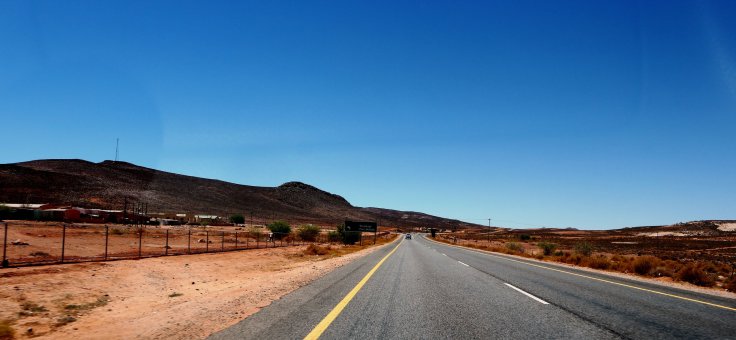
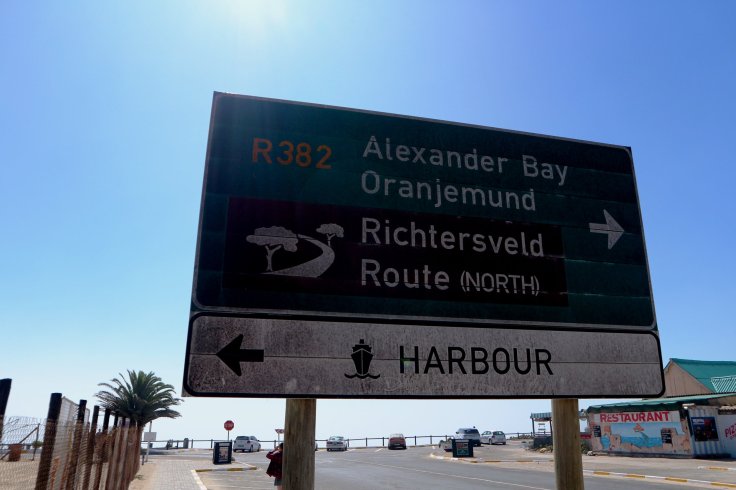
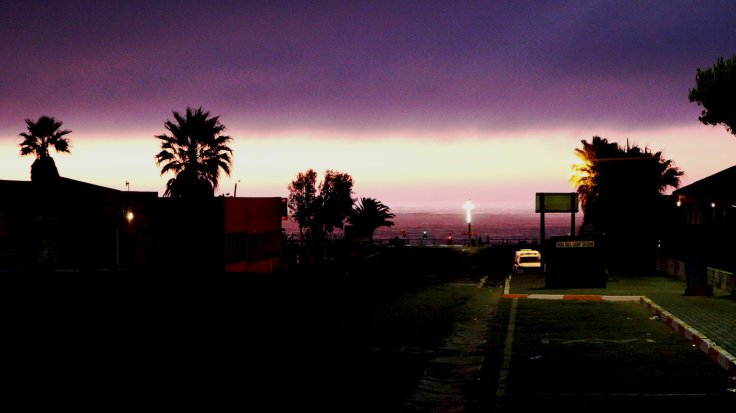
 On route to Port Nolloth deep into the West Coast.
On route to Port Nolloth deep into the West Coast.
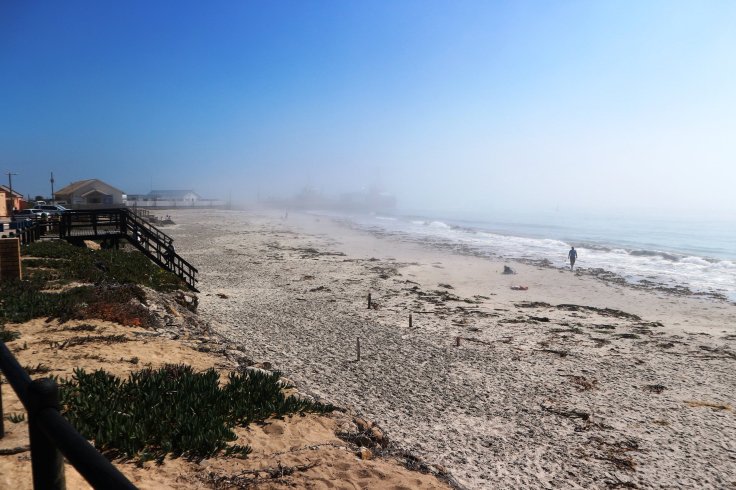
 The mist rolls in off the West Coast icy ocean.
The mist rolls in off the West Coast icy ocean.

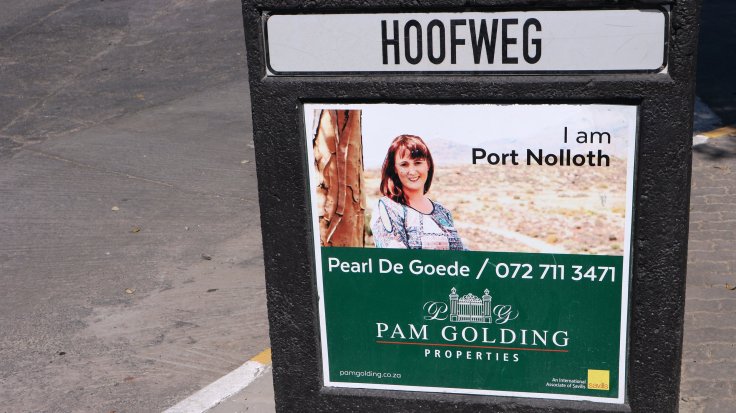
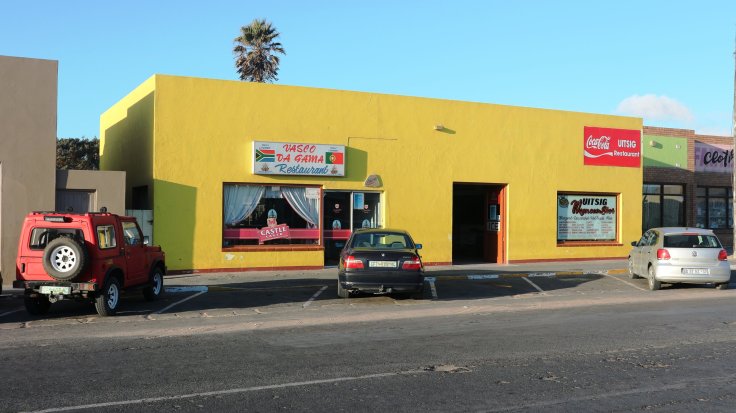
 The face of Port Nolloth.
The face of Port Nolloth.
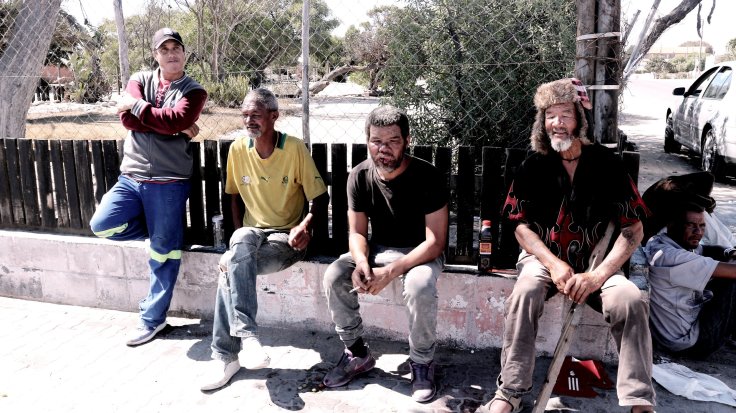
 Port Nolloth crew
Port Nolloth crew
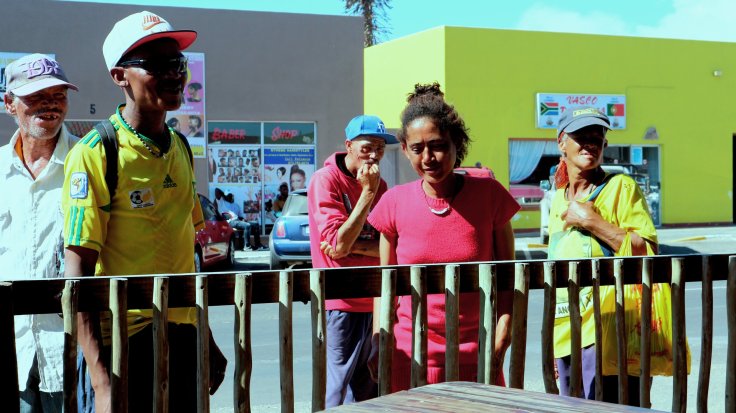
 Port Nolloth locals.
Port Nolloth locals.
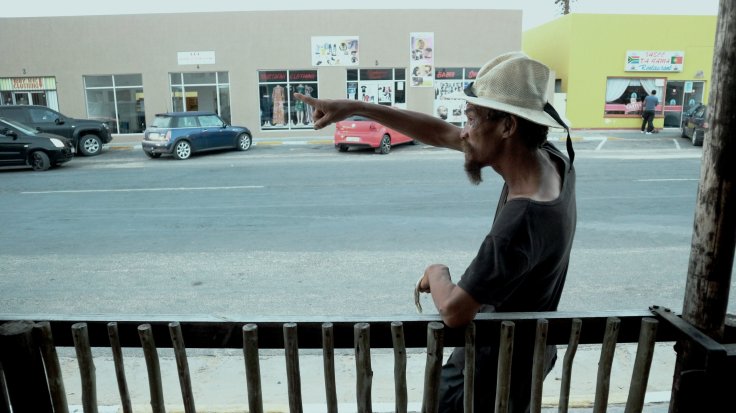
 The main street in Port Nolloth
The main street in Port Nolloth
 What’s that?
What’s that?
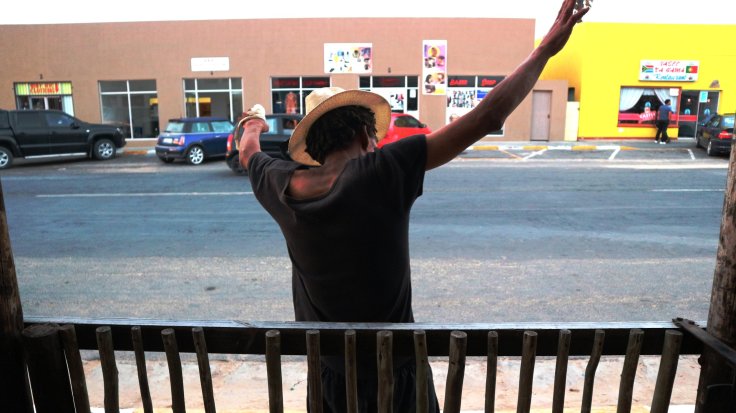
 Let’s dance…
Let’s dance…
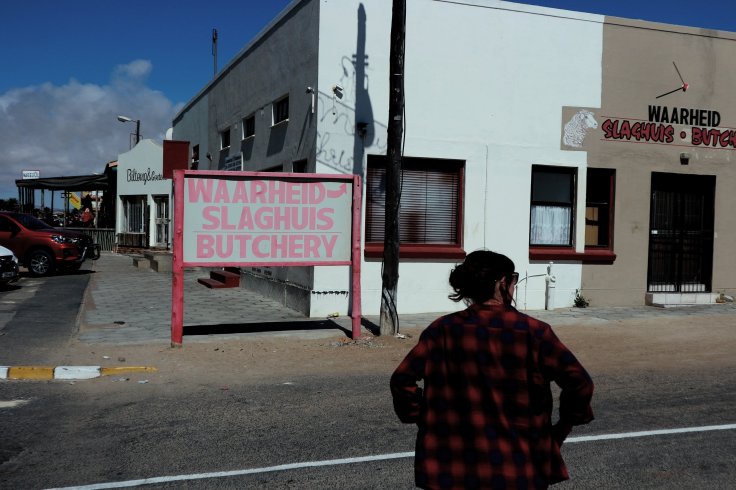
 Truth and slaughter
Truth and slaughter

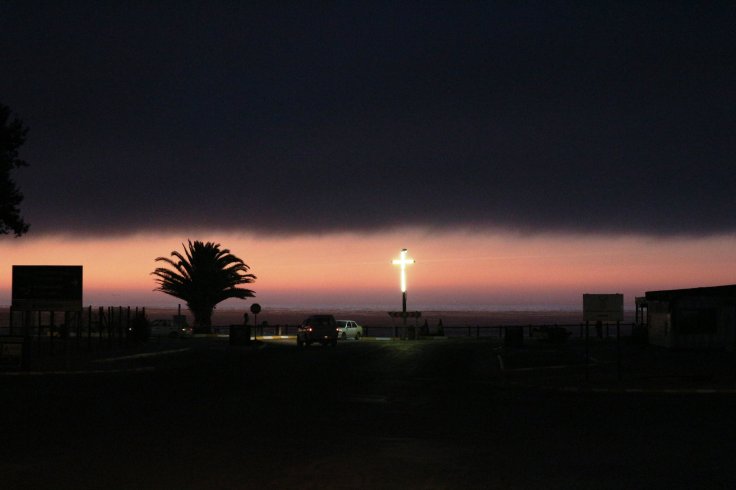
 Jesus is watching
Jesus is watching
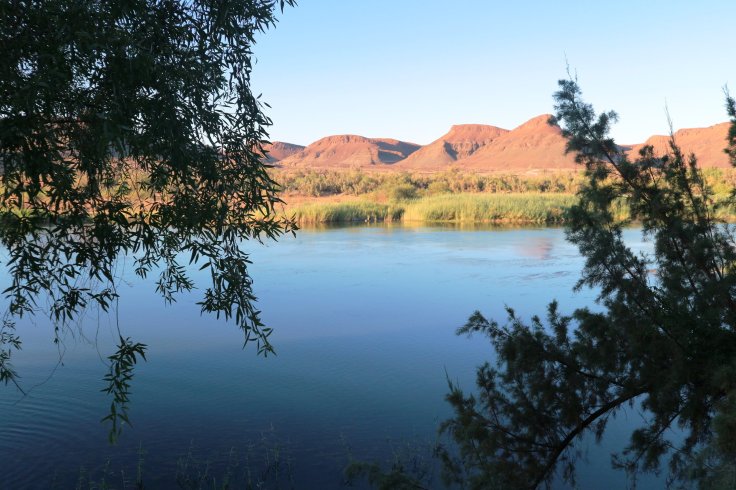
 Orange River - an oasis in the wasteland…
Orange River – an oasis in the wasteland…

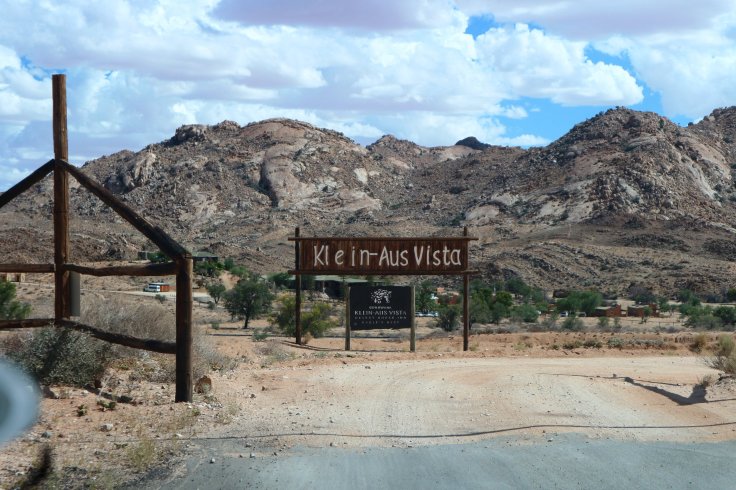
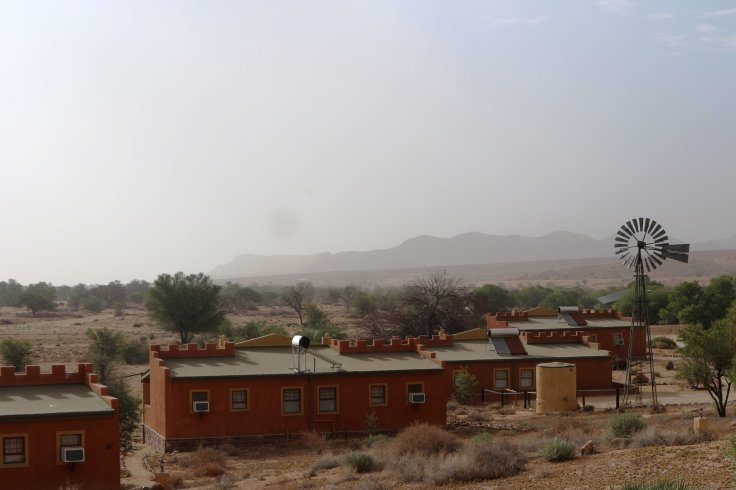
 Klein-Aus-Vista
Klein-Aus-Vista
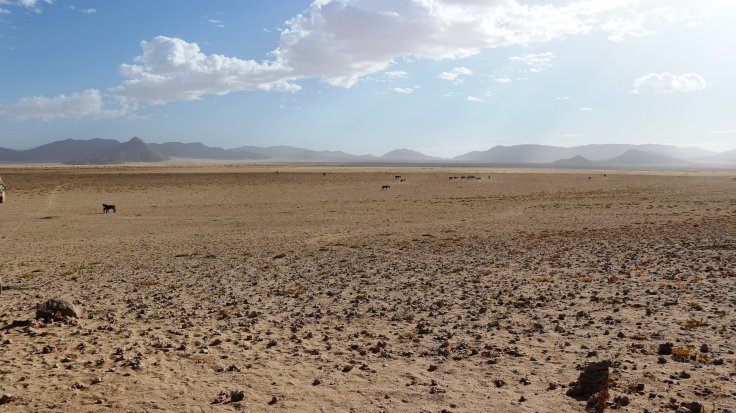
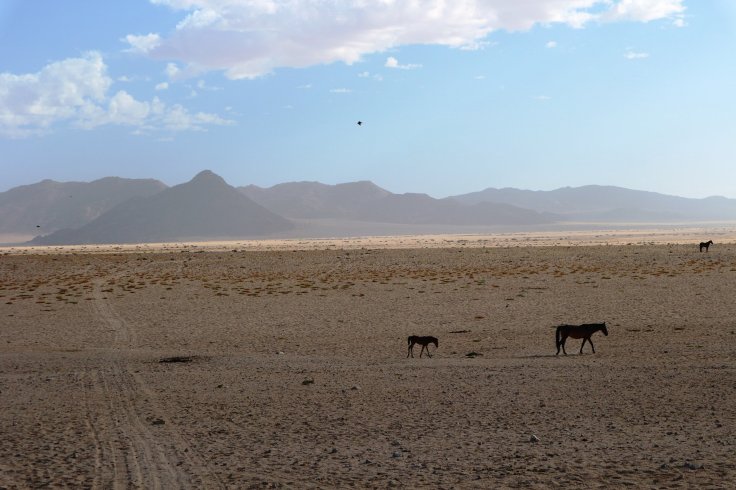
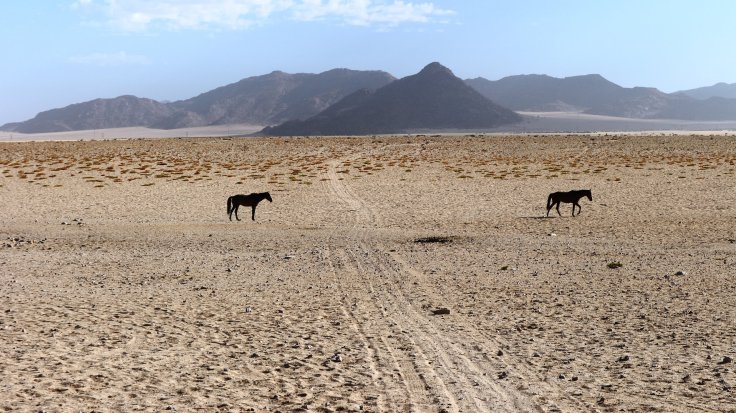
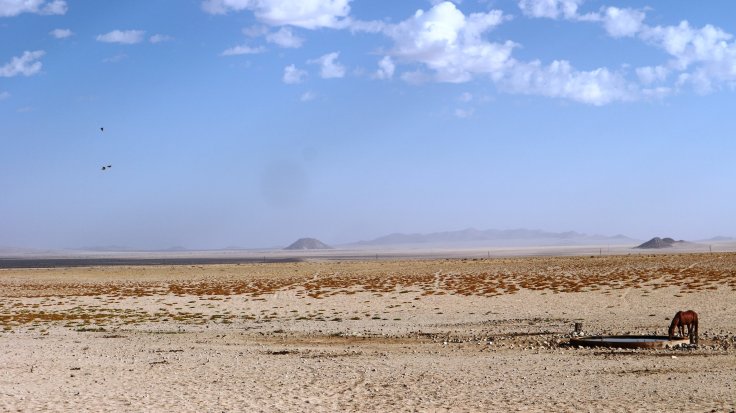
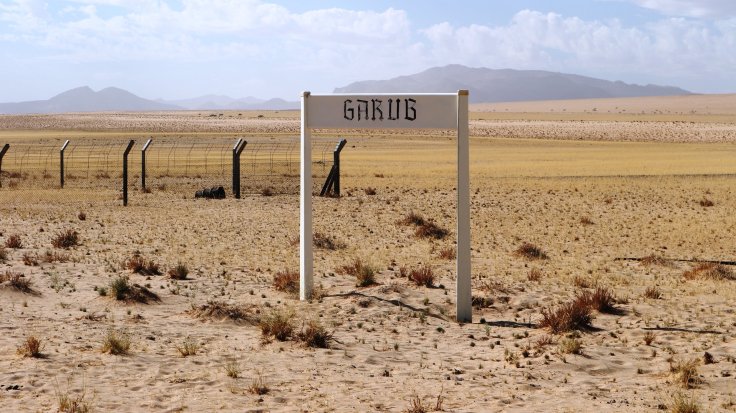
 Wild Horses of Garub - myth meets reality
Wild Horses of Garub – myth meets reality

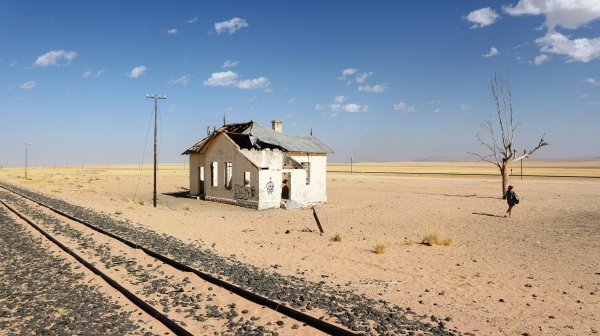
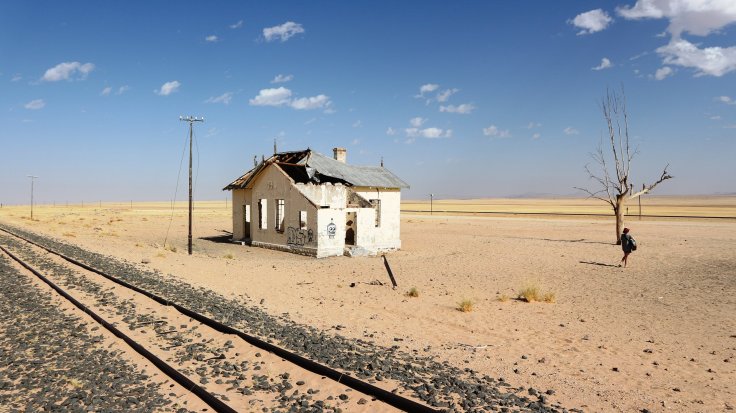
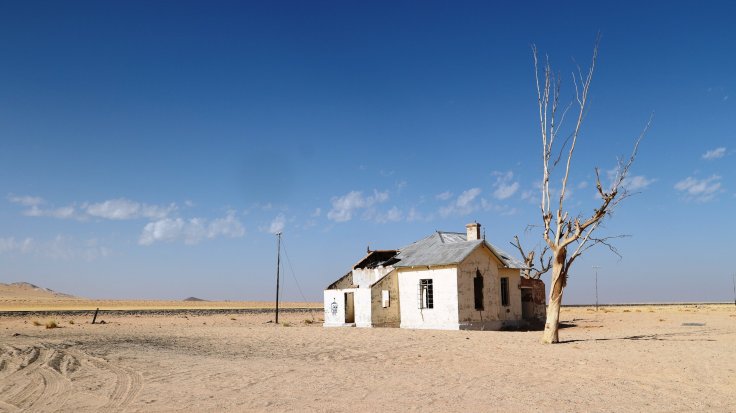
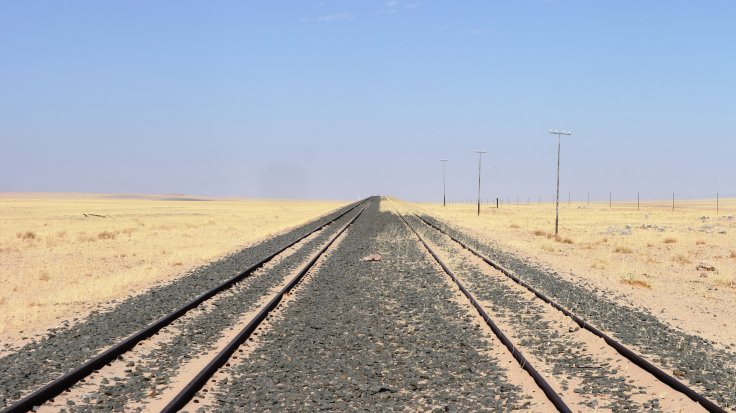
 Ain’t no train on the way…
Ain’t no train on the way…

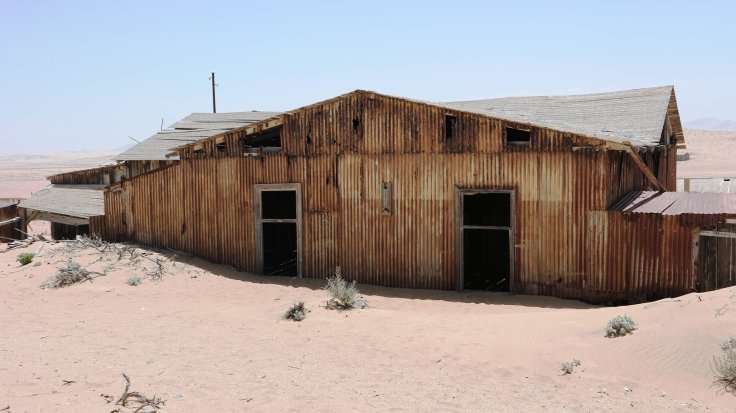
 The sand will slowly swallow everything…
The sand will slowly swallow everything…

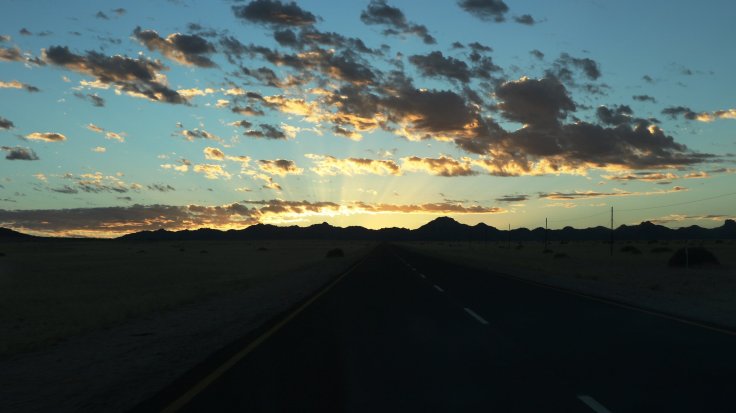
 Morning light in the desert…
Morning light in the desert…
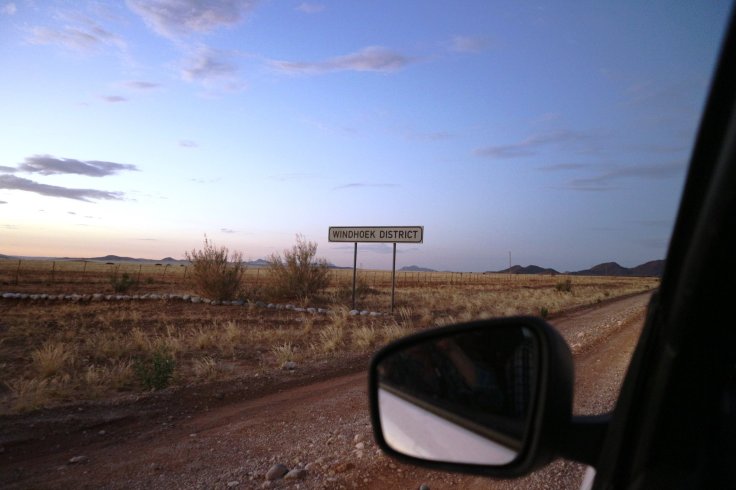
 A road sign in the fading light is a gift in the desert.
A road sign in the fading light is a gift in the desert.
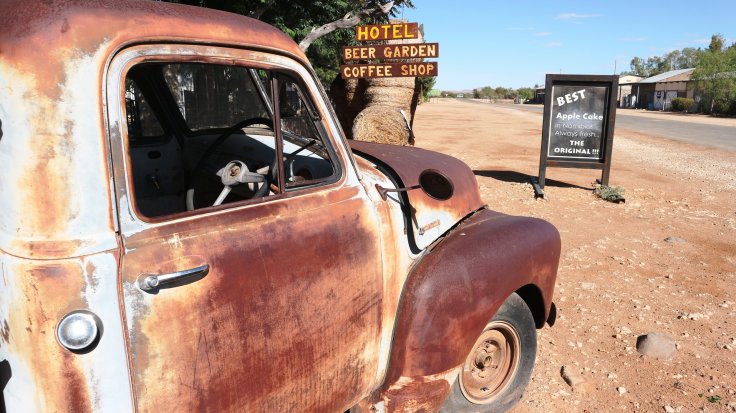
 Rusty cars and apple cake…
Rusty cars and apple cake…
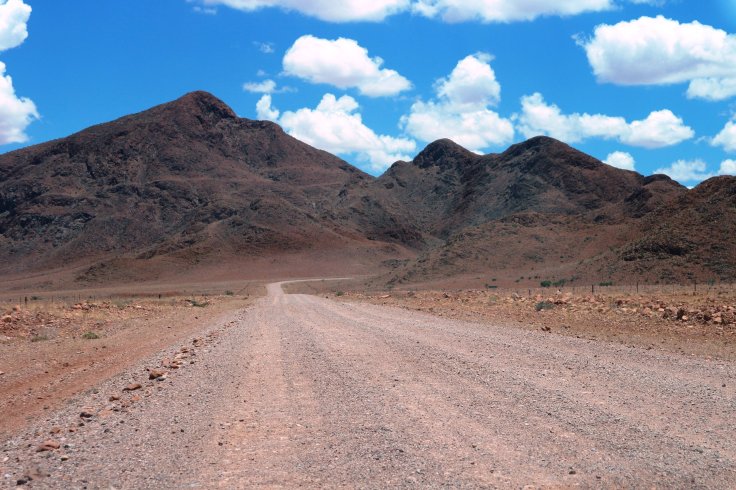
 Thousands of kilometres of dirt road.
Thousands of kilometres of dirt road.
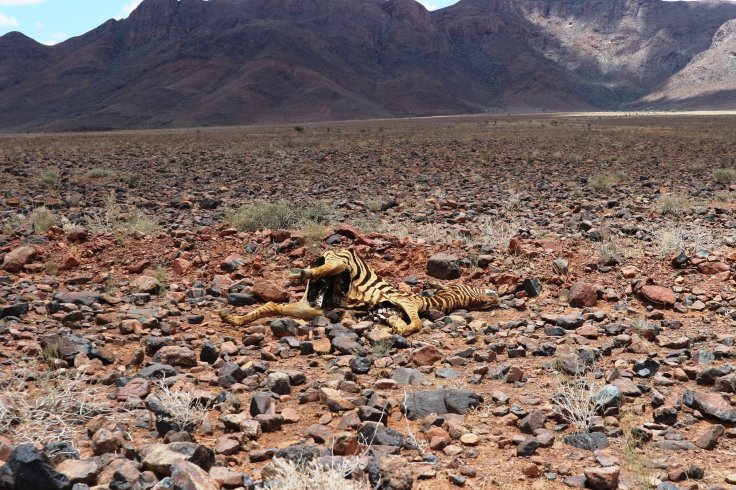
 The unforgiving Namibian desert - death is apart of life.
The unforgiving Namibian desert – death is apart of life.
 Its all just hot air out here.
Its all just hot air out here.
 Captured by the light.
Captured by the light.
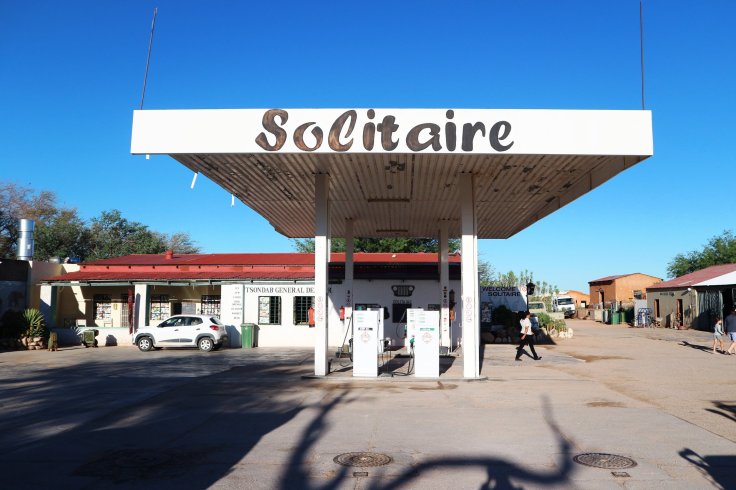
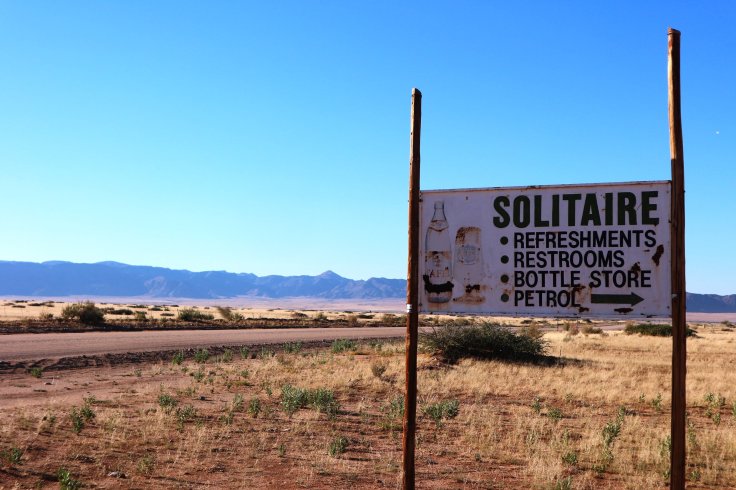
 In the middle of nowwhere there is a place called Solitaire.
In the middle of nowwhere there is a place called Solitaire.

 Rust away.
Rust away.

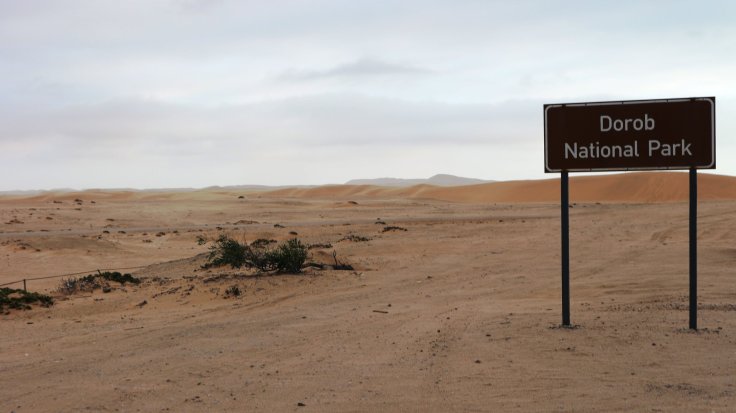
 Namibia a land of nature reserves and national parks.
Namibia a land of nature reserves and national parks.

 The Big Hole
The Big Hole

A GOTHIC PILGRIMAGE – ROAD-TRIPPING TO WATCH – THE CURE

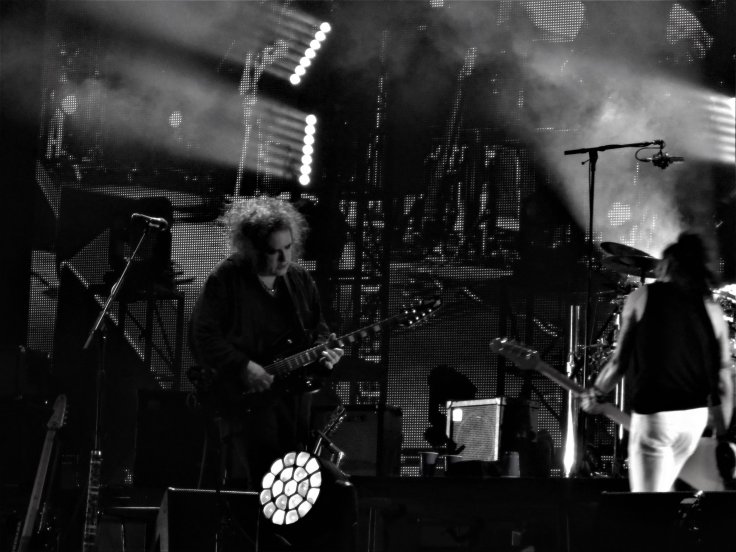
  The Cure in all their Gothic glory - Carnival City - Rocking The Lawns - 2019.
The Cure in all their Gothic glory – Carnival City – Rocking The Lawns – 2019.

WORDS AND IMAGES BY PSEUDO GOTH

Towards the end of last year, a friend of mine who works in music production puts a status update on Facebook that says: “Big announcement made soon, massive international act coming to South Africa”. Now, I’m sitting there going, “Yar right, it’s probably Ed Sheeran or Cardi B.” So I sit back, and do what I usually do, and try and get through an unrealistically long work day at the Orwellian nightmare I keep trying to wake myself up from.

A few hours later, I see that it’s none other than The Cure.

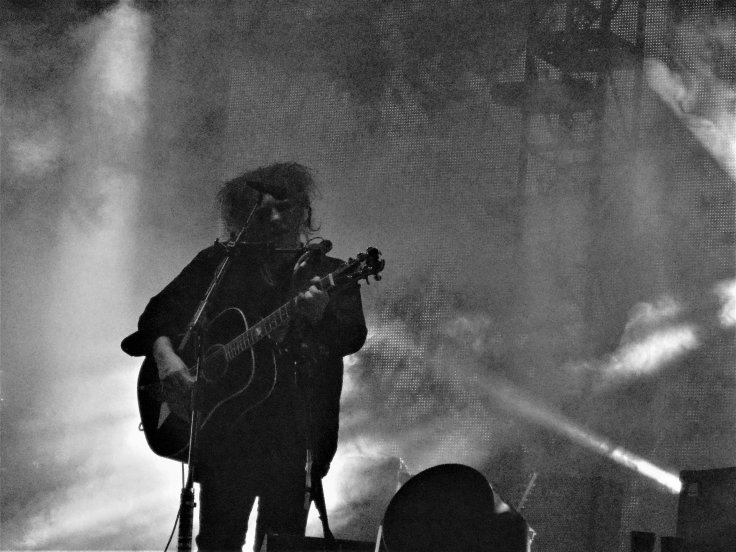
  A Gothic, hero - Robert Smith.
A Gothic, hero – Robert Smith.

Holy shit!

A band that has been so dear to my heart, for so long, that I can’t believe this news to be true.

  Road trip driver and artist Nivesh.
Road trip driver and artist Nivesh.

The following day I rush to Computicket to purchase a ticket, and they haven’t even issued them yet as the concert is months away. I wait, with nothing but a receipt, in anticipation for what is literally a dream come true.

2019 arrives and so does my ticket, and since the beginning of February I haven’t been able to sleep as well as I usually do. This intense, electric excitement is welling inside of me at the prospect of watching a band that helped create so many of the genres of music that I love.
  A motley crew…
A motley crew…

A few days before this monumental event, I have managed to assemble a rowdy bunch of Cure fans and we start our Gothic pilgrimage to watch one of rock ‘n roll’s most interesting, eclectic and dark bands. Friday comes, and we are all certainly very much in love. So much in love that our robust exterior upsets a few bewildered pedestrians en route to the show.
  “If only tonight we could sleep in a bed made of flowers” - Robert Smith
“If only tonight we could sleep in a bed made of flowers” – Robert Smith

After some run-ins with irate neighbours just before leaving Durban (as our excitement was just too much to contain), we eventually find our way to the N3 highway. We are traveling towards Vereeniging, Gauteng, to pick up the last component of the ensemble.

Mr. Creepy Steve.

  An old Jedi out of retirement …
An old Jedi out of retirement …

Creepy Steve, a legend of the Durban underground party scene who went into hiding a few years back. Kind of like Luke Skywalker in episode 4000 of the new sequel to episode 3999 of the never ending Star Wars franchise, or Obi Wan Kenobi in the first Star Wars film ever made.

  An unholy reunion Creepy Steve and Ballie “Mudbox” Mike back in action.
An unholy reunion Creepy Steve and Ballie “Mudbox” Mike back in action.

After a bit of coaxing, I convince the old Jedi to dust off his robe, change the light bulbs in his light saber, and “get involved”. At first he seems disinterested in the whole idea, but after he brushes over a bit of the Cure’s 80’s era hits, he becomes just as excited as the rest of us.

“Help me Obi Wan, you’re our only hope.”

Just the kind of guide we need to bring balance to the force. Creepy delivered.

  Creepy exercising his constitutional rights.
Creepy exercising his constitutional rights.

We have a briefing in Vereeniging the night before the show, which consists of a fire, beers and the use of various flammable devices. We wake to a full-spread breakfast and descend towards Brakpan like a pack of hungry dogs, ready for what we were about to witness.

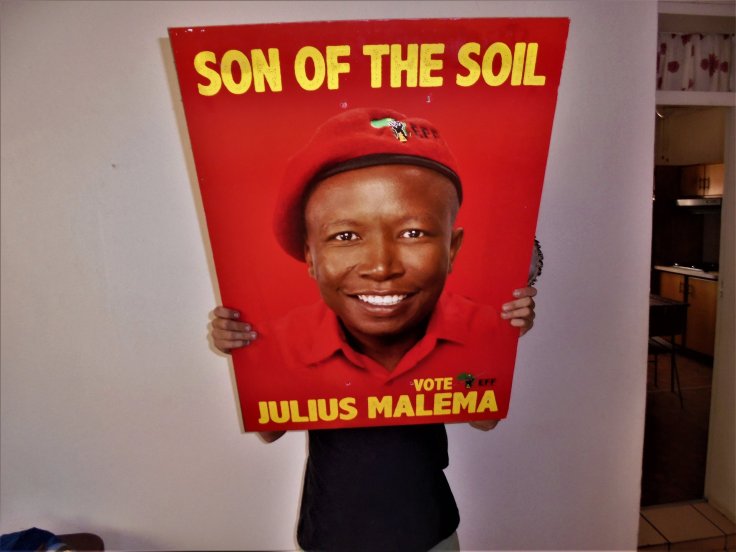
  Even Julius is excited for the show.
Even Julius is excited for the show.

The Cure, live in South Africa for the first time.

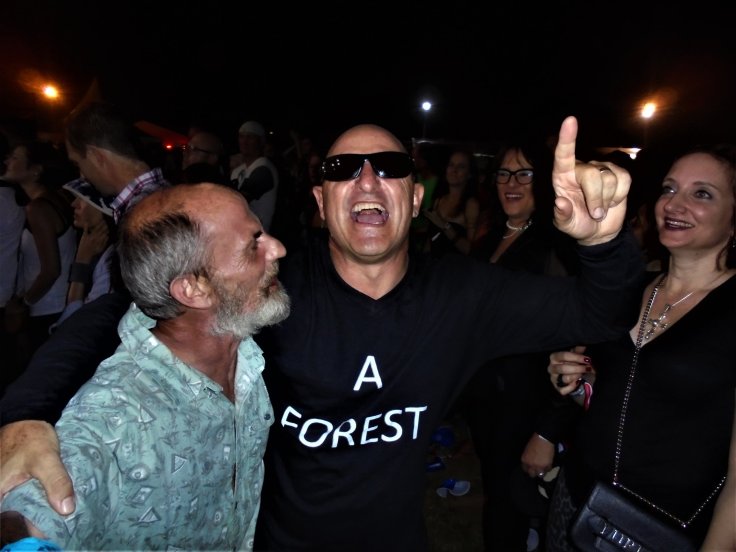
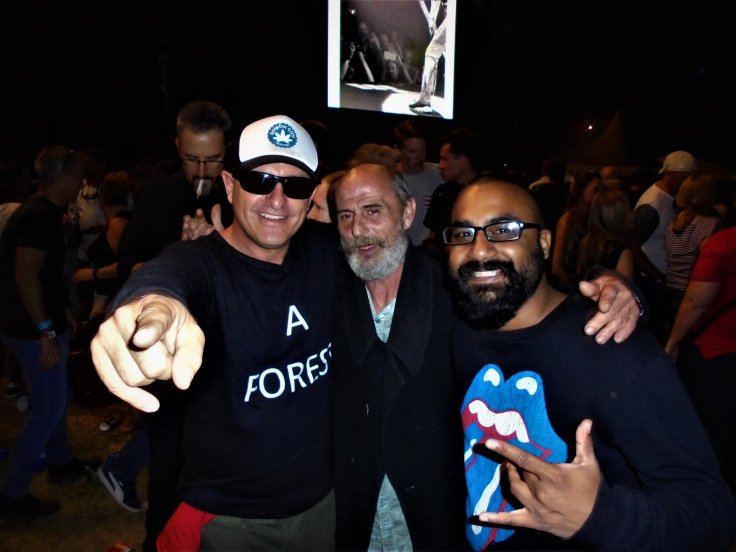
  You know shits getting real when you find a guy wearing a shirt that says “A FOREST” on it
You know shits getting real when you find a guy wearing a shirt that says “A FOREST” on it

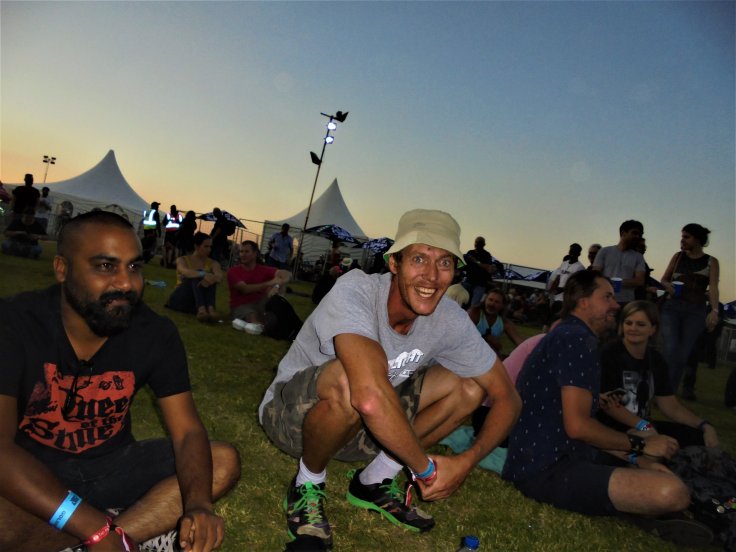
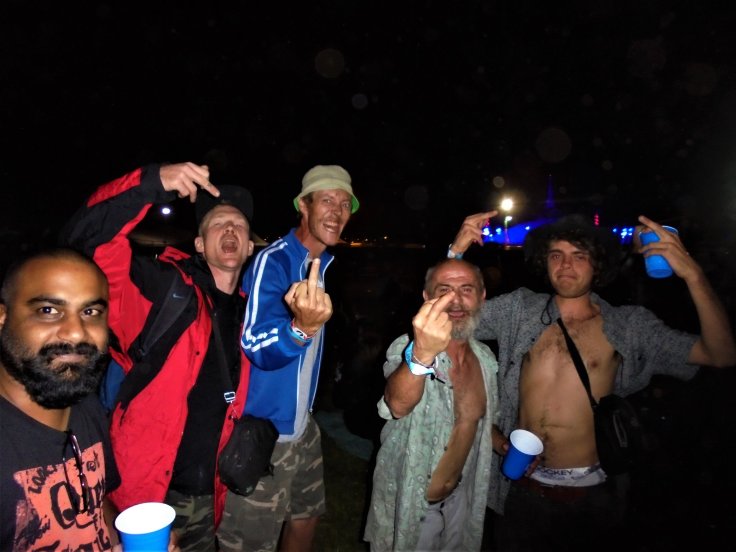
After roughly an hour in the venue I started to notice the eclectic motley bunch that The Cure attracts. Middle aged goths, young skater punks, trendy jocks. People of all different shapes, sizes and colours, all coming together in a very real and uninhibited kind of way.

  The weirdos have arrived.
The weirdos have arrived.

Creepy lean’t into my ear and and with very warm breath slurred down my neck “there’s nothing quite like watching an old goth mincing across the veld in the brutal afternoon sun”. Shortly thereafter Creepy threw up, on account of drinking Ballie Mike’s boiling hot whiskey, an act which is in itself is a sight to behold.

The Cure is a band that has never subscribed or fitted in to one set thing or genre, and the crowd reflected this. The weirdo convention had come to town and everyone was there for one reason and one reason only, and that was to witness the dark, twisted, playful and bright world of one of pop’s most unassuming hero’s – Robert Smith.

  A loyal fan of The Cure.
A loyal fan of The Cure.

The support acts were lackluster, the biggest question everyone kept asking is “How does Ard Matthews still get booked?” Then again this is just an opinion, and I know that Just Jinger means and meant a lot to a lot of people, so I should try play nice. But I just couldn’t get my head around the American twang so I went for a beer. Zebra and Giraffe should have stayed on safari, before Fokofpolisiekar brought some much needed angst and energy to the now agitated crowd.

  Nivesh and Creepy perplexed by the support bands.
Nivesh and Creepy perplexed by the support bands.

My Afrikaans is limited and maybe my translation is off, but from what I could gather Francois Van Coke was asking the crowd if they had any spliff, so I lit one up in solidarity with the sentiment. They played their title track “Fokofpolisiekar” and then I realised something about how important this statement is for South Africans at large. We might be divided by race, politics, culture and religion but at least we can all agree on one thing. When the cops pull in, we tell them to “Fuck off”!

  “When the cops pull in we tell them to fuck off” -Fokofpolisiekar
“When the cops pull in we tell them to fuck off” -Fokofpolisiekar

By now the energy was getting even weirder, The Rob Father was playing some fantastic tracks ranging from The Chats to the Talking Heads , and everyone was in full swing. More and more strange characters started coming closer to the front of the stage and for one of the first times in my life I felt like I belonged, because in this crowd no body belonged, and in that a sense of sincere connection was created.

  Grass life!
Grass life!
  The Cure live in South Africa for the first time.
The Cure live in South Africa for the first time.

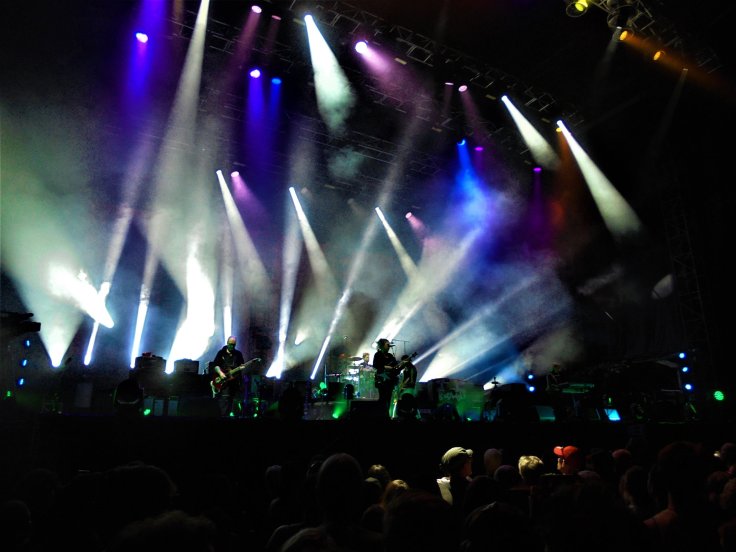
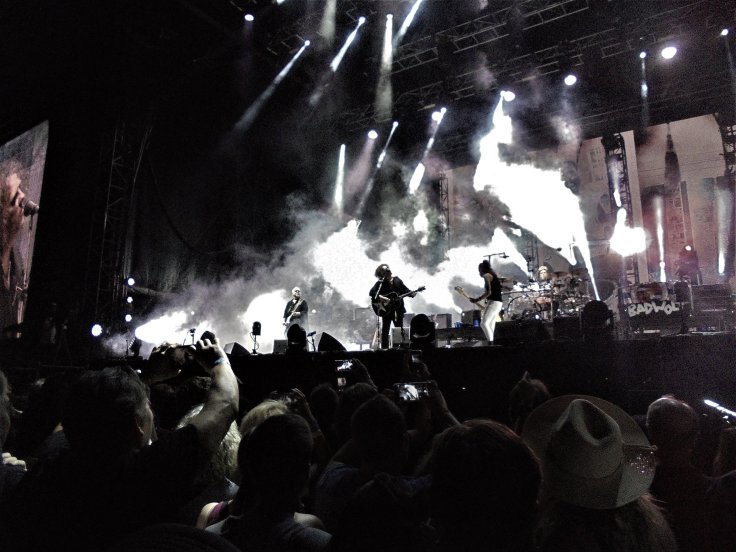
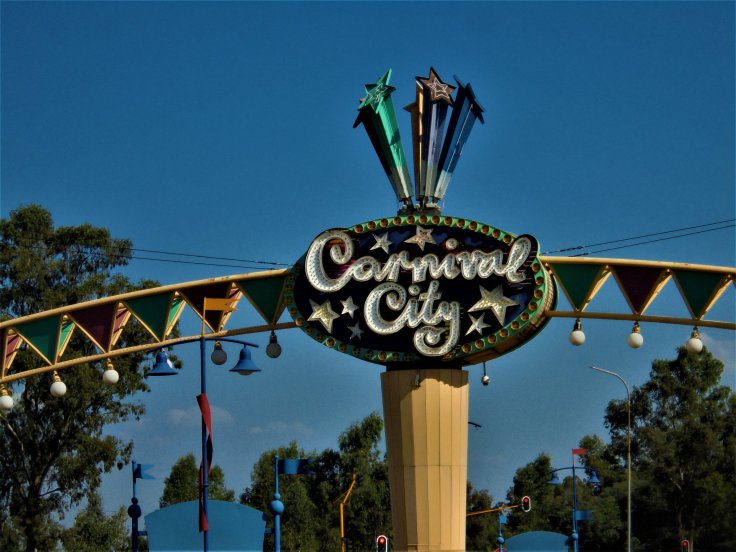
Then like a blinding flash of light Plainsong, the opening track from their highly atmospheric 1989 album Disintegration erupts through the speakers, and everyone is in a trance, slowly ascending to the front of the stage to get their first sight of the man and the myth, the songs that have been so close to all of us for so long. Providing comfort and relief in our darkest hours. Finally there it was standing in front of us tall and proud in all its macabre glory We had finally found a place to cure all our sadness, and a sound and sentiment where we escape to, a realm where we play with our nightmares instead of fearing them. This is what that opening moment of this concert meant to me and I could feel it meant the same to a lot of others there. It was a religious experience and for a few hours the lawns just outside the fabulously grotesque Carnival City became our Gothic church.

  The fabulously grotesque Carnival City.
The fabulously grotesque Carnival City.

Soon after that I lost all my friends in the frenzied attraction to the stage, I was alone in a sea of atmospheric sounds and the mood was set, everyone was fixated, I look to my left and none other than SA folk/punk legend Shaun Richards is standing next to me. He’s an old friend so he grabs my hand and we try and get as close to the front as possible. I have one of the best seats in the house as In between Days ignites the crowd into a harmony that isn’t possible during the sad and reflective era of Distingeration. Love is certainly in the air and I turn to Shaun as Robert Smith busts out a riff that could be placed in any modern indie or post punk band. I remark “Can you believe it Shaun, we are here watching the guy that pretty much invented the music we love”.

  Shaun Richards aka    All These Wasted Nuts    very excited.
Shaun Richards aka All These Wasted Nuts very excited.

Nature calls and I really needed to pee, so I rush off to the toilet, and by the time I get back to the stage A Forest starts playing and I find myself running through a jungle of people, as I’ve lost everyone I came to the show with. I start to interact with so many different characters a goth puts his arm around me as we sing every word back at the stage, until I notice a group of trance hippies laying it down as if its an outdoor party. I stop and just dance my arse off with the misfits as if its 1984 again, until one of friends Ballie Mike grabs my shoulder. After that we try again to get as close as we can to the front, as The Cure launch into some of their darkest and heaviest material, you can see how this era of The Cure influenced modern metal such as Deftones, (they even covered If only Tonight we could sleep) and it was almost as if Robert Smith was sending out a clear message “If you want the light happy pop side of The Cure, you’re going to have to get through the dark stuff first”. After a brutal onslaught of their heavier material, we can now see the light, and I’m not sure which song was played first, maybe it was Friday I’m in Love or Close To Me, but the energy had completely shifted and now everyone was smiling, dancing and connecting, the band even looked more relaxed.

  Ballie looks at me and says “When are The Smiths coming on, I thought we came here to see Morrisey”.
Ballie looks at me and says “When are The Smiths coming on, I thought we came here to see Morrisey”.

I can’t recall how long the set went on for, it could have been minutes, it could have been hours, and most of the material I had heard before, which is great when you’re there to see one of your all time favourite bands.

 Robert Smith showing the kids how its done.
Robert Smith showing the kids how its done.

All I remember is they finished the set with all their older material, Accuracy, Killing an Arab, Boys Don’t Cry and Jumping Someone Else’s Train all made a beautiful appearance, suped up for a sonic live experience. Then all of a sudden, The Cure sounded like a young, brash, youthful punk band and just like a dying shooting star it was over.

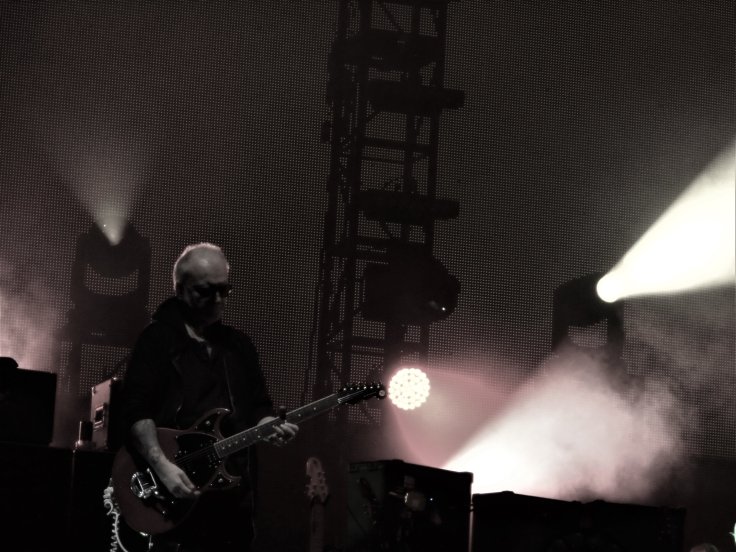
 Reeves Gabrels doing his thing.
Reeves Gabrels doing his thing.

For me The Cure represents real love, because love is light and beautiful and enduring. But love is also dark and unforgiving, yet if we can persist through all its layered complexities, we can create something utterly beautiful in a world that has become extremely estranged, dark and hostile. The Cure represents the vulnerability of being alive, the darkness of heartache. And commitment, just real commitment, commitment to art and music and creation. Commitment to manifesting a safe space, for all the people in the world who just don’t fit in.

Blog at WordPress.com.

Up ↑

Design a site like this with WordPress.com
Get started